Airpower: AI great, but human involvement will always be needed, insists head of the RAF

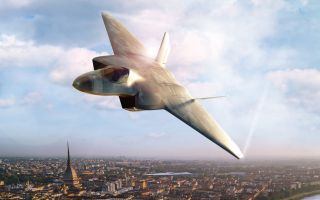
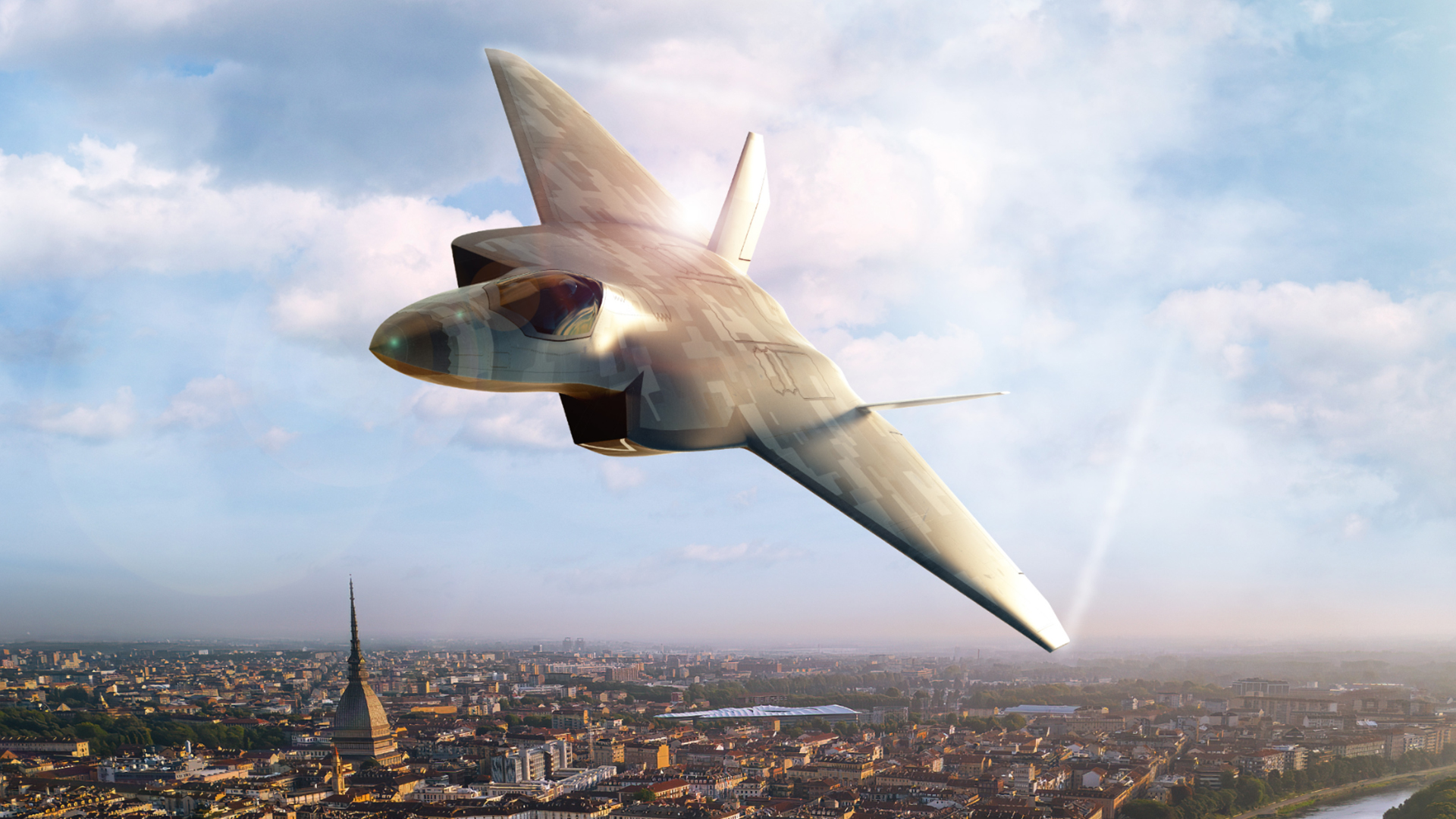
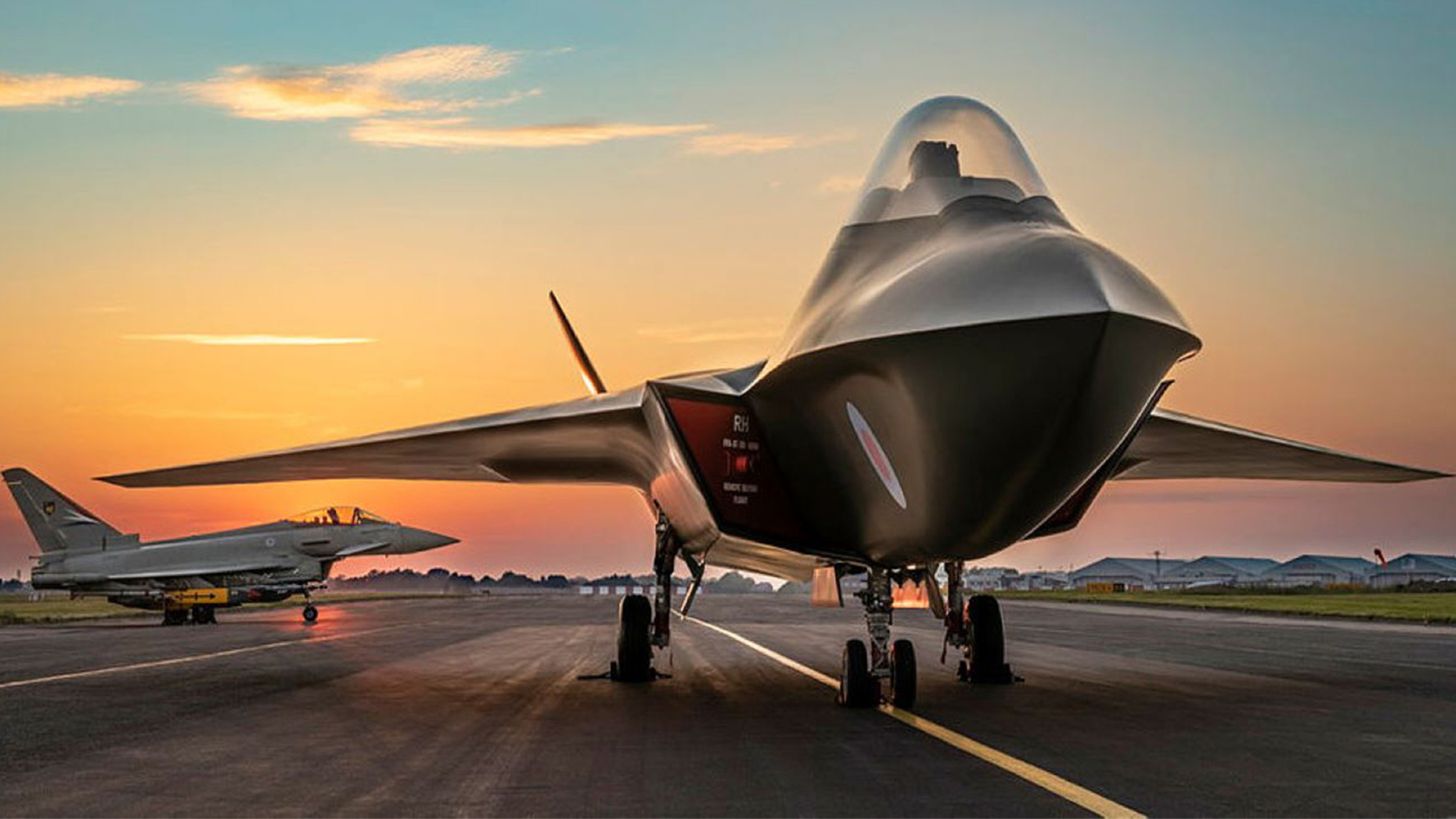
The Tempest, the RAF's incoming stealth fighter, will be flying with unmanned wingmen, but future projects will probably be entirely autonomous, Air Chief Marshal Sir Harv Smyth has predicted.
Tempest is being developed under the Global Combat Air Programme by Edgewing, a joint venture between BAE Systems, Leonardo and the Japan Aircraft Industrial Enhancement Company overseen by Edgewing.
The single-seat sixth-generation warplane, which Edgewing aims to put into service by 2035, will be equipped with technology including AI and next-generation sensors.
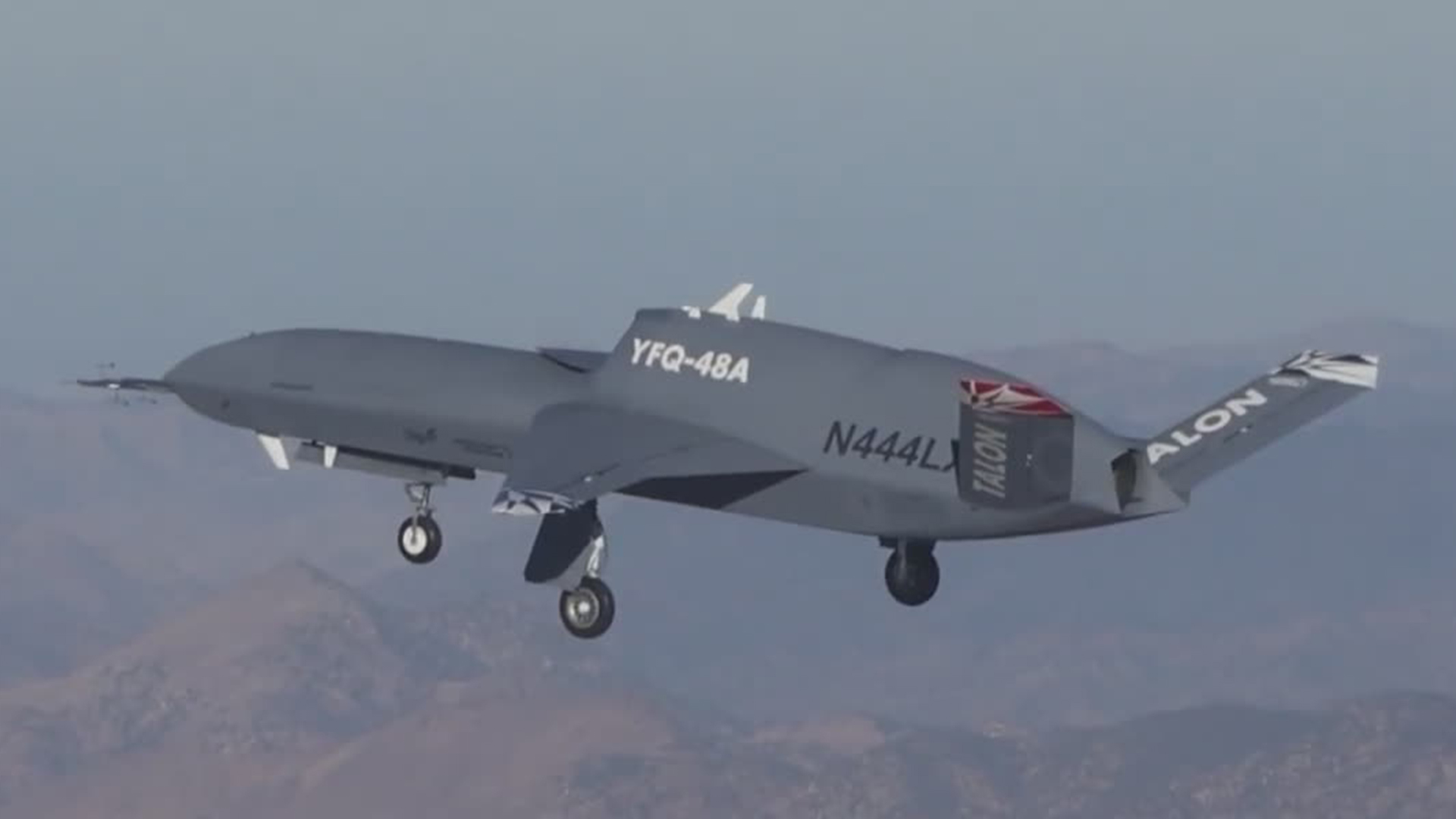
ACM Sir Harv, the Chief of the Air Staff, told the Telegraph autonomous aircraft would also be flying alongside the RAF's current 4.5-generation Typhoons and fifth-generation F-35 Lightnings.
But while these three aircraft all require a pilot, he said future projects would most likely be drones.
"Used properly, AI and machines will tackle the most dangerous tasks instead of humans, but technology must enhance human judgement, not replace accountability," he pointed out.
"The GCAP jet is perhaps the last crewed fighter we will ever build, not because people will become less important – quite the opposite."
Exciting and necessary
"Uncrewed fighter jets will start flying in UK airspace next year. This is exciting and necessary in equal measure," ACM Sir Harv added.
In the meantime, the UK, Italy and Japan are continuing to develop Tempest.
The project dates back to 2022 when the then-prime ministers of the three nations set up the Global Combat Air Programme to develop a next-gen fighter.
Three companies – BAE Systems, Leonardo and Mitsubishi Heavy Industries announced – a collaboration agreement in September 2023.
In December that year, the three governments signed a treaty with the aim of getting the warplane ready for delivery by 2035.
In June 2025 Edgewing was launched – a joint venture company involving BAE Systems, Leonardo and the Japan Aircraft Industrial Enhancement Company (JAIEC).
Mitsubishi Heavy Industries is still involved, but JAIEC allows Japan to draw from other companies within its aviation sector.
Two contracts agreeing to continue the development of the concept, technology and the jet itself in April and July 2026.
Three could become four – or more
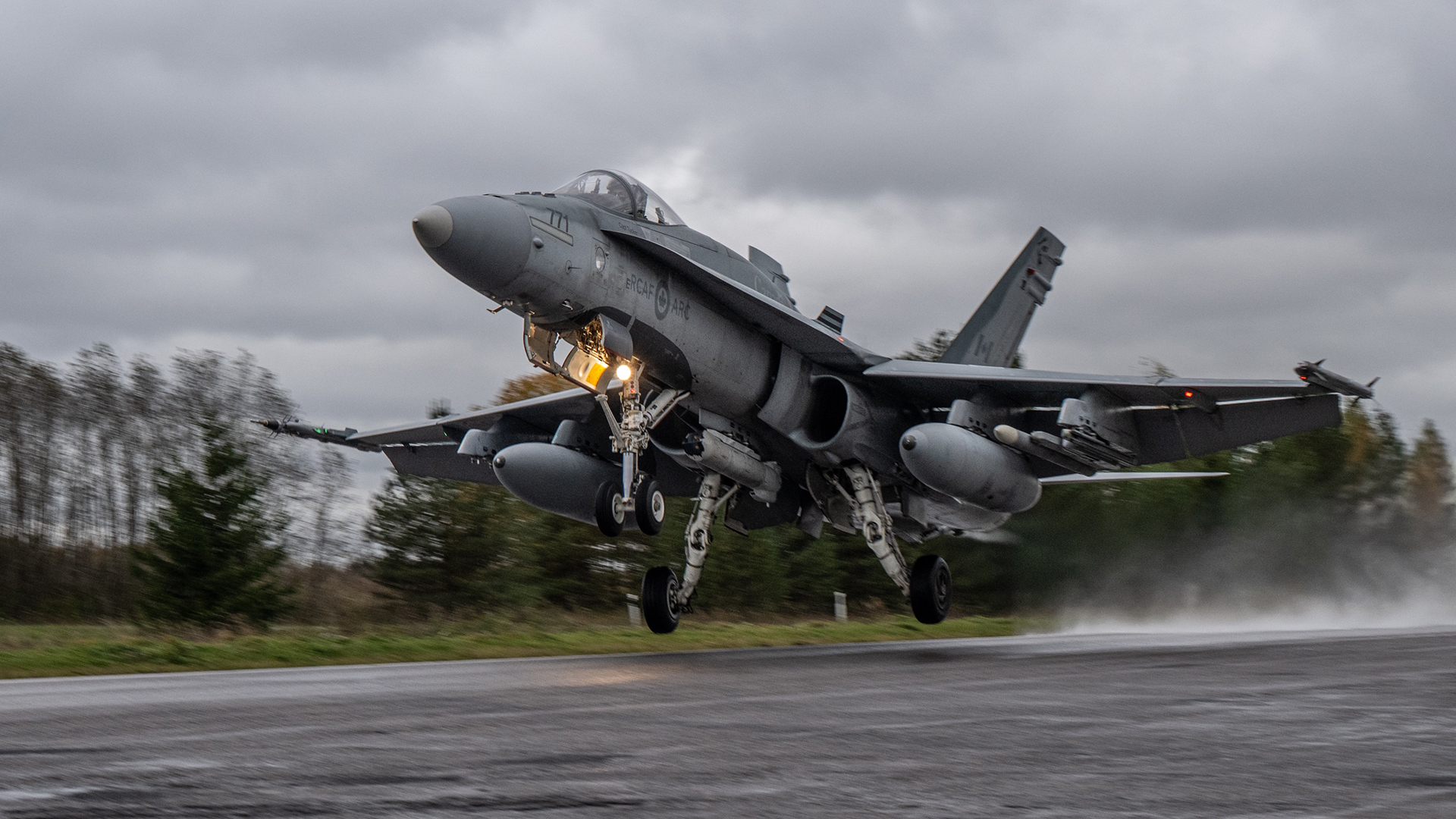
In July, Canada was welcomed by the three GCAP countries and an observer nation.
Its observer status means it has no decision-making role in the programme, but will have privileged access to the scheme.
And last month Prime Minister Andy Burnham suggested Germany could join the international coalition.
Germany had been involved in a separate project with France and Spain called the Future Combat Air System.
FCAS was designed to create a broader next-generation aerial combat system, not just the stealth jet, however FCAS has effectively broken apart.
France and Germany decided in June 2026 to abandon the joint fighter component, apparently due to an unresolved disagreement between Airbus and Dassault.
Join Our Newsletter