F-35 Lightning? Lightning II? Hold on, just how many times does Lightning strike?

A number of military aircraft have been operated by both the United Kingdom and the United States over the years, but while their names may be similar, they are by no means all identical.
One of the earliest types was the Bristol F.2B in 1917, and although this aircraft was commonly referred to as the Bristol Fighter, both the UK and US maintained the same official name of Bristol F.2B.
This type of standardisation didn't last long however, and other aircraft have seen their names get changed from nation to nation - a prime example being the F-35.
Various versions, various names
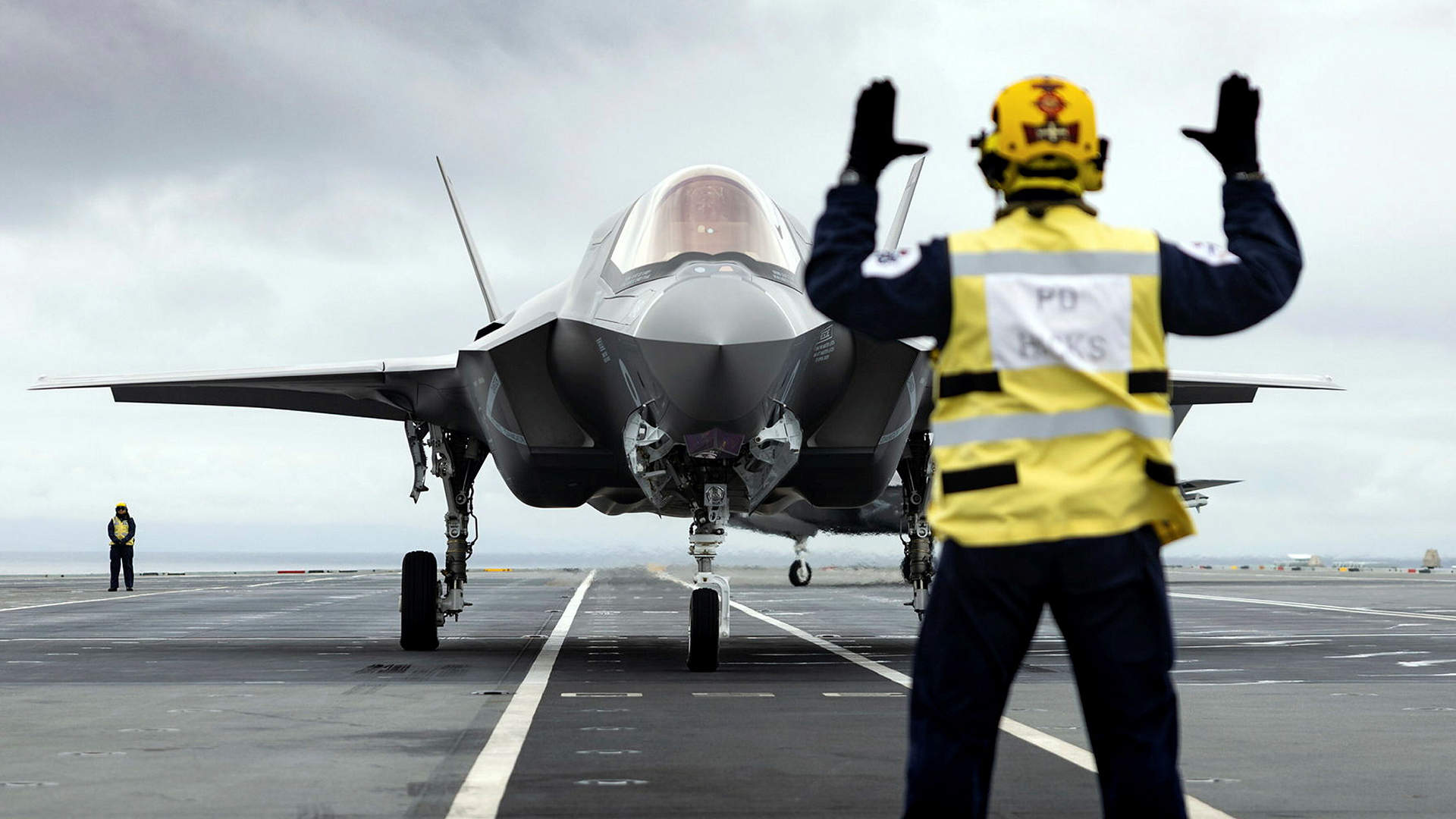
At the moment the UK operates the F-35B, which is the short take-off/vertical landing variant, although the RAF is poised to take delivery of the conventional land-based F-35A as well.
The United States, in contrast, operates all three main variants of the stealth jet.
The US Air Force flies the F-35A, the US Navy operates the carrier-based F-35C and the US Marine Corps uses a mix of B and C versions.
But while British F-35s are simply called the Lightning, the US calls them the Lightning II. Why?
Reuse, recycle
Both countries have a history of reusing names for military aircraft.
During the Second World War for example, the Royal Air Force flew the Hawker Typhoon and later the Hawker Tempest.
The RAF currently operates the Eurofighter Typhoon – and the next-gen fighter being developed with Italy and Japan under the Global Combat Air Programme will also be called Tempest.
But the RAF doesn't call the Eurofighter the Typhoon II – and it won't be calling the sixth-gen GCAP jet the Tempest II either.
The Americans, on the other hand, usually like to acknowledge those aircraft that have come before that share the same name.
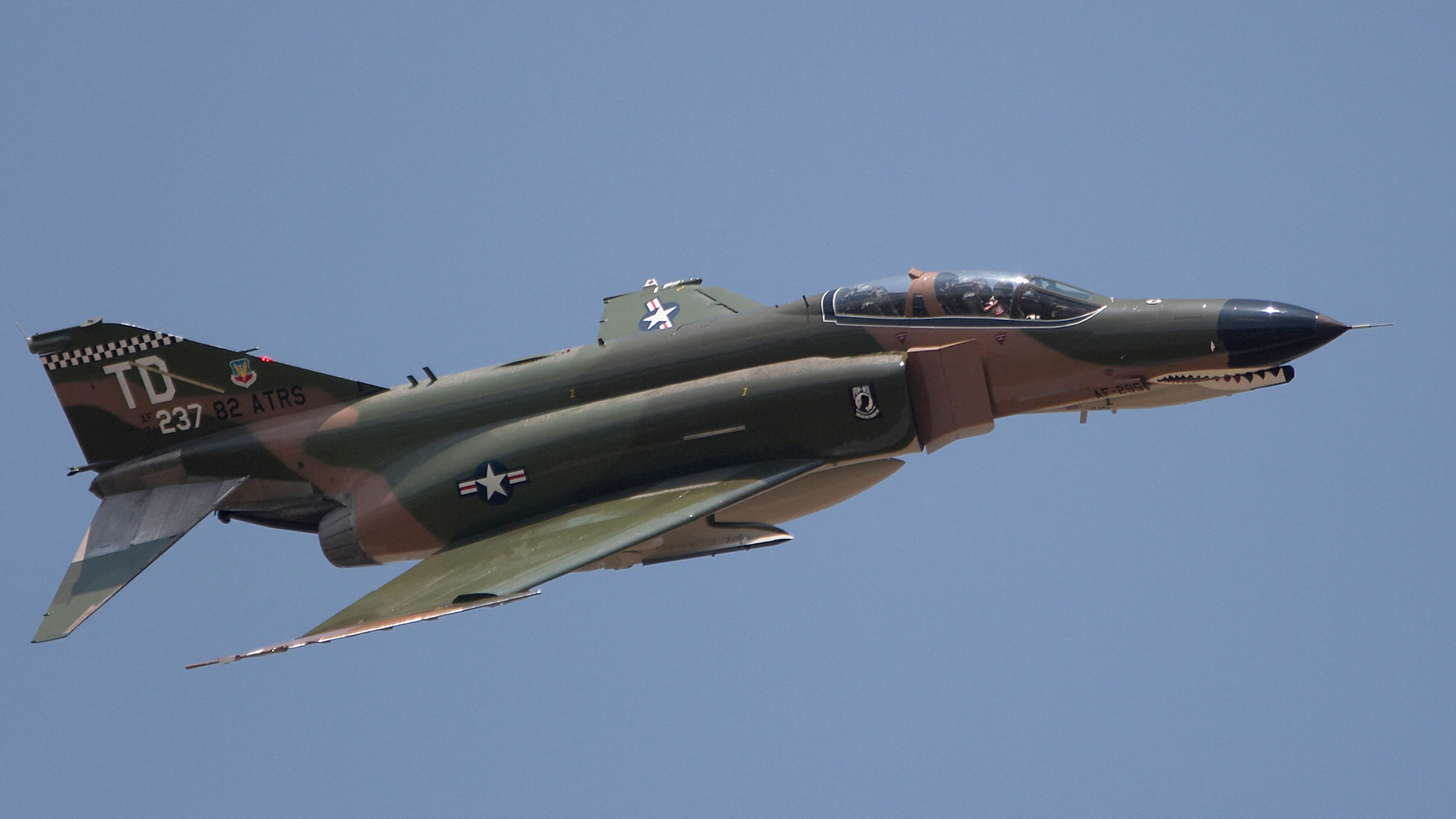
The McDonnell FH Phantom was a carrier-based first-generation jet fighter aircraft. Its service life was short, spending only two years with the regular US Navy and US Marine Corps.
And while this aircraft is not very well known outside of USN and USMC circles, most aviation enthusiasts will have heard of the second jet to bear the name – the McDonnell Douglas F-4 Phantom II.
It's in keeping with this tradition that the F-35 is known by the US as the Lightning II rather than just the Lightning.
Just two Lightnings?
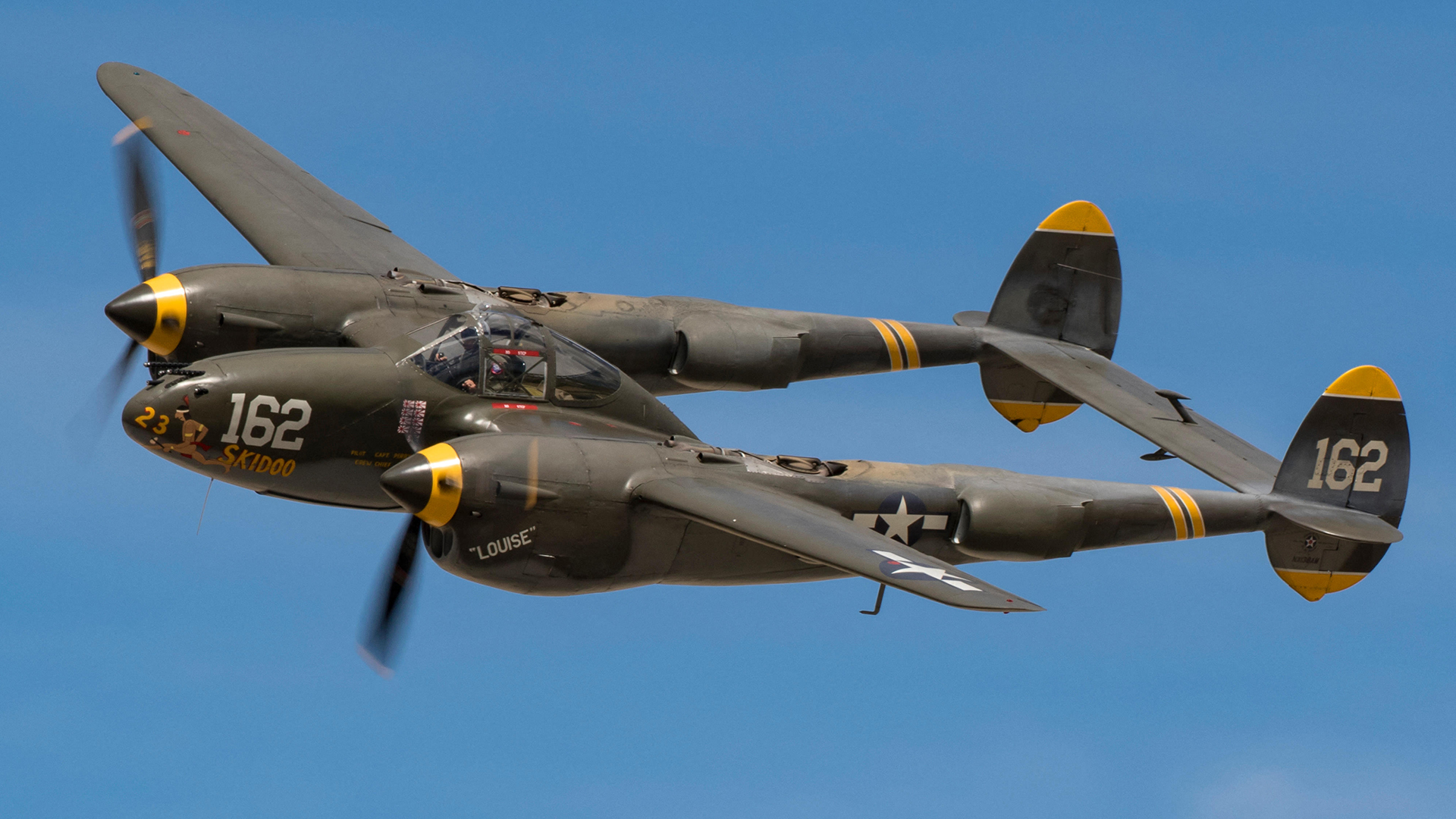
The first combat aircraft to bear the name Lightning was the Lockheed P-38 – the forebear of the company that now produces the F-35.
The P-38 was flown by both the RAF and the US Army Air Force during the Second World War – and it was the British who actually named the twin-engine, twin-boom fighter the "Lightning".
So it's in homage to the P-38 that the Lockheed Martin F-35 is called the Lightning II.
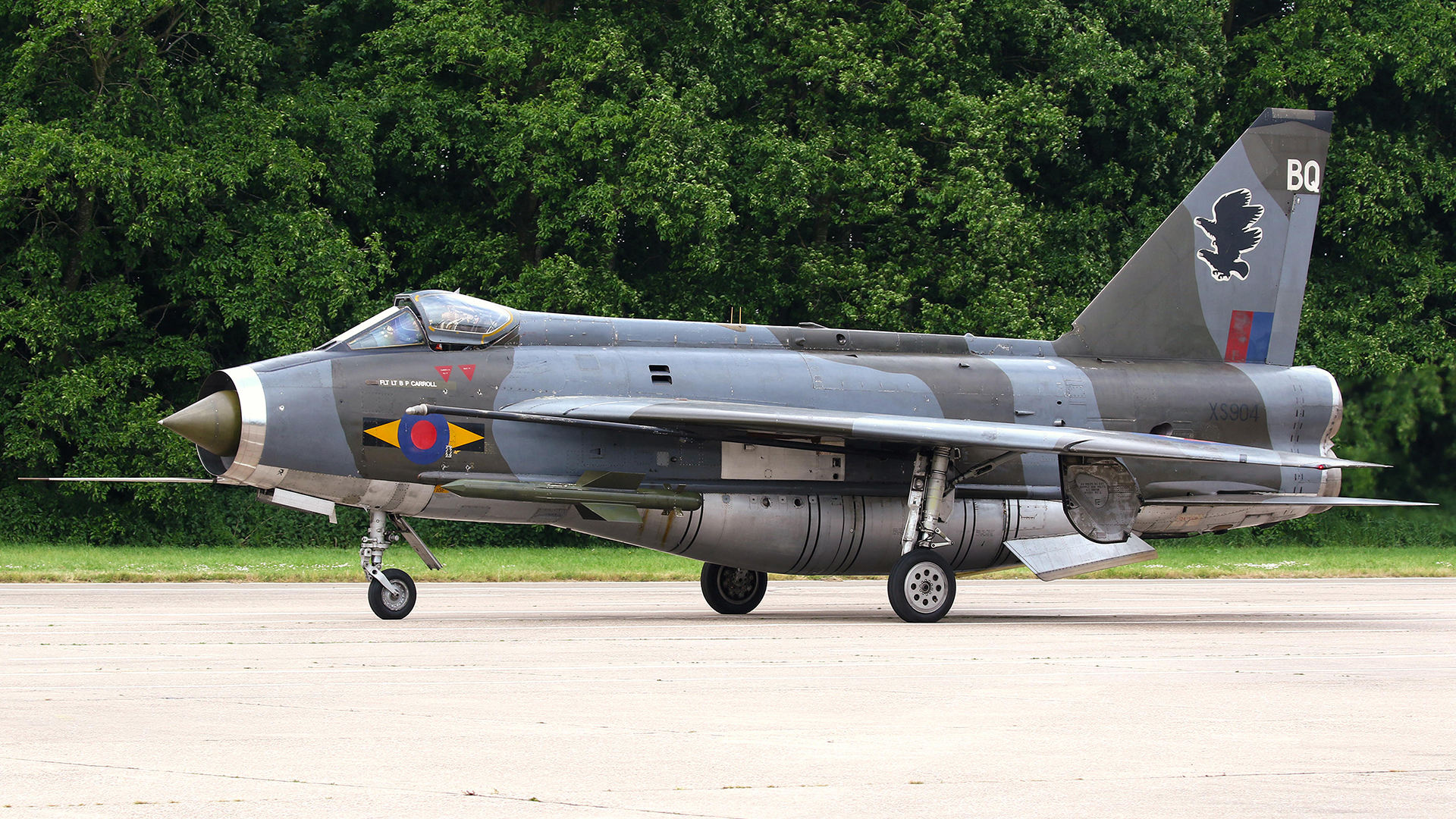
That's not quite the end of the story though, as the Royal Air Force has operated a third type called Lightning – the English Electric Lightning.
This powerful Cold War warrior served as an interceptor between 1960 and 1988, relying on its high speed of more than Mach 2 to place it within striking distance of any incoming Soviet aerial threats.
II be or not?
Britain's decision not to add a "II" to pay a mark of respect to a previous aircraft is far from unique.
The Hawker Tornado, the intended replacement for the Hawker Hurricane, was the first of its name, although the project was cancelled due to the lack of available engines.
The Panavia Tornado, meanwhile, was introduced in 1979 and was only retired from RAF service in 2019.
The US has also carried on its own naming convention.
The A-36 Mustang – a ground attack variant of the P-51 Mustang – is sometimes mistakenly called the Apache. However, the AH-64 attack helicopter is the only one to have officially been given the Native American name.
The Lockheed AH-56 Cheyenne, in contrast, was the helicopter's official name – and that is why the incoming Bell MV-75 tilt-rotor is called the Cheyenne II.
Despite the difference in name, the F-35 remains a potent and proven warplane regardless of which nation is flying it.
Back in March, an F‑35B pilot carried out the aircraft's first combat shoot-down for the UK, intercepting and destroying two hostile drones during an operation over Jordan.
And the type looks set to continue in service for decades to come.
Join Our Newsletter