Primed and ready to protect Nato airspace: Inside a Quick Reaction Alert scramble
Being prepared to scramble at a moment's notice is a fundamental part of protecting Nato airspace, Quick Reaction Alert personnel have said.
Pilots and ground crew have been deployed on Operation Biloxi in Romania to protect the alliance's eastern flank around the Black Sea.
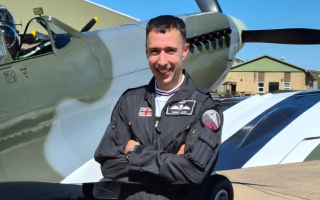
Flight Lieutenant Matt from RAF Coningsby-based No. 3 (Fighter) Squadron said: "QRA is Typhoon's number one role.
Ready by day, ready by night
"It's a 24-hour shift where you are ready to go, in theory, at any point during that day, be it two in the afternoon or two in the morning.
"So it's a bit of a mindset shift from a usual day in the office, effectively where you don't go home, you're here all the time and something could happen all the time.
"Generally you'll know something's building up and they'll try and keep you in the loop, but it can be mentally draining just to be on edge.
"We'll be based in the QRA compound, we'll get a phone call from the control centre. That's the first indication that we're on for a scramble, so we'll run out from there to the jets.
"The guys in the room with us will sound the alarm and then they'll shout what readiness we're coming to – if it's a scramble or if we're just getting to cockpit-ready, so we know what we're doing as we're running out.
"We'll run out with the engineers. We've already cocked the jet on, so the jet is as close to being able to fly as we can make it.
"So all we need to do is get in, turn a few switches and start the engines and we'll be effectively ready to taxi and take off in a few minutes."
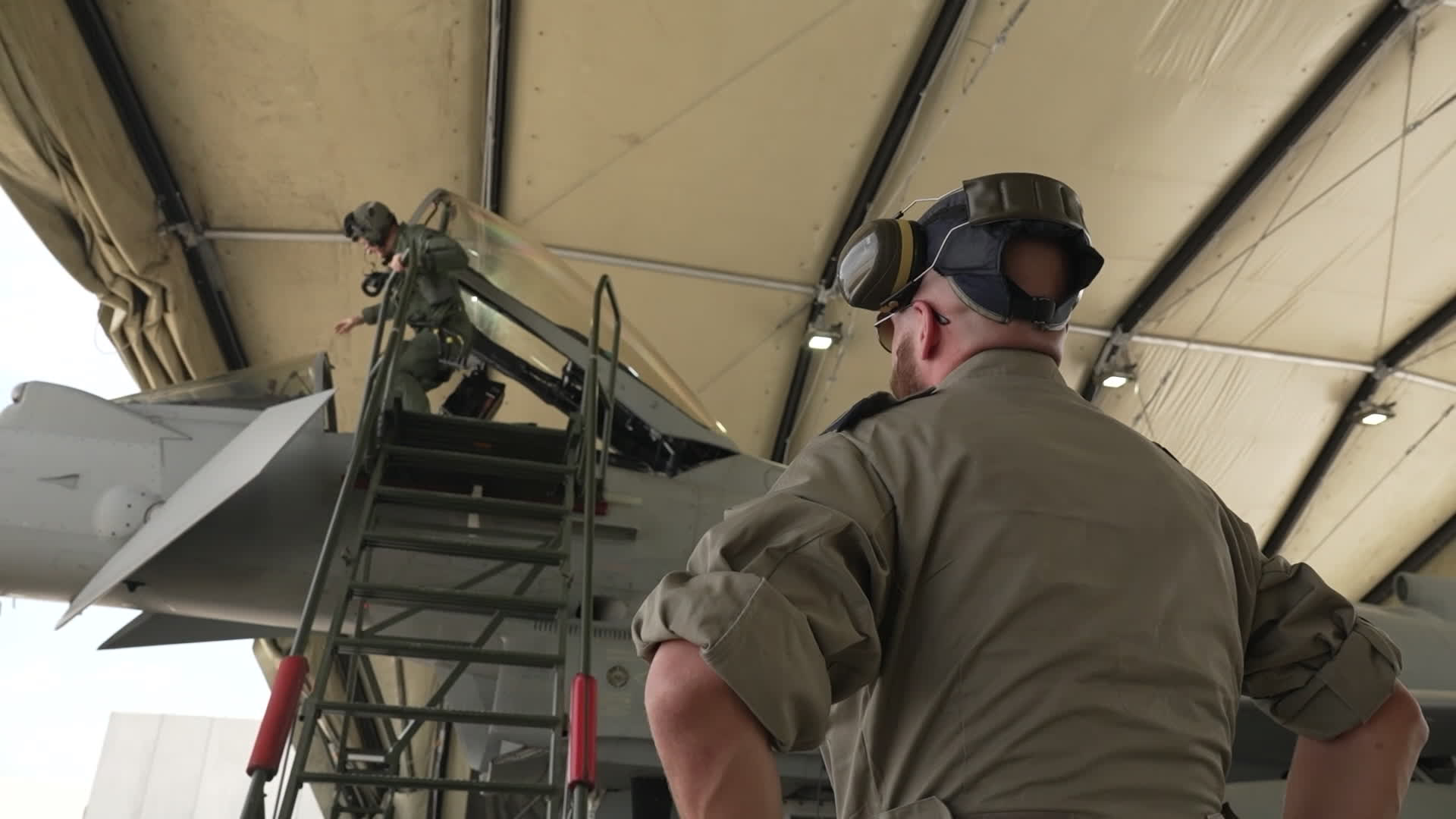
Prepping for take-off
The engineering team ensures the jets are ready to go at a moment's notice.
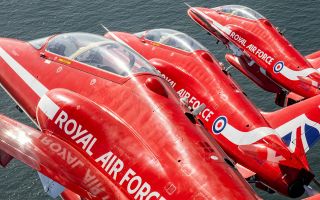
The Eurofighter Typhoon is the RAF's QRA fast jet of choice, with six squadrons operating from two UK bases.
"We're always ready to go as soon as that alarm goes off" Corporal Jordan explained.
"As soon as that alarm goes off, we have a matter of seconds to get out the building and get to our aircraft and get that prep ready to go.
"The pilots have a lot of trust in us to get the aircraft out there serviceable. It's definitely a challenging role, but definitely really rewarding.
"It's an amazing thing to be a part of – getting the aircraft up into the sky, delivering that mission.
"It's making sure that there's enough fuel in the aircraft ready to go, all the panels are secured and it's safe to go."
The RAF Typhoons have been operating with the F-16 fighter jets of the Romanian air force's 53rd Fighter Squadron on Operation Biloxi – with personnel from both countries following similar procedures in carrying out the mission.
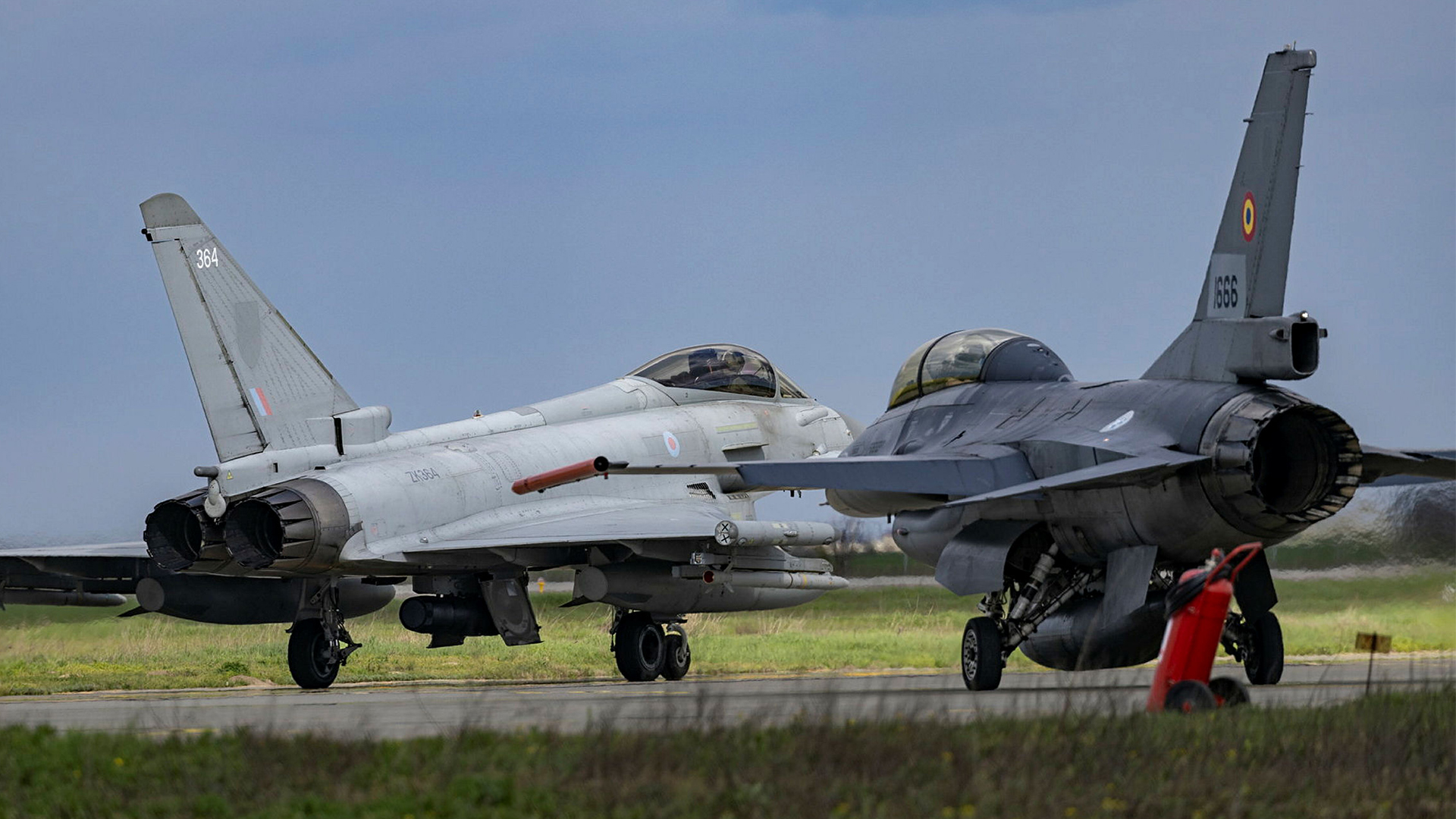
The buddy system
F-16 pilot Captain Beracko said: "If you are resting or watching TV or having lunch or dinner, that means you have to let off what you were doing and then start running toward the jets.
"Then we just get our gear suited up and then maybe one to two minutes afterwards we just scramble in the jet and then we start running our engine and then starting up this beast.
"Afterwards we are getting taxied out. We make sure we have all the procedures respected and then by a maximum 15 minutes we are supposed to lift off our wheels from the ground.
"We're flying every time with at least two jets. We are carrying a buddy with us, so our back is always protected."
The speed of the scramble means the pilots can often be in the air before they are even told the nature of the threat.
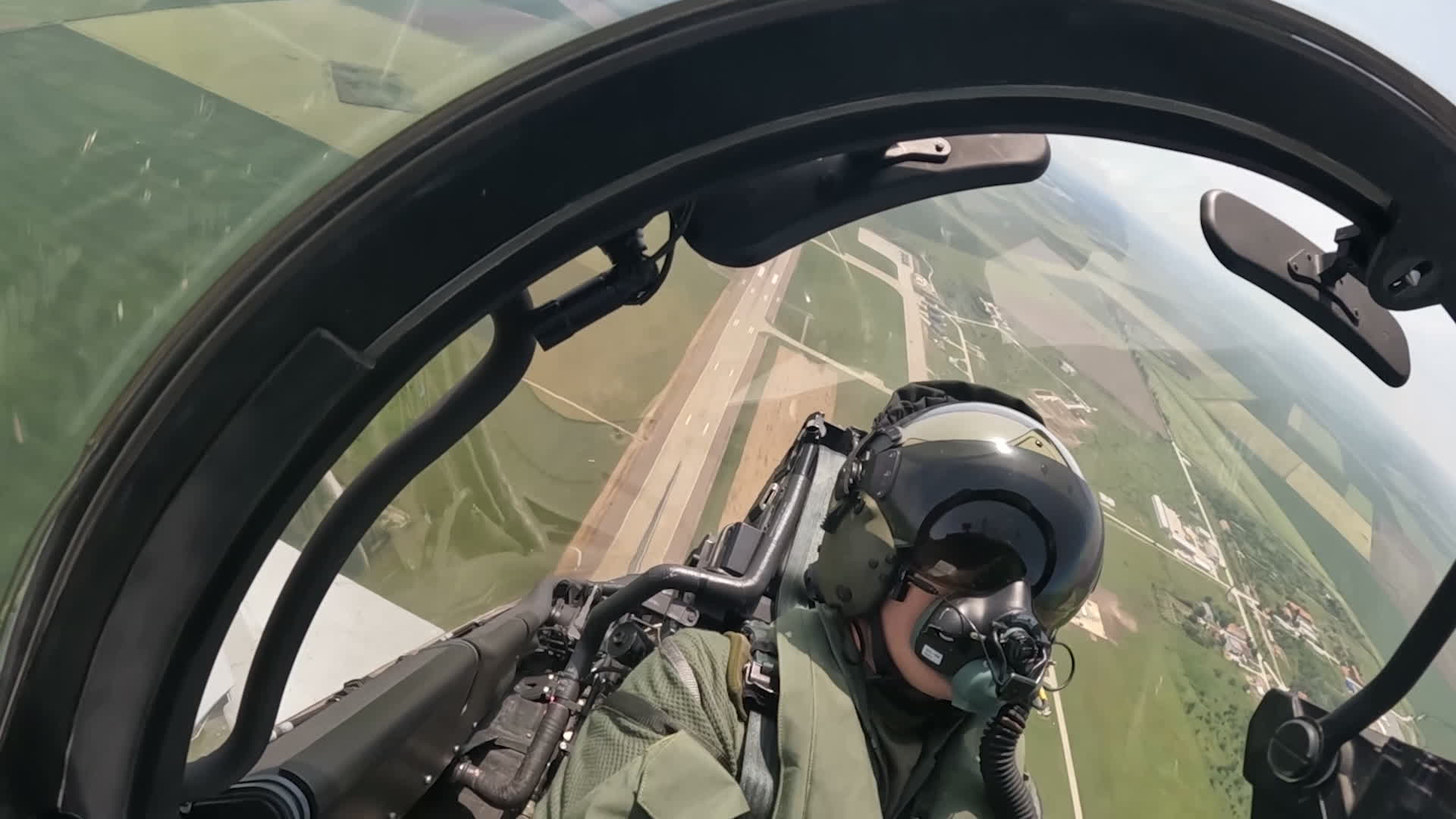
Type of threat dictates type of response
"Getting airborne as quick as we can, we'll go through the initial scramble message, get to a certain point in the sky and then it will be under the control of the control centre for what exactly they want to do, what that mission is, what the reason they have scrambled us for is," Flt Lt Matt added.
"So if that is intercepting another aircraft or a suspected one-way attack drone, which is obviously pretty prevalent over here, so that then dictates what we are going to do.
"They might say it in the scramble message, but in reality it will be once you get airborne, which is probably good because then you can just focus on getting the aircraft airborne because it changes the mindset, what you are intercepting.
"Going for a one-way attack drone, we change the sensors. It's a different mindset from intercepting an airliner, for example, in the UK.
"If it's a manned aircraft, it's obviously quite different. There will be different levels of escalation.
"So it's much like in the UK, it might just be they want us to see what it is, identify it, or it could escalate into trying to keep them away from certain areas of the country or it's a border incursion.
"So it could end very quickly [if] it's just it's this aircraft and the control centre are happy.
"If it's a one-way attack drone, depending on once we get the ID on it to confirm what the attack drone is, what the threat is, it then it could escalate up to the point of engaging and shooting that drone down."
Join Our Newsletter