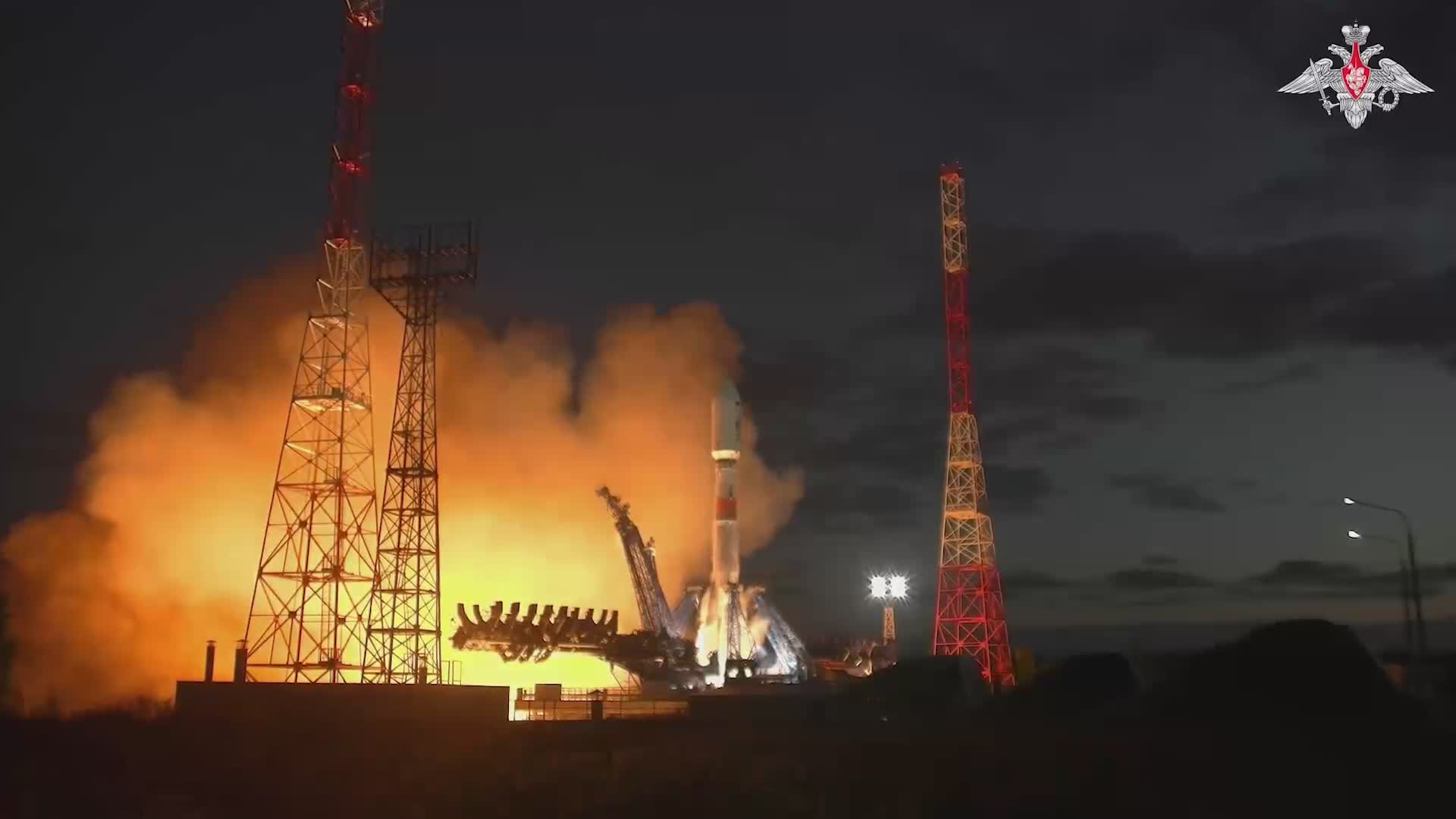
Nothing Britain can do if Russia launches satellite armed with nukes, warns ex-officer

A former Army officer turned MP has said there is "absolutely nothing" Britain can do to stop Russia from acting in space amid reported plans to launch a satellite armed with nuclear weapons.
Mike Martin, chair of the all-party Parliamentary Group on Rearmament, said on X that the space domain is Britain's weakest, and if Russia wanted to take out entire military communication networks, it could.
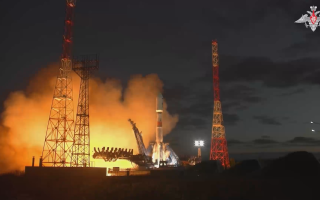
Earlier this week, reports emerged from a group of German media outlets that Germany's foreigh intelligence agency, the BND, and its armed forces had discussed a Russian satellite which they believe could be launched within 60 days.
The report said the satellite, named Sputnik-S, was assembled several years ago and is stationed in the Moscow region.
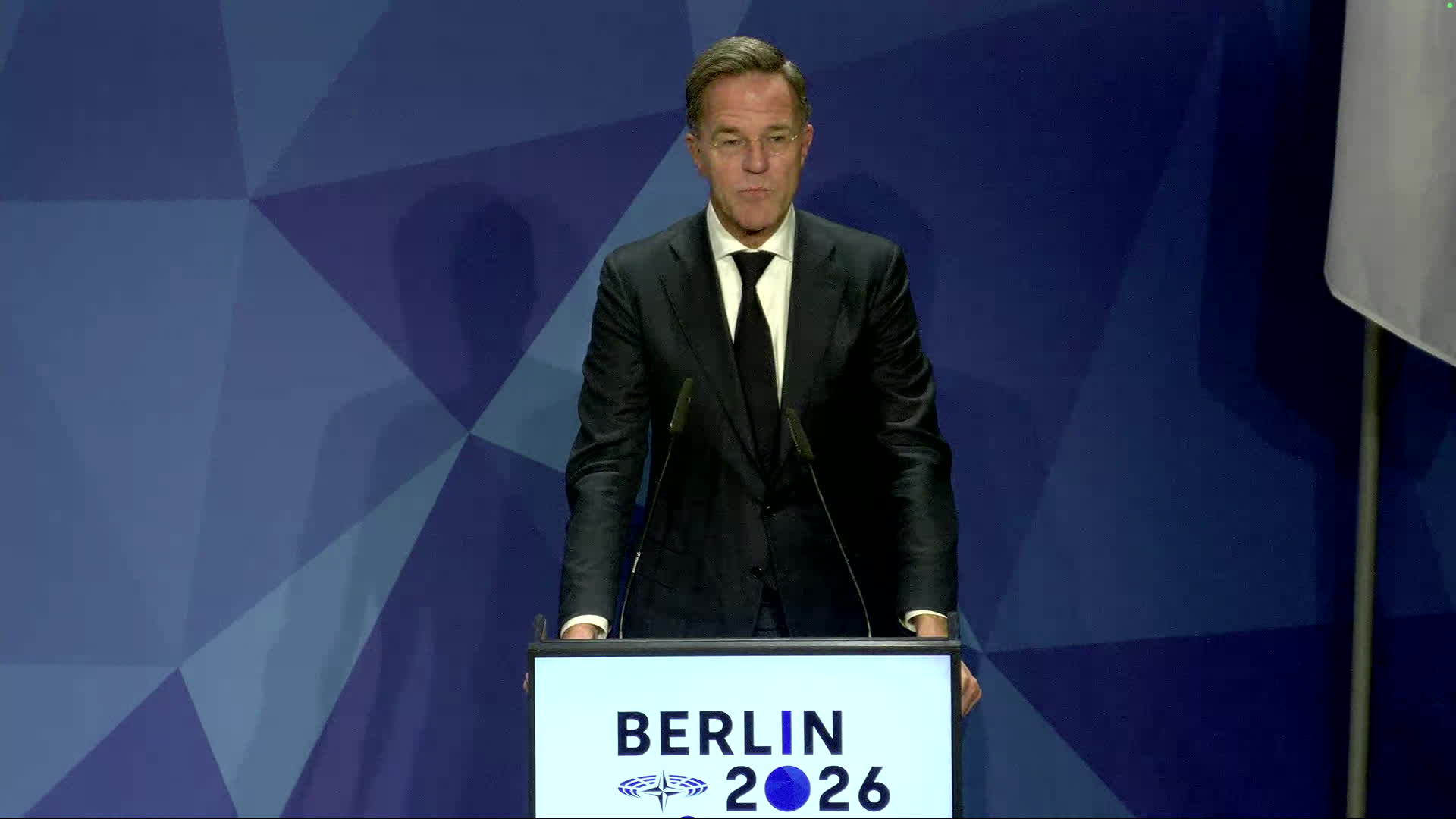
Addressing concerns at a joint conference in Berlin, Nato chief Mark Rutte said the alliance's senior officials were "continuously" assessing deterrence and defence.
Addressing these concerns directly, Mr Rutte said: "I can assure you, we will always make sure that we defend every inch of Nato territory.
"And that includes making sure that we are safe when it comes to the space element."
The Secretary General added that Nato had a variety of response options, even if the general public does not always see them.
He said: "We see situations in Poland and Estonia etc... when it comes to the military domain, we will always make assessments of our deterrence and defence and make updates where necessary."
In 2024, Russia denied assertions by US officials that Moscow was developing a weapon that could destroy enemy satellites by setting off a nuclear explosion in space.
US officials have alleged that Russia has for years been developing a nuclear weapon capable of destroying entire satellite networks, such as SpaceX's vast Starlink internet system that Ukrainian troops have been using.

If Russia was to launch nuclear weapons into space, it would be in breach of both the 1963 Partial Nuclear Test Ban Treaty and the 1967 Outer Space Treaty.
Signatories of the 1963 Partial Nuclear Test Ban Treaty, including Britain and Russia, agree "not to carry out any nuclear weapon test explosion, or any other nuclear explosion… in the atmosphere; beyond its limits, including outer space".
The 1967 Outer Space Treaty contains an agreement not to place in orbit around Earth, install on the Moon or any other celestial body, nuclear or any other weapons of mass destruction.
This also includes using the Moon and celestial bodies for peaceful purposes only and explicitly prohibits establishment of military bases or fortifications and the testing of weapons of any kind.
Join Our Newsletter