Atlantic Net: Private sector to hunt Russian subs and guard UK's undersea cables
The Ministry of Defence has recently hired a private company to help track Russian submarines and protect critical underwater infrastructure.
The advanced system, known as Atlantic Net, will see the Royal Navy equipped with a new network of autonomous systems operating across the North Atlantic.
Ocean Infinity, a UK-based company whose robotics and drone technology is already used in the energy and oil industry, won the £90m contract.
An outsourcing first
Retired Commodore Steve Prest told BFBS Forces News the system differs significantly from traditional anti-submarine warfare techniques.
"I don't think, around the world, there are many navies that contract out for anti-submarine capability," he said, adding that Ocean Infinity could be the first.
"There are lots of military functions which are contracted out, including intelligence, surveillance and reconnaissance.
"We buy imagery and electronic warfare from commercial satellite providers, for example.
"So, it's that, extended into this underwater domain."
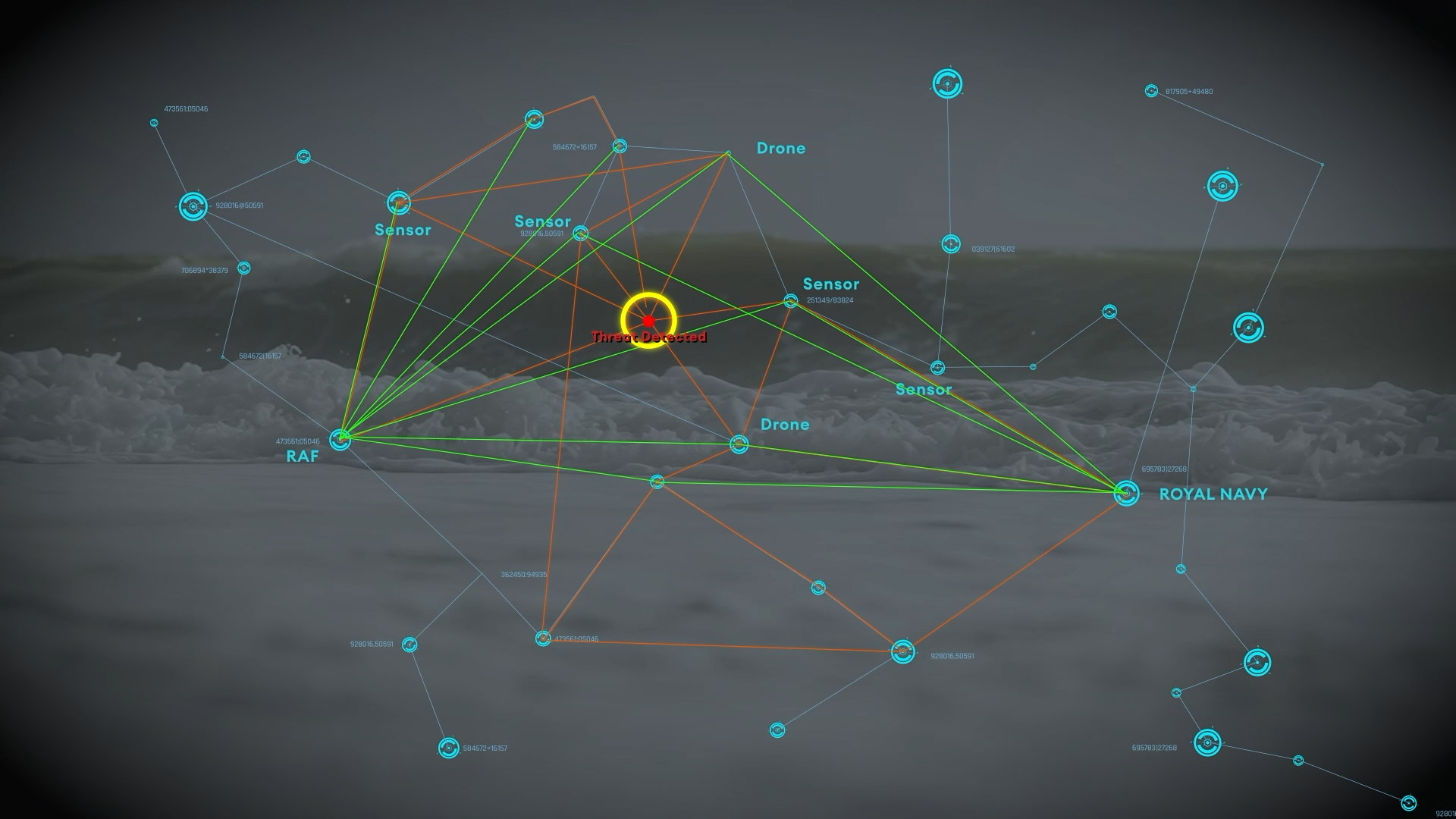
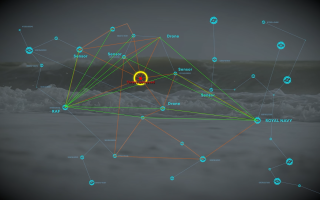
The plan for Atlantic Net is to use a mix of platforms and sensors to form a layered network which will act as a tripwire, alerting Royal Navy and RAF platforms to potential hostile activity.
For Cdre (Ret'd) Prest, this new capability should make the Kremlin nervous.
"What we're doing is making it much harder for Russian submarines and their commanding officers to operate with impunity in that part of the world," he explained.
"We're making it much more likely that they'll be detected, and much more likely that they will be tracked; that's the intent."
Atlantic Net is the first phase of Atlantic Bastion, the Royal Navy's plan for safeguarding the North Atlantic.
To the north, Russia has key submarine and naval bases around the Kola Peninsula, and Atlantic Net focuses on the vital GIUK gap: the chokepoint between Greenland, Iceland, and the UK.
'Like a knife fight in the dark'
Former submariner John Aitken, who served as the Royal Navy's Deputy Director of Submarines, has direct experience operating in this challenging region and describes his Russian counterparts as highly capable submariners.
"They spend an awful lot of time and effort doing exactly the same thing as we do, trying to understand the environment," he explained to BFBS Forces News.
"And then, make best use of it to suit their senses and their capabilities… it's like a knife fight in the dark with two blindfolded men, searching around for each other and, frankly, the first one who gets contact is probably going to be the winner because if you get your weapon away first, you're likely to control the tactical situation."
Atlantic Net also has a role in seabed warfare.
Russia's Main Directorate of Deep Sea Research, known as GUGI, has used specialist submarines and spy ships to flex its muscles in this space, and there is increased national focus on protecting undersea cables and other critical national infrastructure.
BFBS Forces News understands minimum deployable capability will be declared in September 2027.
By February 2028, Atlantic Net will be expanded to cover an area three times the initial size.
So will this partnership with the private sector bring agility and expertise to UK defence in this critical region? The Navy certainly hopes so.
Related topics
Join Our Newsletter