One Apache, three Thunders: Missile-carrying robocopter unveiled at Farnborough
An autonomous attack aircraft designed to fly alongside Apache helicopters and carry additional weapons has been unveiled at the Farnborough International Airshow.
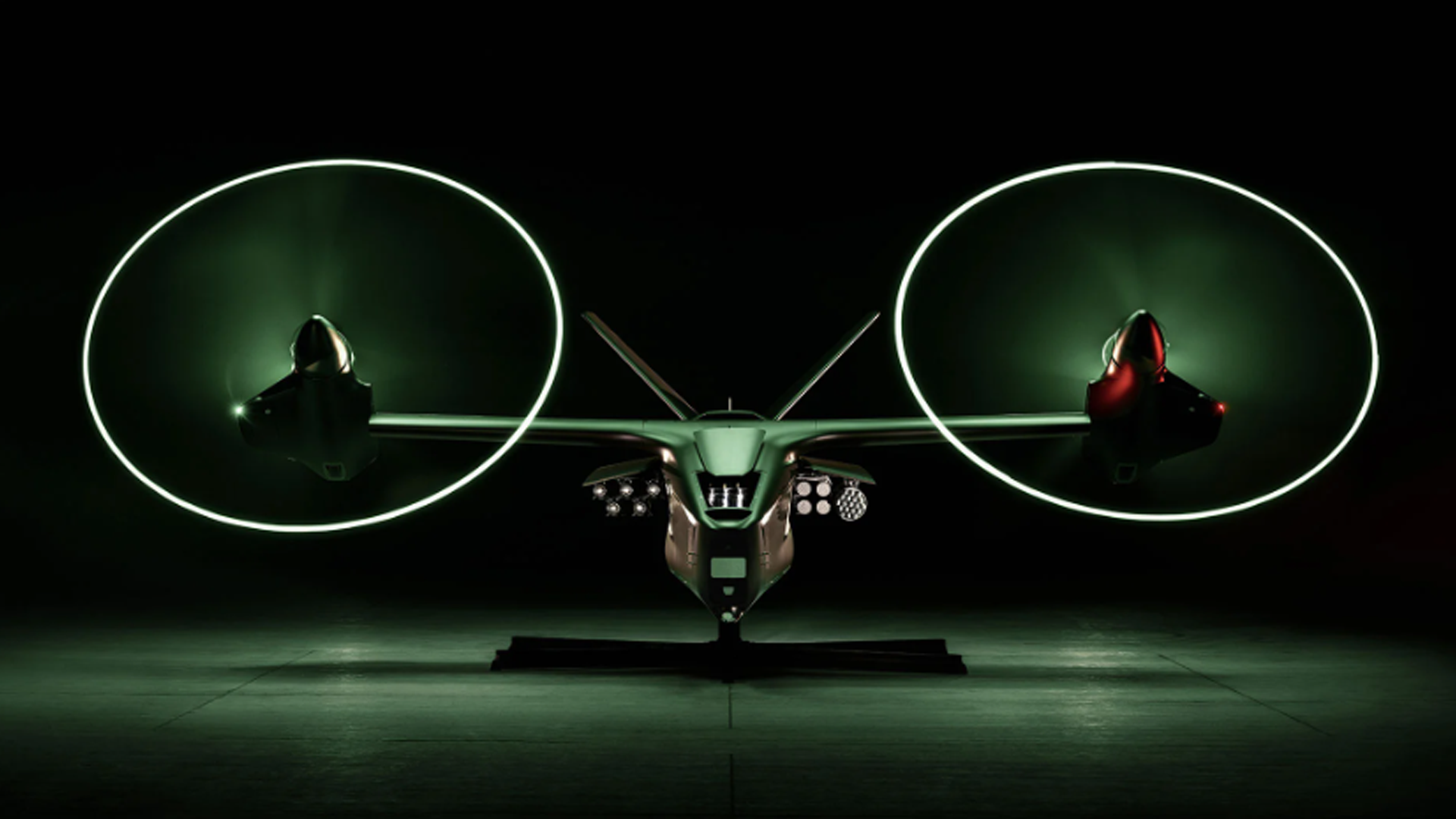
Thunder is intended to operate in groups of two or three alongside each crewed helicopter, with the Apache directing the autonomous aircraft.
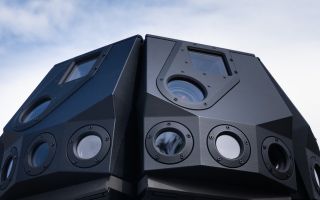
A full-scale model was displayed at Farnborough, but Thunder itself has yet to fly. Its first flight is planned for 2027.
- Boeing's new AI warplane, the MQ-28 Ghost Bat, makes Farnborough Airshow debut
- King of the skies: Brontanax 'loyal wingman' drone unveiled at Farnborough Airshow
- British F-35s fly Nato air policing missions from European carrier for first time
US military technology companies Anduril Industries and Archer Aviation are developing the aircraft.
Richard Drake, General Manager of Anduril UK, told BFBS Forces News: "Thunder is intended to be a fully autonomous robotic attack helicopter, something that can act as a loyal crewman for an aircraft like an Apache, that can provide and triple its lethality and work alongside it to protect it and create extra effects."
Thunder has two tilting rotors, allowing it to take off and land vertically before changing configuration for forward flight.
"The intent will be to maybe run with two or three Thunders per crewed helicopter, with the intent of that crewed helicopter acting like a quarterback or a fly half, essentially distributing information and kind of instructing them what to do and how to work," Mr Drake said.
What does Group 5 mean?
Anduril describes Thunder as a Group 5 autonomous attack rotorcraft.
The US Department of War divides uncrewed aircraft into five groups according to characteristics including weight, speed and normal operating altitude.
The classifications start from Group 1 hand-launched "around the corner" autonomous aircraft and end with Group 5, the highest category.
Group 5 covers aircraft weighing more than 1,320lb – about 600kg – which normally operate above 18,000ft and can stay in the air for longer than a day.
These aircraft have the greatest range, endurance and speed under the US military classification and can require a logistical operation comparable to that of a crewed aircraft.
Examples of Group 5 autonomous aircraft include the MQ-9 Reaper, retired by the RAF and replaced with the Protector RG Mk1.
Keeping Apache crews safer
Mr Drake said the autonomous aircraft could operate closer to the fighting, allowing personnel aboard the Apache to remain farther away.
"The ability to work with these autonomous helicopters means that you can keep the crew further away from trouble, and you can push deeper into enemy territory," he said.
"At that point, as you're closer to the fight, you can use cheaper, more available weapons than you would if you were standing off further away in an Apache, for example."
According to Anduril, Thunder will be able to host lethal combinations of precision munitions, air-launched effects, rockets and electronic warfare payloads, including Hellfire, JAGM, Barracuda-100M.
Join Our Newsletter