One of a kind? The British Ultra drone which is helping Ukraine with its long-range missions
The Ultra is described as a cross between a drone and a light aircraft that can be monitored from anywhere in the world.
Dozens of these aircraft have already been delivered to Ukraine, with more scheduled to follow in the coming weeks. Built at a factory in Fareham, they are now being used on the Ukrainian frontline for critical resupply missions.
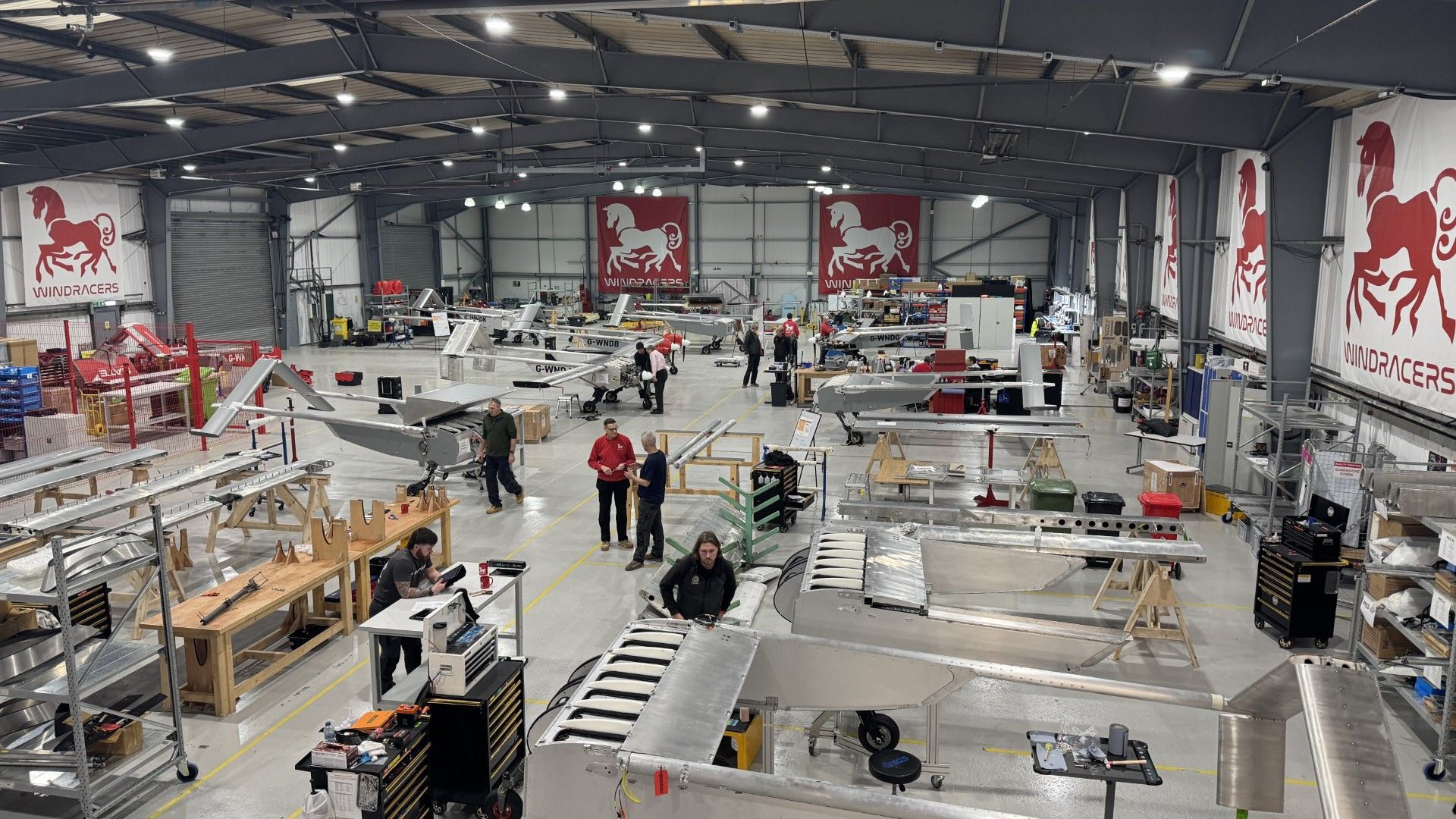
Windracers allowed BFBS Forces News into their new production facility, where the unmanned aircraft system (UAS) is put together.
Ultra has a 10m wingspan and was primarily designed for cargo and logistics delivery, and can carry a payload of 150kg over 1000km.
Responding to mission needs, Windracers will be upgrading the Ultra to carry 200kg over 2000km – about the same distance as London to Kyiv – in the coming months.
Windracers' chief designer, Andrew Lock, told BFBS Forces News: "It's made almost entirely from aluminium and is a very simple design, making it cheap to build and very repairable in the field."
It has two engines, and its flight control system is duplicated, making it "very robust to system failures of external threats", he said
The Ultra has multiple GPS antennas, but given that GPS jamming is a big issue faced in Ukraine, it can also make use of hardened antennas, which have resistance against jamming. Mr Lock added that they've proven quite effective to date.
However, it is the cargo bay, which we couldn't show for security reasons, that is the Ultra's key selling point. As well as delivering necessities, it can carry surveillance equipment and conduct precise airdrops, giving the Ukrainian military more options on the frontline than most fixed-wing drones being used in the war.
Mr Lock said: "It's designed to be really easy to load and unload, and the floor of the bay is also modular, so it can be swapped out in very little time to undertake different missions."
Windracers can make 10 Ultras a month, and they're aiming to double production in the next two years.
Drone evolution
Smaller quadcopters and drones are flooding the battlefield in Ukraine. They are fast, cheap and easy to manoeuvre at a short range. However, it's the traditional, aircraft-looking fixed-wing drones that are used for long-range missions deep behind enemy lines.
Since the beginning of the full-scale invasion, we've seen Russia deploying Iran's cheaply made Shahed kamikaze drone, which uses a moped engine to deliver its deadly payload.
We have also seen Ukraine's homegrown turbojet-powered missile drone Palianytsia strike Russia's energy infrastructure in the last year.
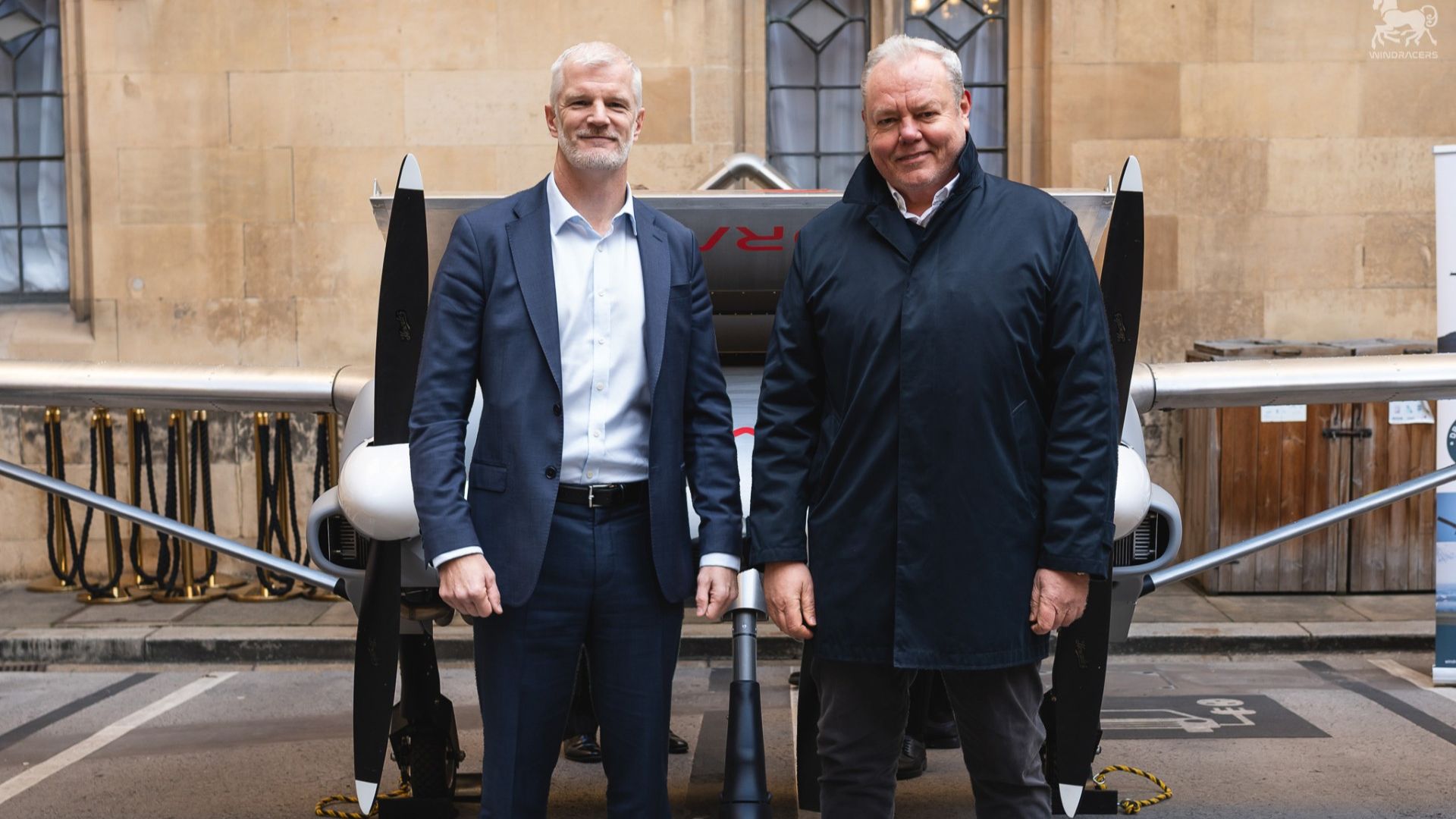
Founder of Windracers, Stephen Wright, said the pace of development is "quite phenomenal."
"We respond to what the Ukrainians are pushing us for," he said. "There are iterations nearly every week.
"There are not actually many manufacturers… making drones of this size, carrying this level of payload, over this distance. So at the moment, we are in a category of one, but… that will change in time."
He added that it was a "completely different" capability from what you would normally associate with drones.
In November, Windracers was invited to display an Ultra in Speaker's Court, inside Parliament, to showcase the role British autonomous aviation is playing in Ukraine.
It is apparently also used by the UK armed forces in a range of roles, BFBS Forces News was told, although specifics could not be revealed.
Related topics
Join Our Newsletter