Britain aims to arm Ukraine with new shoot-and-scoot ballistic missile system
Standing in front of a blackened block of flats in Kyiv, Defence Secretary John Healey saw first-hand the devastation wrought by Russia's arsenal of drones and ballistic missiles.
With temperatures plunging to -20°C, Moscow has bombarded Ukrainian cities with waves of drones and missiles, targeting key infrastructure and cutting heat and light to thousands of homes.
President Volodymyr Zelensky has repeatedly asked for more long-range weaponry to hit back. American Tomahawks and German Taurus cruise missiles would help, but there is no sign they are coming.
Built in Britain for use in Ukraine
What is though, it has emerged, is a new British-built ballistic missile.
The new ground-launched, tactical ballistic missile – part of what is being called Project Nightfall – will be one of the most ambitious missile programmes the UK has seen in decades.
The MOD issued an initial contract notice for this new system back in early December, setting out what it wants it to be able to do, and when it wants it delivered.
It was very specific, and, interestingly, it reflects a lot of the hard lessons learned from the war in Ukraine.
The contract notice calls for a "cost-effective, tactical (>500km) ballistic missile system, capable of being safely ground-launched from a mobile platform in a high-threat tactical environment, navigating to and accurately striking a user-programmed fixed target coordinate".
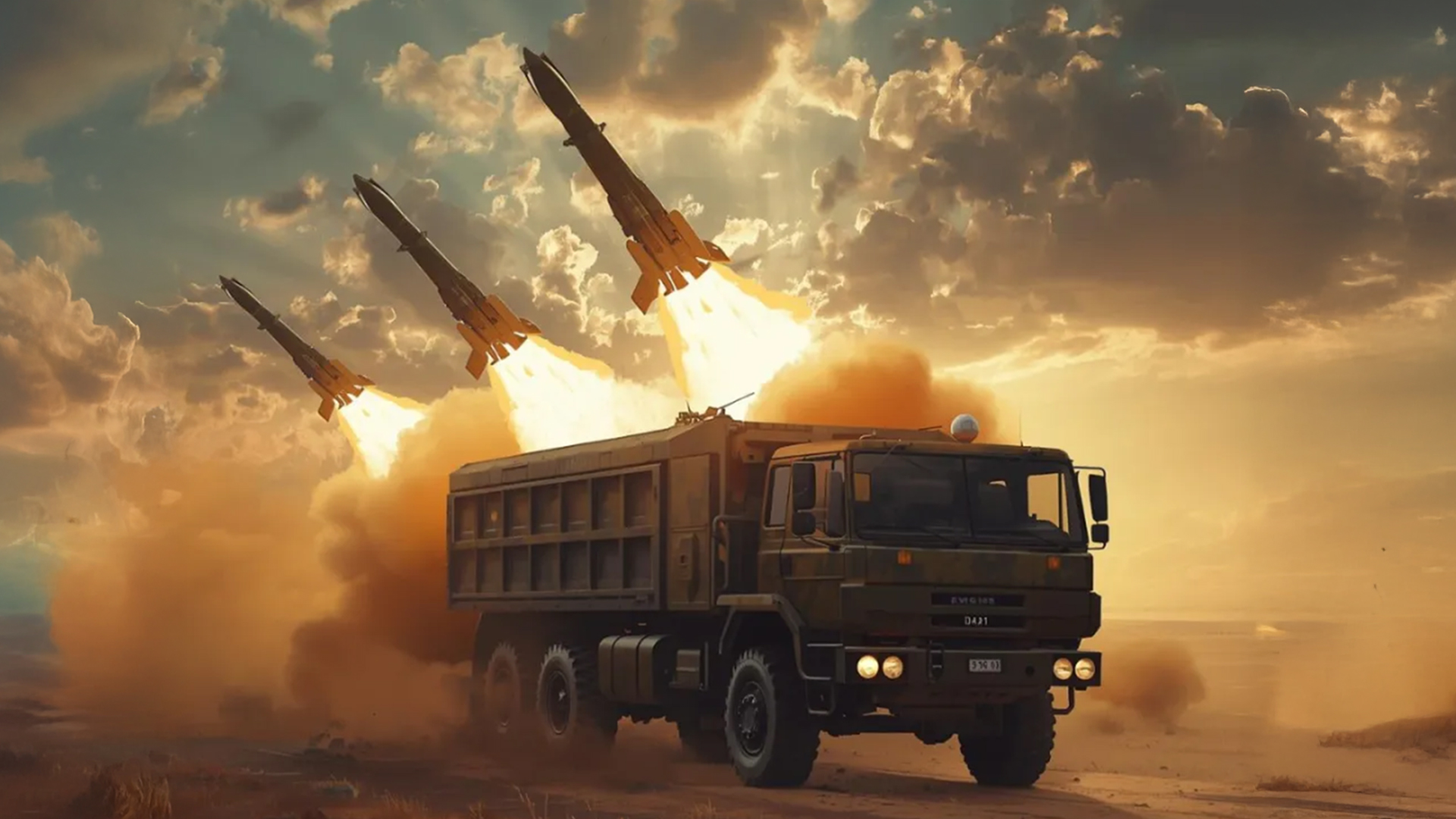
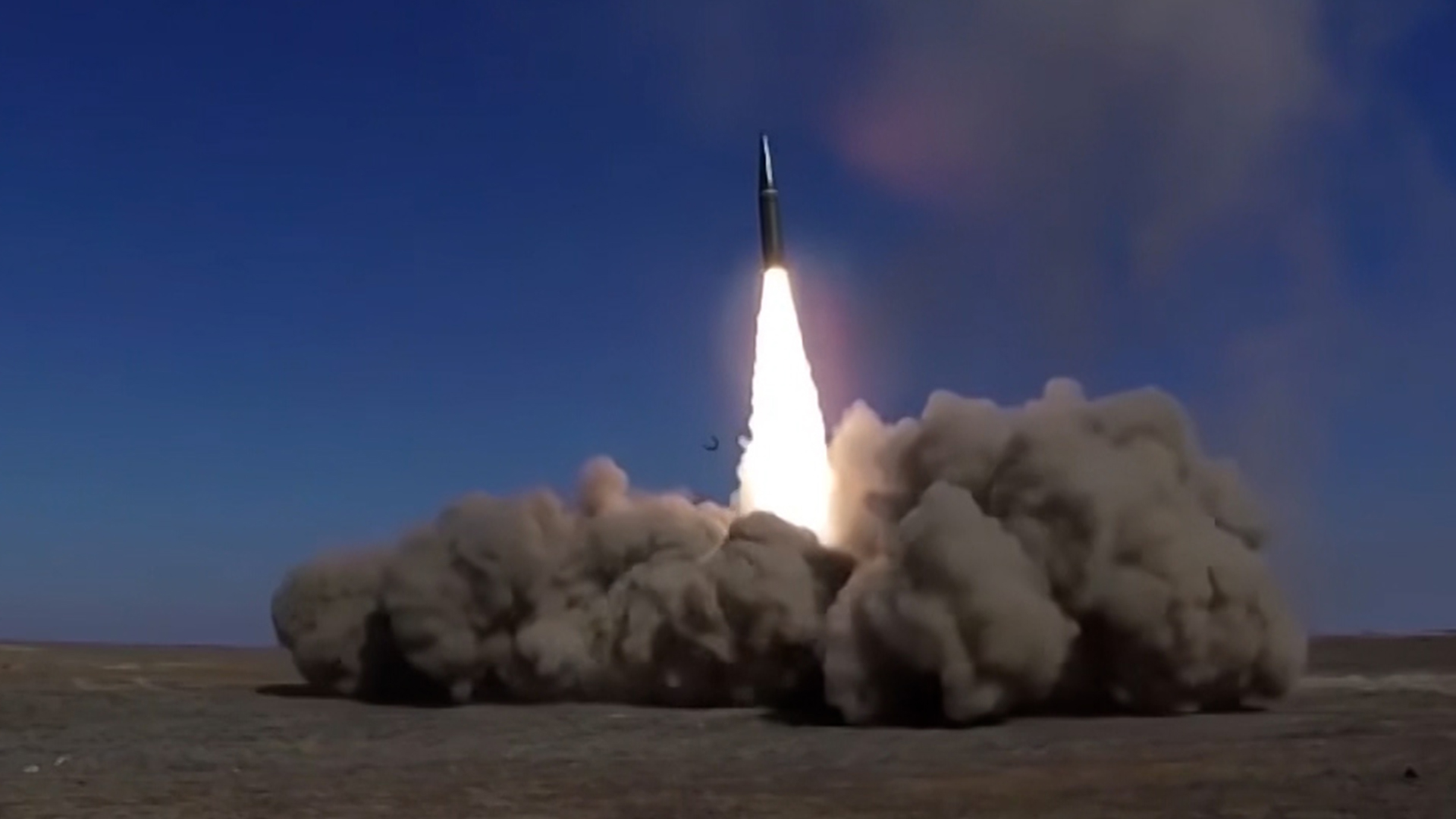
So essentially what the MOD is after is a missile system on the back of a truck, that can drive onto the battlefield, fire at least two missiles – known as "effectors" – 300 miles into Russian lines, and then escape within 15 minutes.
Shoot, then scoot
This so-called shoot-and-scoot way of fighting reflects the way the battlefield in Ukraine has developed over the past four years.
Anything that is stationary for any period runs a high chance of being seen and targeted by Russian counter-battery fire, attack drones or loitering munitions like the Lancet.
The other core requirement of this new system is the ability to resist electronic warfare (EW).
Russian forces are tactically poor in lots of areas, but EW is one of their strengths.
The contract notice says the new system must be "resilient in a complex electromagnetic environment (EME), including within a GNSS contested/degraded environment, and resistant against targeted EW attack and spoofing".
Before Ukraine, electronic warfare was a rather exquisite, nice-to-have capability.
Four years on, GPS denial and jamming are so common that having the ability to combat electronic attack is now a non-optional, baseline expectation.
Destructive capability
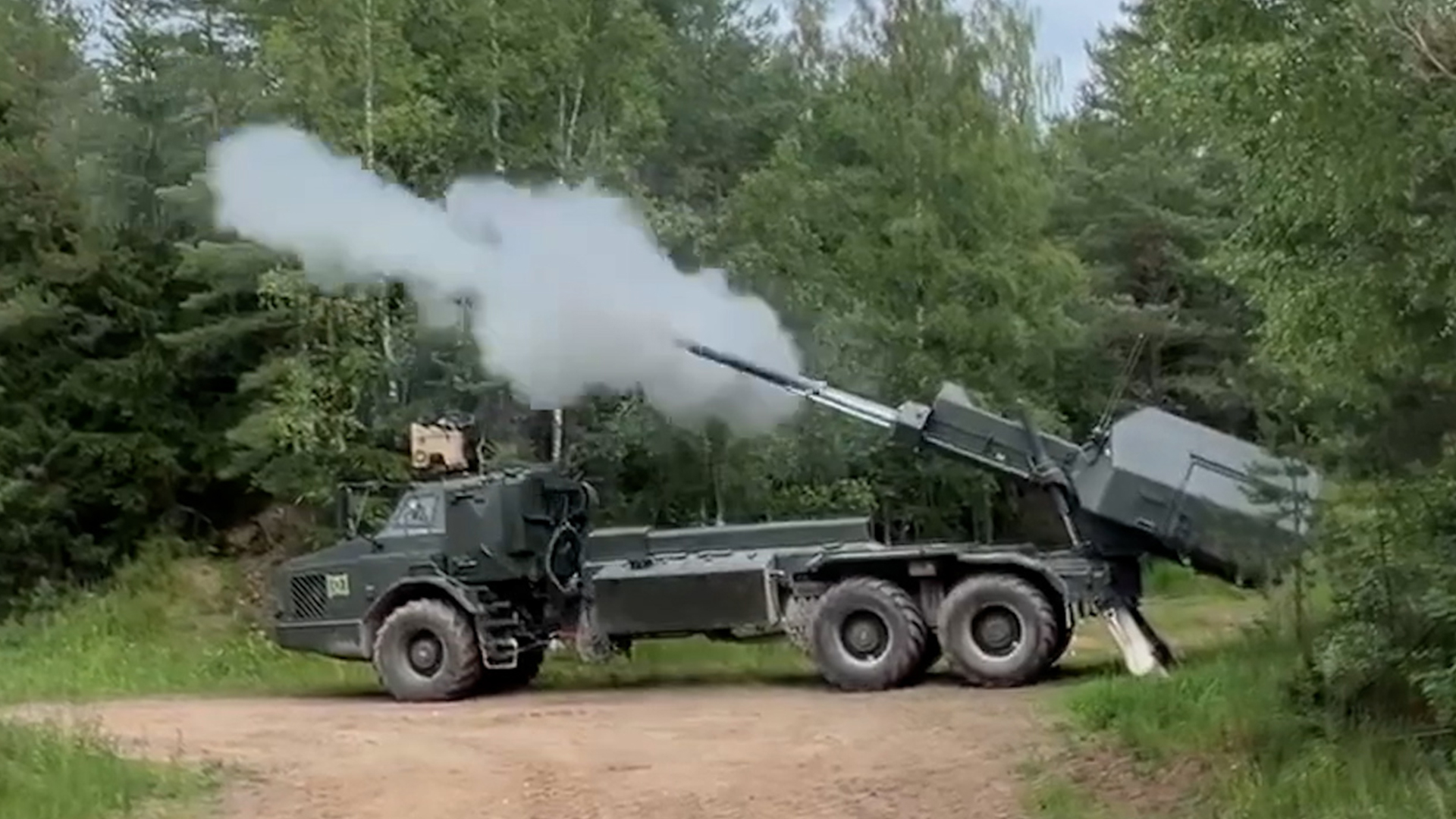
In terms of payload and performance, the MOD says Nightfall's effector must be able to "carry a high-explosive payload of around 200kg over more than 500km on a ballistic trajectory at supersonic speeds, with some basic manoeuvrability".
Defence planners say Nightfall missiles must be able to strike targets within 10 minutes of launch.
That implies that it could well be used to engage time-sensitive targets such as mobile headquarters, air defence systems or logistics nodes.
Russia's most effective and frequently used short-range ballistic missile is the Iskander-M. It routinely uses them to attack both military and civilian targets.
Compared to the Iskander's 480kg payload, Nightfall's missiles will carry less punch, but like many Western weapons, there is an emphasis on precision over sheer explosive mass.
The calculation is clear that accuracy and speed will be able to offset the British missile's lower payload weight.
In fact, the MOD contract notice also specifies how accurate the Nightfall missile must be.
It says it should be able to operate in a "GNSS contested/degraded environment" and must be able to hit within 10 metres of a provided target coordinate 50% of the time.
The MOD is stipulating that the Nightfall missile system also needs to be upgradeable, so that its range, in-flight manoeuvrability and on-board telemetry can all be improved over time.
It also wants production to be scalable to at least 10 systems a month – another indicator that these will be going onto a highly attritional battlefield.
Going to Ukraine, but what about the UK?
So is the British military also going to get its hands on this missile system in the future? For now, ministers are saying this is a short-term project, purely for Ukraine.
The real benefit for Britain will be the boost in missile expertise that this project brings.
Following the announcement, Defence Readiness and Industry Minister Luke Pollard said Nightfall would "keep Ukraine in the fight and give Putin another thing to worry about".
In terms of timescale, the Government is planning to award three competing contracts, each worth £9m, by March.
Each team will then be expected to design and build three missiles within the next 12 months for test-firing.
Related topics
Join Our Newsletter