What it's like for Ukrainians on Op Interflex and why it isn't working any more
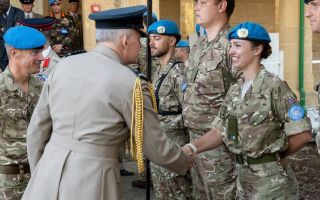
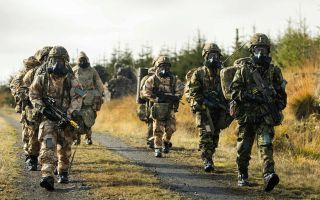
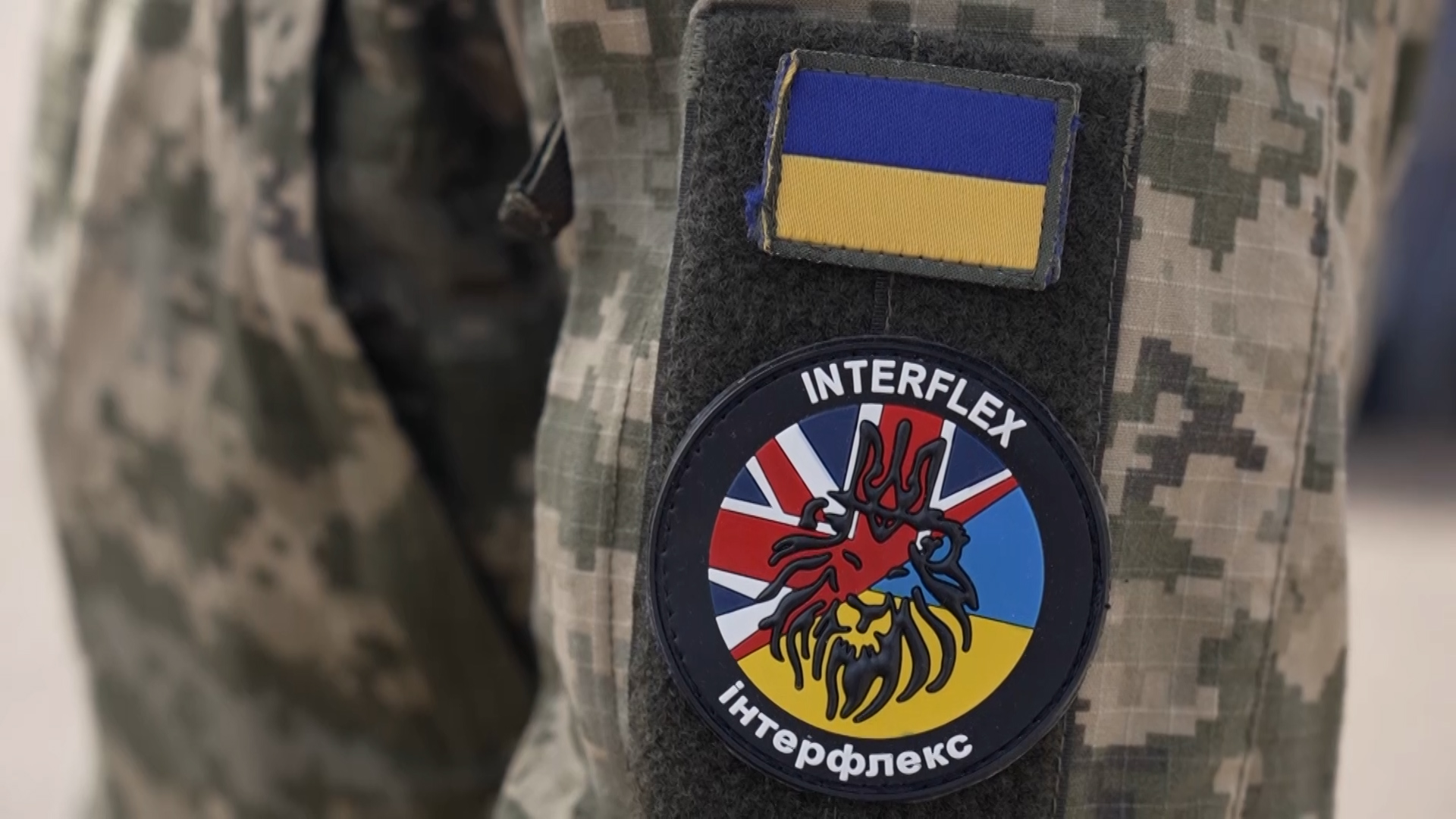
More than 60,000 Ukrainian soldiers have passed through Op Interflex since the UK-led training mission began in June 2022.
Kyiv now wants to reduce the level of overseas training and carry out more of it inside Ukraine, even as some specialist courses are expected to continue abroad.
The shift comes as the UK announced a fresh £100 million air defence package for Ukraine on Friday, with the Government saying that takes British air defence commitments made over the past two months to £600 million.
- President Zelensky gifts King and Prime Minister an iPad to monitor the war in Ukraine
- Ukraine exporting interceptors and expertise to counter Iranian drone strikes on Gulf states
- Human cost of Ukraine war: Ex-para discusses morale, loss and frontline survival
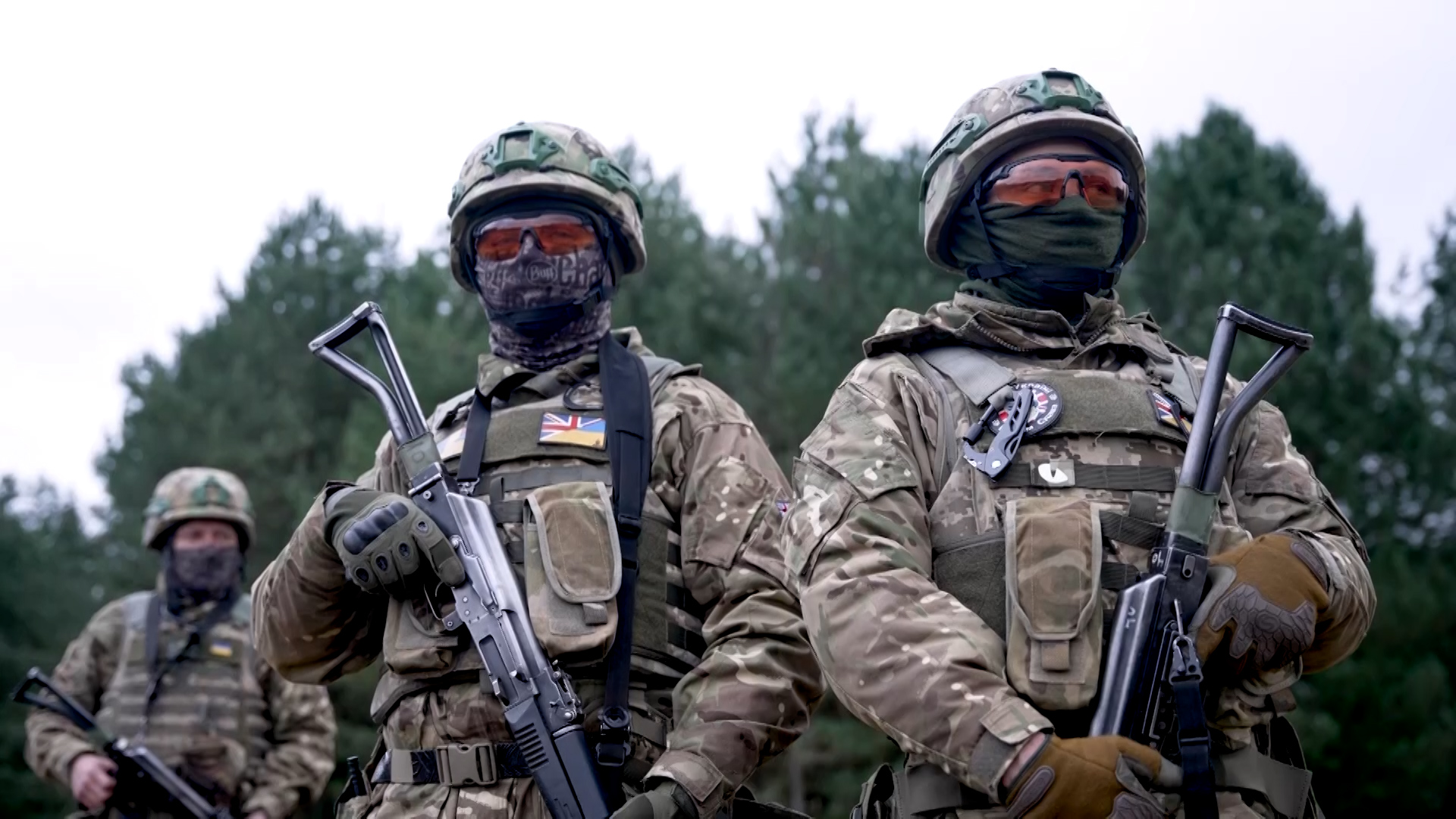
Speaking to Kate Gerbeau on this week's Sitrep podcast, Francis Farrell of the Kyiv Independent said the effect of British training cannot be undermined and can be easily spotted on the front line, sometimes in the kit itself.
Ukrainian soldiers who trained in Britain often wear uniforms issued in the UK, he said.
But Farrell said the mood in Ukraine has shifted as the battlefield has changed.
Training in Britain and other Nato countries is still seen as useful, he said, especially for tactical medicine and basic soldiering.
The problem is that much of the fieldcraft no longer matches the war the Ukrainian troops are actually fighting.
"The actual training exercises that are done, whether it's, fighting, assaulting, clearing, are not really relevant for the battlefield in Ukraine," he said.
He described a battlefield no longer defined simply by trench lines and infantry assaults, but by what he called a "wide and deep and deadly kill zone" dominated by drones.
In that environment, even sound infantry basics are losing some of their usefulness because visibility, movement and survival are now shaped by constant aerial surveillance and rapid targeting.
Hamish de Bretton-Gordon, the retired Army officer and former tank commander, said it "absolutely" made sense for more training to move back to Ukraine.
Op Interflex has been running for nearly four years, he said. "We've trained a hell of a lot of soldiers in basic skills, and the war has moved on now."
Moving more of that training closer to the front would save time, cut out travel and allow the Ukrainians to shape training around what they actually need.
He also said there are hard limits on how realistically Britain can recreate the battlefield Ukraine now faces. Drones can be incorporated into training here, but not on the same scale.
UK airspace is tightly controlled, ranges are constrained and some of the conditions Ukrainian troops live with every day cannot be reproduced on a British training area. That, he said, is one of the strongest arguments for doing more of it in Ukraine.
In its early phase, Op Interflex was taking large numbers of raw recruits, many with no military background, and putting them through basic infantry training before sending them back.
Also speaking on the podcast, BFBS Forces News reporter Simon Newton explained that the aim is now shifting more towards leadership, especially focusing on training commanders.
About 11,000 instructors have effectively been trained and sent back to Ukraine, helping build training capacity inside the country itself.
Some specialist courses are still expected to remain abroad, especially flying training.
Simon also addressed the issue of troops going AWOL during overseas training. Referring to the British programme, he said the number understood to have gone absent was about 14 over the past two years or so.
Against a total of more than 60,000 trainees, that is a very small number. But, he added, Ukraine's manpower shortage changes the picture: every soldier counts, and that makes any loss more serious than the raw figure might suggest.
Farrell made a similar point from Ukraine's side. For some mobilised men, he said, being taken out of the country and sent somewhere completely foreign can have a disorientating effect.
A training pipeline kept closer to home may be more efficient and feel more directly connected to the battlefield they are about to enter.
During the last four years of the programme, the British military has also gained many lessons from Ukraine.
One of the main ones is the reality of the "transparent battlefield" – a battlespace in which drones, sensors and the electromagnetic spectrum make concealment far harder than it was in previous wars.
As Simon put it: "If you emit, you get targeted and you die".
Hamish agreed, saying British troops are now learning as much from the Ukrainians as the Ukrainians are learning from them.
Join Our Newsletter