'If we could all do that, there'd be no wars': D-Day veteran dies at the age of 101
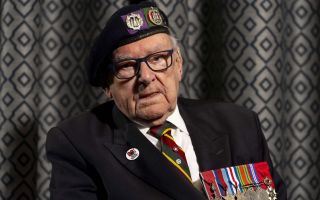
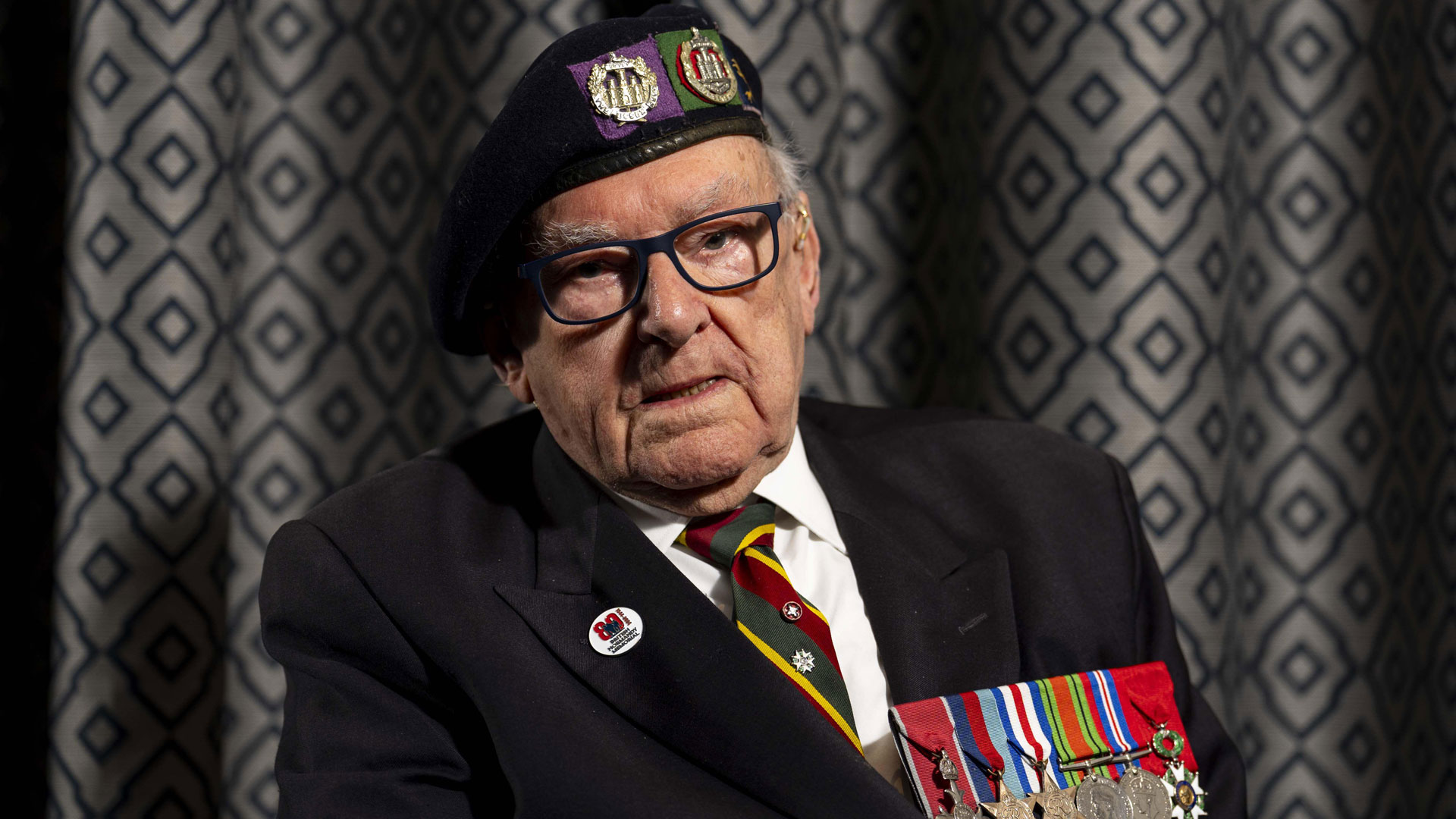
Normandy veteran Ken Hay, who was just 17 years old when he landed on Juno Beach five days after the initial D-Day landings, was a prisoner of war and spent years educating children about the Second World War, has died aged 101.
The British Normandy Memorial, for which he was an ambassador, announced his death via social media on Sunday, saying he "gave everything to support the trust's work in sharing the message of remembrance".
"His passion for education was unwavering... the countless schoolchildren whose lives he touched with his stories of courage and resilience nicknamed him 'Grandad Ken'."
Speaking to BFBS Forces News in June during an event in Normandy marking the 82nd anniversary of the D-Day landings, Ken expressed his desire to ensure future generations never forget the sacrifices made during the Second World War saying: "I go to school quite a lot. It's not only putting their history pages into life.
"Their grandad was there, or their great-grandad was there, and suddenly there's an old geezer who was there with him [who] might have known my grandad – that sort of thing.
"We're talking about what they've heard in their family, as somebody who was there.
"It doesn't matter about being me – it's just a representative of that generation, and it's connecting the generation."
During visits to schools, where dozens of children would sit on the floor listening to him, Ken would ask students to write him a letter after he had spoken with them.
He said: "I get 120 letters delivered to me, to tell me what they liked about my talk, what they didn't like, what they want to be when they grow up.
"It all connects and my hopeful theme at the end is whatever you can do in your future life when you grow up, whatever politics, religion, drama, what you're in – do something to stop wars."
Recalling one of his school visits, in particular, Mr Hay said he had been asked by a 13-year-old girl how wars could be stopped.
He said: "I was stumped. How do you stop wars? And then Saint Paul came to my rescue… I said to her, 'Love. Love yourself, your friends, your family at home, the people you met today, the people you met yesterday'.
"If we could all do that, there'd be no wars."
At this D-Day memorial service held at Colville-Montgomery near Sword Beach, the then 100-year-old described attending the service as a matter of "duty".
Asked what motivates him to keep coming back, he said: "The chaps we leave behind – we have no right to go home and forget them.
"We come here because a lot of them are not known to us; they're just names. But then you go to our wonderful memorial at Ver-sur-Mer, and suddenly there's a name that you know."
"You knew that chap, you know his face – and it changes everything."
Memories of war
Mr Hay, from Upminster in East London, served in 4th Battalion The Dorsetshire Regiment and landed at Courseulles-sur-Mer, the centre of Juno Beach, days after the Allied invasion of Normandy.
He was captured during a night patrol on the night of 8 July and was taken to Zabrze in Poland, where he was put to work as a prisoner of war in a coal mine.
Speaking to the Press Association in 2024 about his capture, Mr Hay recalled his first feelings were of "dread" and "fear".
He said: "We went out on night patrol, was supposed to be doing a blow up of a self-propelled gun in no man's land, but in fact, it was behind their lines.
"So they let us through and then very unfriendly, they sealed it and wouldn't let us back, so we had a battle.
"We had 30 went out on our patrol; 16 including my brother, who was a corporal, got back, five of us got captured and then presumably nine got killed."
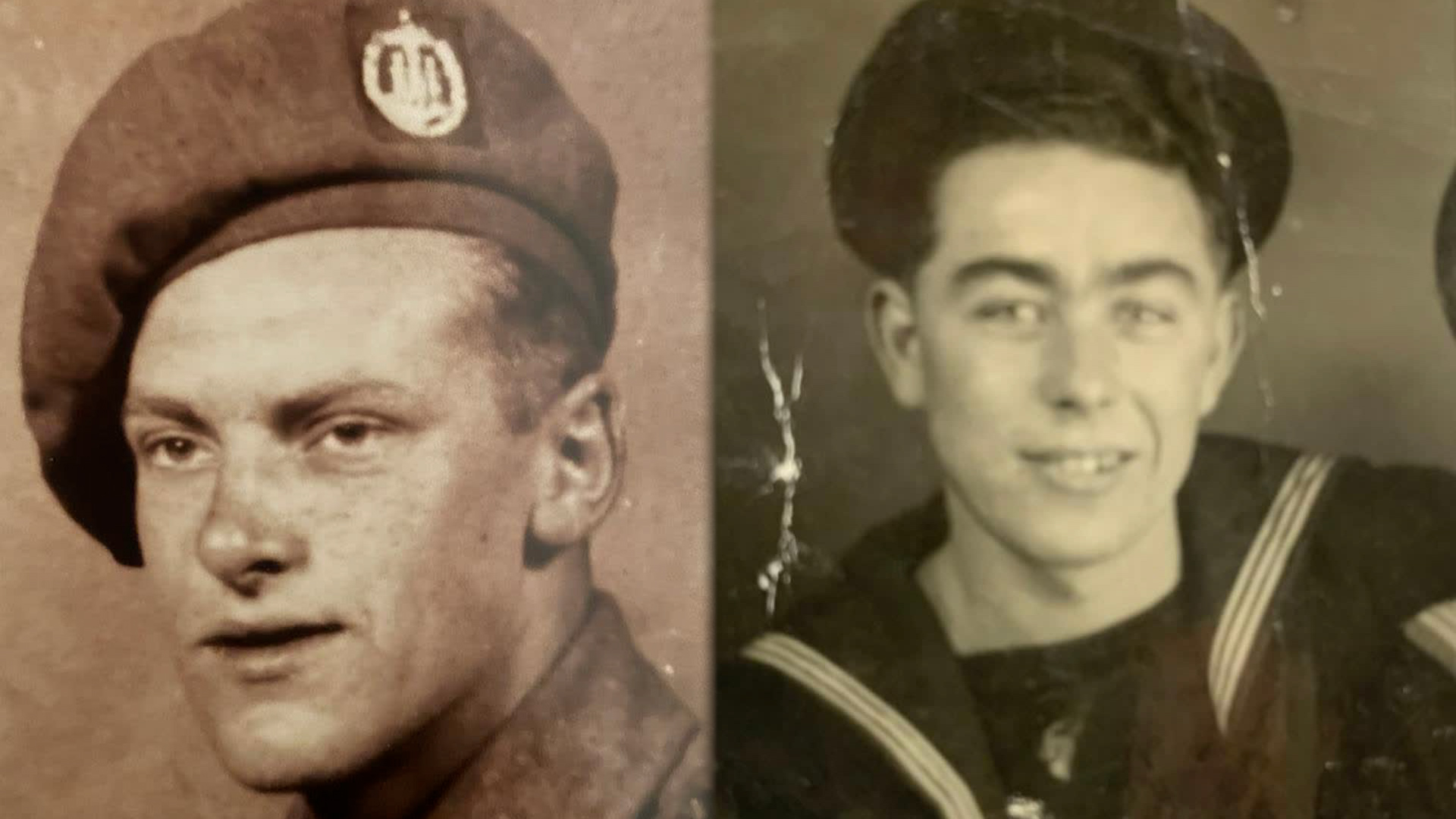
As the Russians approached, the prisoners were marched to a new location, about 1,000 miles away, during which many of them died.
During the three-month march, Mr Hay said he once "lay down to die" after it became too painful to continue, but two friends turned back for him and lifted him with an "arm around each shoulder".
Eventually, they were liberated by US troops and Mr Hay returned to the UK, via Reims, on 4 May 1945.
Recalling the moment he made it back to his mother's house in Barking, he said: "They came running down the road to greet me.
"They were having breakfast. I'd had breakfast with the Army, so I just had a cup of tea with them and we all went off to mass.
"I'm a Catholic and we all went off to mass and I was home in time for VE Day on 8 May."
After the war, Mr Hay was appointed an MBE for services to the community and received the Legion d'Honneur, France's highest order of merit.
Join Our Newsletter