D-Day weather files unearthed: Documents reveal how forecasts helped secure Allied victory

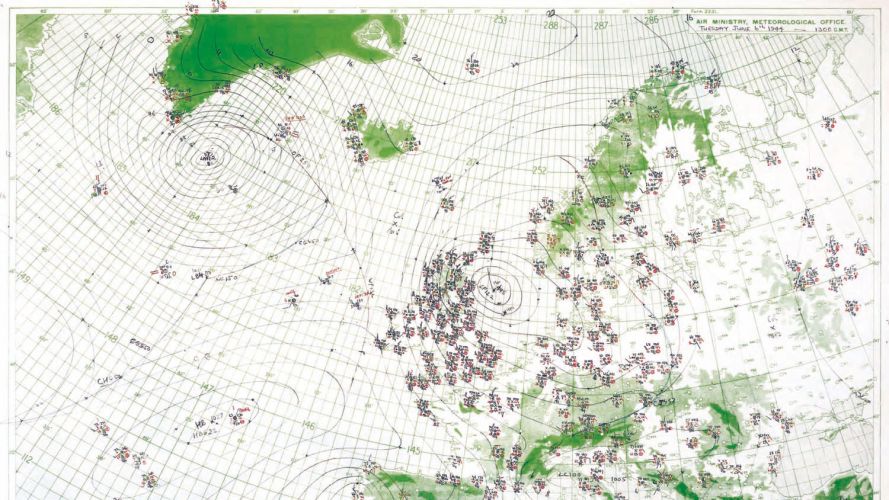
!["[The documents] demonstrate how critical environmental intelligence was to military decision-making during WW2" Lt Cdr David Gayle OiC HMTU (Picture: MOD)](/sites/default/files/styles/full_size_gallery_image/public/100926-D-Day-weather-documents-discovered-2-CREDIT-MOD.jpg?itok=lg36Sx1B "\"[The documents] demonstrate how critical environmental intelligence was to military decision-making during WW2\" Lt Cdr David Gayle OiC HMTU (Picture: MOD)")
!["[The documents] demonstrate how critical environmental intelligence was to military decision-making during WW2" Lt Cdr David Gayle OiC HMTU (Picture: MOD)](/sites/default/files/styles/gallery_thumbnail/public/100926-D-Day-weather-documents-discovered-2-CREDIT-MOD.jpg?itok=pNRRVhLA "\"[The documents] demonstrate how critical environmental intelligence was to military decision-making during WW2\" Lt Cdr David Gayle OiC HMTU (Picture: MOD)")
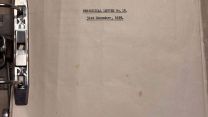
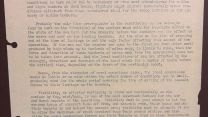
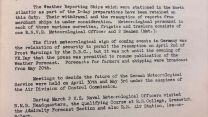
Historical documents written by Group Captain James Stagg – the chief meteorologist tasked with advising on weather conditions for Operation Neptune in 1944 – have been discovered at a Royal Navy training unit based at HMNB Devonport.
They explain how the accurate weather prediction helped select the day of the Allied invasion of France on 6 June 1944 and detail conditions experienced by assaulting forces, plus lessons and recommendations for military command, many of which still apply today.
The discovery at HMNB Devonport in Plymouth comes at the same time as the release of film Pressure, which tells the story of UK Met Office Meteorologist Group Captain Stagg and General Dwight D Eisenhower in the 72 hours before D-Day as they decide whether to launch the invasion.
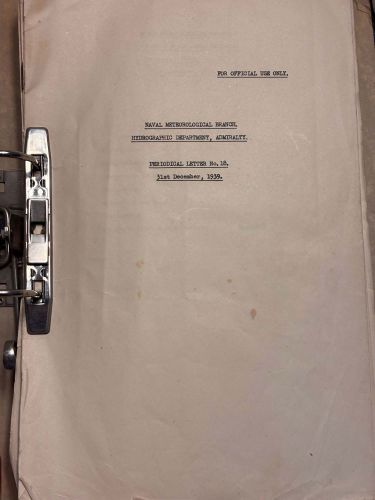
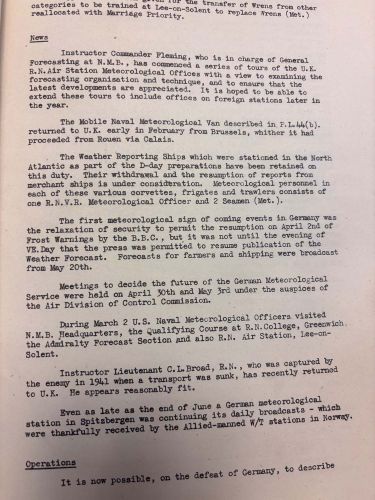
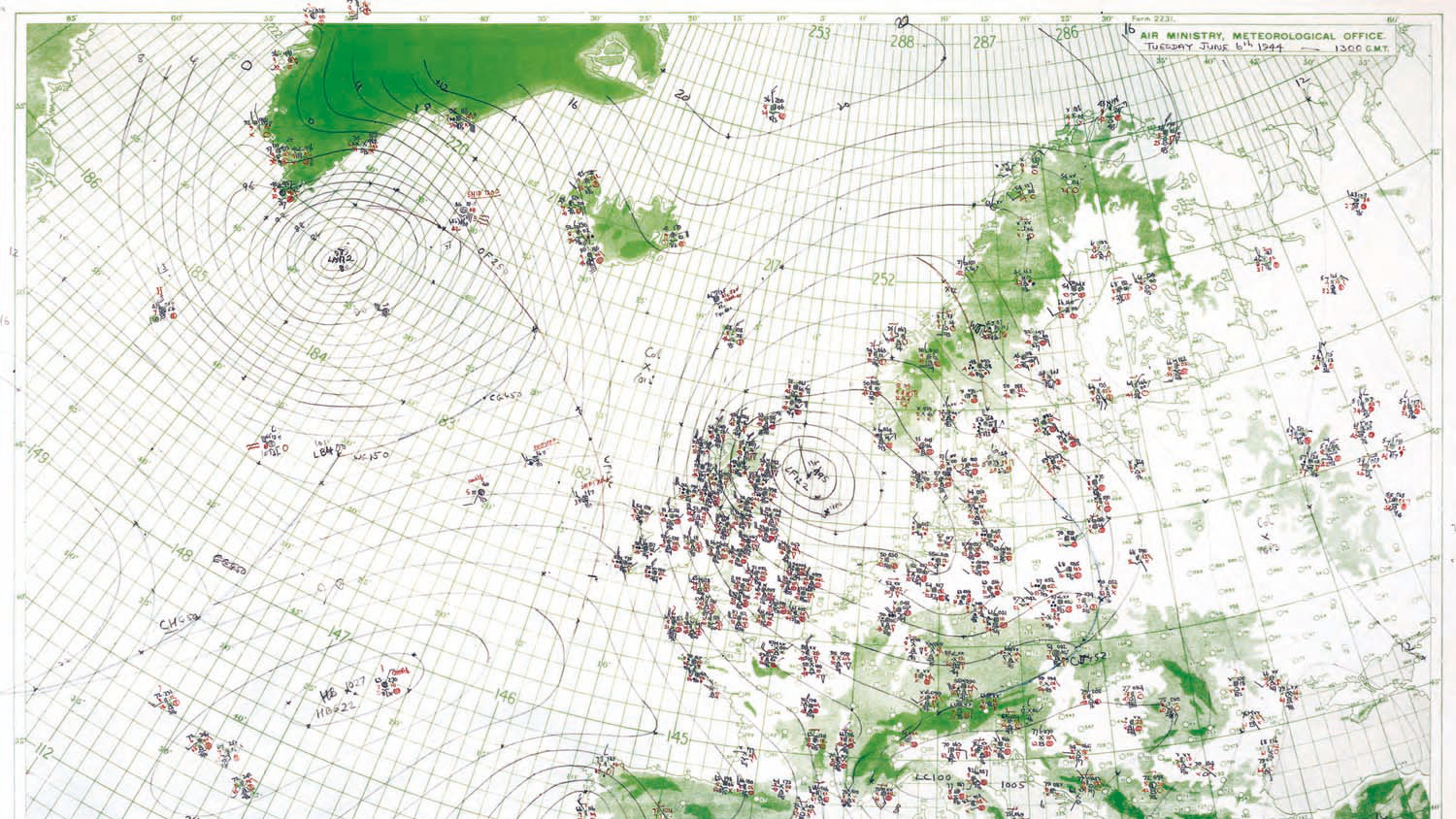
The original Second World War-era bound volumes of the Naval Meteorological Branch Periodical Letters (1939-1946) show the daily weather evaluations in the lead up to D-Day and how they influenced the date of the invasion.
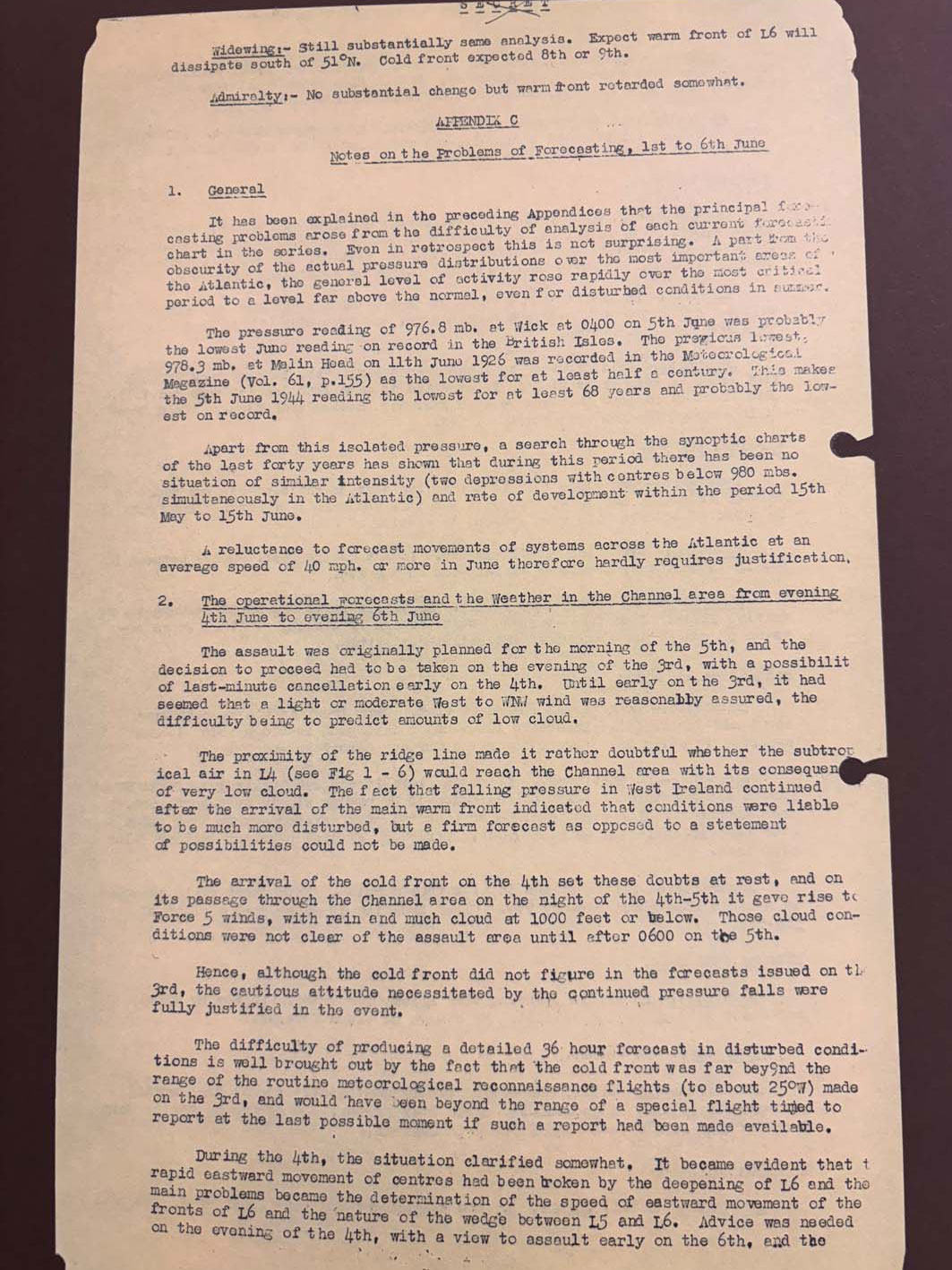
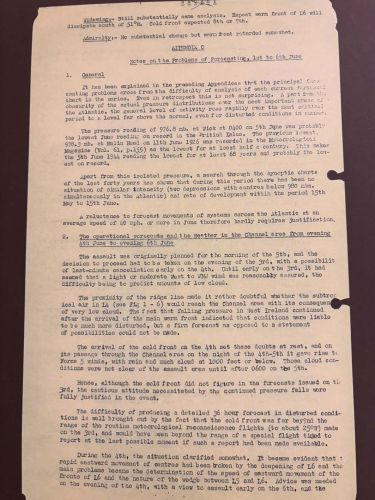
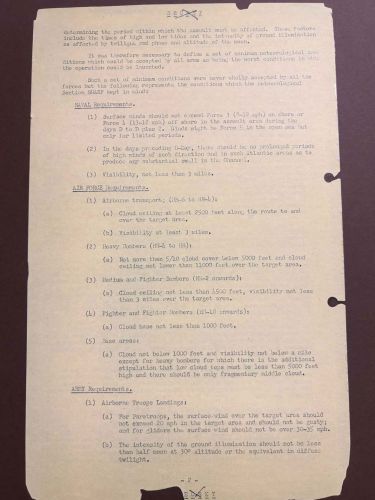
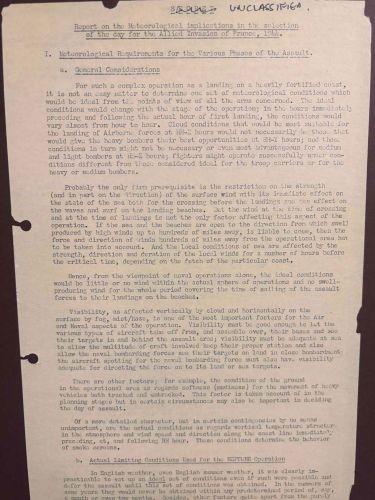
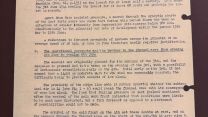
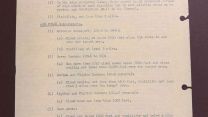
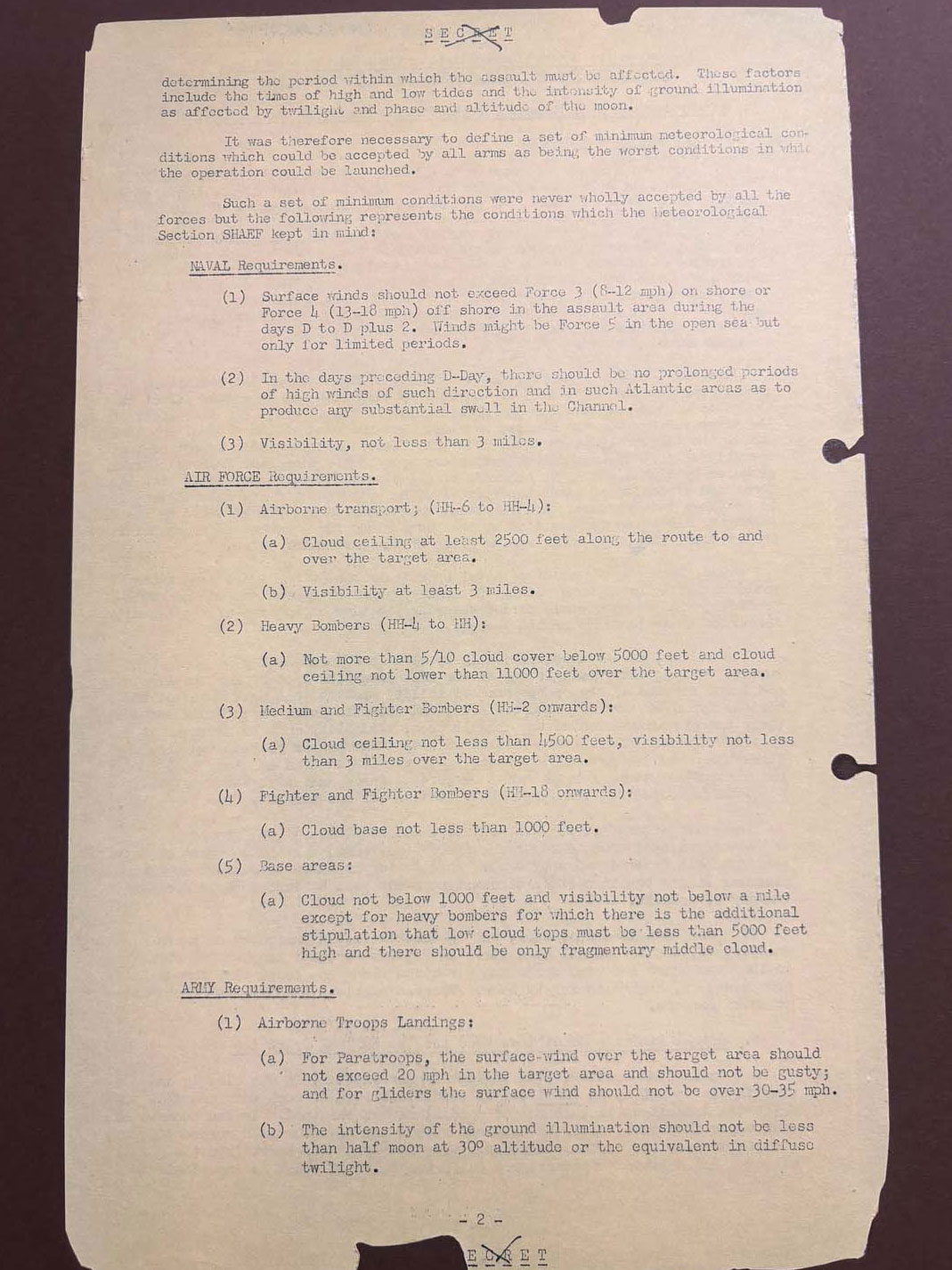
The primary discovery among the documents, which were written on 22 June 1944, is a now-declassified report showing meteorological implications for the invasion, including strict weather limits for naval, air and ground forces.
Lt Cdr David Gayle OiC Hydrographic, Meteorological and Oceanographic Training Unit (HMTU) said: "These documents provide a remarkable insight into the role meteorology played in the success of the D-Day landings.
“They demonstrate how critical environmental intelligence was to military decision-making during WW2; an enduring truth that remains relevant to all military operations today.
"What makes this discovery particularly special is that it connects the meteorological specialists of D-Day with the METOC specialists we continue to train at HMTU, preserving an important legacy of operational excellence, scientific expertise and service to UK defence."
The report contains statistical calculations proving the extreme rarity of acceptable weather conditions in June (ranging from 13-to-1 to 24-to-1 against) and details on the daily forecasting conferences held at 0630, 1730 and 2100.
The historical documents also detail the creation of the Admiralty Met Section in 1939 – a 24-hour operations division with instructor commanders, lieutenants and staff.
!["[The documents] demonstrate how critical environmental intelligence was to military decision-making during WW2" Lt Cdr David Gayle OiC HMTU (Picture: MOD)](/sites/default/files/100926-D-Day-weather-documents-discovered-2-CREDIT-MOD.jpg)
They show how the Royal Navy and meteorologists used complex statistical probabilities, early radar and scrambler telephone calls to let Supreme Command know critical weather forecasts ahead of D-Day.
The documents cover the meteorological section at Supreme Headquarters Allied Expeditionary Force in Portsmouth, led by Group Captain Stagg (played by actor Andrew Scott in Pressure) and its daily coordination with the Naval Meteorological Forecasting Centre, Air Ministry Forecasting Central and the US Forecasting Central teams.
Key historic personnel named include Supreme Commander General Eisenhower as well as Instructor Commanders CT Suthons, TA Holden, J Fleming, Instructor Lieutenant Commander P Bracelin, scientific advisor HL Wright and Instructor Commander WA Bishop.
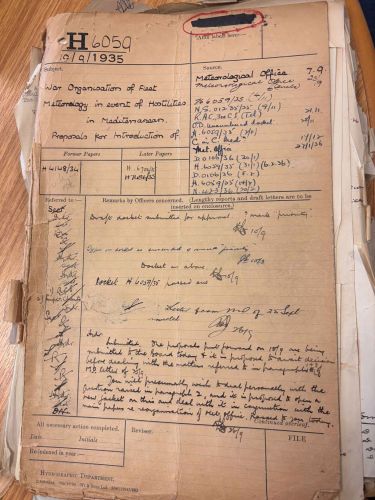
Other reports included in the original official files and later lever-arch binders are Naval Meteorological Branch Periodical Letters (1939-1946), Naval Weather Service Newsletters (1960-1970), internal Admiralty documents describing the creation of a 24-hour met section in the Operations Division, a declassified file detailing meteorological war plans in the Mediterranean dated 1935 and light-hearted historical material such as a 1943 Punch magazine extract titled The Met Man.
Related topics
Join Our Newsletter