Pressure and the wrath of nature: How the weather became the enemy in D‑Day planning

Every modern soldier, sailor or aviator knows that Mother Nature can sometimes be the enemy.
The film Pressure, starring Andrew Scott and Brendan Fraser as Group Captain James Stagg and General Dwight D Eisenhower, highlights just that, revealing how important weather forecasting was during the tense 72 hours before D-Day.
Extreme weather conditions can, among other things, ground drones, force ships to be diverted and lead to cancelled training.
For military personnel, the weather isn't just something that makes civilians bring their washing in – it can be a powerful force that you must understand to complete the mission.
More than eight decades ago, weather intelligence was just as vital for planning operations during the Second World War, especially in the run-up to D-Day.
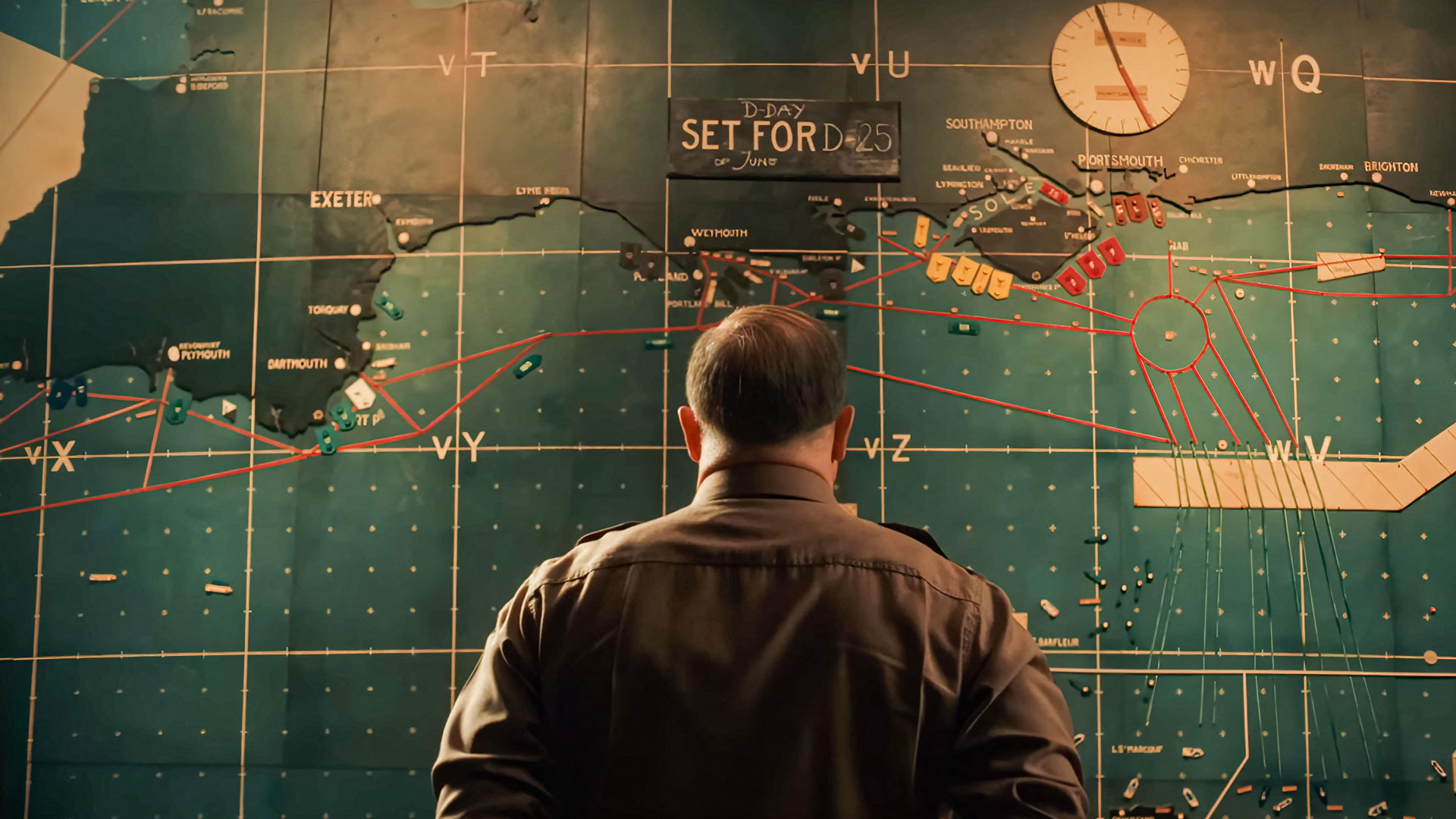
As seen in Pressure, Stagg and Eisenhower were faced with a difficult choice – launch the most ambitious amphibious invasion in history or risk losing the war altogether.
The decision was made based on the precise weather forecasts provided by a team of meteorologists, led by Group Captain Stagg, the chief meteorologist tasked with advising on weather conditions for Operation Neptune in 1944.
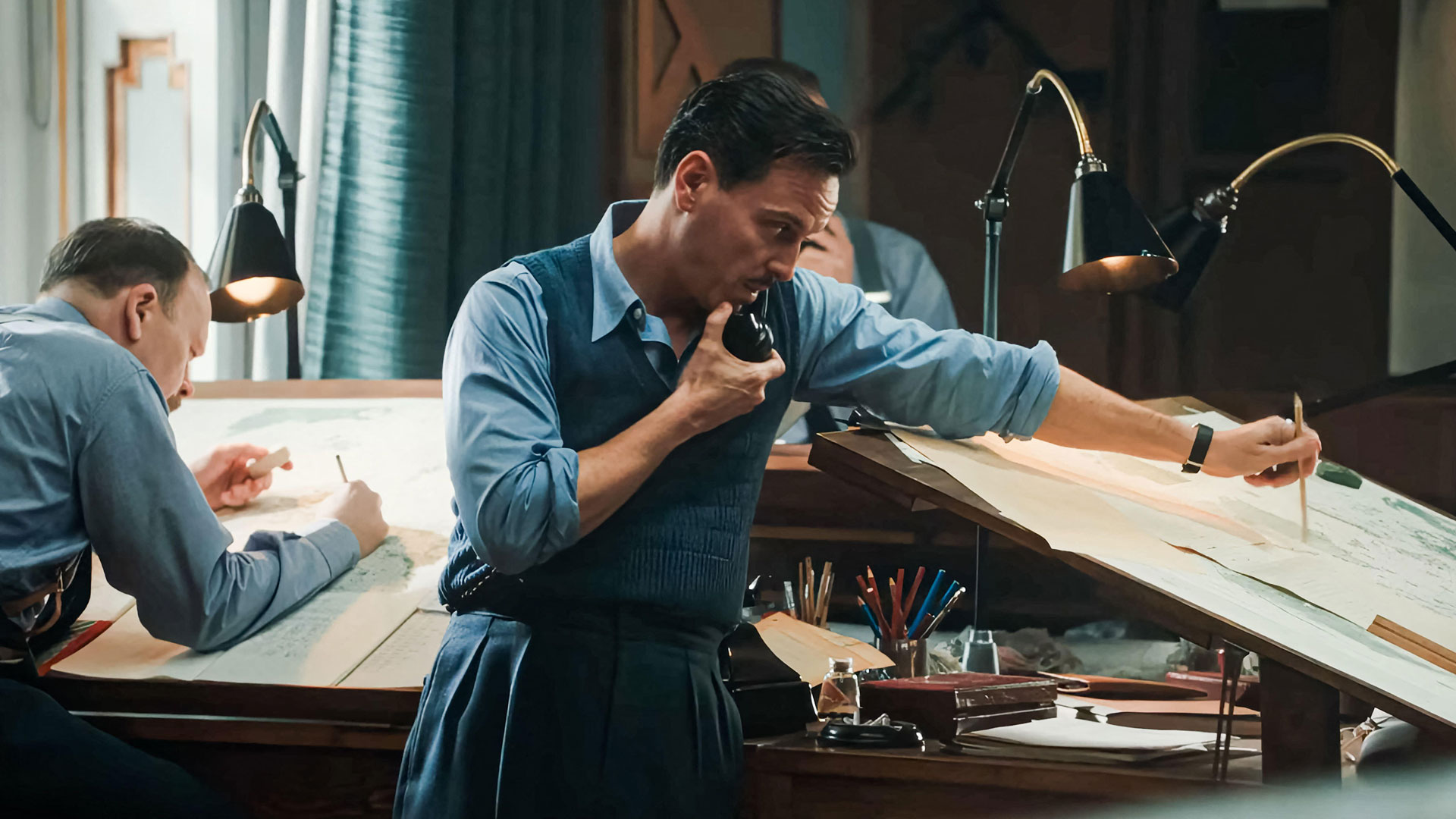
BFBS Radio's Karl Lambert spoke with Dr Catherine Ross, the library and archive manager at the Met Office, who reveals the remarkable true story behind the D-Day forecast in the video above.
Using original hand-drawn weather charts from the days before D-Day, along with Stagg's personal diary and meteorological equipment used during the Second World War, Dr Ross explains how weather forecasting played a crucial role in the success of Operation Neptune and Operation Overlord.
Pressure will be showing at BFBS Cinemas.
Related topics
Join Our Newsletter