Spiritual godfather of SAS was war hero who helped topple a PM - so why don't we know his name?

Why is it that a man who became a national hero after one of the First World War's most daring naval operations and was the first Director of Combined Operations isn't a household name?
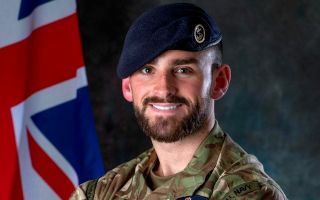
Admiral of the Fleet Sir Roger Keyes embraced new technology and was so famous that Hollywood stars wanted their photo with him but, as Dr Michael Keegan explained to BFBS Forces News, he had a "Marmite personality".
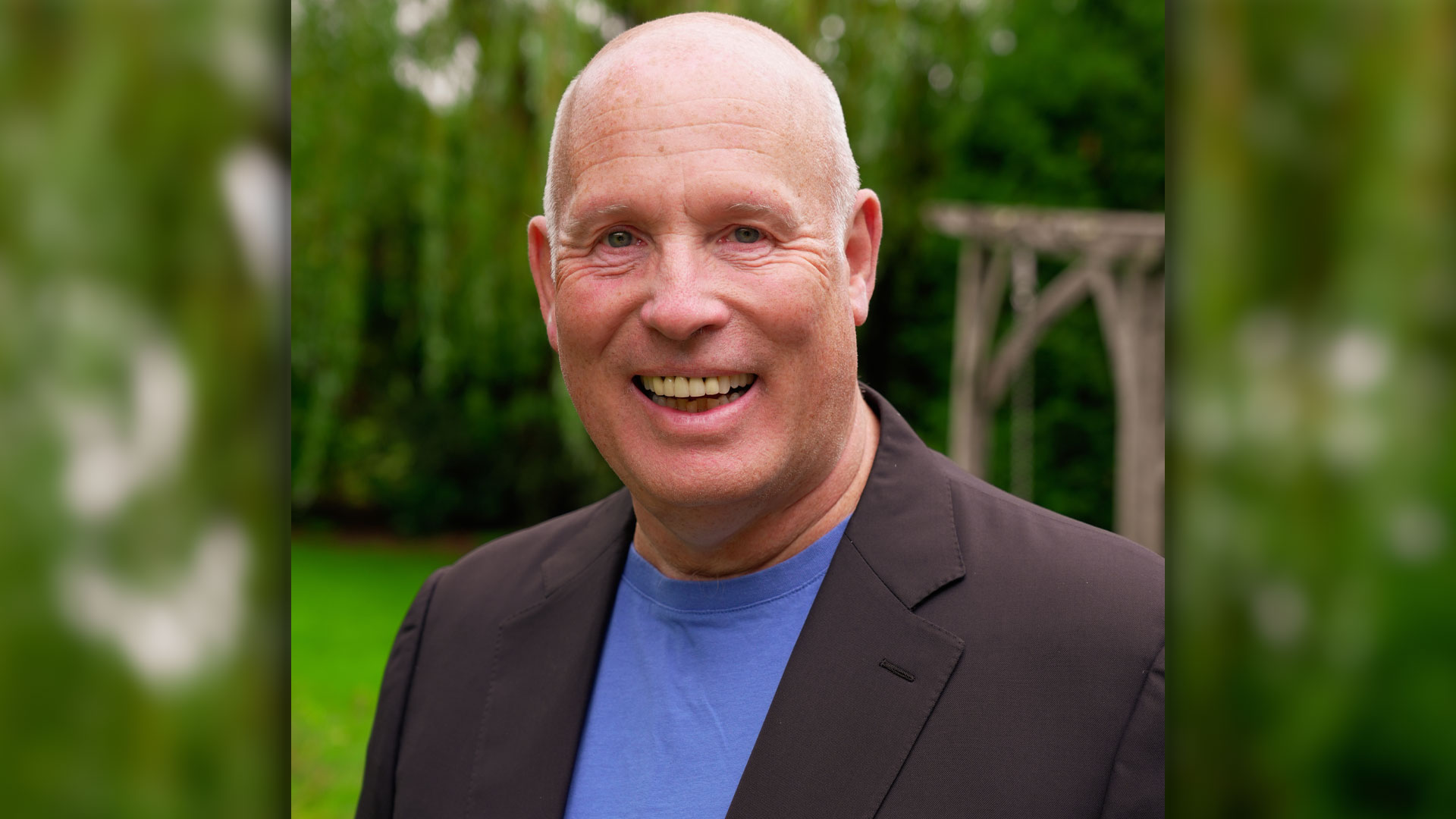
In his new "warts-and-all" book, In The Cannon's Mouth, Dr Keegan reveals why a man who was at the centre of some extraordinary moments in British military and political history has largely been forgotten.
The raid that made a legend
In the First World War, the then Vice Admiral Keyes became a legend thanks to his leadership of the Zeebrugge and Ostend raids on 23 April 1918.
Britain's reliance on imported goods, food and raw materials combined with the German Imperial Navy's 1917/18 fierce U-boat campaign saw Britain coming to within six weeks of starving to death.
ADMF Sir Roger was a man who believed in taking the war to the enemy and, as head of the Submarine Service, he had turned the underwater vessels from passive coastal defenders into aggressive hunters.
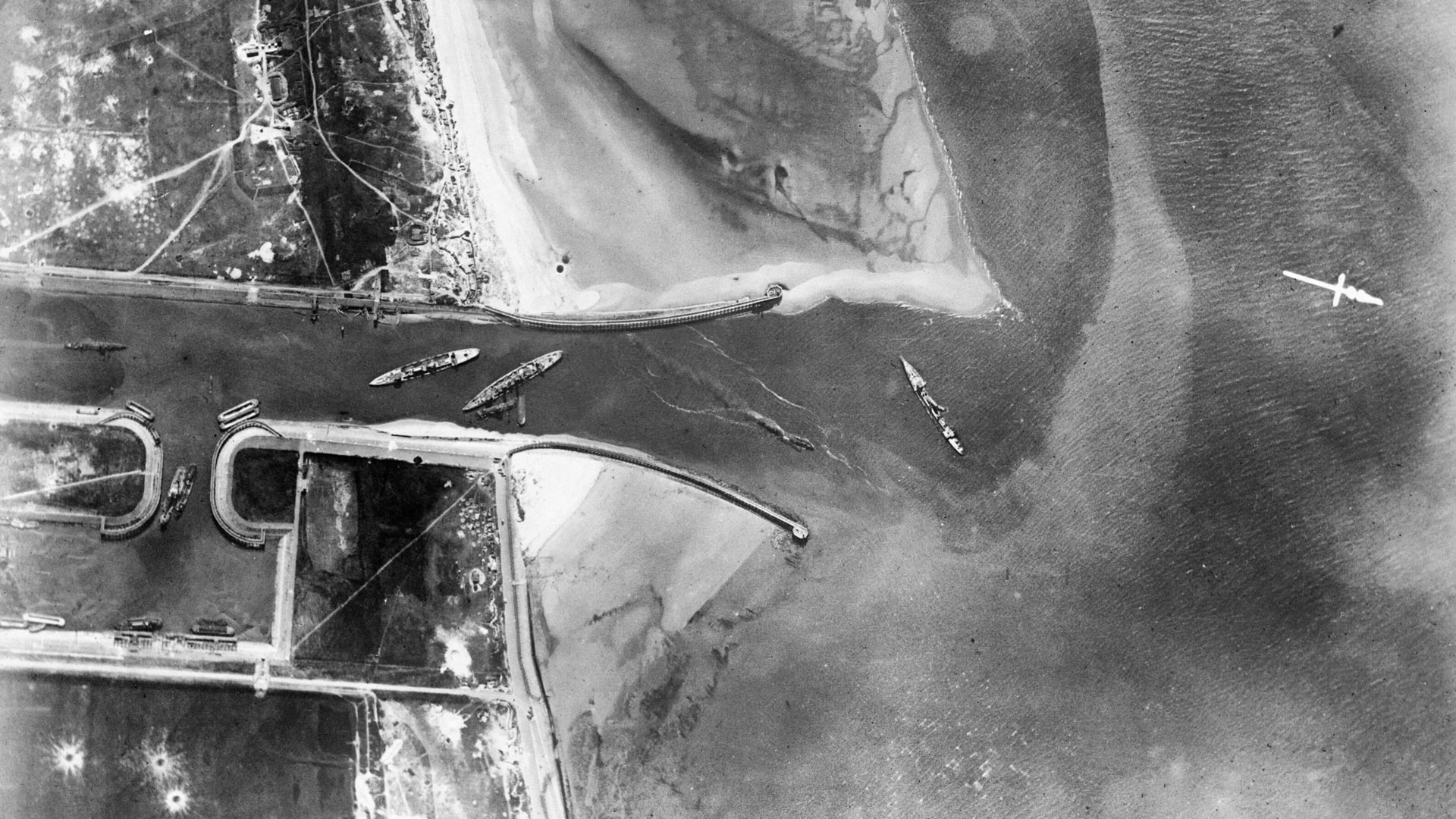
The vice admiral's plan was to prevent enemy U-boats from leaving the naval base of Bruges where they were based – that meant attacking the ports of Zeebrugge and Ostend to sink block ships in a crisscross pattern across the entrance to the Bruges Canal.
The mission at Zeebrugge began by distracting the enemy with a smokescreen as HMS Vindictive landed on a breakwater known as the Mole.
However, four minutes before the operation was due to start at midnight, the wind changed direction, leaving the assaulting force exposed to point-blank enemy coastal artillery.
But the diversion at Zeebrugge worked and an old submarine packed with explosives was positioned underneath the viaduct and the block ships were sunk.
Described by Dr Keegan as "Nelsonian in boldness", eight Victoria Crosses were awarded for actions at Zeebrugge with a further three for a similar and yet unsuccessful assault at Ostend – the most awarded for naval military action in military history, equal only to the Battle of Rorke's Drift during the Anglo-Zulu War in January 1879.
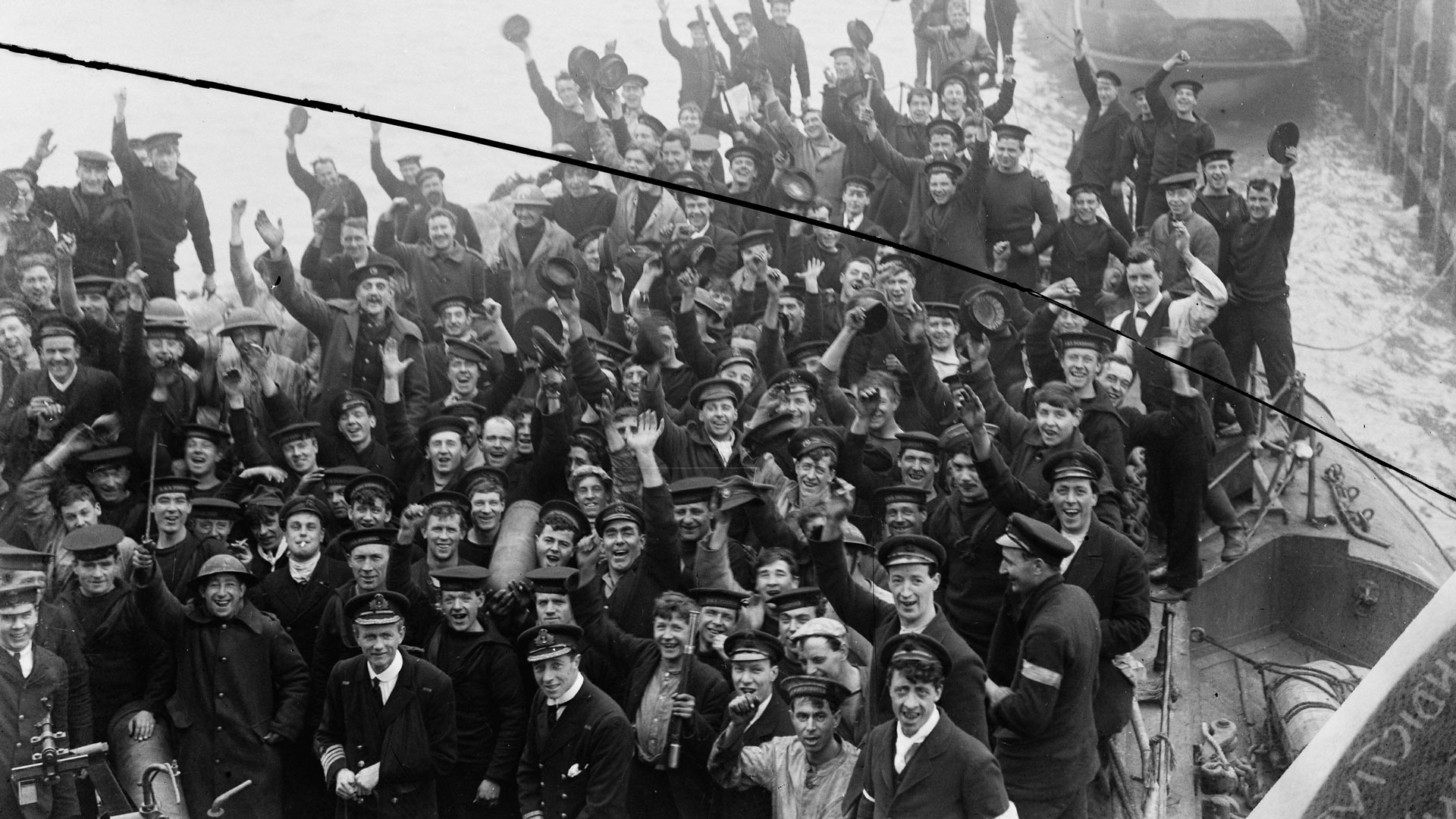
Leading from the front, ADMF Sir Roger never asked his men to do anything he wasn't prepared to do – even at 68 he would be found up to his neck in freezing cold water at 4 o'clock in the morning in Inveraray, while commandos trained.
And so, when he was to be knighted for the raids, he delayed the investiture to pressure the Admiralty to grant Victoria Cross nominations for his men.
Dr Keegan believes the Zeebrugge and Ostend raids not only transformed ADMF Sir Roger into a national hero but were also the model for the St Nazaire Raid 24 years later, considered by many to be "the greatest raid of all".
The early adopter: submarines, aviation and new media
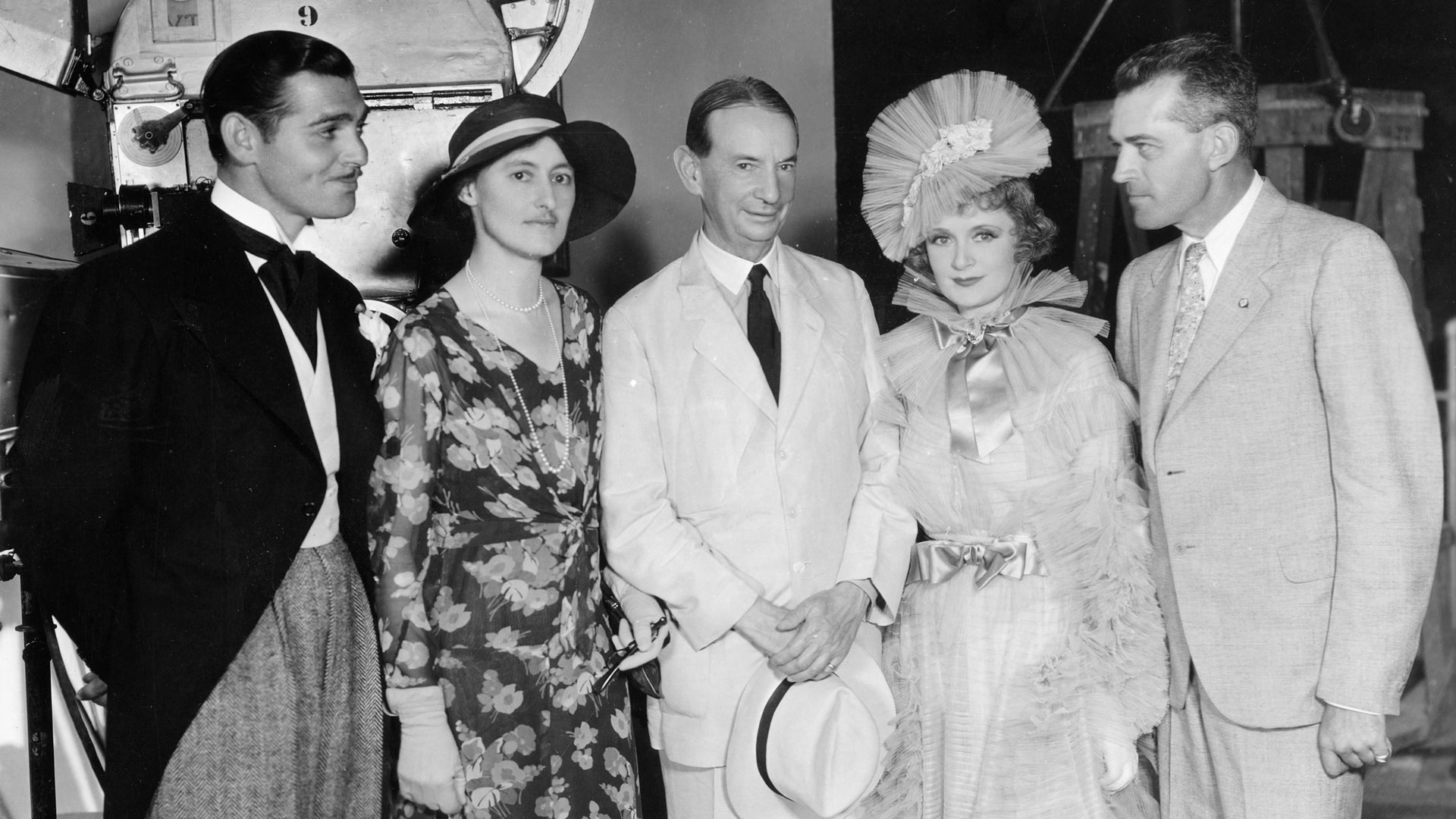
By the 1930s, the newly promoted Admiral of the Fleet Sir Roger was seriously famous and, according to Dr Keegan, blissfully unaware, with Hollywood stars such as Jean Harlow, Marlene Dietrich and Clark Gable – the Zendaya, Tom Holland and Inde Navarrette of the inter-war era – keen to get their photo with the Royal Navy veteran.
An early embracer of naval aviation, ADMF Sir Roger was also very adept at using all communication methods available to him to express his frustrations with Prime Minister Neville Chamberlain's appeasement towards Nazi Germany in the 1930s.
He said: "He uses the power of radio, the power of mass circulation newspapers... to really drive home the message that... the Germans are rearming and they're going to take by force what they can't get through negotiation, and that if we don't do something about it, they're going to drag the whole of Europe into a dreadful and terrible war."
Removing a Prime Minister
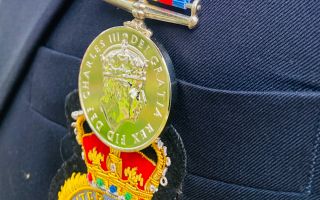
Determined to prove that the British military had lost the confidence in the government to run the war, ADMF Sir Roger, now a Conservative MP, turned up to the House of Commons for the Norway Debate in May 1940 in the full dress uniform of a British Admiral of the Fleet with all of his medals – of which there were six rows – and a dress sword.
And that isn't all he came with – he was armed with knowledge so shocking that Labour MP Harold Nicolson later noted in his diary there had been "a great gasp of astonishment" in the House of Commons.
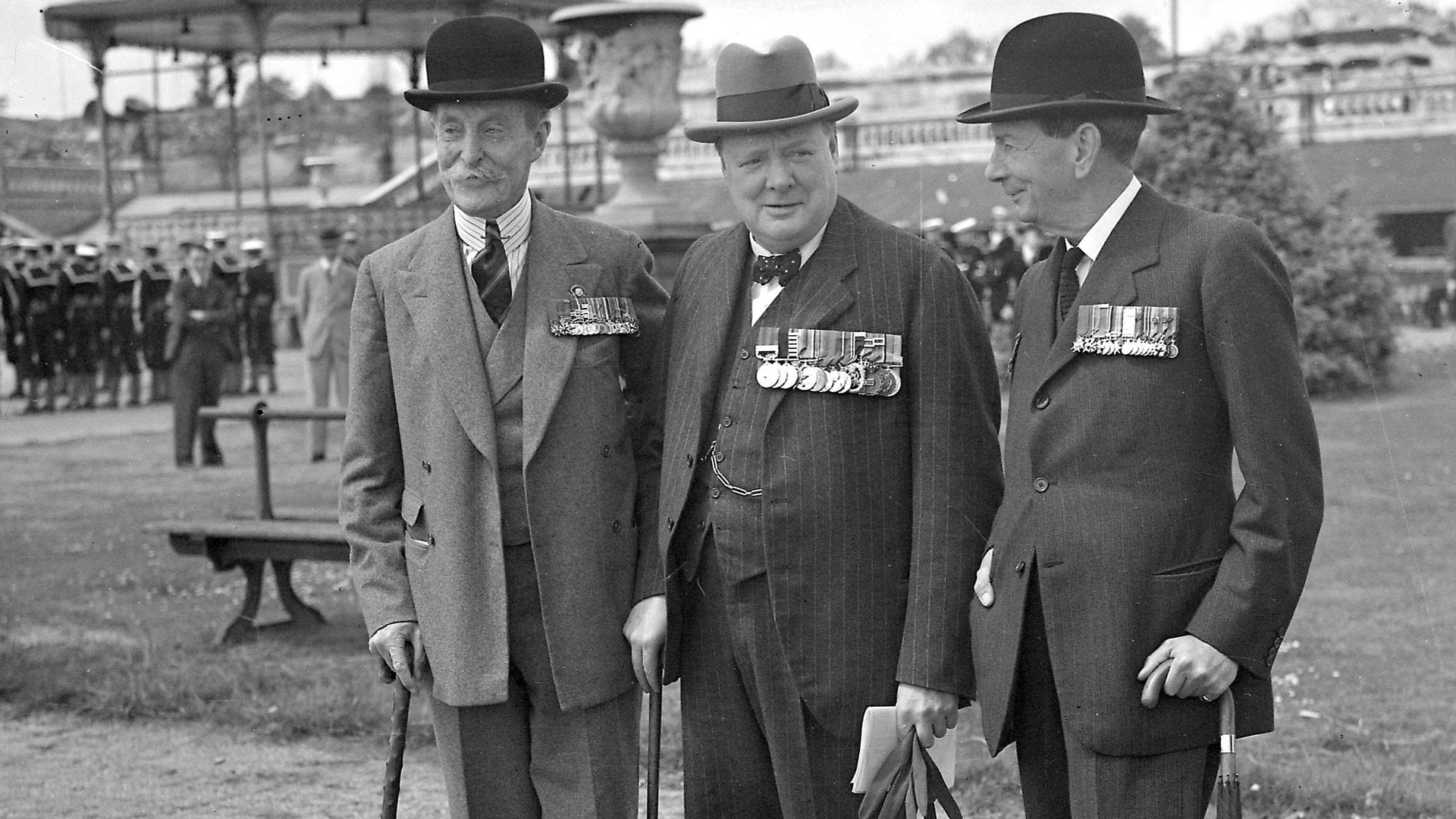
Lieutenant General Carton de Wiart, who led the northern Allied land force to recapture Trondheim, a naval base vital to Nazi Germany, had told ADMF Sir Roger he was never informed that the War Cabinet had cancelled the plan to seize the port by naval force.
The breakdown in communication contributed to the operation's failure and the retreat of his men, who were met by two German destroyers.
Furious with the Admiralty and Neville Chamberlain, ADMF Sir Roger's speech explaining this prompted a thunderous applause from the House of Commons.
As Dr Keegan said: "He completely changes that debate... to something that is terminal for Neville Chamberlain and leads to his eviction from office 48 hours later."
"Spiritual godfather" of Special Forces
At the outbreak of the Second World War, ADMF Sir Roger was in his late sixties and desperate to get involved, having described himself, Dr Keegan said, as too young and too inexperienced in the First World War and too old and too bold in the Second.
Churchill thought otherwise, describing him as a "brilliant officer with more knowledge of and feeling for war than almost any other naval officer I have met", and made him the first Director of Combined Operations in July 1940.
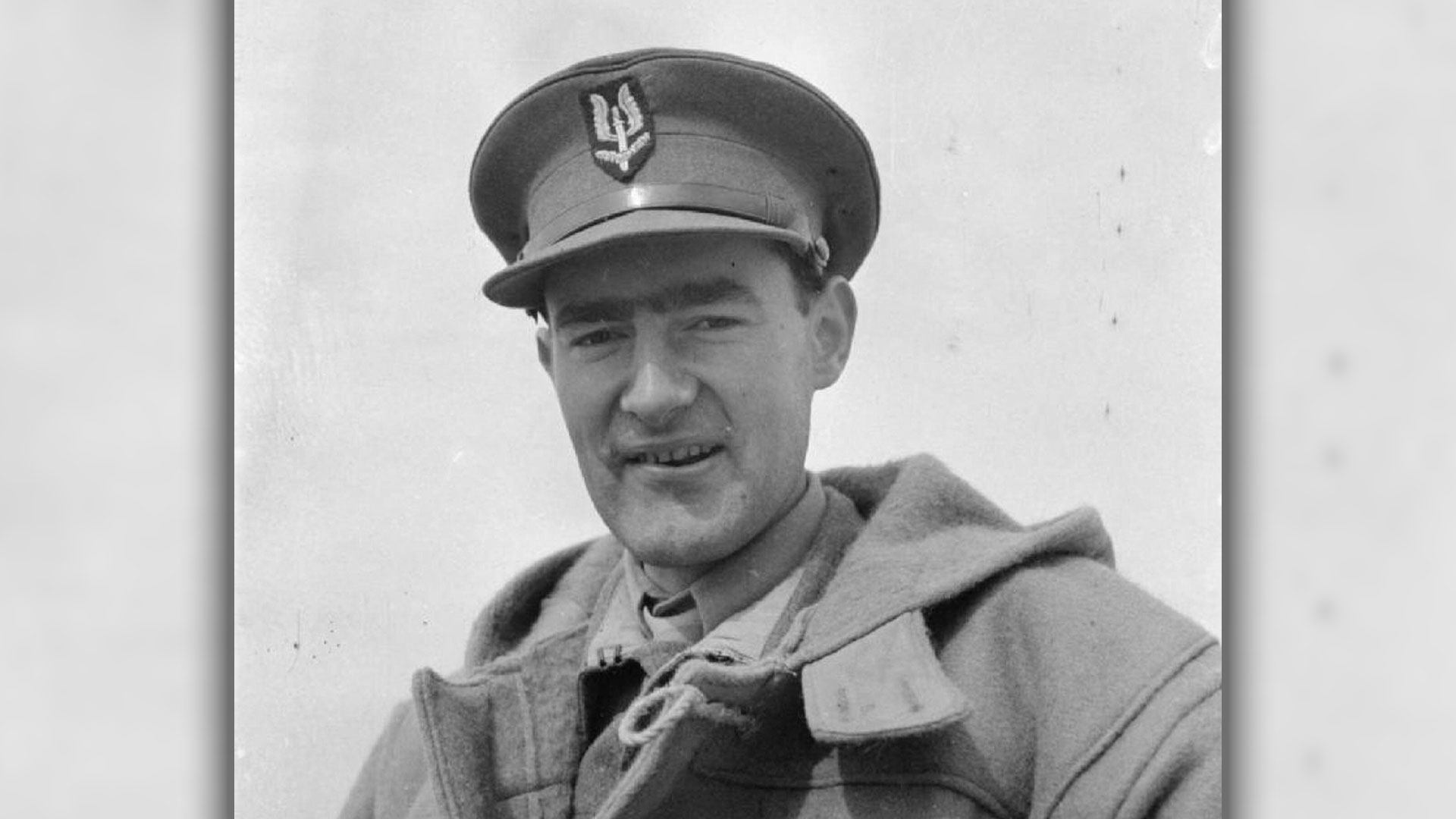
Created after the Allied evacuation from Dunkirk, Combined Operations was designed to join all three branches of the military to terrorise Hitler's coastal defences and boost British morale by striking back.
Dr Keegan describes ADMF Sir Roger as the "spiritual Godfather" of Special Forces as two commandos who served under him were Lieutenant Colonel David Stirling and Major Roger Courtney, the men who founded the SAS and the SBS respectively.
When ADMF Sir Roger is replaced by Brigadier Charles Haydon in 1941, he hands him a copy of his memoir in which he had written: "He most prevails who nobly dares" – eerily similar to "Who dares wins", the motto of the SAS.
Britain's forgotten naval hero
Dr Keegan believes ADMF Sir Roger isn't better known today because his Marmite personality made powerful enemies, so he was often overlooked when Second World War figures later wrote their memoirs.
Exposed to carcinogenic smoke aboard USS Appalachian during the US invasion of the Philippines in October 1944, ADMF Sir Roger died of cardiac asthma and heart failure in December 1945 and was given a state funeral at Westminster Abbey.
A First World War hero, he helped shape the spirit of today's special forces, warned of the dangers of appeasing dictators and helped bring Winston Churchill to power and so, as Dr Keegan says: "We need to put him back where he should be in our national story of Britain at war in the first half of the 20th century."
Related topics
Join Our Newsletter