The story of the poppy: How a single flower came to define British remembrance
Remembering those who gave their lives for us in conflict is as important now as it has ever been.
Now, Remembrance Day and Remembrance Sunday have become an important part of British culture and heritage, with events taking place across the country to mark them.
The latter falls on 9 November this year. It's the official day that the nation takes time to reflect on all the servicemen and women killed in conflict.
The two-minute silence, meanwhile, takes place at the 11th hour of the 11th day of the 11th month, marking the end of the First World War.
- Chelsea release new limited-edition poppy pre-match top to coincide with Remembrance
- Remembrance Day: Why we wear poppies and other ways to show remembrance
- Symbols of Remembrance: Different colour poppies and what each one means
And, of course, in the weeks leading up to Remembrance Sunday, people wear poppies to commemorate the dead.
But why the poppy?
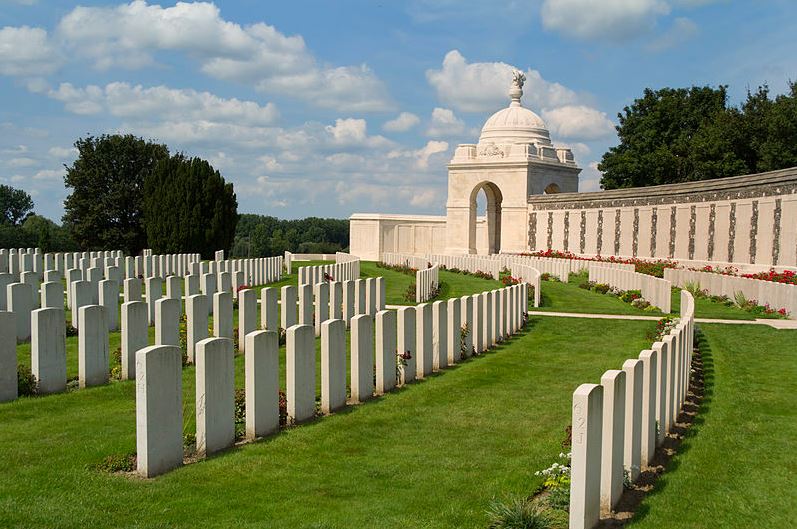
Much of the fighting in the First World War took place in the once peaceful and beautiful countryside of western Europe.
Landscapes, villages and lives were destroyed – torn to pieces by the shelling which took place over the four years of conflict.
The once beautiful countryside was transformed into bleak and barren fields of mud where no sign of life could be found.
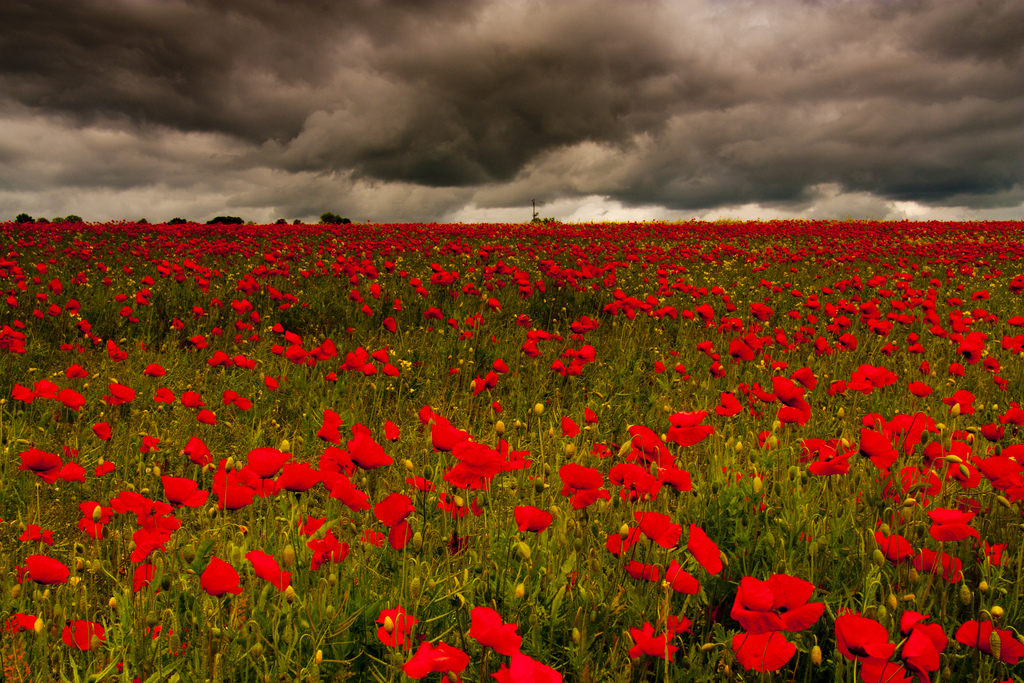
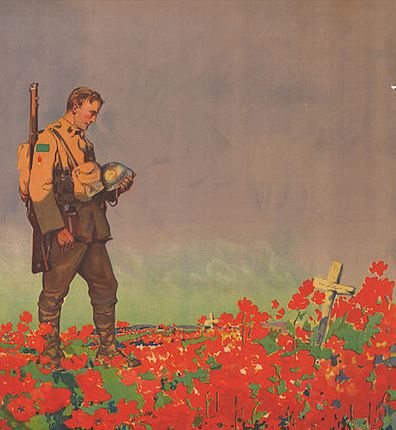
But it was in one such seemingly lifeless field that bright red "Flanders" poppies, surprisingly resilient for their delicate appearance, began to grow.
Struck by this sight, Canadian Doctor Lt Col John McCrea, wrote of what he saw, giving rise to the poem now read at almost every remembrance service in the country: "In Flanders Fields".
Inspired by the poem, American academic Moina Michael, began to make and sell red silk poppies to commemorate those who had died in the war.
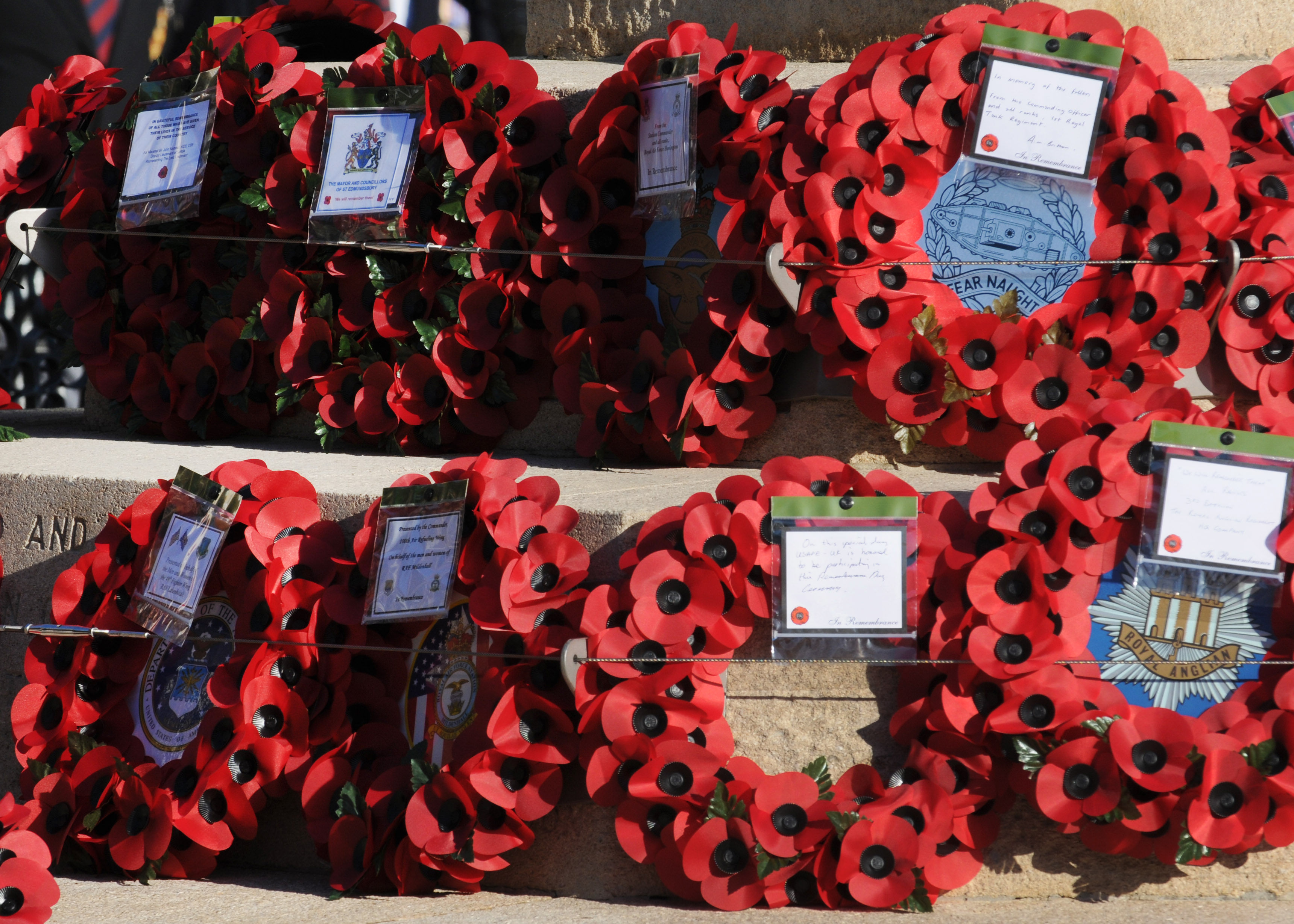
Then, in 1921, the British Legion formed, and ordered nine million poppies to be sold on 11 November that year to help veterans' causes.
Unsurprisingly, the poppies sold out immediately, raising more than £106,000 for the charity.
The following year, a factory employing disabled ex-servicemen was set up, and from there the poppies were put into full production.
Today, the poppy remains the symbol of remembrance, with the British Legion's Poppy Appeal continuing to raise millions to help veterans and current servicemen and women across the UK.
Related topics
Join Our Newsletter