Crewed and uncrewed warships working together on Nato submarine-hunting exercise
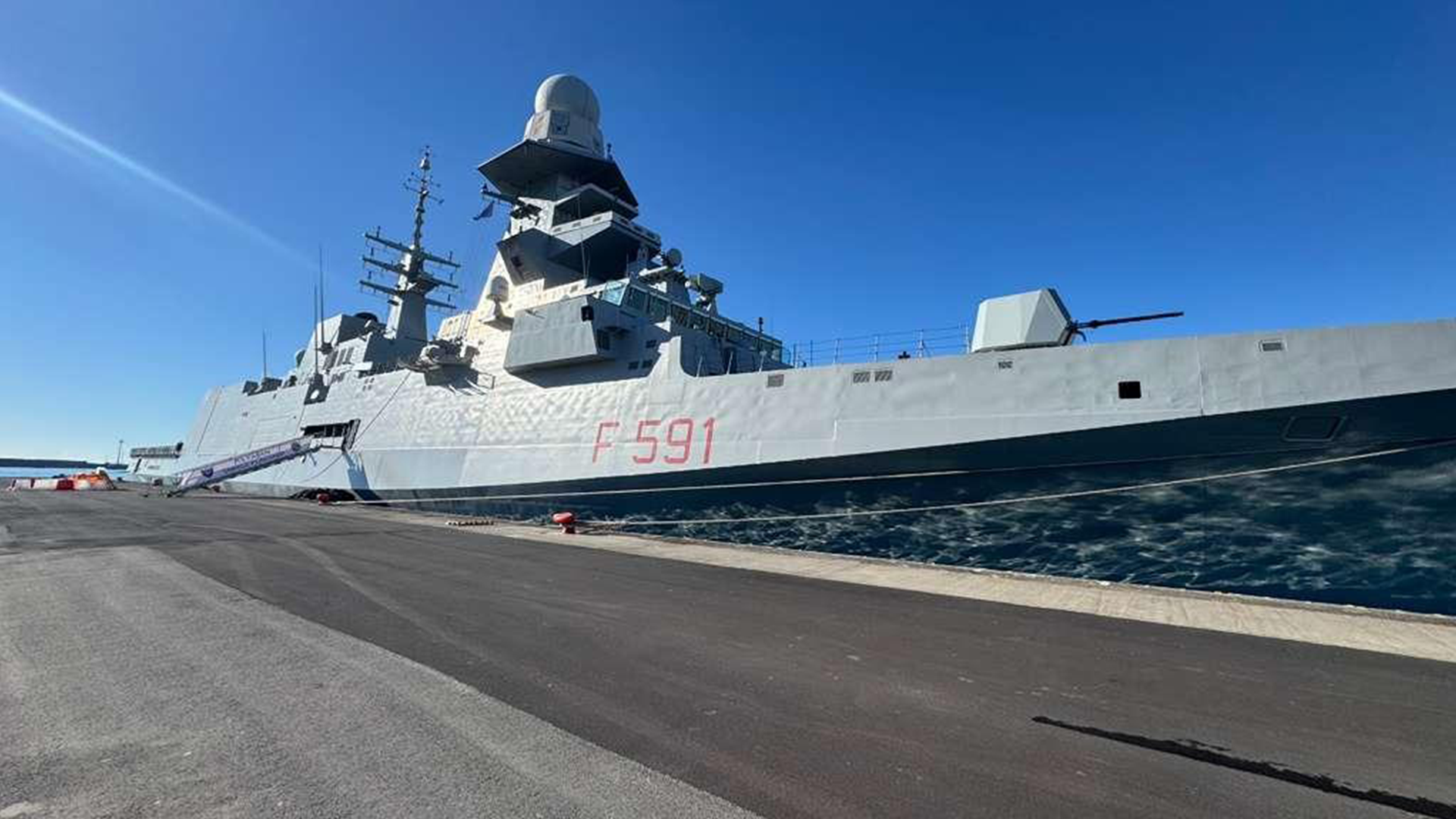
Nato is integrating uncrewed surface vessels into Exercise Dynamic Manta, its annual anti-submarine warfare drill, as Allied navies test how autonomous systems can work alongside submarines, ships and aircraft in an undersea fight.
Exercise Dynamic Manta runs until 6 March in the Mediterranean Sea and involves forces from 10 Nato allies.
The exercise brings together submarines, maritime patrol aircraft, helicopters and surface ships from Canada, France, Germany, Greece, Italy, Portugal, Spain, Turkey, the United Kingdom and the United States.
- Flying rovers and sea drones: The innovative tech shaping the war in Ukraine
- Atlantic Bastion: New undersea warfare technology to counter threat from Russia
- Invisible Frontline: The undersea infrastructure that keeps Britain working
Standing Nato Maritime Group Two will play a central role in the exercise, providing maritime command and control, and coordinating multinational surface forces, submarines and air assets.
The group is one of Nato's four standing maritime forces: a rotating package of allied warships that maintains continuous readiness in peacetime, crisis and conflict, and can be moved quickly to support operations and reassurance tasks.
Key to this years exercise is the integration of crewed and uncrewed vessels.
The high-end submarine-hunting exercise comes as the UK pushes its own "hybrid" maritime approach.
The UK's Atlantic Bastion combines autonomous systems and AI with warships and aircraft to help protect undersea cables and pipelines in the North Atlantic.
The programme is a response to a 30% increase of Russian underwater activity in UK's waters, including the Yantar, a vessel understood to be mapping undersea cables in conjunction with submarines.
Related topics
Join Our Newsletter