The Defence Investment Plan: Who should get what – and what could be sidelined?

With the long-delayed Defence Investment Plan (DIP) due to be published before the next Nato summit, last week's episode of the BFBS Sitrep podcast spoke to a defence expert to explain how the plan is expected to shape the future of all branches of the Armed Forces.
From sixth-generation fighter aircraft and nuclear-powered attack submarines to AI-enabled targeting systems, all three services have now been competing for resources and lobbying for their respective programmes for over a year.
Hosted by Professor Michael Clarke and Kate Gerbeau, the episode featured Matthew Savill, director of military sciences at the Royal United Services Institute and a former senior policy official at the Ministry of Defence, who offered his insights on what should be at the top of each of their shopping lists.
Long-awaited and long overdue
Due to be published in autumn 2025, the DIP explains how new equipment and defence infrastructure will be funded over the next 10 years and informs the wide-ranging Strategic Defence Review (SDR) that was published that same year.
As Mr Savill simply put it: "A menu of options, if you like, that the review authors thought the Armed Forces should be doing to be transformed to meet the demands of future warfare."
He added that the investment plan is the element that makes the SDR strategic, as it provides the resources and funding needed to deliver that approach.
However, he said there is a very little detail included in the plan in terms of costs and targets, which "does not suggest that we're in a healthy place in terms of agreement on the necessary funding".
So what could the budget allowance offer look like? Let's break down the numbers.
According to government figures, the UK's planned core defence spending for the 2025/2026 financial year is approximately £62.2bn, which accounts for roughly 2.3% of national GDP.
It is understood that the Ministry of Defence will require an additional £28bn over the next four years to meet its forecast costs. However, the final figure agreed remains the subject of an ongoing tussle between the MOD and the Treasury.
"If we're talking about a £12bn settlement - which is what the treasury initially offered - then we are definitely talking about cuts," Prof Clarke explained.
"If we're talking about an £18bn settlement, which is more than the treasury may be offering, [then] we're talking about deferrals and delays.
"If it's £15bn, then it's a mixture of cuts, deferrals and delays, and we still won't get to 2030 in good shape."
All three services are jostling for a share of this defence budget to finance their respective modernisation, capability and readiness programmes.
So what sits at the top of each service's shopping list, and what should be sidelined? Prof Clarke and Mr Savill offer their opinion service by service.
The Army
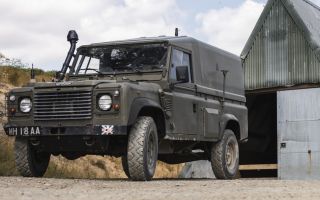
Mr Savill began by saying the Army is the service in greatest need of change as it shifts away from conventional forces to prioritise its digital warfare capabilities.
Whereas the challenge for both the Senior Service and the RAF is adapting and enhancing the systems they currently have, he argues that the Army is "stuck halfway".
"[It is] already changing what it wants to do, and really radically having to think about whether or not its concepts and equipment are fit for how it will fight in the future," he said.
"The big thing that they want to do is improve its lethality… a combination of their firepower and ability to inflict damage onto a given adversary."
The increase in lethality was intended to rise tenfold without increasing troop numbers, the Government announced last year.
And central to this approach is Project Asgard - an AI-enabled digital targeting network which can drastically reduce battlefield decision-making and strike times.
"The path they have taken [with Project Asgard] is to say we want more sensors and more cheap munitions to augment our expensive crude vehicles, so that we can spot the enemy faster, process targets faster, and then strike them more rapidly – ideally at longer range," Mr Savill said.
"What they are looking at is a combination of more sensors further forward, which will probably be uncrewed, drone-based, either ground vehicle or small flying aircraft, and then lots and lots of relatively cheap munitions, some of which will be artillery, but some of which will also be drone-like guided weapons to improve their firepower."
He added that, so far, the concept has only been tested at the brigade level.
To achieve the tenfold increase in lethality outlined in the SDR, the Army would need to significantly expand the scale and volume of its sensors and weapons.
Royal Navy
The principal challenges facing both the Royal Navy and the Royal Fleet Auxiliary (RFA), Mr Savill noted, are their shipbuilding programme and personnel shortages.
"The reality is that you cannot easily accelerate shipbuilding for big things, and if you can't train and recruit [personnel], you can't crew those big ships."
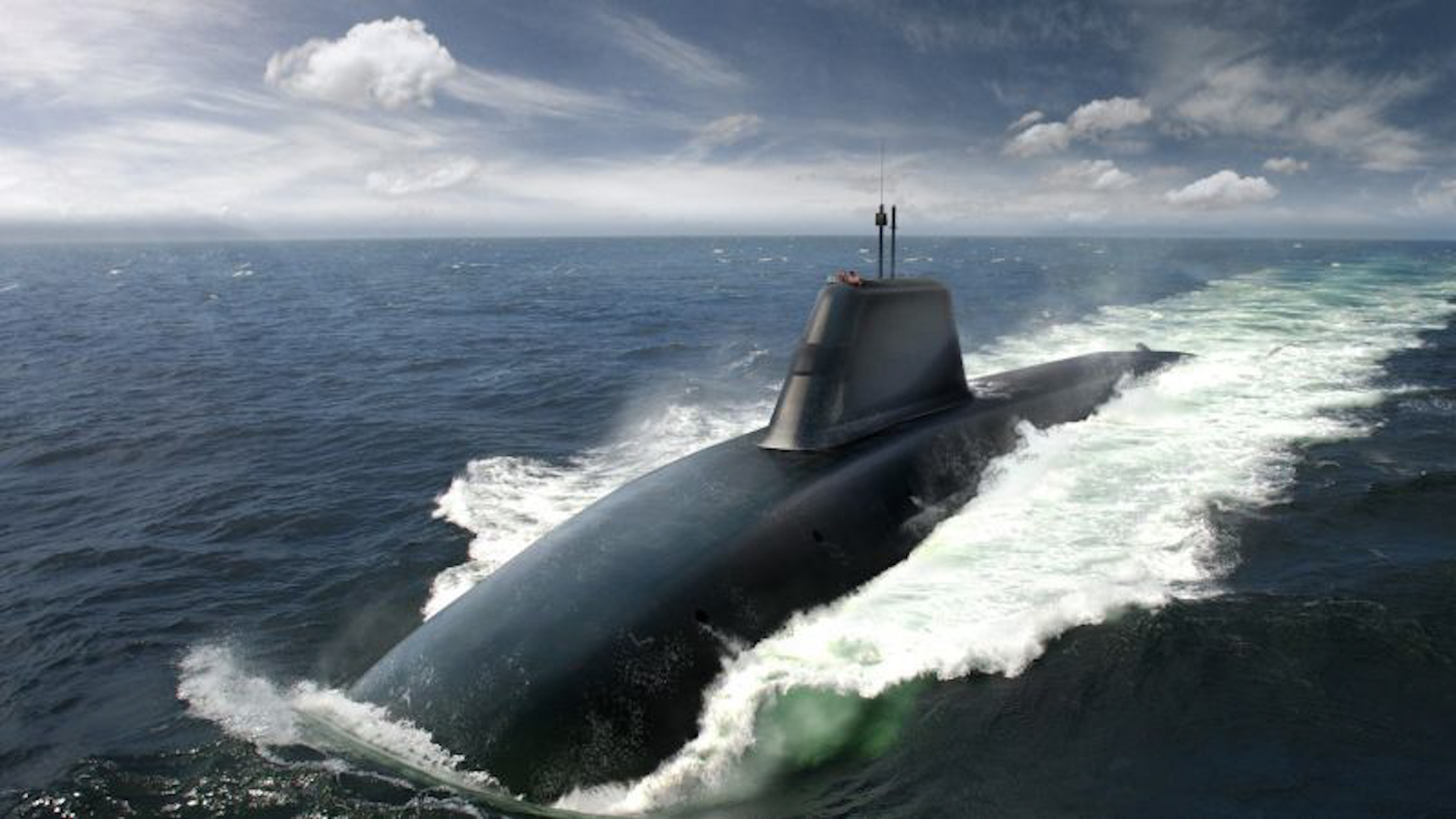
On the topic of Aukus - the trilateral security partnership between Australia, the UK and the US – both Prof Clarke and Mr Savill agreed that it should be ringfenced.
Deeply integrated within the SDR, the partnership forms the cornerstone of the UK's nuclear deterrence in the Indo-Pacific, further cemented with the construction of up to 12 new SSN-Aukus attack submarines.
While Prof Clarke acknowledged that the deal is something of a "sacred cow" and likely to grow more costly in the years ahead, he maintained that there are sound reasons for sticking with it.
Mr Savill, meanwhile, added: "The flexibility and utility you get off a nuclear-powered submarine that can therefore go long distances, can do a lot of things, and is a very capable platform, to use that term - is enormous.
"That really matters for both the Navy and our partners, the Australians, in terms of looking at the Indo-Pacific."
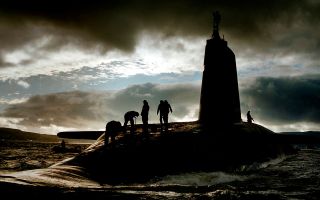
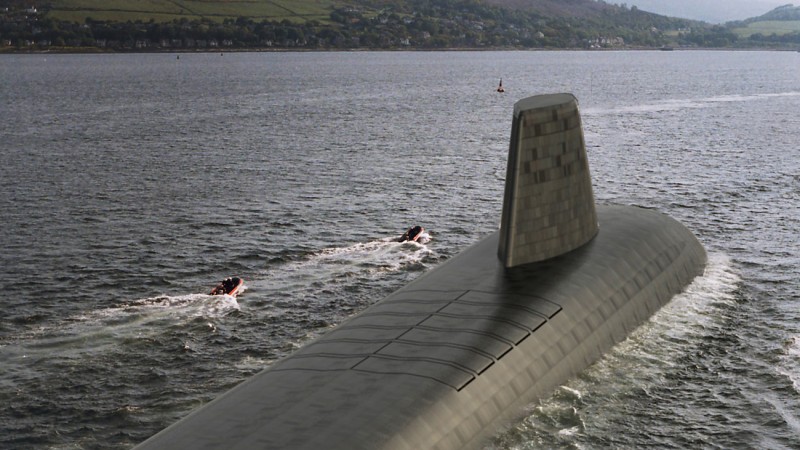
The new-£41bn Dreadnought-class programme - set to replace the ageing Vanguard fleet as the UK's Continuous At Sea Deterrent - should also sit high on the shopping list, Prof Clarke continued, calling them a "national priority."
On the opposite scale is the replacement of frigates, which he is confident will be deferred.
Royal Air Force
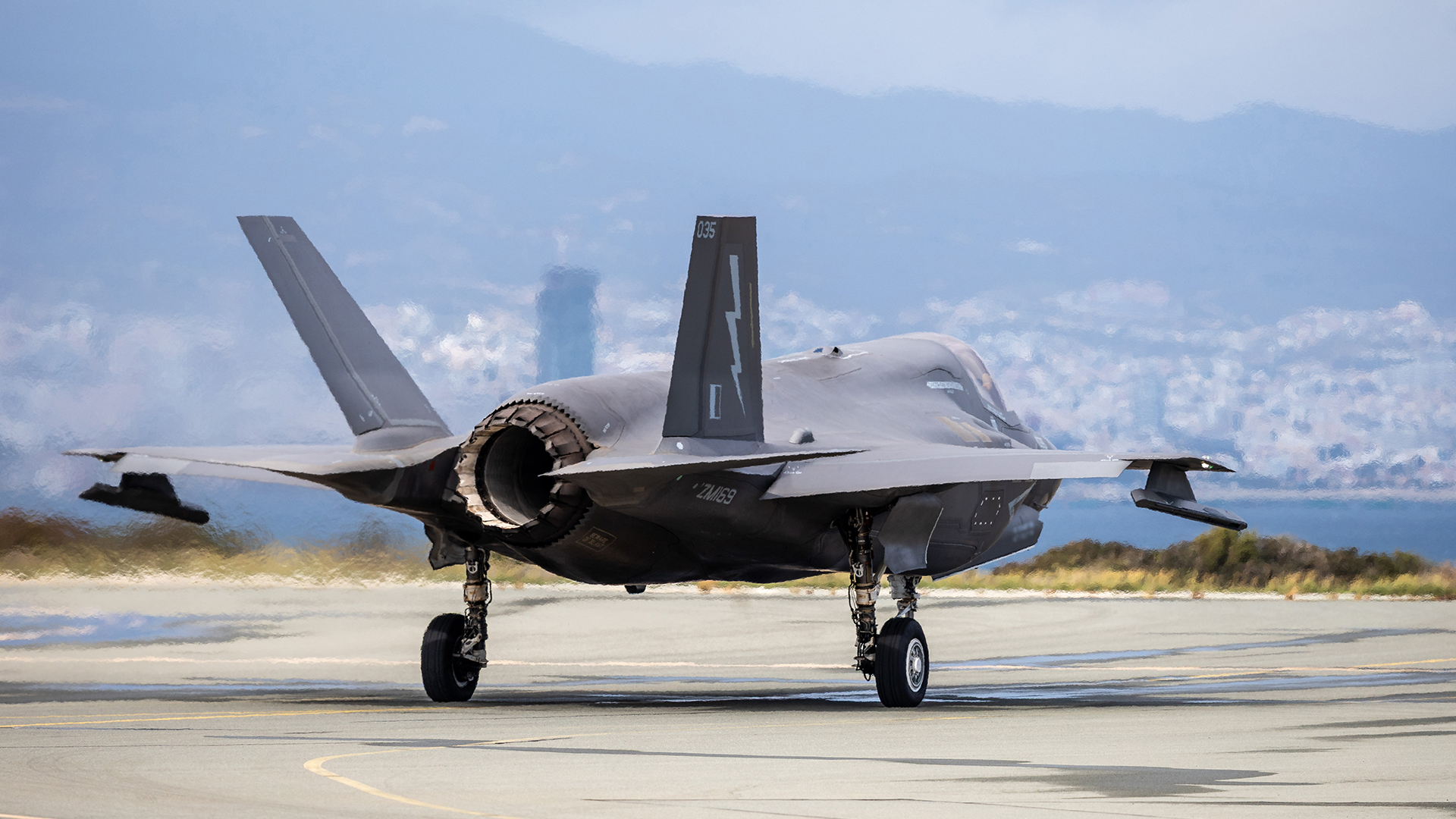
Mr Savill began by describing the RAF as being in a "reasonable position" in terms of having the Typhoon as a capable aircraft. Likewise with the fifth-generation F-35B.
The issue, he says, stems from the question of where to go with crewed aircraft and the weapons fitted to them.
"Can we get more weapon types on the existing aircraft that we have got that give us longer range and more of an ability to go after protected, very sophisticated defences, and then can we get more of our aircraft actually out onto squadron active service?" he asked.
"Because the Typhoon force is not that huge [and] the F-35B force is pretty small."
Meanwhile, Prof Clarke looks to the medium helicopter programme, which will see the procurement of 23 medium-lift support helicopters replacing the RAF's Westland Puma HC2 as a high priority on the serviice's shopping list.
He also points to the Global Combat Air Programme (GCAP), in which the UK, Italy and Japan are developing the sixth-generation Tempest stealth fighter, as equally important.
Over £6bn of any finalised package is already earmarked for the programme.
"It's not just important to the Royal Air Force, it's important to the whole technology of sixth-generation warfare, because the GCAP programme is leading our technology of robotics, which matters to the whole of the armed force and to other parts of British industry," he said.
Combined services
High on the agenda for all three services should be the Digital Targeting Web, Mr Savill suggested.
Scheduled to be delivered next year, the initiative, spearheaded by the MOD, will connect the Armed Forces' weapons systems more effectively.
Using Artificial Intelligence and cloud infrastructure, it drastically shortens the "kill chain", enabling commanders to detect, decide and attack threats faster than their adversaries.
The Army's key pillar of that web is the Land ISTAR (intelligence, surveillance, target acquisition and reconnaissance) Programme, which will help digitise the Army by combining data sources and enabling quicker decision-making.
Mr Savill described it as one of the central elements "that underpins the effectiveness of the Armed Forces".
"At the heart of the way that we think we will continue to fight is, can we make better use of information to make better decisions more rapidly, because that way we can deal with adversaries who might have an advantage over us in terms of sheer numbers," he said.
Investment in basic infrastructure and training should be a key priority, Mr Savill continued, also highlighting an ongoing dispute between civilian seafarers in the RFA and the MOD over pay and working conditions.
"If you do not have a Royal Fleet Auxiliary, you do not have a long-range deployable Royal Navy," he stated.
Asked what has to give if something must, Prof Clarke's answer was timing.
"Nobody's going to say we'll drop this capability or that capability, or we can get by without it, but it'll go on to the back burner, and so certain things will stay on track, and other things I suspect will be delayed," he said.
Mr Savill added "you might see some scaling back of something like GCAP", which he described as an "ambitious start date," along with a delay to the F-35B programme.
All of this, of course, is speculative.
As the Government continues to debate how much it will commit to defence spending, all eyes will now be on 8 July, the date of the Nato summit, where the future of the Armed Forces over the coming decade could be playing out.
Related topics
Join Our Newsletter