Defence analysts: UK needs Navy and RAF strength but Army still has to carry weight in Nato
The UK can no longer do "a bit of everything" for Nato and must make a more focused contribution to the alliance, defence analysts have said.
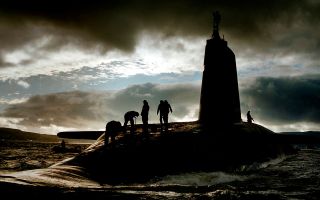
Speaking on the BFBS's Sitrep podcast, Professor Michael Clarke said the UK's immediate neighbourhood in the North Atlantic and Northern Europe points towards a heavy role for the Royal Navy and RAF.
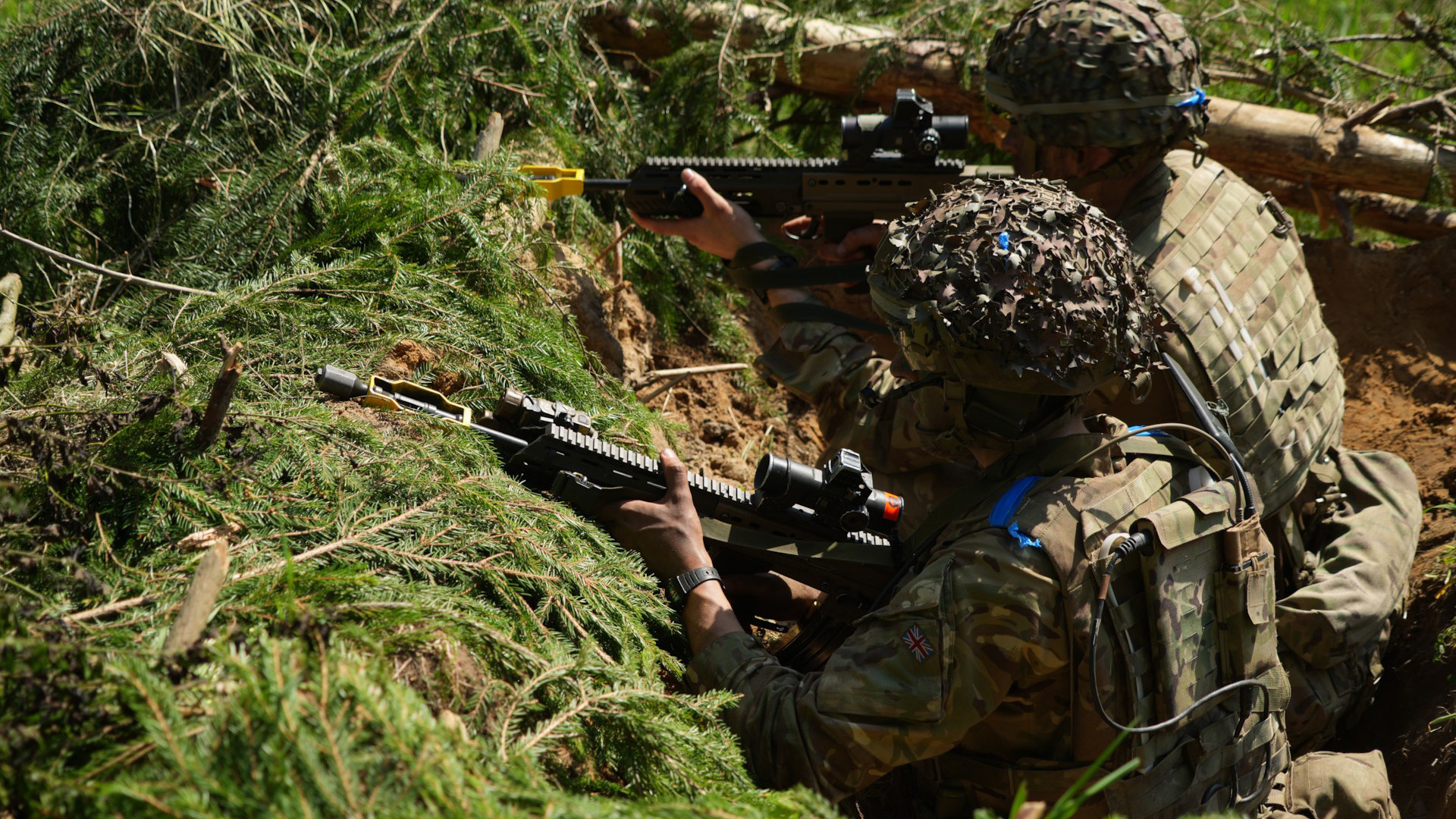
But he said the Army still needs to be able to provide a strategic ground force, because "the Army will be small, but we want it to be small and lethal".
- Naval power vs land forces: Tough choices to be made on defence budget spending
- Royal Navy's Type 26 programme fully on track amid landmark Norwegian agreement
- 1SL bets on Hybrid Navy but defence experts warn it may not be 'silver bullet'
The discussion came after BFBS Forces News examined the idea of prioritising the Royal Navy when tough choices are made over defence spending.
Matthew Savill, director of Military Sciences at the Royal United Services Institute, said he agreed with the principle, but warned that even a smaller and more capable land force would need major investment.
He said the UK had to be careful about how its land contribution looked to European allies.
The UK is still Nato's third-largest defence spender, he said, and could not reduce its land role to the point where it could "just about deploy like a good brigade".
"What you don't want Europe to think is that the UK is just going to sort of sit there as an island and be like, well, we're okay," Mr Savill said.
He said the UK had set itself a land target to show solidarity and to play its part in Nato defence plans.
"That means a heavy focus on maritime and air, but we have said that we will play our part on land as well," he said.
Prof Clarke said that marks a change from the older Nato model, when the UK tried to contribute across every alliance task.
He said the UK once took pride in doing "a bit of everything in Nato", with British Forces involved from the Atlantic and the High North to the Mediterranean and Nato's main land front in central Europe.
"That's not the sort of Nato commitment we can make anymore," Prof Clarke said.
He said the UK now needed "a more limited but important Nato commitment", rather than trying to be present everywhere.
Mr Savill said that where the aim is to take territory, forces still need people to move onto the ground, even as the fighting in Ukraine shows the importance of drones and uncrewed ground vehicles.
"Ultimately, your breakthroughs at the moment come from people moving on to territory, whether they walk, drive, or are transported or dropped," he said.
According to Mr Savill, in a war with Russia over territory, the land component would be decisive.
But the question for the UK, he said, was what land role the British Forces were expected to provide within wider Nato defence plans.
"There are good land forces across Europe," he said, pointing to Poland 'massively beefing up their armour', Turkey's large army and ground forces in the Baltic states as examples of land capability in Europe.
You can listen to BFBS' Sitrep wherever you get your podcasts, or on BFBS Forces News YouTube channel.
Join Our Newsletter