Naval power vs land forces: Tough choices to be made on defence budget spending
With the need to protect global maritime routes in today's contested world, support Nato commitments, and project power on the global stage, there is a strong argument that the UK's maritime forces offer far greater flexibility than land forces.
As a result, could prioritising the Royal Navy be the most efficient and best use of a limited defence budget?
Steve Prest, a retired commodore and Associate Fellow at the Royal United Services Institute defence and security think-tank, agrees.
Speaking to BFBS Forces News, he warned of the dangers within the current defence investment programme and the way the Armed Forces are structured, likening it to giving "equal sweeties to each of the children".
The bigger picture
Cdre Prest is not the first former sailor to call for the Navy to get the 'lion's share' of the defence budget, but there are others – perhaps less open to accusation of tribal bias – who agree.
William Freer, a research fellow at the Council for Geostrategy, said that concentrating on the threat from the sea makes sense.
The Russian army has taken heavy losses in Ukraine, but the Northern Fleet, the elite Russian naval unit based in the High North, has been relatively untouched.
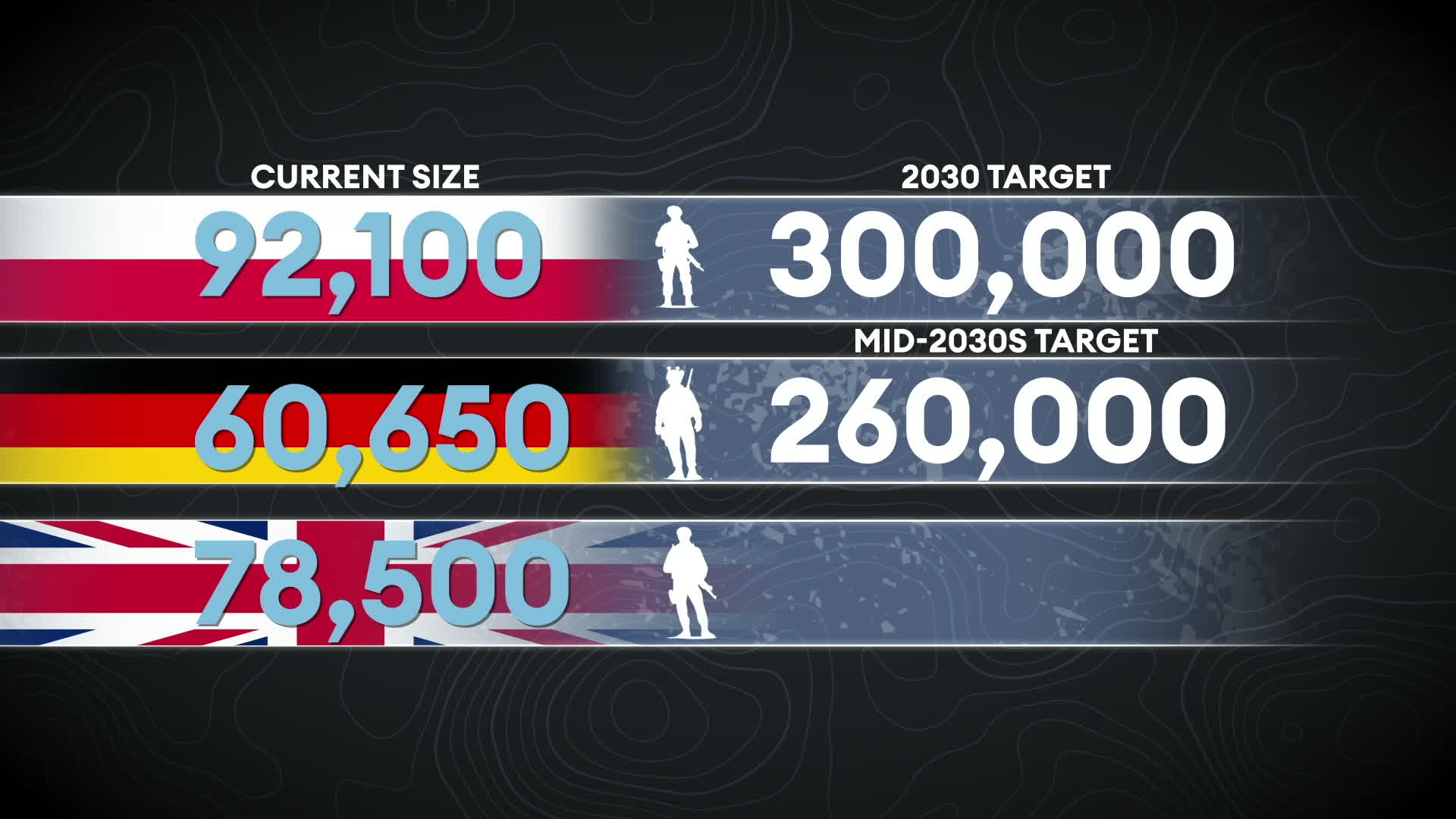
Nato allies are also investing heavily in land forces, with Poland aiming to reach 300,000 troops by 2030 and the German Bundeswehr planning to expand its armed forces to 260,000 by the mid-2030s.
By contrast, there are just 78,500 regular soldiers in the British Army, with limited plans for growth. So why spend money to duplicate what others already have when, arguably, the UK could use the money better elsewhere?
Need for a balanced force
For General Sir Richard Barrons – one of the three co-authors of the recent Strategic Defence Review – this would be unwise.
"The issue for the Army has always been that it isn't going to fight in the UK unless we're having a terrible day," he told BFBS Forces News.
"So the Army's role is always expeditionary. And some people, and I think they're wrong, believe that makes it somehow optional."
Gen Sir Richard argues it is also the Army that would be likely to shoulder the burden if the UK is asked to play a role in future global conflict.
"They [the Army] will be suitably equipped to conduct an expedition somewhere else in the world where the thing that we never foresaw, like a war in Iran, for example, turns up out of the blue," he added.
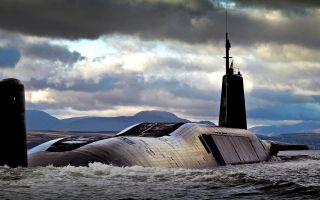
For others, like Dr David Blagden, Professor of International Security and Strategy at Exeter University, there is an urgent need for funds for the continuous at-sea nuclear deterrent, and other naval platforms.
"When we think about the submarine shortage, both in terms of availability but also just in terms of numbers, then really you are talking about one in the High North," he explained.
"There is a frigate shortage in terms of absolute numbers of hulls, and also in terms of their availability."
Tough choices ahead
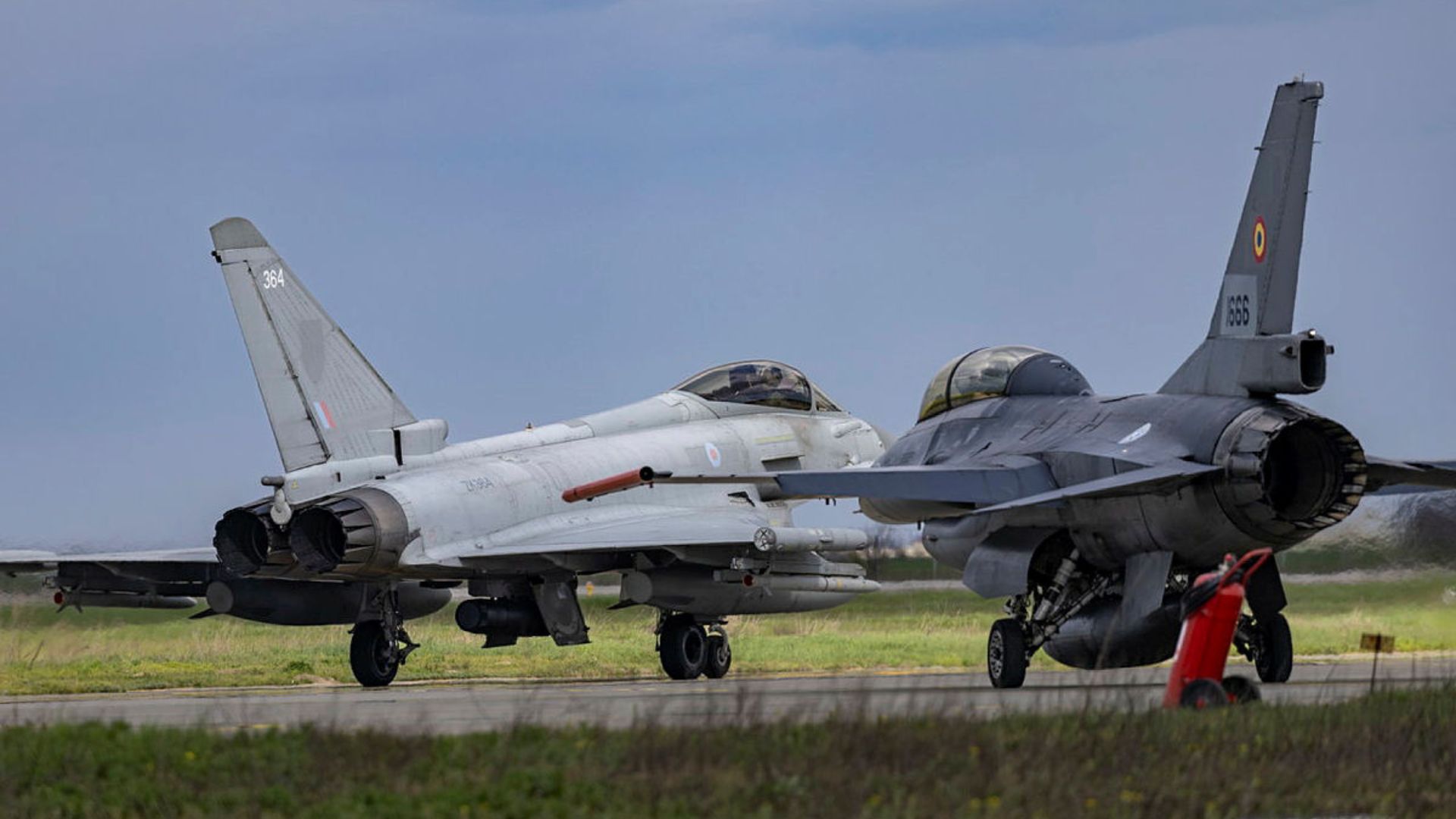
And what about the RAF? Well, most people who believe the Navy should get more money are not suggesting that it should be at the expense of the Air Force, which provides the UK's Quick Reaction Force and operates closely with the senior service on the carriers.
So what might a less ambitious, some would say more realistic, vision of the British Army actually look like?
Mr Freer says a new configuration could concentrate on "providing light forces and enablers – such as medical, command, and logistics capabilities which could slot into Nato divisions alongside the heavy forces of continental allies".
Of course, there is a chance the as-yet unpublished Defence Investment Plan will have money for all domains, but if there is in fact a shortfall – as many defence experts predict – tough choices on defence spending will have to be made.
Related topics
Join Our Newsletter