Royal Artillery to get 72 RCH 155 howitzers: British chassis, British turret, British steel

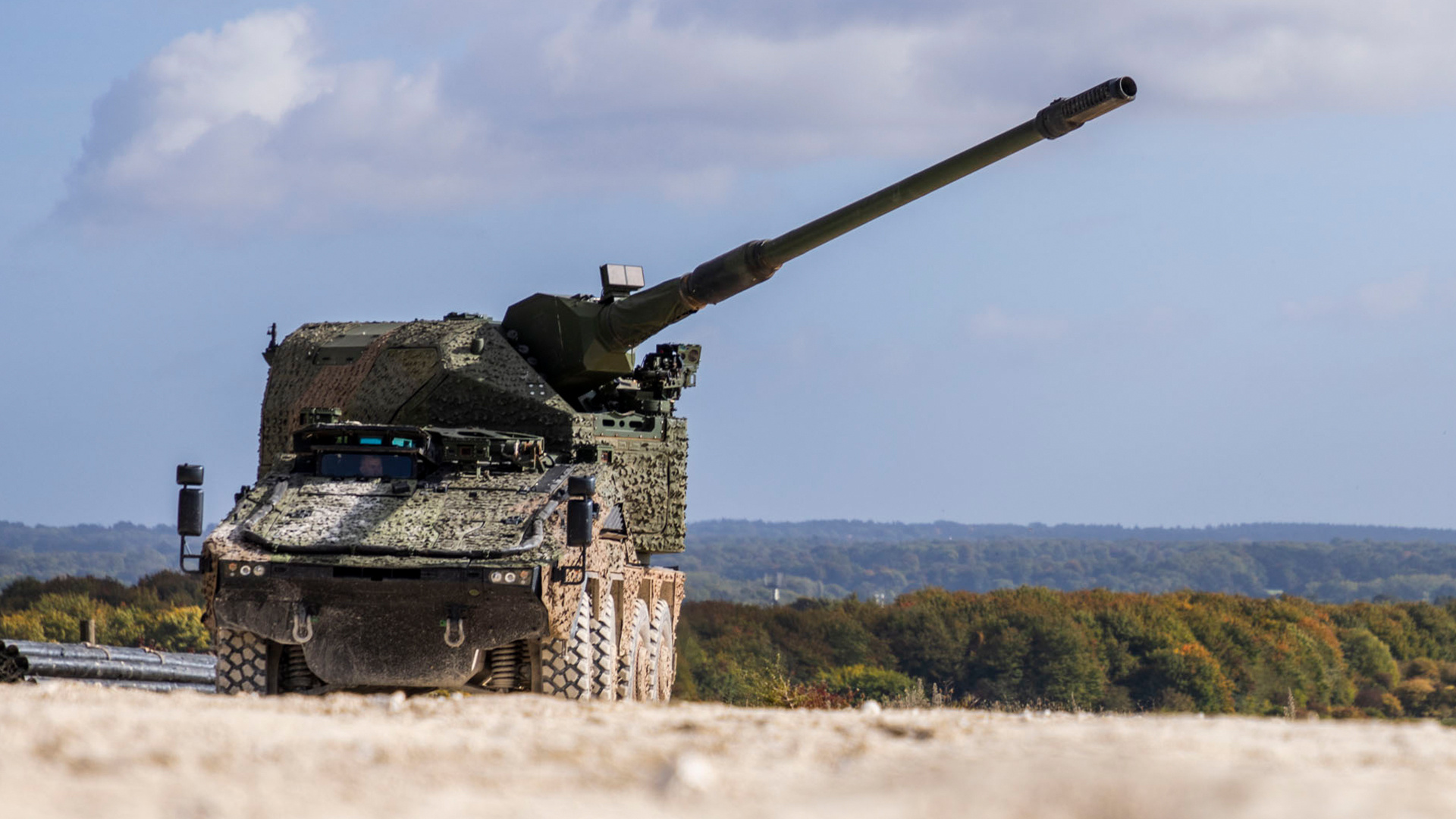
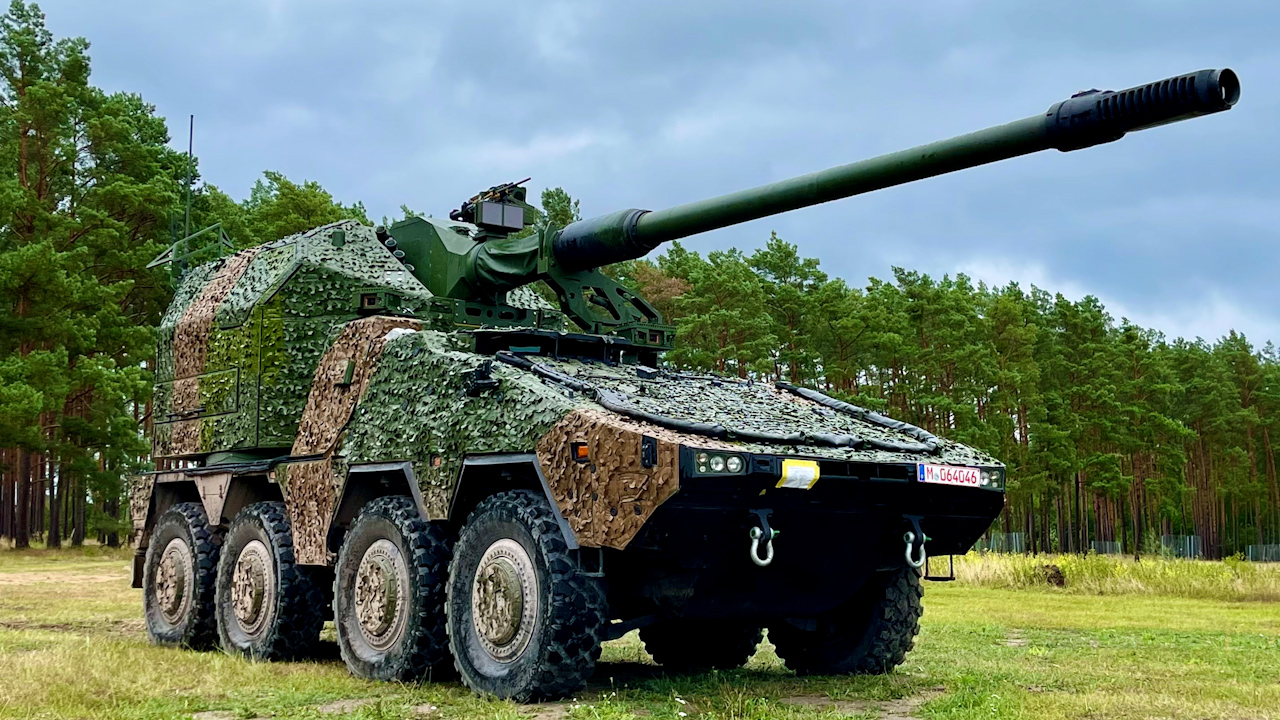
The Royal Artillery is to get 72 RCH 155 self-propelled howitzers, a weapons system based on the Boxer chassis, giving the Army more punch after its AS90s were handed to Ukraine.
The vehicles – RCH stands for remote controlled howitzer – are capable of firing eight rounds a minute at targets up to 70km away.
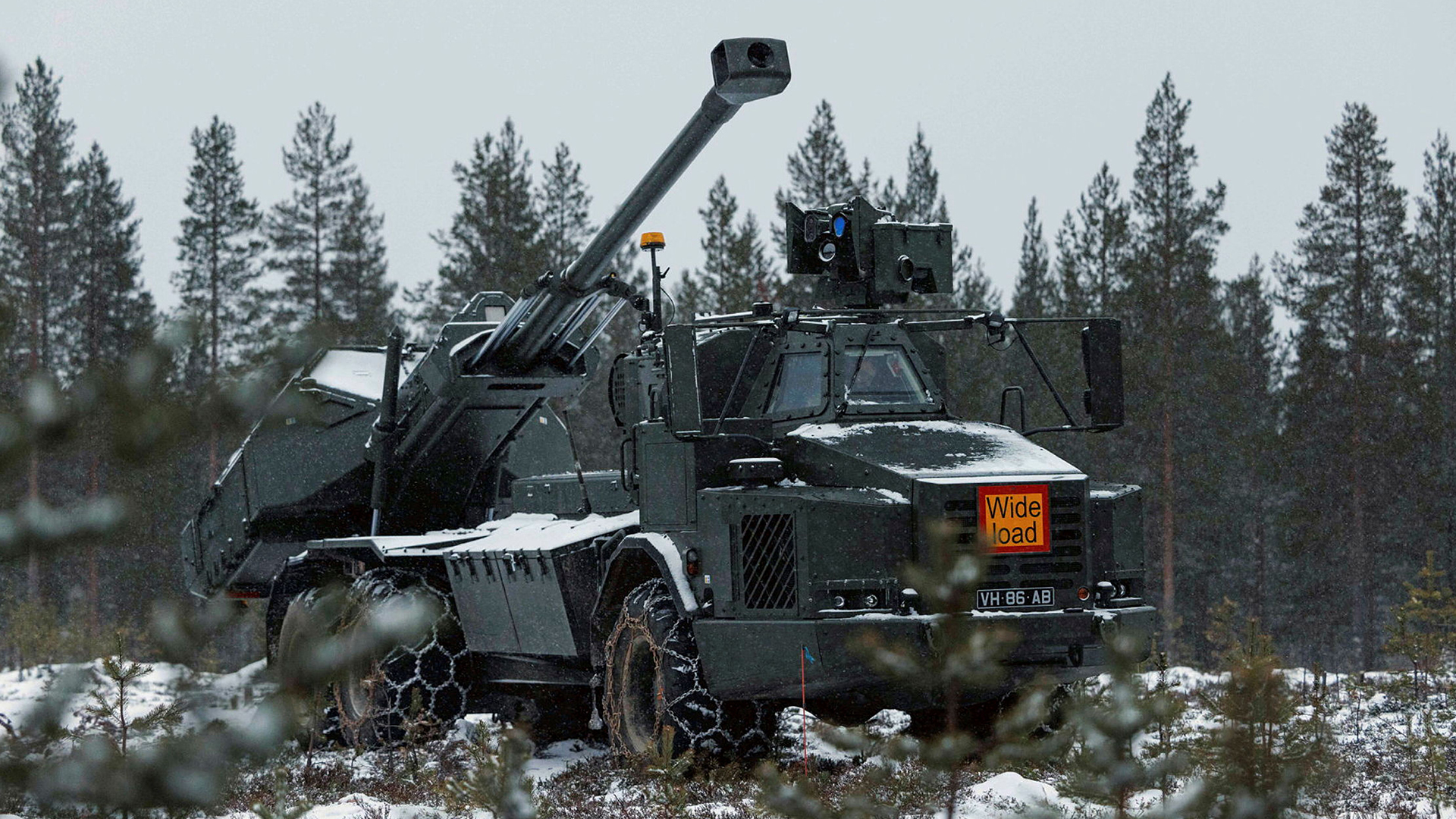
The RCH 155s will provide long-term close support artillery for the Army, a role currently being fulfilled by the stop-gap Archer.
Multinational roots, but made in Britain
And under the contract, which is worth just shy of £1bn, the howitzers will be produced in the UK.
The barrel, breech, recoil system and trunnions will be manufactured at Rheinmetall's Telford facility using British steel.
Meanwhile, the Boxer chassis, engine and drive train that the turret sits on will be manufactured by KNDS UK in Stockport.
The RCH 155 can reach speeds of up to 100km/h, making it harder for adversaries to target.
Advanced automation of the turret allows the platform to be operated at the push of a button from the crew compartment by just two soldiers.
A deployable capability by the end of 2030
First deliveries of the RCH 155 are expected in 2028, achieving what the MOD said would be a "minimal deployable capability" within the decade.
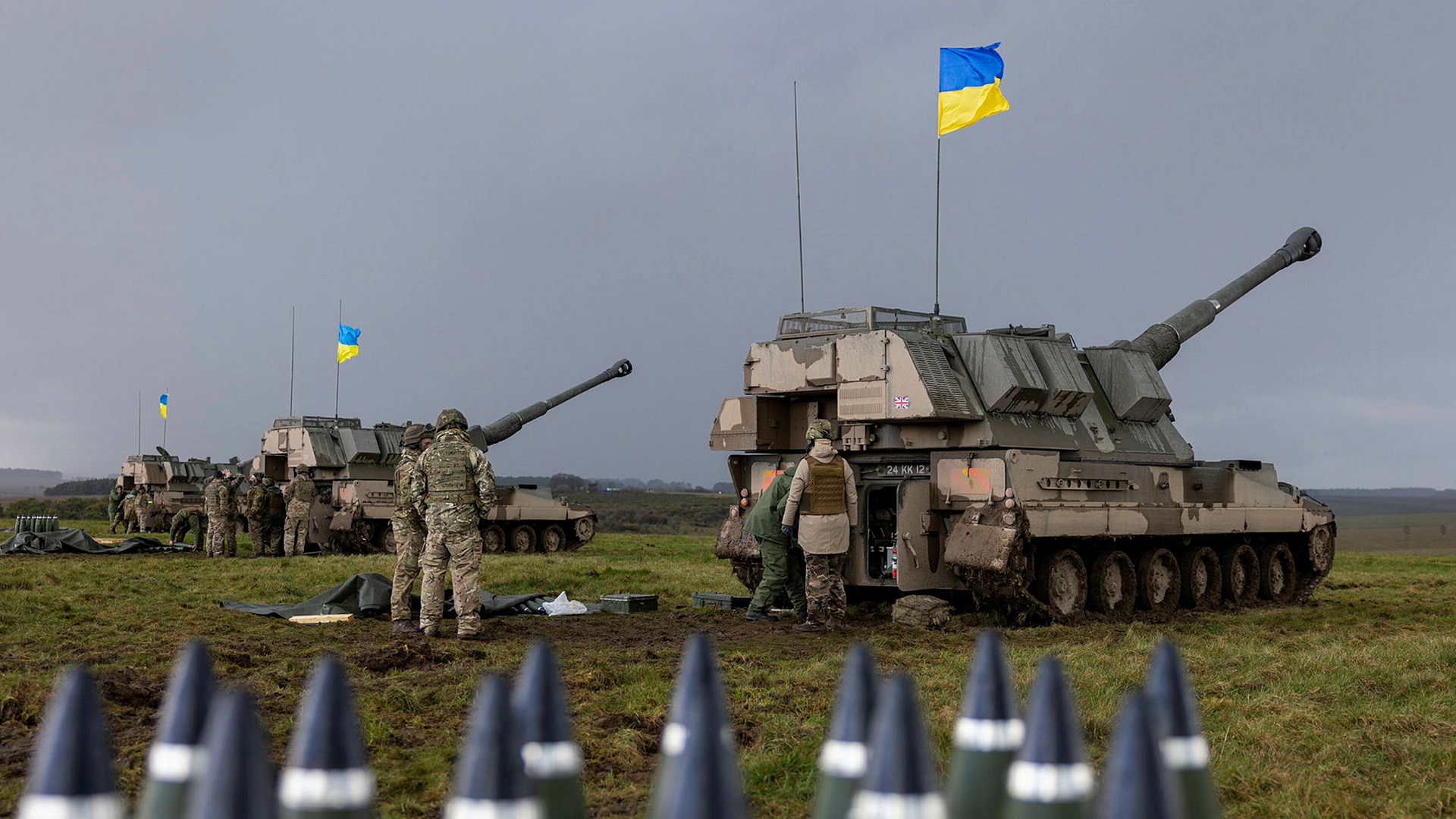
The RCH 155 replaces the AS90 artillery systems that were granted to Ukraine in 2023.
The Archer artillery system, which was designed by Bofors and built by BAE Systems AB, currently serves as an interim capability and will continue to do so until the RCH 155 enters service.
While the AS90, which entered service back in 1992, is a tracked vehicle, both the RCH 155 and the Archer are wheeled.
Wheels arguably provide less traction than tracks in some conditions and over certain terrain.
However, they are far simpler to maintain and can be repaired or replaced more easily if they suffer any battle damage.
RCH 155: Boxer meets Panzerhaubitze 2000
The Boxer family of armoured fighting vehicles was designed by an international consortium, with the vehicles produced by the Artec industrial group, its parent companies being KNDS Deutschland and Rheinmetall.
Boxers are already in service with Germany, Australia, Lithuania, Qatar, the Netherlands and Ukraine, with the British Army receiving several versions.
The RCH 155 variant of the Boxer uses the same gun as the German army's PzH 2000 – a vehicle similar to Britain's AS90 and one also developed by KNDS Deutschland and Rheinmetall.
A capability being replenished
The Deputy Chief of the General Staff, Lt Gen Simon Hamilton said: "Britain answered the call for aid by providing artillery systems to Ukraine at the outbreak of the war.
"We knew the risk – the gap in our warfighting capability – that this would present.
"The success of bringing the RCH 155 onto contract to develop our 155mm close support artillery requirement, in collaboration with Germany, marks the first significant milestone in replenishing this capability.
"We are grateful to the National Armaments Director, our industry partners and our own programme teams for the fantastic work which they have done to bring this to fruition and look forward to our continued work with our German allies."
Related topics
Join Our Newsletter