Type 26 frigate build slots given to Norway, but ex-Royal Navy officer calls it a win for everyone
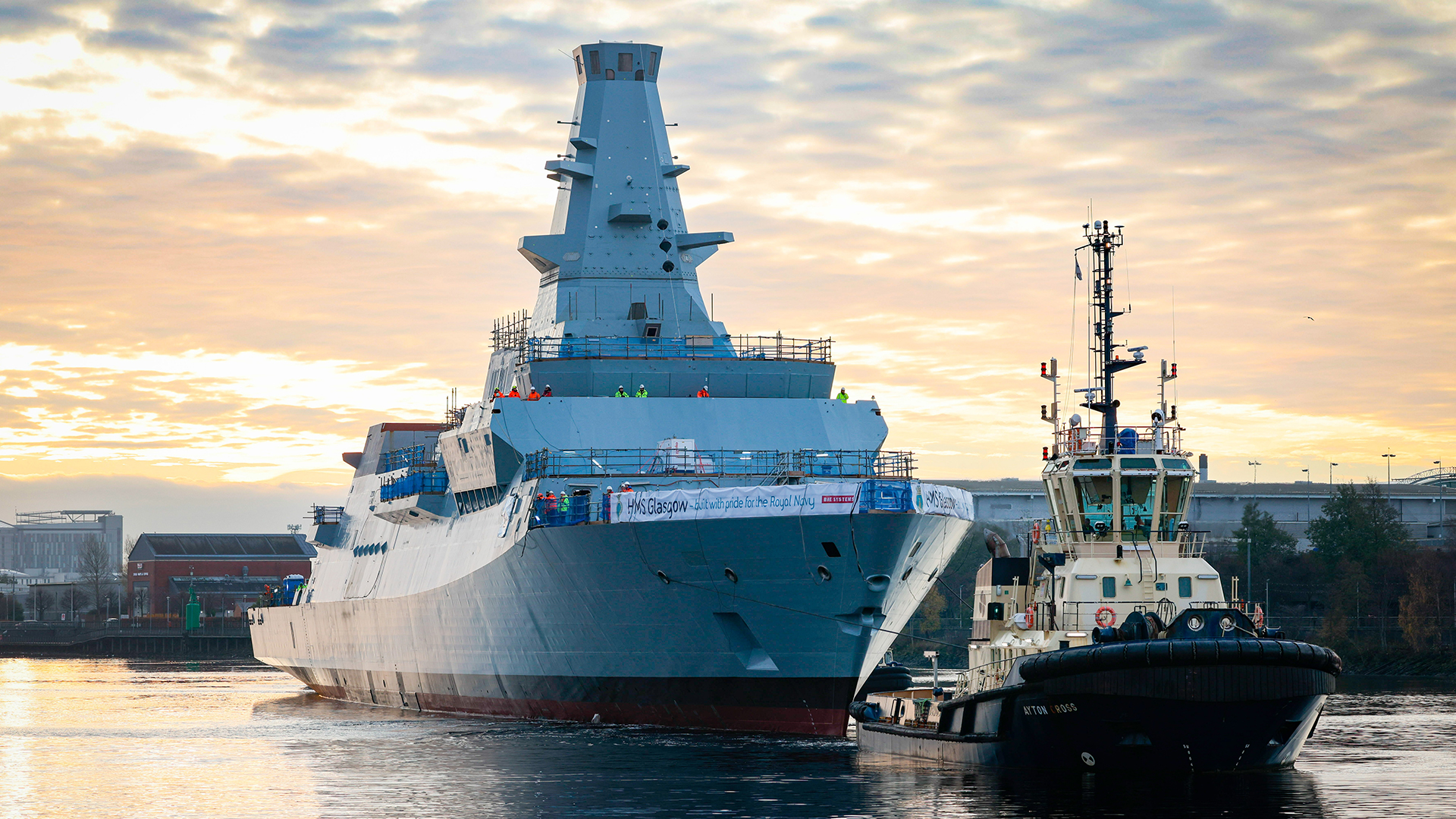
Several build slots for the UK's advanced Type 26 frigates have been given to Norway – but that's good news for Nato, according to a former Royal Navy commodore.
Defence Readiness and Industry Minister Luke Pollard confirmed "a number" had been transferred to the Royal Norwegian Navy.
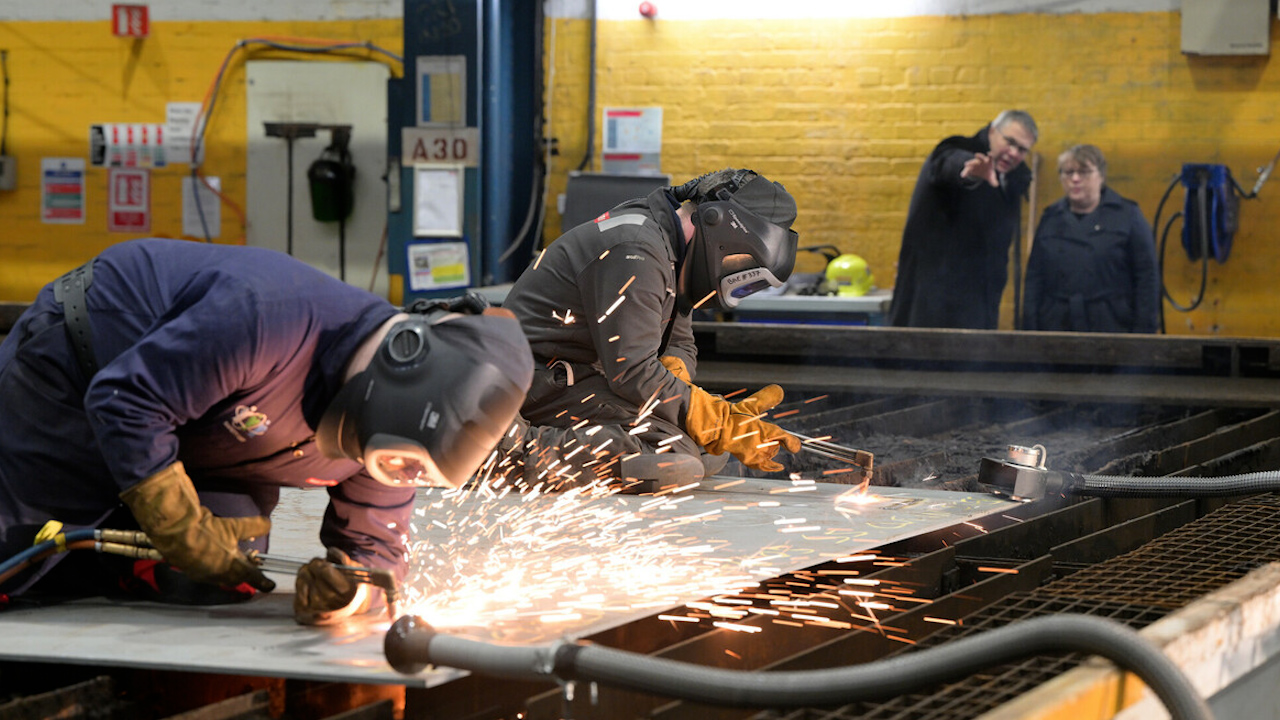
The Type 26s are being built at BAE Systems' sites in Govan and Scotstoun in Glasgow, and while the news could cause delays for the Royal Navy, Commodore (Ret'd) Steve Prest took a more positive approach.
More ships in service sooner
Cdre Prest, who served as Director Navy Acquisition, told BFBS Forces News: "I genuinely think it's good news because I think it will mean we'll get more Type 26 frigates into the North Atlantic sooner."
The original plan was to build 13 Type 26 City-class frigates for the Royal Navy, with the first three set to enter service before 2030.
But Cdre Prest suggested this had been overly ambitious from the outset.
"I don't think even if all of the Type 26s were accelerated through to their delivery into the Royal Navy, that the Royal Navy would be able to crew them, bring them into service and get them onto operations in the timeframe envisaged, just simply because of workforce constraints and other factors," he said.
"So the fact that the Royal Norwegian Navy are going to take off some of those ships from the production line and will be able to generate them for operation sooner, I think is good for Nato as a whole.
"And so it's good for everybody. It's also good for the UK industry to get export orders. I think that's really important."
He added: "And I think that increased collaboration between the UK and Norway in that vital geographical area for Nato in that Greenland, Iceland, UK's gap, the Norwegian Sea and the North Sea is really, really significant."
At least eight required
Cdre Prest suggested the Royal Navy should ultimately end up with at least eight of the City-class vessels.
"The one thing of course that is difficult is that the Royal Navy won't get as many frigates as quickly as it was planning to," he explained.
"As I say, I'm not convinced that there was a credible plan to bring them into service at that rate anyway. But of course, others will and may disagree with that. But that does need to be addressed.
"And so the increased order numbers through BAE to make sure the Royal Navy does get at least eight Type 26 frigates off the programme through the 2030s is really, really important.
"And we should be looking for that in the Defence Investment Plan that's due out any day now."
A win for everybody
Cdre Prest denied that handing build slots to Norway sent out a negative message about the state of the Royal Navy, but did suggest work should have begun sooner.
"I think the bigger problem is the fact that we didn't get on with building the Type 26 frigates sooner and quicker when we had the option to do so," he said.
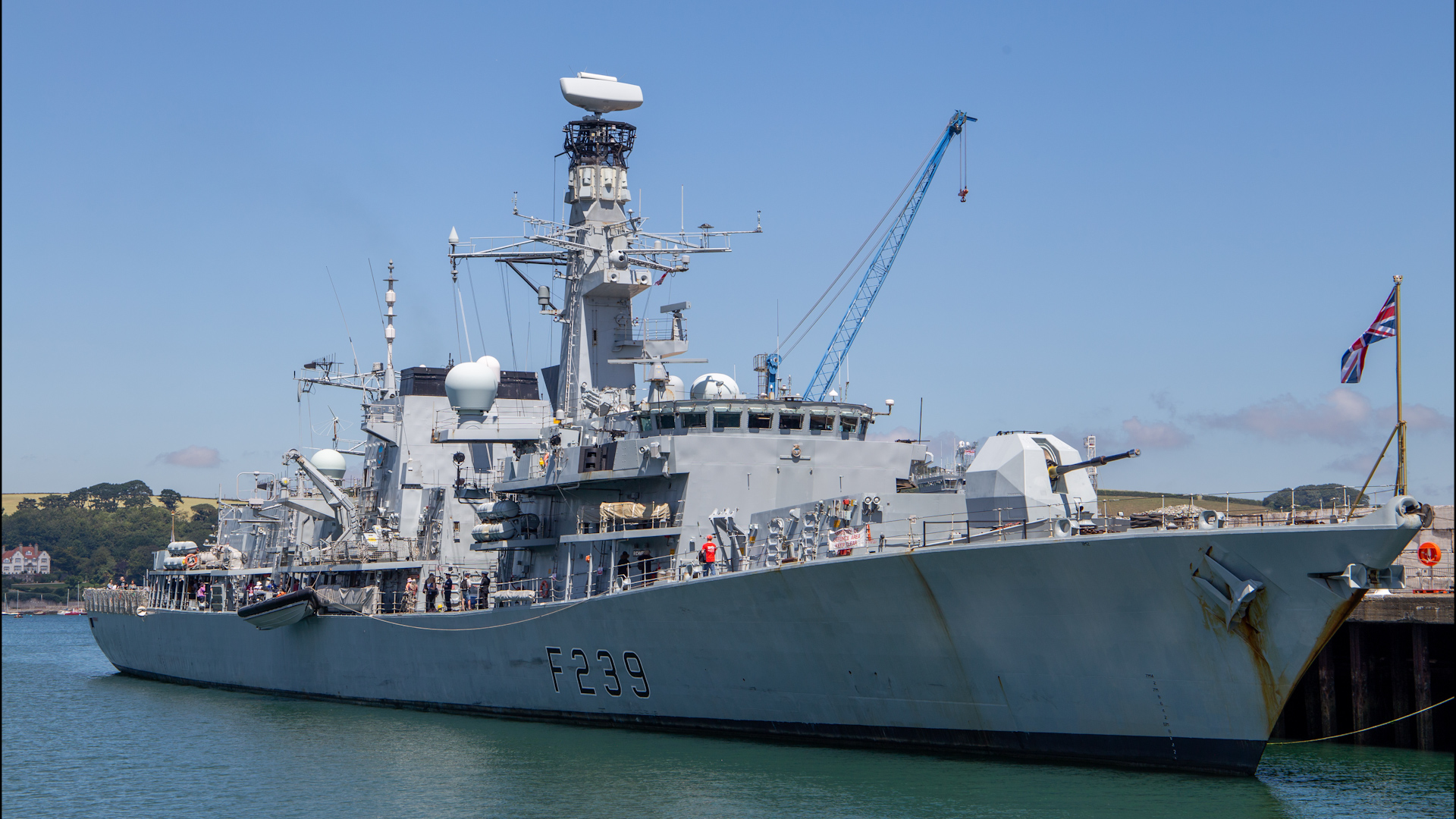
"And therefore our Type 23 frigates are wearing out, becoming increasingly more expensive to maintain and keep in service. And they're ever more fragile. That's the problem.
"The fact that we're going to export some of the Type 26 frigates to Norway... is good news. It will allow Nato to get more frigates into service into the North Atlantic – the world's best anti-submarine warfare frigates – sooner. So that's a win for everybody.
"The fact that the Royal Navy can't do that on its own is a matter of some regret and probably needs to be looked at very hard.
"But it's about people. It's about infrastructure. It's about logistics, spares, support – all the unglamorous things which actually are the baseline of making fighting forces work.
"As I'm fond of saying, if you think the tip of the spear is the only important component of that weapon, then you don't understand how spears work."
Related topics
Join Our Newsletter