Drone boats, underwater wireless charging and firefly stealth lights tested by Nato special forces
Nato maritime special operations forces have been testing emerging technology designed for missions ranging from long-range strike and surveillance to underwater operations and avoiding detection at sea.
Uncrewed surface vessels, wireless underwater charging and bioluminescent lighting were among the systems demonstrated at Bold Machina 26, or BOMA 26, at a naval base in Lisbon.
The experimentation programme brings Nato's maritime Special Operations Forces together with industry, allowing SOF to test the tech and give their developers direct feedback.
- Let's be honest – Russia is well ahead of Nato, says former CIA station chief
- UK can lead Nato's battlefield revolution after lessons from Ukraine, says retired US general
- Flying Nemo: Nato tests submarine rescue vehicle response with RAF aircraft
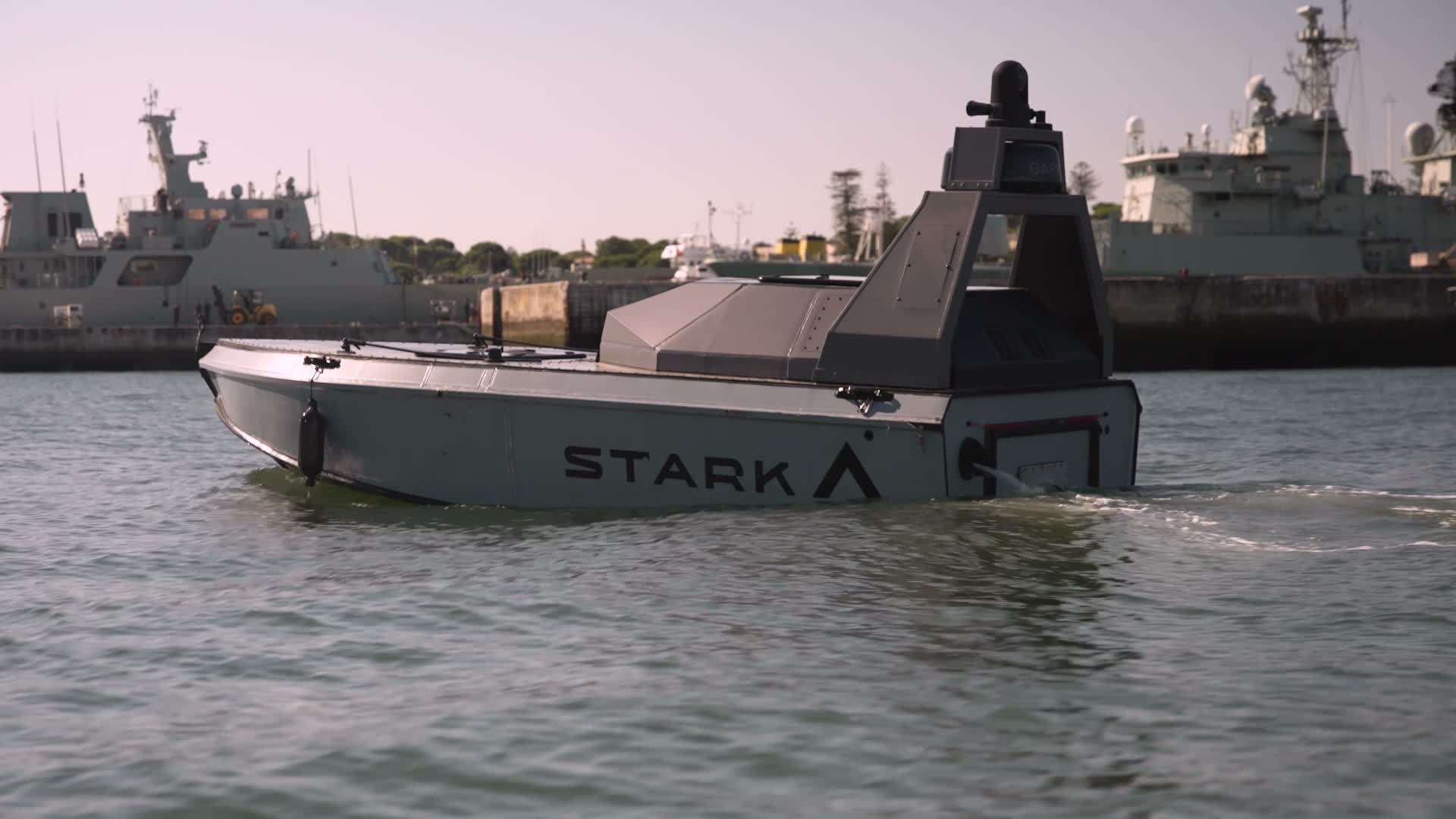
Among the systems being tested was STARK's Vanta, a six-metre uncrewed surface vessel.
The vessel can reach speeds of up to 46 knots and carry a loitering munition that can be launched from the USV to strike targets up to 80km away.
The Vanta could be used for ISR (Intelligence, Surveillance and Reconnaissance), approaching harbours, and supporting diving operations.
Another vessel at BOMA was the K3 Scout made by UK-based Kraken Technology Group.
For the company, the exercise provided an opportunity to put its equipment directly in front of special operations personnel.
"You come here, show up with your platform, and they can give you immediate feedback on what they like, what they don't like, what else needs to be added, what kind of other payloads do we need to work on, etc.," Kraken's Sandeer Saask said.
The K3 Scout has already been involved in trials with British forces.
In July, one was dropped from an RAF A400M at 1,300ft during trials carried out by Kraken and Capewell with Royal Navy support under Project Beehive.
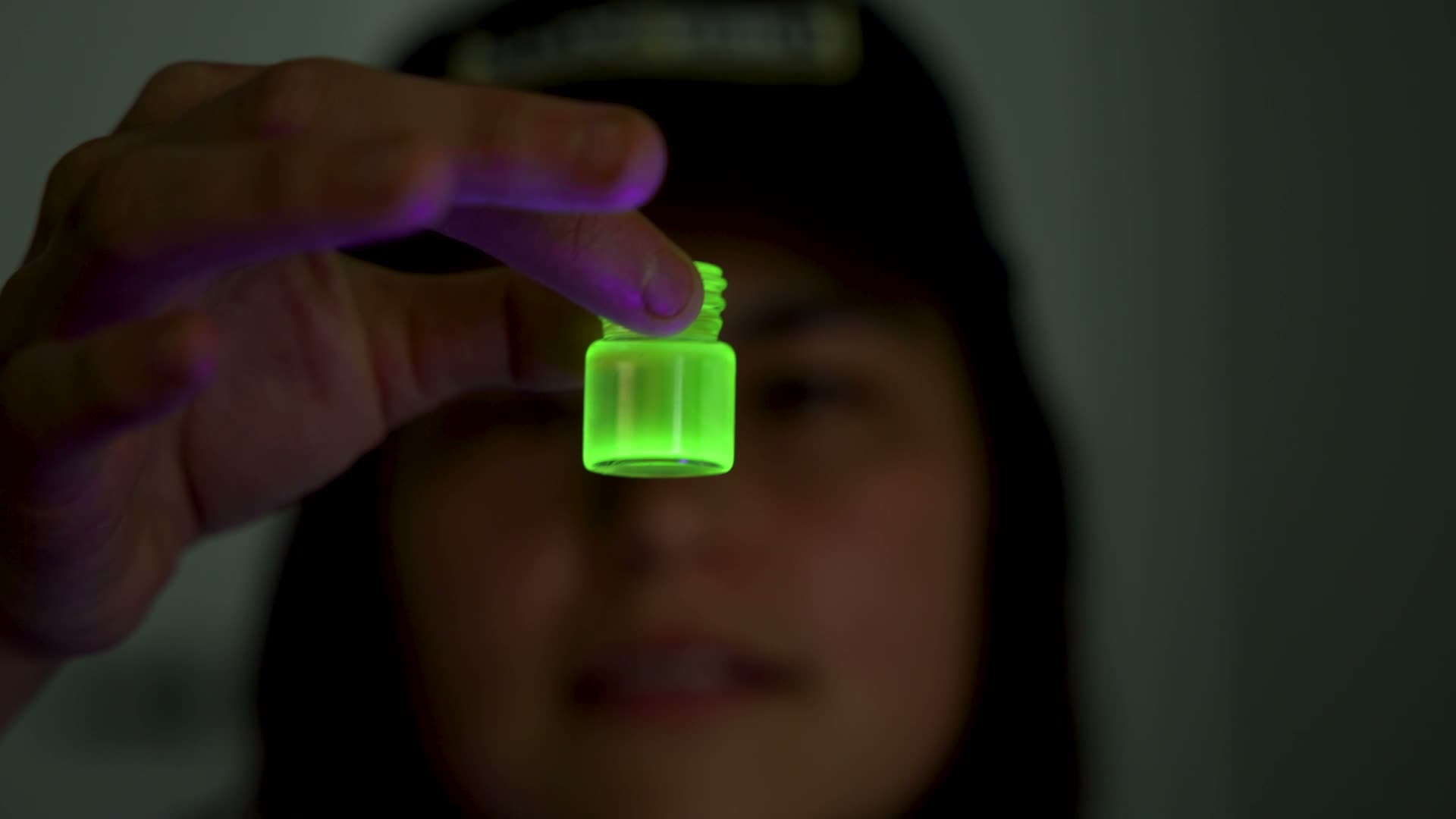
Stealth lighting made with firefly protein
Canadian biotechnology company Luxbio demonstrated an underwater light produced using the genetic code of firefly protein.
The company places the genetic code into a microbe, which produces the protein in larger quantities.
"We make emergency and stealth lighting using nature, using protein," Torry Sirdevan, from Luxbio, explained.
The light produces no noise and no detectable heat, potentially allowing special forces personnel to illuminate an area without giving away their position as readily as they might with conventional lighting.
Power and data without plugging in
Norwegian company Unplugged demonstrated technology that allows underwater systems to exchange power and data without being physically connected by a cable.
Two systems need only touch, come close together or remain several centimetres apart to communicate and recharge, potentially allowing underwater vehicles to operate with less human intervention.
It could also allow underwater autonomous vehicles to recharge without surfacing, which would let them stay underwater for longer.
The technology has already been used in the civilian sector, particularly in the oil and gas industry, and can operate at depths of up to 3,000 metres, according to Nato's Defence Innovation Accelerator for the North Atlantic, known as Diana.
Bold Machina 26 is part of Nato's Diana fund, which as its name suggests, helps speed up innovation.
Related topics
Join Our Newsletter