A first for Finland: Lockheed Martin rolls out Helsinki's initial F-35A Lightning

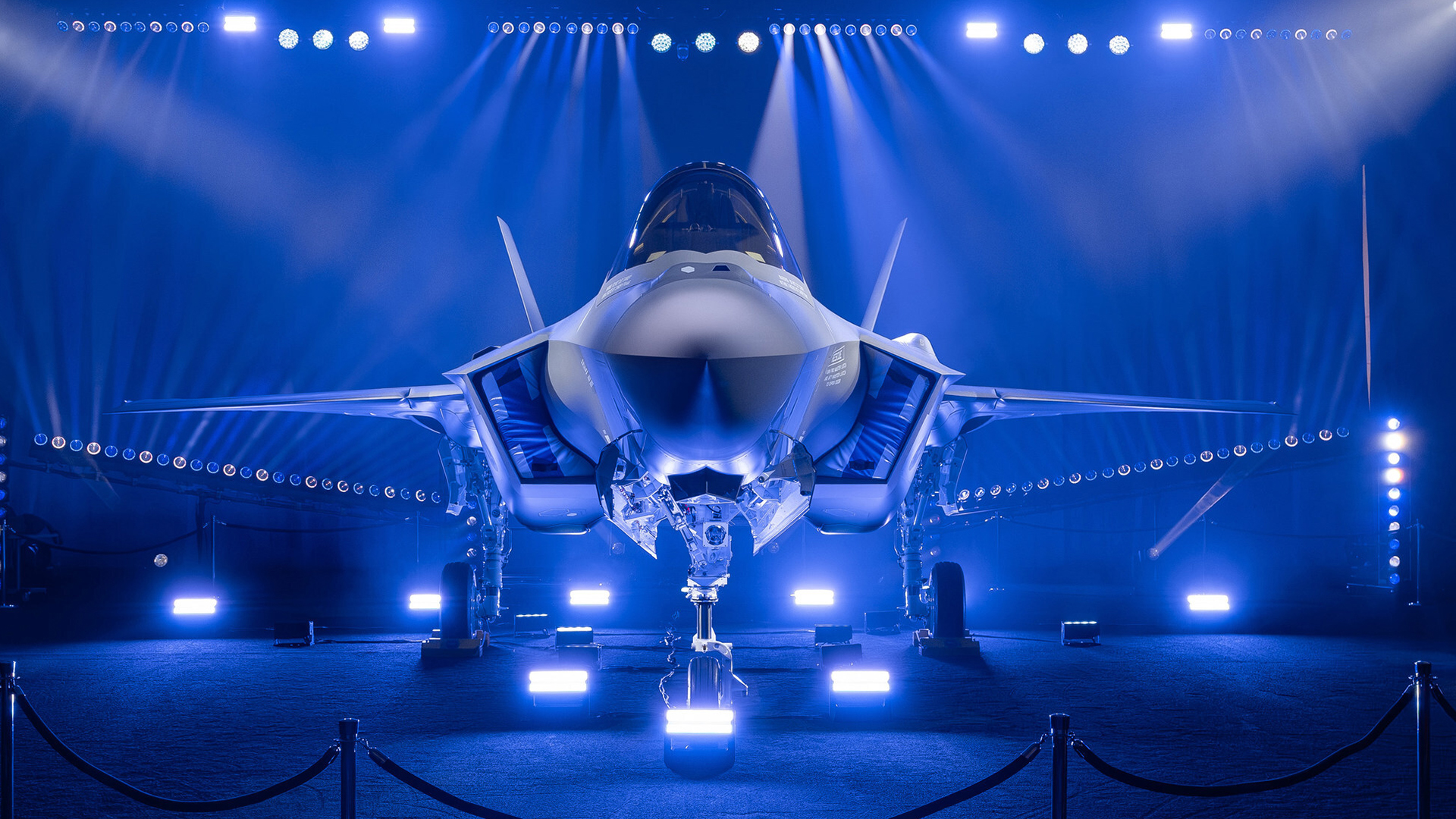
The first F-35A built for the Finnish air force has been rolled out in a ceremony at Lockheed Martin's production plant in Texas, with the aircraft set to begin operations next year.
"In the Finnish operational environment, survivability, lethality and cooperation are imperative," air force commander Major General Timo Herranen said at the event in Fort Worth.
"The F-35 will deliver unmatched capability in all those areas, and it will bring a whole new level of capability for our defence. We are looking forward to the start of F-35 operations next year."
Active service
Twenty nations have chosen to operate the F-35, which is called the Lightning II in US service, including 13 in Europe, and the F-35 is currently in active service with 16 worldwide.
"Finland is a Nato member and committed to act as a dependable defence provider in the northern flank," said Finnish defence minister Antti Häkkänen.
Lockheed Martin pointed out that more than 1,270 F-35s are currently operational around the globe, and the fleet has surpassed one million flight hours.
A, B and C
There are three main variants of the F-35, the A that Finland has chosen being the standard land-based model.
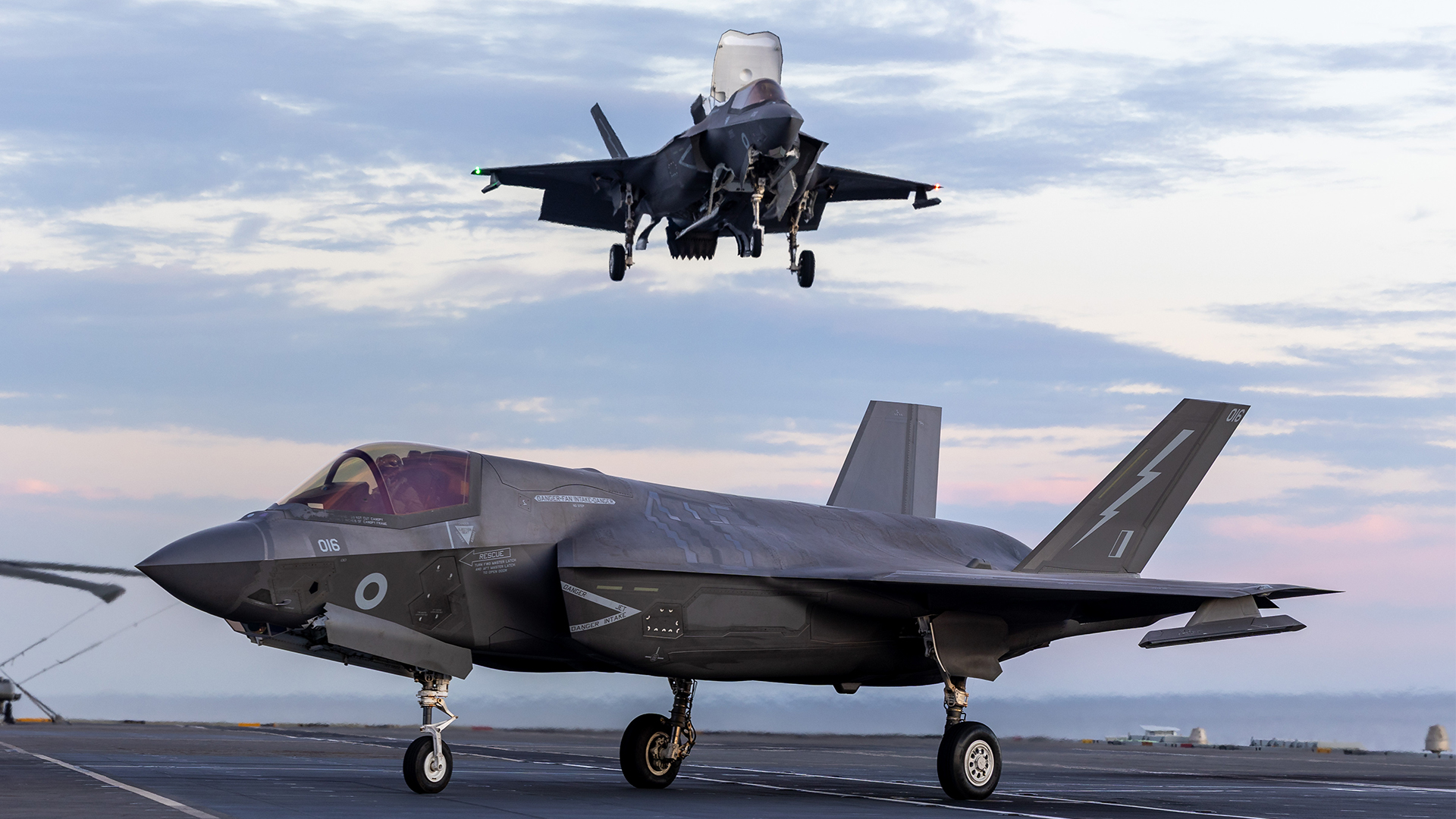
The F-35B has a short take-off/vertical landing capability, while the C is designed specifically for carrier operations, and is capable of being launched by catapult.
The RAF and Royal Navy currently operate the F-35B, with the Lightning Force based at RAF Marham.
British F-35s saw extensive use on their nearly eight-month deployment with Carrier Strike Group 25 on Operation Highmast.
However, the UK will be purchasing 12 F-35As for the Royal Air Force, with Prime Minister Sir Keir Starmer saying these cutting-edge aircraft would herald a new era for the RAF.
Nuclear-capable
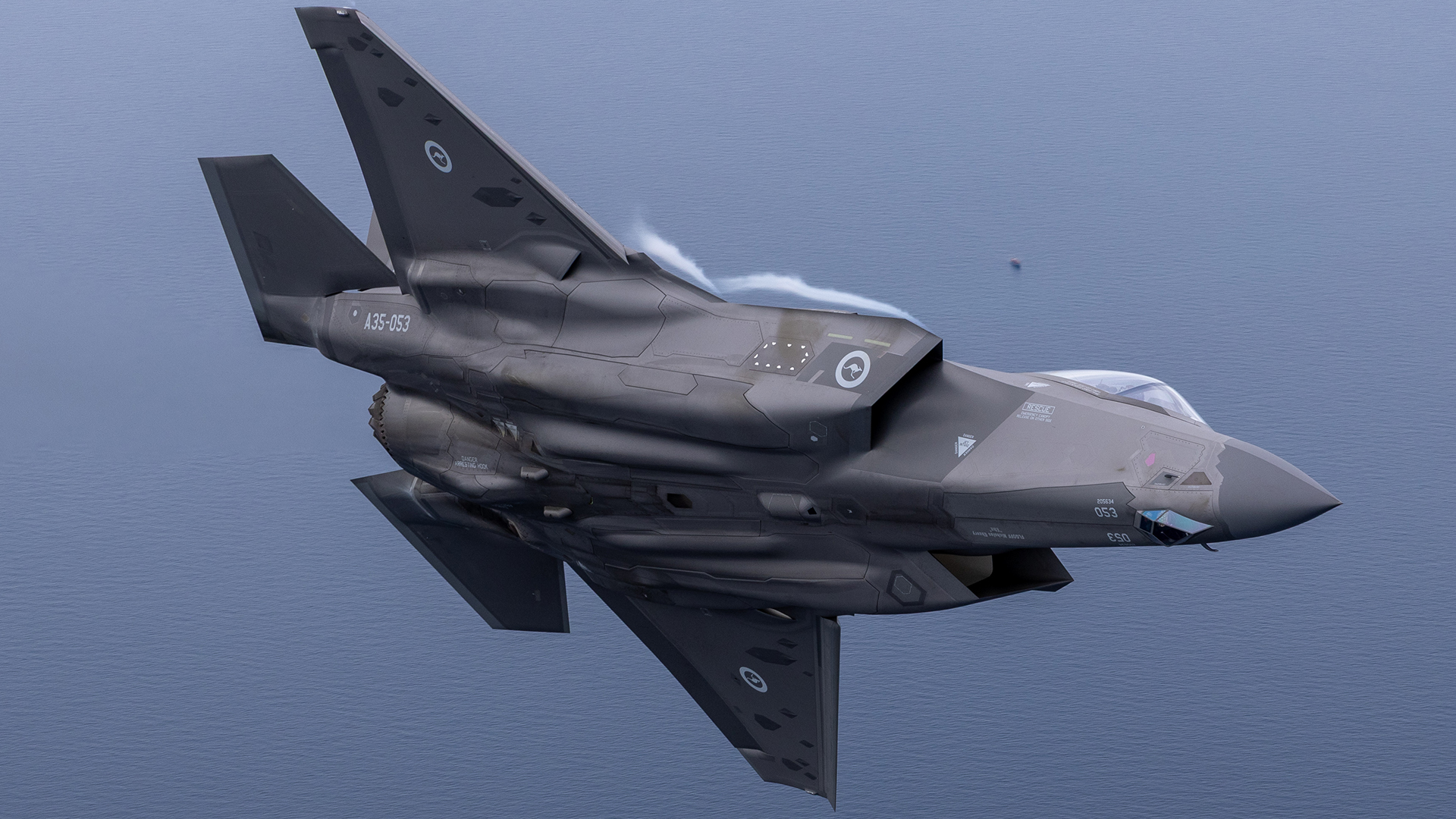
Without the need to carry the kit needed to fulfil the STOVL capability of the B model, the extra space and weight saving means the F-35A has an extended range and/or can carry a heavier load of munitions.
But it is the F-35A's ability to carry tactical nuclear bombs as well as conventional weapons that makes it so deadly.
It is thought the RAF's jets will carry the B61-12 thermonuclear gravity bomb used by the US military.
The A model is the only Lightning type that is certified to carry this weapon, and in British service it will restore the tactical nuclear capability that was lost to the RAF when the Tornado was retired.
It is unclear whether Finland will want to give its own F-35As a nuclear capability.
Defence minister Mr Häkkänen added: "Finland is investing heavily in national industrial capabilities through industrial participation.
"We believe that our investment and highly capable defence industry can benefit the F-35 programme not just locally, but also at a more global level."
Hornets out, Lightnings in
Finland is expected to eventually operate 64 F-35As following a deal signed in 2022, with deliveries scheduled to be completed by 2030.
The Finnish air force currently operates the F/A-18C Hornet – a single-seat multirole fighter – and the F/A-18D Hornet – a two-seat trainer that can also fulfil a combat role.
These are the so-called legacy Hornets, not the Super Hornets that are in US service, and the F-35As are expected to replace these aircraft in Finnish use.
Join Our Newsletter