As power dynamics evolve and tensions increase across the Baltic Sea region, Nato and its allies are stepping up efforts to preserve freedom of navigation in one of Europe's most contested domains.
Exercise Freezing Winds, held in the Gulf of Finland, brought together Nato's Mine Countermeasures Group One (SNMCMG1) – tasked with detecting and neutralising sea mines from past conflicts, among other missions – alongside other allied units to conduct joint training in the region's challenging winter conditions.
Its conclusion comes amid rising threats in the Baltic Sea from Moscow, including suspected hybrid attacks from drones, alleged sabotage of critical underwater infrastructure, and an increased presence of Russian submarines, which the Swedish Navy recently reported it is encountering "almost weekly".
Announced on Monday, the UK unveiled its own work in countering this emerging threat, under the Atlantic Bastion programme.
A direct response to a resurgence in Russian submarine and underwater activity around UK waters – including the so-called spy ship Yantar – integration of autonomous vessels and AI with warships and aircraft will create a highly advanced hybrid force helping to protect undersea cables and pipelines.
Defence Secretary John Healey said: "People should be in no doubt of the new threats facing the UK and our allies under the sea, where adversaries are targeting infrastructure that is so critical to our way of life."
He added that the programme will serve as the "blueprint" for the future of the Royal Navy, with a capability to "detect, deter and defeat those who threaten us".
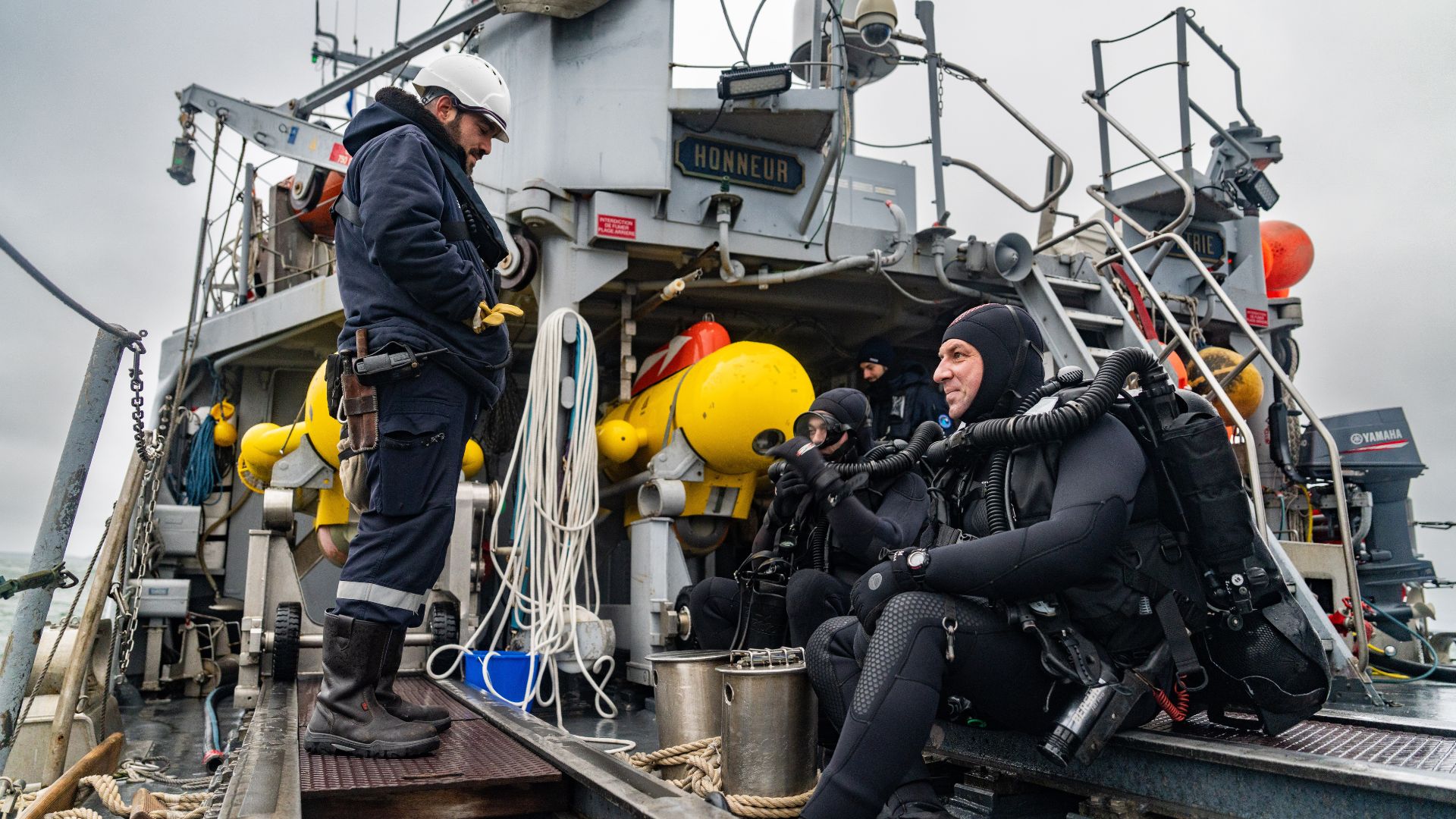
Exercise Freezing Winds
Throughout the exercise, naval forces, divers, and mine countermeasure teams from allied nations – including France, Estonia, and Latvia – practised joint operations, including detecting and neutralising underwater threats and responding to disruptions affecting vital sea lines of communication.
Commander Jānis Auce of the Latvian Navy, who leads SNMCMG1, said: "Exercise Freezing Winds underscores the strategic importance of joint training in the northern Baltic Sea region, where challenging conditions demand high-end capabilities and seamless interoperability."
He added that operating with the Finnish armed forces highlights a shared readiness and a collective defence through "multi-layered maritime scenarios".
Defending critical infrastructure
The exercise complements another Nato initiative in the Baltic Sea region – Ex Baltic Sentry.
Led by the Royal Netherlands Navy, the operation is focused on the 73-mile-long Oresund Strait, which separates Denmark and Sweden.
HNLMS Schiedam was among the ships deployed in the region, with her crew monitoring vessels and inspecting underwater structures for signs of any damage.
Nato's wider operation also includes support from maritime patrol aircraft, drones and satellites, providing a broad surveillance network across the region.
Since its inception at the start of the year, the alliance has reported that there has been no malicious damage to critical undersea infrastructure in the Baltic Sea, underscoring its commitment to security and resilience in this increasingly complex environment.
Join Our Newsletter