During the First World War, highly classified proposals were developed, outlining not just plans for mobilising military forces, but also the coordination of civilian and industrial sectors in the event of a war.
Maintained throughout the rest of the 20th century, various iterations of what became known as the government war book were updated and produced.
Following the end of the Cold War, the framework had been largely abandoned but, according to the head of the Armed Forces, Sir Rich Knighton, it is now making a revival.
Preparing for the worst
The government war book was assembled into three parts: pre-precautionary, precautionary, and war, along with the actions to be taken by ministers and officials in each of these periods.
The 1976 copy, a bundle of pages bound loosely by string, covered all aspects of national defence within a combined military and civilian structure. It covered everything from military mobilisation to the evacuation of hospitals, the closure of schools, and the rationing of food supplies.
Regularly rehearsed and updated, the war books made the UK one of the best-prepared nations in the face of conflict.
But it was costly to maintain and with the perceived end of the Cold War the book was subsequently shelved.
Asked by Sky News at the London Defence Conference whether the UK was reviving the government's war book, Air Chief Marshal Sir Rich said: "I think that's right.
"What we have seen since the end of the Cold War is the peace dividend being cashed in right across the nation and society.
"What Russia has done in Ukraine, what Russia was exposed to doing over our critical undersea infrastructure, that affects not just us, but the whole of Europe and the US – it's threatening, and that requires us to think differently,” he said.
He added that the UK needs to relearn some of the lessons from the Cold War, but "we're doing it in a modern context, with a modern society, with modern infrastructure".
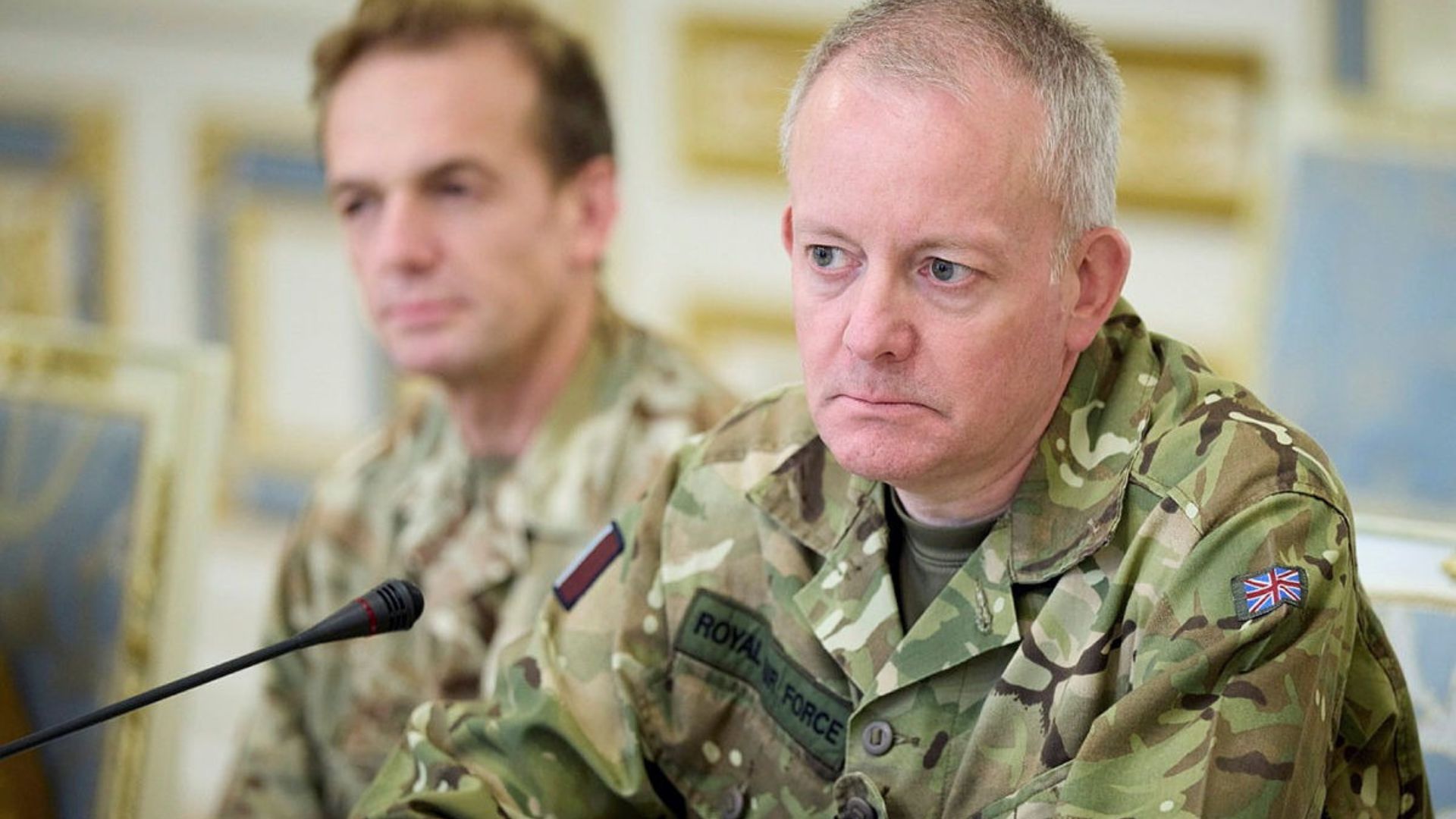
He described this transition as building "resilience" into both military and civilian infrastructure.
"I talked before Christmas of the need that when we think about renewing our water infrastructure or electricity or transport infrastructure, to think about the threat of action from an adversary that is above the threshold of war, not just a hybrid threat," he said.
"And think about how we build in that resilience as we renew it, and that requires making some different choices and different priorities, and that work that the Cabinet Office is doing across the whole of government is something that I really welcome."
Acknowledging that the threat to the UK is increasing, he told the conference there is a need to improve and spend more money on defence, and the relative peace the UK has enjoyed over the past 30 years is coming to an end.
"That requires us to educate ourselves and help the population understand some of those threats and help them understand what they can do to support the nation and potentially support the Armed Forces," he said.
Related topics
Join Our Newsletter