The truth about British blood spilled in US wars, by decorated veteran of Afghanistan and Iraq
"We have never needed them. We have never asked anything of them. You know they say they sent troops to Afghanistan, and they did. They stayed a little back, little off the frontlines."
I'm writing this from Iraq, where I've read Donald Trump's comments about Nato a few times now.
And each time, those words cut a little deeper. Not because they offend me personally – but because I can picture the faces of the families who should never have to hear them.
The widows. The parents. The children who grew up without a mum or a dad because Britain, and her allies, kept their word and stood by the United States.
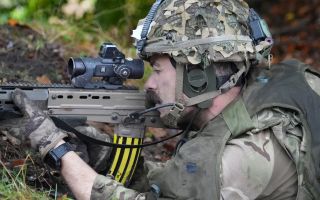
I served in Iraq. I served in Afghanistan. And I definitely didn't serve "a little back" or "off the frontline" – and neither did any of the 220,000 British servicemen and women who deployed to those wars. Nor did the men and women we stood alongside from across NATO.
We were shoulder to shoulder in dust, heat, fear and exhaustion. The same risks. The same enemy. The same blood.
In Iraq, during Operation Telic, 179 British personnel were killed. Around 3,500 were injured, many seriously, with more than 2,000 requiring medical evacuation.
In Afghanistan, during Operation Herrick, the cost was even higher: 457 British service personnel lost their lives, 405 to hostile action, with over 2,600 wounded, including 616 seriously or very seriously injured. Nearly half of those deaths were caused by IEDs – the most indiscriminate and psychologically brutal weapon on the battlefield.
When the United States was attacked on 9/11 – the only time Article 5 of Nato has ever been invoked – it wasn't debated. It wasn't hedged. It wasn't conditional. Every Nato nation answered the call.
British soldiers deployed not because we were asked nicely, but because we understood something deeper: an attack on one is an attack on all. That isn't bureaucracy. It's not some hollow mantra. It's the epitome of honour and duty.
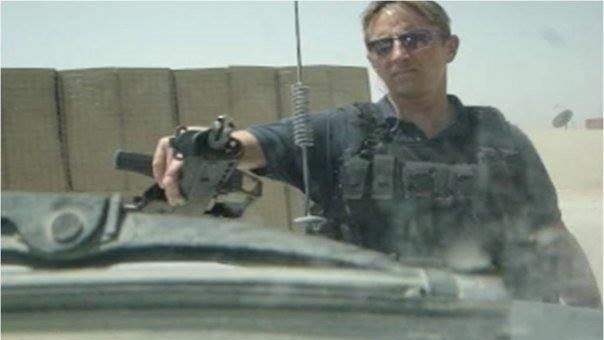
I've watched British soldiers run towards gunfire for mates they'd known for literally a matter of days. I've seen extraordinary gallantry carried out quietly, without cameras, without applause – because that's what decent people do when duty calls.
I've known men and women who never came home. I've stood with those who did, those who carry wounds you can't see – physical and psychological scars that will last a lifetime.
To suggest that allied troops somehow lingered at the back is not just insulting – it belittles the sacrifice of the hundreds of British dead, the thousands wounded, and the families whose lives were permanently altered.
Somewhere today, a bereaved family – British or otherwise – will read those comments and feel a tightening in the chest, a painfully familiar ache, and a question they should never have to ask: Was it worth it? Did it matter?
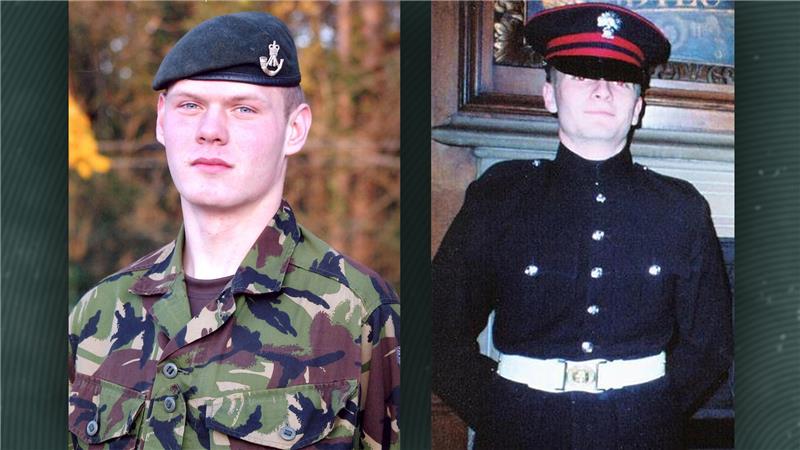
And I write this because it did matter. It mattered because Britain showed up. Because we always have. Because our Armed Forces are built on values that don't shift with opinion polls or personalities – duty, loyalty, courage, and a deep-rooted sense of decency that doesn't need fanfare or applause.
We didn't go to Iraq or Afghanistan to tick a box. We went because the world had changed, and standing aside wasn't in our DNA. We went knowing the cost, and knowing that many would pay it in full.
I am proud – deeply, unshakeably proud – of Britain's Armed Forces. Proud of their professionalism, their restraint, their humour in hell, and their humanity under fire. And more than anything, I'm proud of the families who carried the burden at home while their loved ones served far away.
Alliances aren't about convenience. They're about doing the right thing. About fighting what's wrong, believing what's true, and doing what's right. And when history looks back - past the rhetoric, past the politics and past the idiotic nonsense spouted by fools who've never been to war – it will remember this:
Britain did not stand back. Britain stood shoulder to shoulder. And on our very best – and our very hardest – days, the British Armed Forces showed the world exactly who we are, as they always have: forged by centuries of service, tempered by sacrifice, and bound by an unbroken tradition of duty and decency.
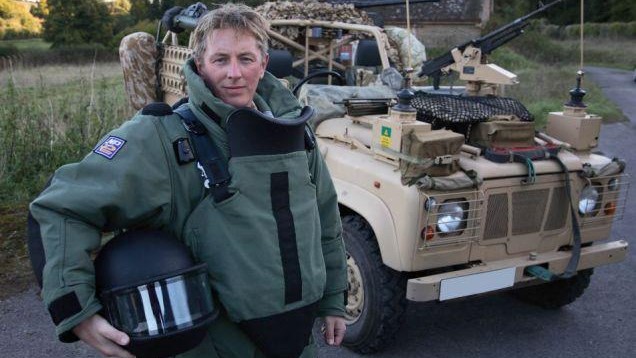
Major (Ret'd) Chris Hunter specialised in bomb disposal during his 17-year career in the British Army, deploying to theatres including Iraq and Afghanistan and spending four years attached to Special Forces.
Related topics
Join Our Newsletter