We're here, ready and able, says CO as Royal Navy Wildcats get sent to Cyprus

Deploying to Cyprus to take out Iranian drones is an unusual deployment for Wildcats, but one well within their capabilities, their commanding officer has said as two of the aircraft make their way to RAF Akrotiri.
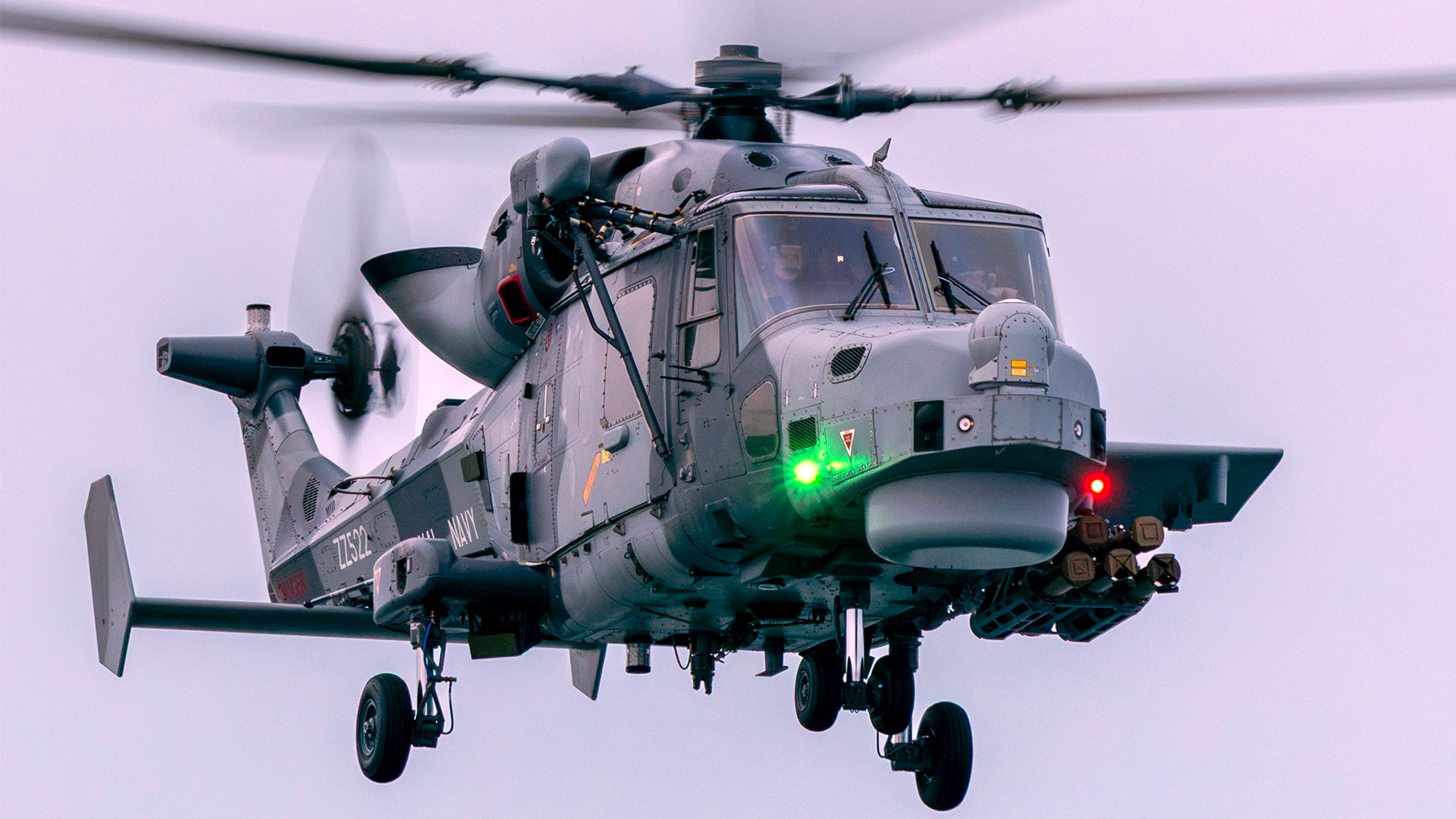
Commander Andrew Henderson, the CO of the Wildcat Maritime Force at Royal Naval Air Station Yeovilton, gave a run-down of what the Wildcat is capable of and how it can be used to protect the island from attack.
"So this is a true multi-role aircraft," he said. "The job we're being asked to do with it today by the Prime Minister is to take it out to the Middle East and do counter uncrewed aerial systems with it.
"But actually we're coming from the Royal Navy, we actually normally operate in the maritime [environment], so being able to shoot missiles at ships or uncrewed surface vessels, but actually we can do quite a lot more.
"We can also drop torpedoes against submarines. So there's plenty we can do and as a attack helicopter we're very versatile.
The Martlet's anti-drone capability
Cdr Henderson pointed out that the Wildcat can carry 20 missiles, explaining: "Those missiles are from Thales, made in Belfast.
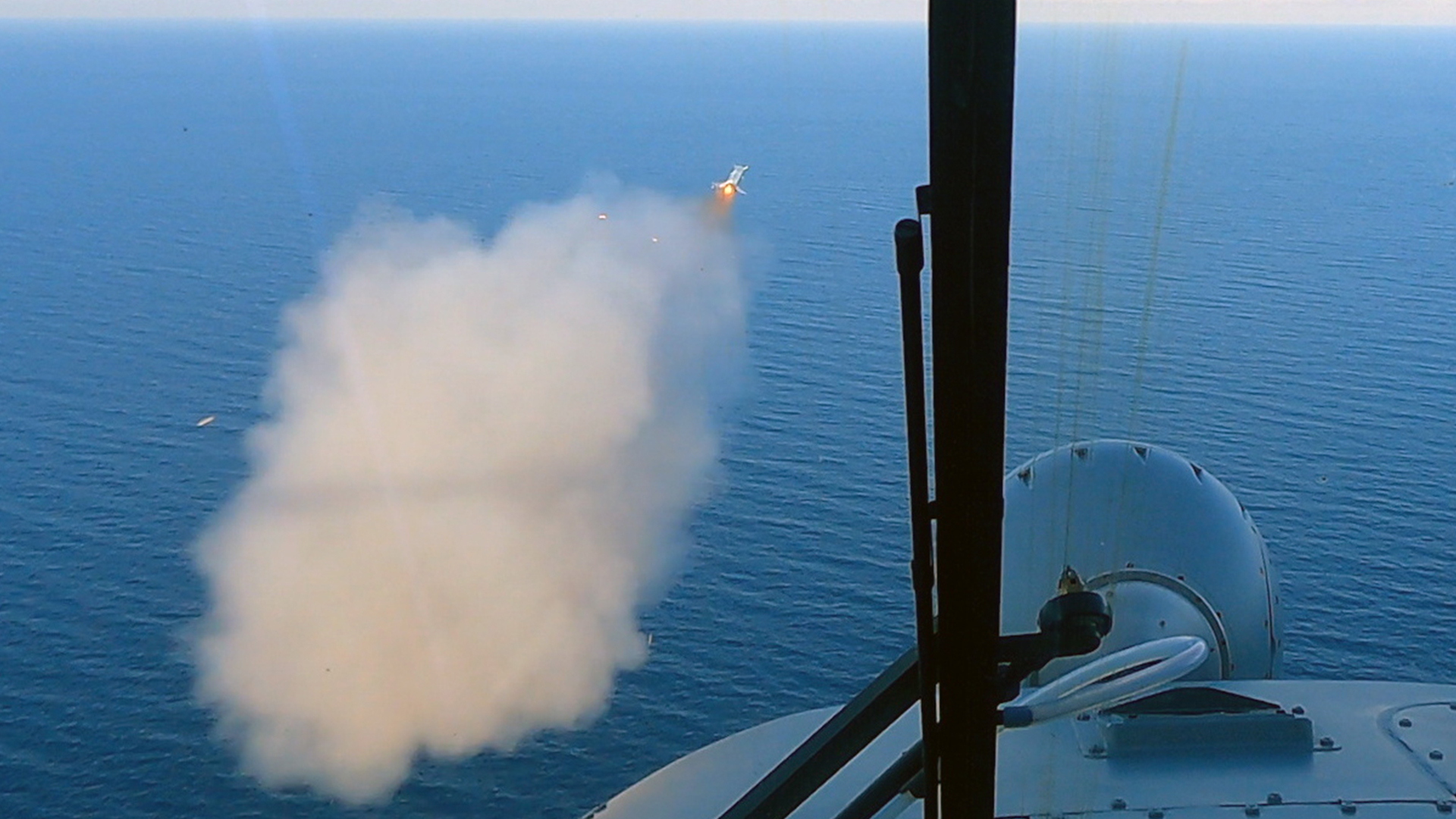
"They are Lightweight Multirole Missiles. We call it Martlet. It's a laser beam-riding missile that we are able to guide from the cockpit and destroy uncrewed aerial systems.
"We've had it on trial as a capability for around six months. We've taken it to the South of France and we've proven it with our French and Spanish colleagues.
"Everyone has been very impressed and we are delighted with the capability. So we're delighted to be able to offer this capability to the Prime Minister."
Deploying to Akrotiri
"We sit at readiness to deploy. We normally deploy to ships, so this is fairly unusual for us," he said of the move to RAF Akrotiri.
"We will be initially sending a small number of engineers and air crew, but that's our usual footprint. They will be jumping in military air transport provided by the RAF – so thank you to the RAF for your support."
Cdr Henderson said of the Wildcats' sudden deployment to the eastern Mediterranean: "I'd argue that's day-to-day business for the Armed Forces.
"We're here and ready and able."
Any time, any place
Cdr Henderson said the Wildcat was one of the best maritime attack helicopters in the world. It was developed from the Lynx, but is significantly more capable in use with both the Royal Navy and the Army.
"We are very fortunate to have received the first one of these about 10 years ago," he said. "I was part of the fielding squadron.
"We've developed it again and again to actually get to where we are today, which is a really capable attack helicopter for the maritime. But as we are now showing also has versatility to counter unmanned aerial systems.
"And we can use that any time, any place around the world."
Join Our Newsletter