Leave Northern Ireland veterans be – inquests and investigations are no way to truth or peace
Two days after Christmas in 1997, Glengannon Hotel doorman Seamus Dillon, 45, was shot and killed by a loyalist paramilitary group.
The inquest into Mr Dillon's death was concluded under the Legacy Act 2023, leaving his killing unsolved.
Families of those who lost loved ones during the Troubles argue that the act is incompatible with the European Convention on Human Rights and undermines victims' rights protected by Article 2 of the Windsor Framework.
Following the recent landmark judgment in the Dillon case by the Supreme Court, Philip Barden, a partner at Devonshires Solicitors who has represented more than 700 Northern Ireland veterans, questions below whether the government truly seeks the truth about the Troubles.
Reflecting on the Supreme Court judgment, Dillon, the words of Oliver Hardy come to me, "that's another fine mess you've got us in to".
Already, victims' groups have stated that they intend to take this matter to the European Court of Human Rights and that they will not engage with the Legacy Commission.
Veterans' groups, meanwhile, are equally unhappy with no immunity and the possibility of criminal prosecutions.
So far, the Government has not grappled with the fundamental problem, namely that you do not get to the truth by investigations, inquests, civil and criminal proceedings.
That has failed for 30 years and the reason is simple.
These events occurred between 28 to 56 years ago so most of the records have been lost.
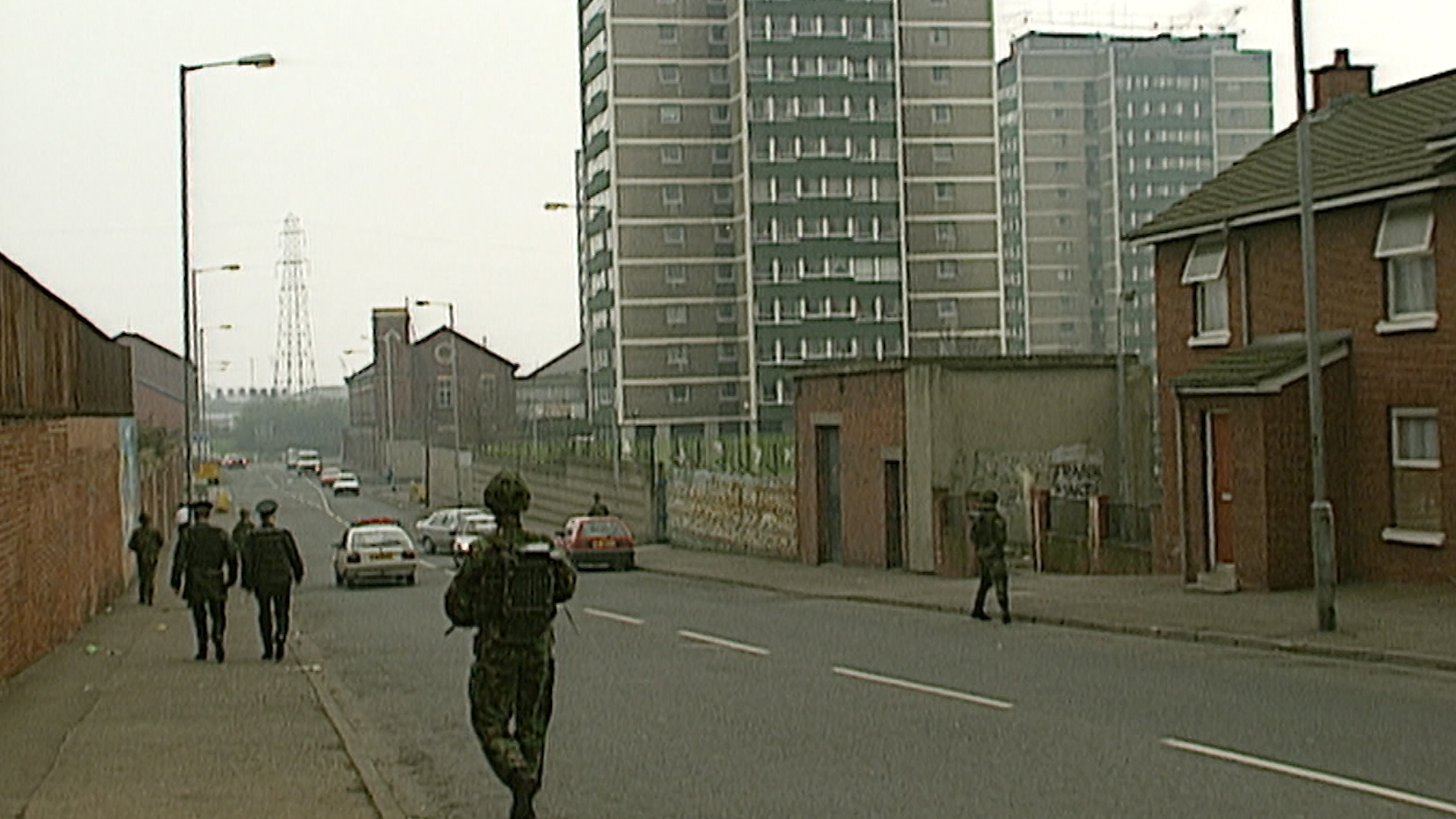
For example, the Springhill Inquest, which concluded on 30 April this year after several years of hearings, investigations and deliberations, concluded that it was unable to identify any of the soldiers who discharged firearms because the records had been lost.
The same applied in the Ballymurphy Inquest, which was decided several years ago.
Yet lessons are not being learnt.
If the Government is engaged in a search for the truth (which is its stated aim), then that can only be achieved by the individuals who were involved telling what they know.
This would be similar to the South African approach of truth and justice.
A crucial advantage of this is that it has been shown to work, which stands in marked contrast to our efforts.
Ninety percent of the killings and injuries were the work of terrorists [according to the Counter Terrorism Project] and I am sure the security services know who most of these people were.
By offering immunity in return for telling the truth, the whole truth and nothing but the truth, we stand a chance of getting to where the Government wants to go and finally revealing some answers.
But we must recognise there is no realistic alternative in the search for the truth.
Despite this, the Government abandoned conditional immunity before the Supreme Court.
The Supreme Court nevertheless addressed the issue and stated that immunity is not necessarily incompatible with the Human Rights Act (HRA).
There has to be a balancing of rights, and ultimately, that is a judgment call.
Also of importance is that the Human Rights Act only applies from October 1988 onwards.
Therefore, in respect of the vast majority of the killings, immunity can be offered on the basis that the HRA is not engaged.
If immunity is not offered, then everyone has the right not to answer questions in civil proceedings, which may implicate them in a criminal offence.
So, if a person discharged a firearm in circumstances they believed were perfectly lawful, but in which they have reason to believe another may say were unlawful, then that person can refuse to answer questions.
In the context of Northern Ireland, why would anyone not remain silent?
To answer questions, you expose yourself to a minimum of seven years of litigation through the Courts, possibly ending in a criminal trial.
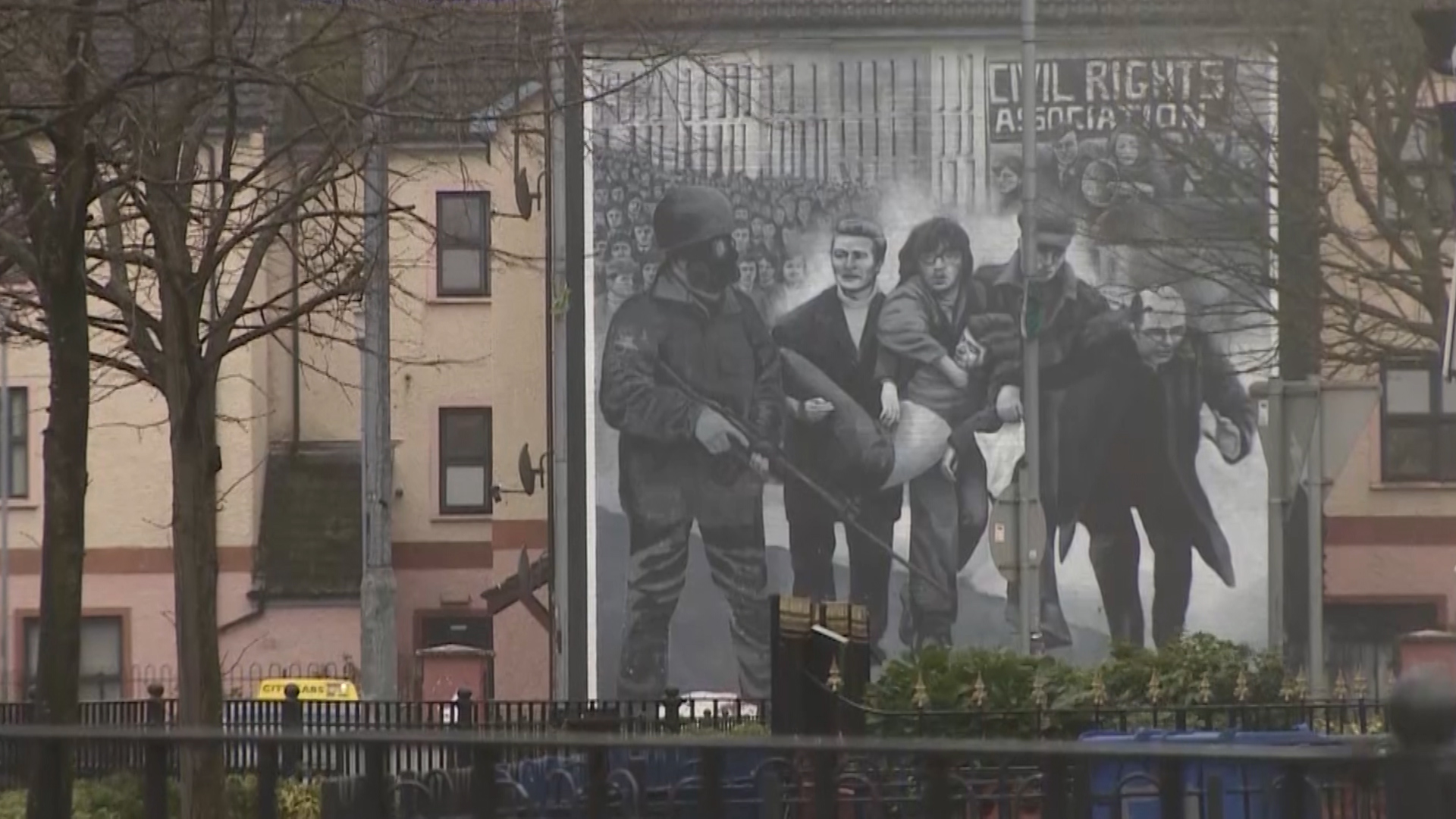
So, the Government has to make the choice it has so far avoided: is it looking for the truth, or to apportion blame and hold people accountable?
It cannot do both.
The Labour Government is now discovering, just like the Conservatives did before them, that all they have done is to unite the disparate factions against the proposed legislation.
Indeed, the politicians have unquestionably failed, so perhaps now is the time to set up a commission to report on the best method by which truth and reconciliation can be achieved in Northern Ireland.
This can be time-limited to say six months.
After that point, we might be able to finally close the book on this sad chapter and let the brave veterans who served their country in Northern Ireland enjoy their retirements in peace.
That is the very least that they deserve.
Related topics
Join Our Newsletter