Money's powerful, but it can't buy capacity: Building strong defence industrial base takes time
When a crisis hits, there is a familiar assumption that governments can spend their way to security – announce a funding increase, place some orders and the capability will follow.
The reality is far more complex and far less reassuring.
The growing gap between political defence announcements and deployable military capability has exposed a material strategic vulnerability for the UK.
The UK's defence challenge today is not simply financial, it is fundamentally industrial and recent conflicts have exposed this gap in stark terms.
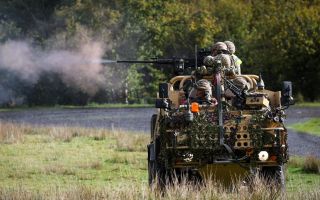
In Ukraine, the war has been shaped not only by manoeuvres on the battlefield, but by industrial endurance.
The ability to produce drones, munitions and systems at scale and sustain that output over time has proved decisive.
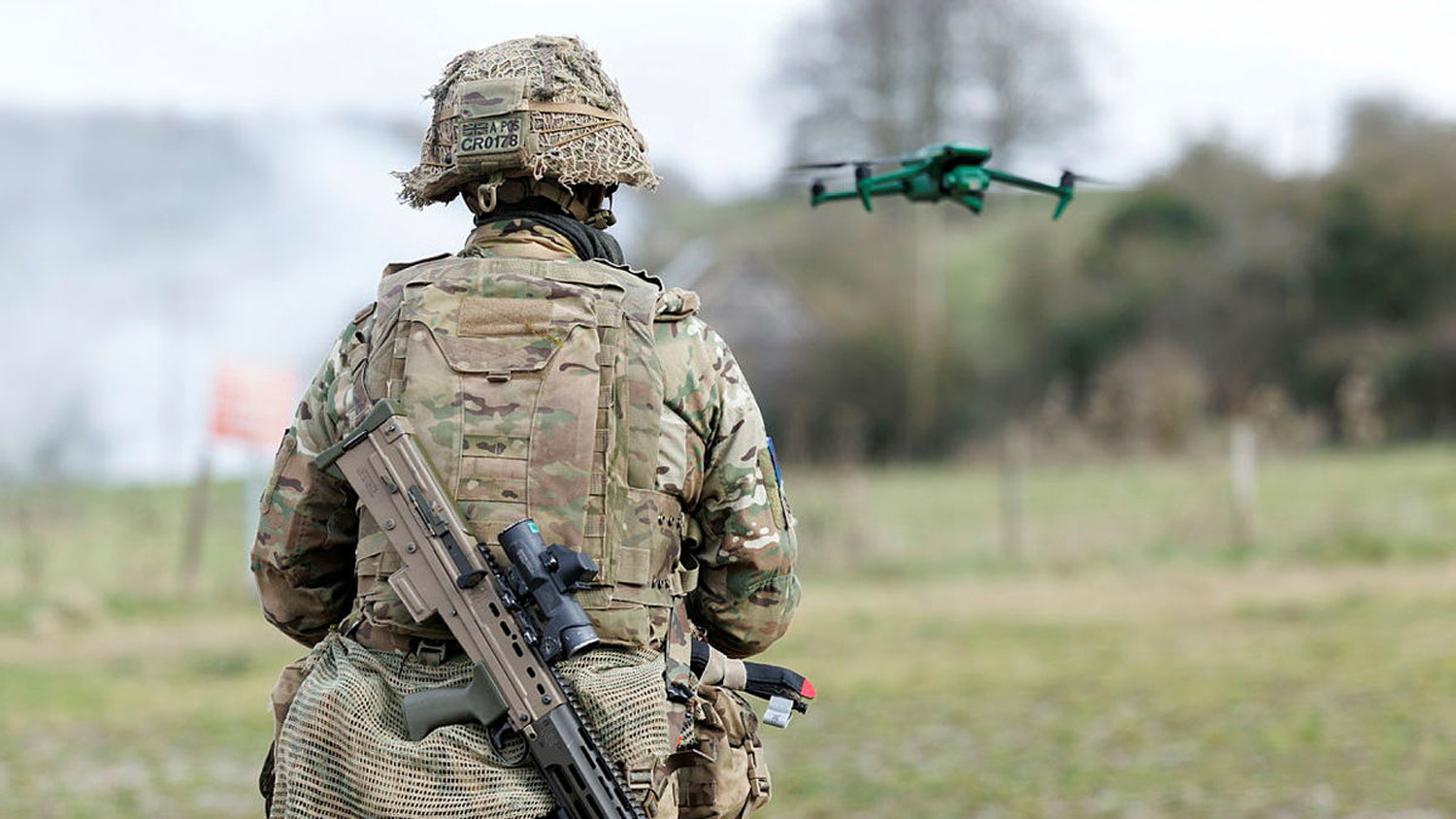
Drones alone now account for a significant share of battlefield effects.
The side that can produce, iterate and deliver capability fastest gains the advantage.
The same dynamic is visible beyond Ukraine.
Escalation involving Iran and its regional proxies, alongside continued Russian aggression, has demonstrated how quickly threats can intensify and how slow national responses can be when capability is not already in place.
This is where the gap between spending decisions and real-world capability becomes critical.
Defence capability cannot be surged on demand.
It is not a budget line or a procurement decision, but the ability to deliver sustained military effect when it matters.
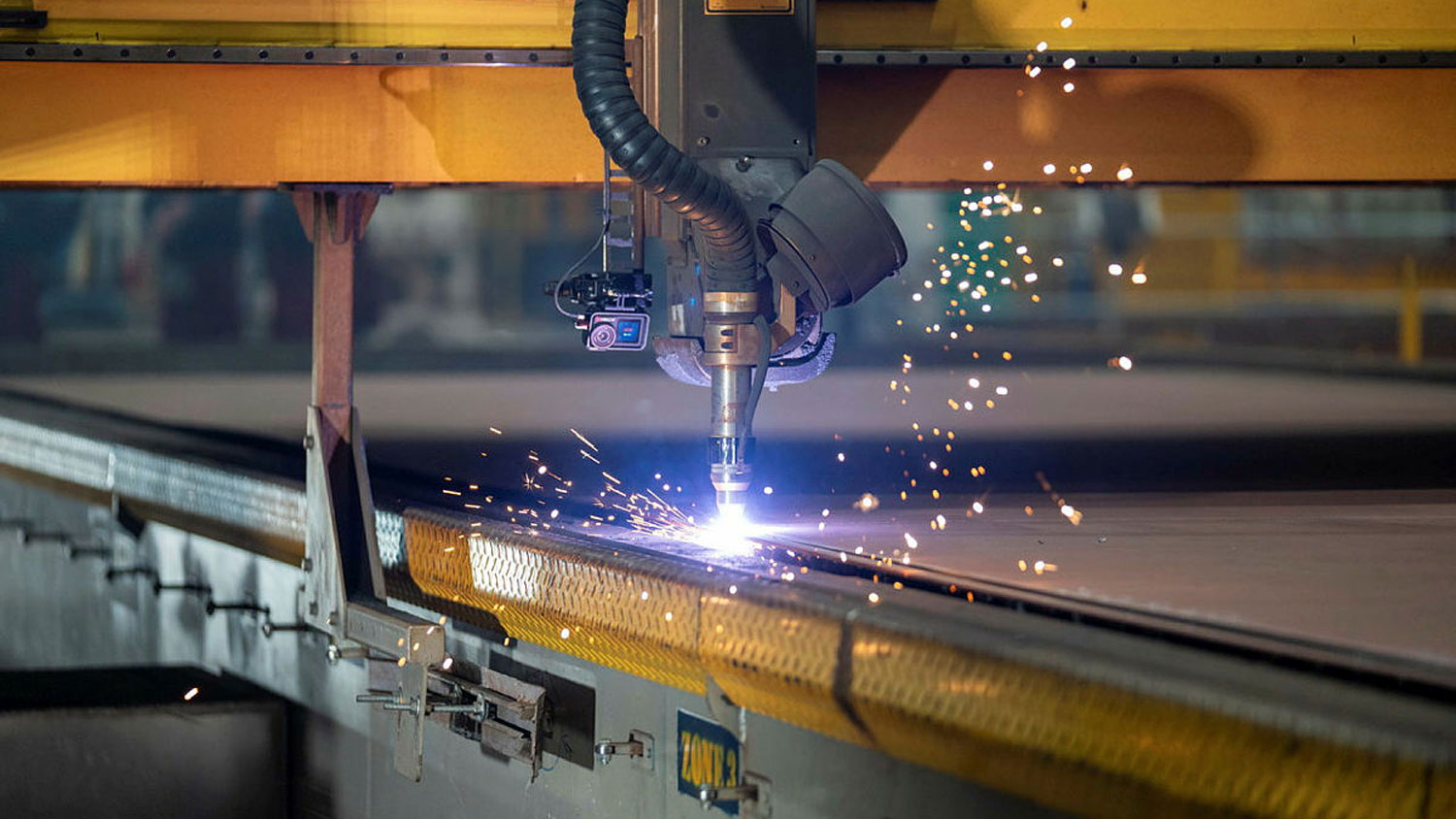
It is the product of long-term investment in industrial capacity, skilled labour and resilient supply chains, many of which are fragile and globally dispersed.
Even when funding is increased, translating that investment into deployable capability often takes years.
The UK has recognised the need to increase defence spending, with commitments to raise it and strengthen national resilience.
That investment is necessary, but not sufficient.
Without corresponding industrial readiness, additional funding risks arriving too late to shape outcomes, constrained by production bottlenecks, workforce shortages and supply chains unable to scale at pace.
Recent experience illustrates the problem.
Delays in procurement decisions and uncertainty over long-term demand have limited the industry's willingness to invest in new capacity.
Defence firms are understandably reluctant to expand production lines or train specialist staff without confidence that orders will be sustained beyond a single spending cycle.
Surveys of UK manufacturers suggest that while some firms can increase output in the short term, a significant proportion cannot expand at all, pointing to structural constraints in the industrial base.
In short, money matters, but only where industrial capacity already exists.
This is why recent defence policy has placed renewed emphasis on sovereign capability and the strength of the UK's industrial base.
Defence is no longer just about platforms and personnel – it is about the systems, supply chains and production capacity behind them.
Industrial capacity is not a secondary concern.
It is a strategic asset that directly shapes deterrence and warfighting effectiveness.
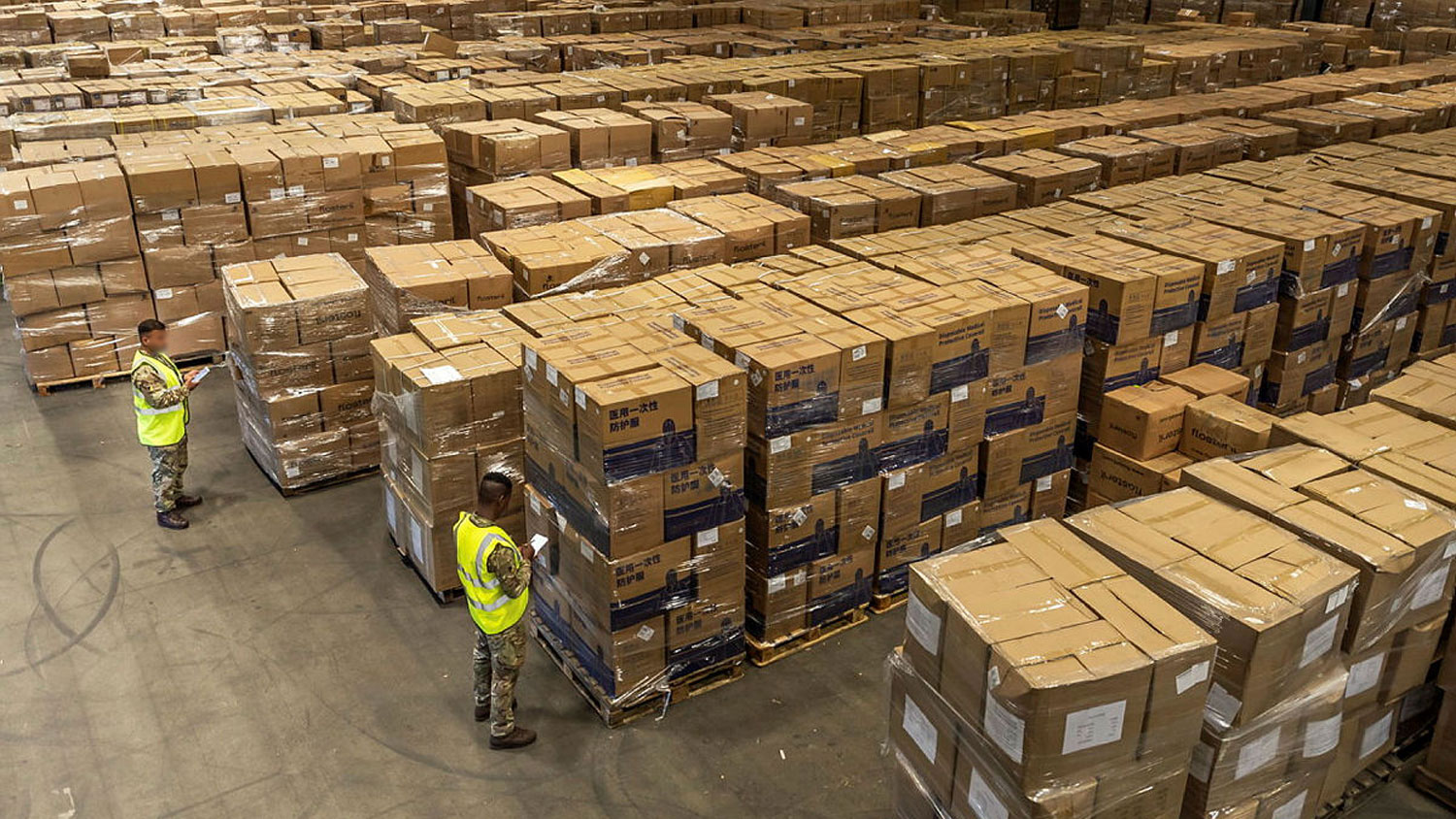
An adversary is deterred not only by what sits in today's inventory, but by confidence in how quickly that capability can be replenished, adapted and scaled in a prolonged crisis.
Recent conflicts have shown that the assumption industry can always surge when required is increasingly unreliable.
Capacity that does not exist cannot be conjured quickly and skilled workforces, tooling and supplier networks cannot be rebuilt in months.
A critical part of that resilience lies in regional supply chains.
Defence capability is not delivered solely by prime contractors.
It depends on networks of small and medium-sized enterprises, specialist manufacturers, technology firms and logistics providers, many of which are regionally based.
These clusters provide the depth and flexibility required to surge production when demand rises.
When they are strong, they enable faster innovation and more resilient supply chains.
When they are weak or fragmented, the entire system slows and becomes more vulnerable.
But there has been progress.
Increased collaboration with Ukraine on drone development and production shows how industrial partnerships can accelerate capability development and deployment, but significant challenges remain.
Years of underinvestment, globalised supply chains and a procurement system designed for predictability rather than rapid iteration have left the UK with limited ability to respond at pace.
Recent commentary has warned that the UK risks being "underprepared" not through lack of intent, but through lack of industrial depth to act quickly when conditions change.
This is the uncomfortable reality.
In an era of accelerating threats and rapid technological change, defence effectiveness is defined not just by how much is spent, but by how quickly capability can be delivered and sustained.
Defence spending is essential but unless it is directed, sustained and aligned with industrial capacity, it risks becoming little more than a headline.
Ultimately, this is not a budgetary problem; it is an industrial one.
Della Heptinstall is an Associate at Walker Morris and advises defence manufacturers and their investors.
Related topics
Join Our Newsletter