The recruits that can't be recruited: How veterans can break into the tech sector
For many ex‑service personnel, transitioning from military to civilian life brings significant challenges, one of the most immediate being the ability to secure stable, long‑term employment.
Despite the valuable skills and experience they offer, only around 30% of UK businesses report actively hiring talent from the ex‑forces community, highlighting a clear gap between potential and opportunity.
Although ex‑service personnel rank among the UK's most highly trained and adaptable professionals, over 52.5 per cent of veterans accept roles below their skill level, leaving their valuable transferable skills underused and their confidence diminished.
This is not a reflection of capability, but rather a reflection of how difficult the transition into civilian work can be, especially in fast-growing sectors like technology, where the demand for skilled people continues to rise.
By supporting service leavers through structured programmes and targeted upskilling, organisations can help them adapt the skills they already have and give them the industry knowledge needed to move confidently into tech roles.
The transition challenge

Leaving the forces means navigating a complete shift in environment and expectations. Many ex-forces move from a world where competence is demonstrated through action and teamwork, to one where it is judged primarily through CVs and job titles.
This disconnect can create both practical and psychological hurdles, where ex-military professionals are suddenly expected to translate years of structured, high-pressure experience into language that aligns with fast-moving digital and tech roles.
Alongside these practical barriers are the psychological ones.
Confidence can take a hit when highly capable individuals find their experience dismissed simply because it isn't written in the language civilian employers recognise.
The talent lost in translation
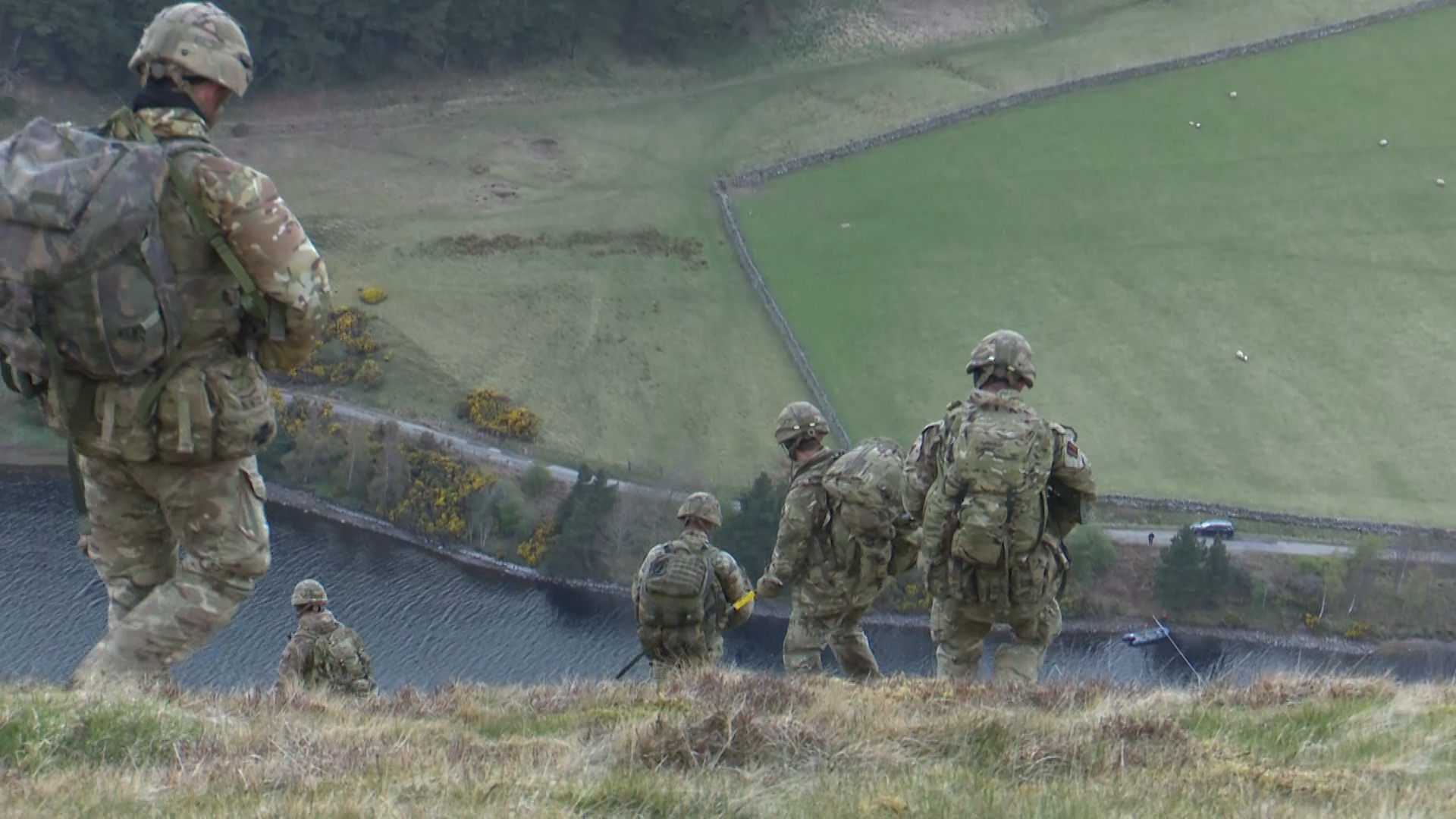
This gap in understanding continues to persist, despite strong evidence of value.
A recent survey found that 91% of employers who have hired ex-forces personnel have reported positive changes that improved business performance, with the most frequently cited benefits being a stronger work ethic, better resilience and enhanced problem-solving abilities.
Soft skills shaped in the military, such as communication, organisation, leadership and teamwork, are consistently cited by employers as major strengths.
Alongside this, many veterans also bring deeper technical capabilities, including cybersecurity, logistics, technology and advanced problem-solving that translate directly into roles across the digital and technology sectors.
However, because military terminology rarely aligns with commercial language, organisations may underestimate the depth of experience behind them and miss out on the skills they urgently need.
Over the course of a military career, individuals develop an abundance of transferable skills, which can be translated into civilian roles, many of which are less common among those lacking military experience.
From service to strategic advantage
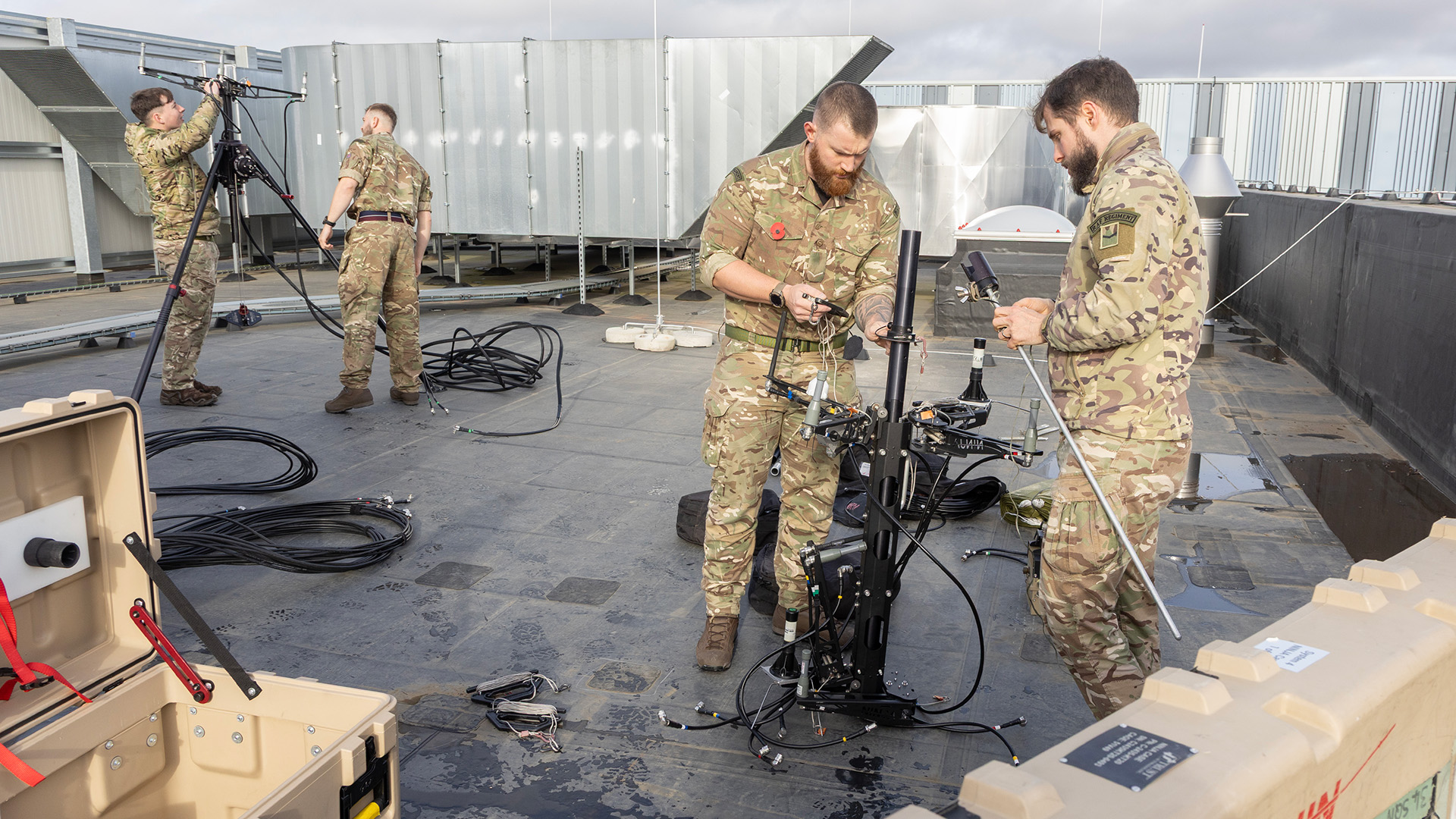
For organisations facing a growing digital skills shortage, ex-servicemen and women represent a valuable talent pool hiding in plain sight.
Many of the fastest-growing areas in tech, such as cybersecurity, cloud operations, software testing, data analysis and IT management, align naturally with the experience gained in military roles.
Service personnel are used to working with complex bespoke IT systems and responding to incidents under pressure, making them well-suited to a wide variety of roles, such as a cybersecurity analyst, cloud computing engineer or software tester.
Training is a crucial part of unlocking this potential. By giving individuals access to structured programmes and targeted upskilling, organisations can build on the skills they already have and align them to the needs of today's digital roles.
This helps them build industry-ready skills, while allowing organisations to develop talent that fits their specific business requirements. With the right training pathways in place, ex-forces can transition smoothly into tech careers and contribute at a higher level.
When organisations shift their attention to these capabilities, such as problem-solving, they can create a highly skilled and motivated workforce. Ex-forces also have a role in this process, as being able to communicate military experience in civilian language and seek targeted upskilling where needed can make a significant difference to their transition.
With the right understanding and structured pathways, organisations can turn the experience of ex-forces personnel into a genuine strategic advantage.
James Murray is the head of ex-forces recruitment, UK at FDM Group, a technology and recruitment business
Join Our Newsletter