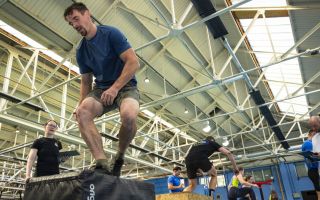
Take the blinkers off and feather your nest: Veteran shares his advice for success on civvy street

How I Got Here is an ongoing series from BFBS Forces News that focuses on the transition from the military to civvy street. We've spoken to veterans whose military careers have come to an end, either by choice or through a life-altering event. As people who have been there and done that, they offer invaluable advice for those considering leaving or who need some support right now.
"I don't think veterans really know how far they can go... or how much opportunity is out there for them."
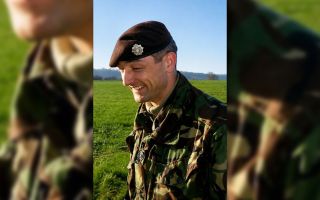
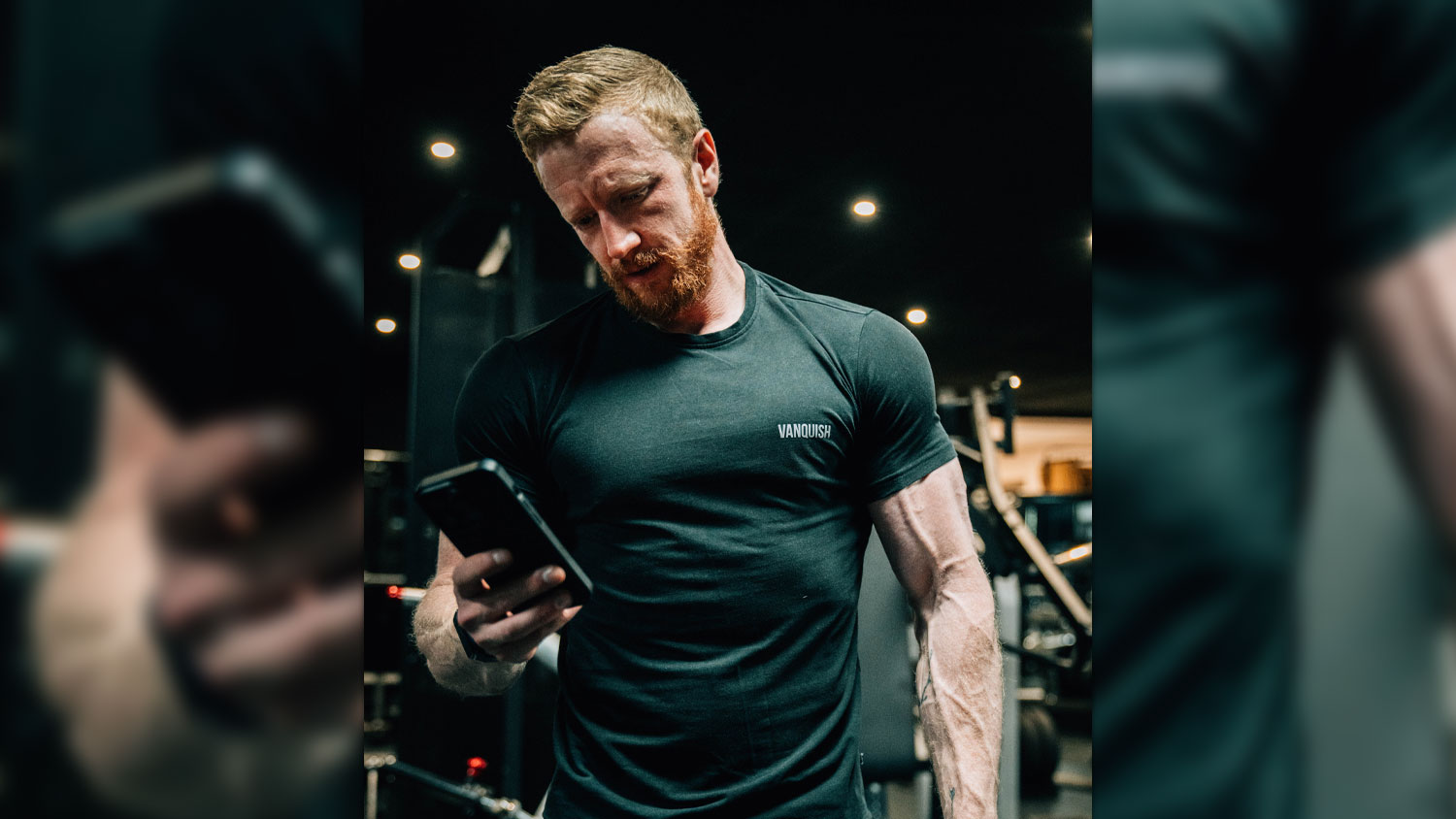
Sage words from Chris Ashford, a British Army veteran-turned-online coach and transformation specialist.
The former Artillery Officer wanted to take part in the How I Got Here series because his own transition to civvy street left him with the skills needed to help service personnel, veterans and civilians achieve their goals.
Mr Ashford speaks passionately about the choices facing service personnel as they head towards civvy street and how some people leaving the Armed Forces feel obliged to take the obvious route for veterans, such as banking, security or the police.
He said: "Just because you are the perfect advertisement to company A, offering you salary B, doesn't mean that that's the route for you.
"It's great to have these opportunities, but don't neglect the fact that you have a whole world of experience that you can put out there and give."
Too often, he sees veterans regret the career decisions they've made because they were too focused on getting the first job they find as soon as possible.
His advice? Open your eyes to the possibilities available to you, and if your job search takes an extra month, then so be it, as taking that extra time could positively impact your mental health and wellbeing in the future.
But mortgages need to get paid, and food needs to be bought, so how can you prepare for such a luxury?
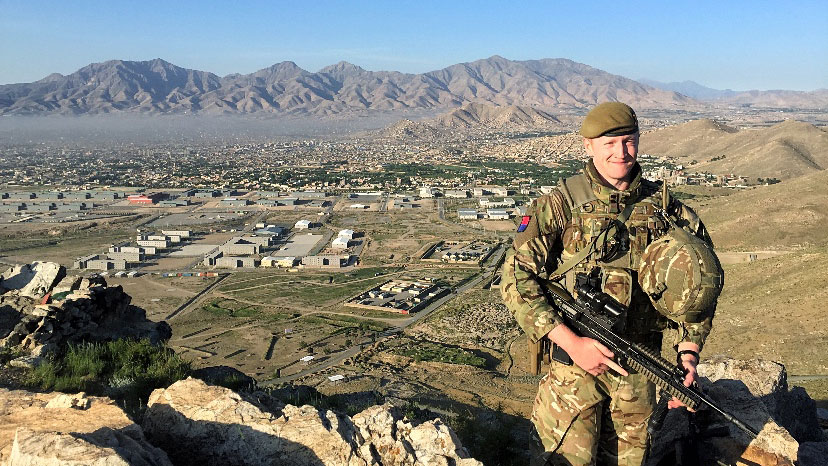
Feather your nest
As the old military-associated saying goes – proper planning and preparation prevent p*** poor performance.
In other words, start working on your civilian life now, before you leave.
Take the courses on offer because passing them gives you options.
Mr Ashford was determined to do two things before he signed off – get his project manager's qualification and use learning credits to get an MBA, a degree focused on business administration.
He also reached out to people further down the transition process than him to get advice from veterans who knew what they were talking about.
He said: "Everyone had their own story, but everyone had their own challenges as well.
"Some people pulled the trigger very early and took that first opportunity for that pipeline scheme... and the message I got from that was that you are effectively still in the military, but you're just in a different uniform because it's run by military."
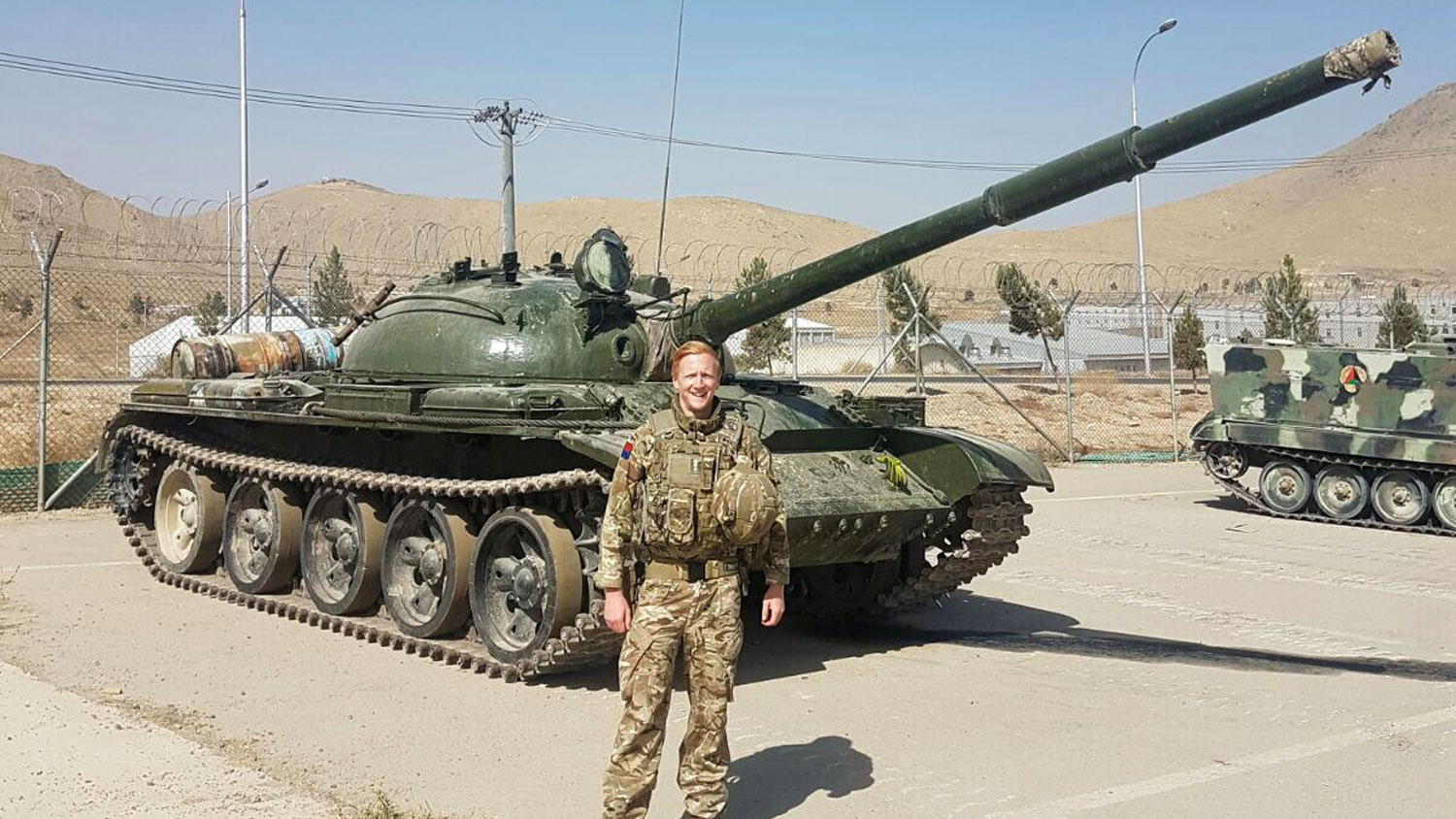
Save, save, save
For several months near the end of his military career, Mr Ashford had a side hustle.
By this time, Mr Ashford was the Executive Officer for the Brigadier at Initial Training Group and was known for being very physically fit.
So much so that people were asking him to put large-scale training programmes together for them.
And then Covid hit, and in 2021, his skills were put to good use – by the RAF.
Because Covid restrictions meant recruits couldn't go on to base to take their Pre-Joining Fitness Test, people were turning up unfit and becoming injured.
To counteract this, Mr Ashford created a remote alternative and helped about 600 RAF recruits complete their Pre-Joining Fitness Test in 2021.
This outside-the-box thinking helped him launch the global physical transformation and online coaching business he has today.

He said: "I was thinking, if I could earn a little bit of extra money to supplement my income, that's going to be great, a bit of security."
In the period between deciding to leave and finding himself on civvy street, Mr Ashford had saved enough money to give himself a few months to focus on finding a satisfying career.
Don't fear failure
While Mr Ashford has a globally successful business helping veterans, service personnel and civilians, he admits he's tried his hand at several different businesses over the years and not all of them have succeeded.
He says, it's what you do when things go wrong that can make or break you.
"Those failures exist to allow that one success that you need," he said.
"I've learned a little snippet from each of them, and I've built something within the health and fitness space, which has always been my passion."
Starting a family
And being passionate about what he does really matters to Mr Ashford.
He loved his time serving with the British Army and says he "wouldn't change it for the world" despite how hard it was at times.
But, eventually, he felt his military career wasn't stimulating enough and he was desperate to start a family and put some roots down and so, at the start of 2020 he put in his notice.
However, his wife was undergoing fertility treatment at the time and so, amidst the uncertainty of the COVID pandemic, the officer decided to stay in for another six months.
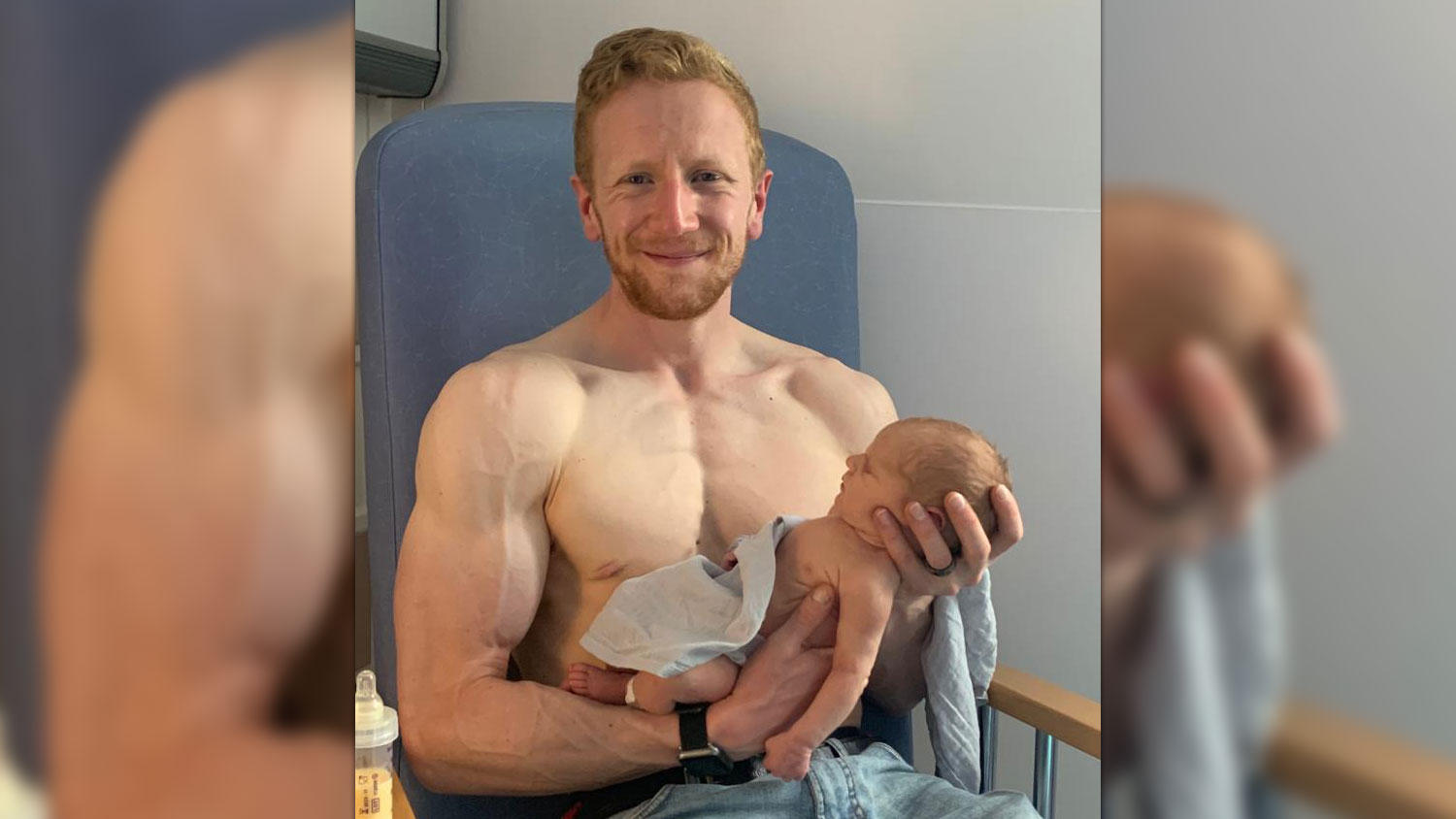
In the end, Mr Ashford's son was born six weeks before he officially left the Army.
He said: "I wanted to be there for my son and I think I saw him every day for the first three years of his life and held him which is something that I just wouldn't have been able to do in the Army.
"So I didn't really have a plan, but I was confident that I had the skills, the experience and the knowledge to be able to make something of myself when I left."
TOP TIPS
You're more than your job
Mr Ashford has seen many veterans forget one crucial thing during their search for success on civvy street – don't forget to find the fun.
Sure the mortgage needs to be paid on time, but when you were serving, you were more than just your job.
Your role was multifaceted and gave you the chance to do a variety of things, such as travel the world, take part in competitive sports and spend time in the great outdoors.
Whether it's playing golf with friends, learning to play an instrument or taking time away to read a good book, finding something on civvy street that can be just for you could really help you feel balanced.
Communication
Mr Ashford says one of the most difficult things he encountered on civvy street was finding a way to properly communicate with civilians.
As all serving personnel, veterans and military families know, the Armed Forces has a very specific communication style – direct and concise.
He says: "Learning how to communicate effectively is the biggest lever I think anyone can pull to be successful on civvy street."
Unless you're now working in the emergency services, it's unlikely what you need to say to a colleague is a matter of life and death.
However, don't drastically change how you communicate with people because there are benefits to being able to confidently express yourself, but watch how other civilians interact with each other and start to bring elements of their style into your daily routine.
He said: "Reflecting and understanding that language and putting it back at them is a great way to build trust as well."
Changes to your identity
Your identity is so closely attached to your job, routine and uniform when you're in the military.
Many of Mr Ashford's veteran clients come to him to regain strength, energy and identity.
When service personnel make the transition to civvy street, the identity that has been drilled into them since basic training is that they are fit, healthy and capable.
However, bringing that same approach to an environment which isn't the military can have its downside.
Some civilians don't have the same work ethic as veterans, and so service leavers put 100% into their job and become incredibly efficient, but sometimes the balance can tip too far to one side.
Suddenly a formerly active veteran spends a lot of time sitting at at desk without a plan for keeping fit and no one telling them when and what they can eat.
But while their routine has changed, their identity hasn't and so, bit by bit, while their career might flourish, their stress levels will increase and fitness levels could go down.
He said: "These are the things that will constrain a veteran to a point where they are going to break.
"It's critical that you start to live life as a civilian before you take that uniform off, because if you don't, you're going to fall into a trap where your health suffers and then as a result, your family is going to suffer."
Related topics
Join Our Newsletter