Putin's African ambitions in doubt as troops forced to abandon major base in Mali
After pulling back from Syria earlier this year, Russia now appears to be on the back foot in Mali as well.
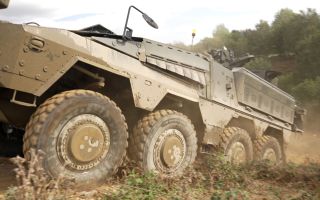
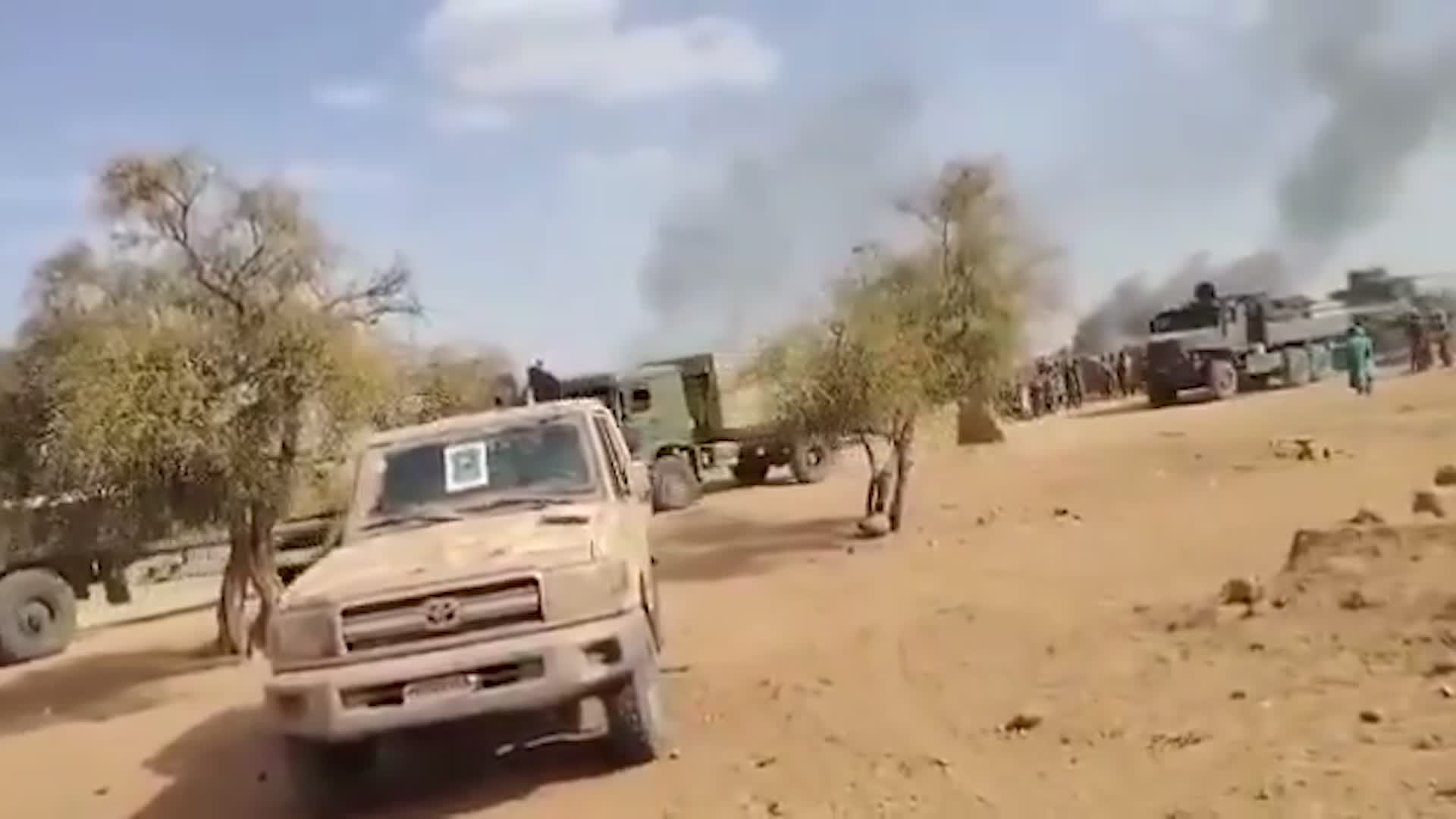
New footage shows Moscow's so-called Africa Corps abandoning a key base in the north of the country.
This raises bigger questions. What does this say about the Kremlin's global reach and its influence in Africa? Why does Mali matter?
Western powers forced out first
Mali is a vast landlocked country in West Africa, about five times the size of the UK, and for years it's been plagued by Islamist insurgencies linked to Al Qaeda, as well as uprisings by Tuareg separatist groups in the north who want their own state.
But now for the first time those two competing forces appear to be joined together, launching simultaneous attacks across the country and even killing senior government figures.
For many years Western powers tried to quell this instability. France intervened in 2013 and spent nearly a decade fighting jihadist groups, losing 53 soldiers in the process.
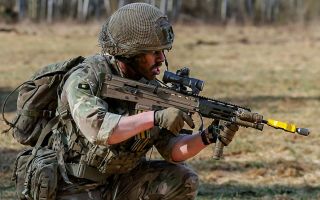
The UK also deployed troops and aircraft to the Sahel region as part of Operation Newcombe, supporting both the French and a large UN peacekeeping mission.
Russian forces started appearing in Mali in numbers in 2021 – by then the French and the British were on their way out because of growing political instability.
The country was taken over by a military junta, and Mali's neighbours, Burkina Faso and Niger, also expelled French and American troops.
Exploiting an opportunity
That created an opening for Russia to step in, offering a different kind of partnership: security support without political conditions.
The idea was "we'll help you out, but unlike those Western powers we won't meddle in your politics or ask for anything difficult like democratic reforms".
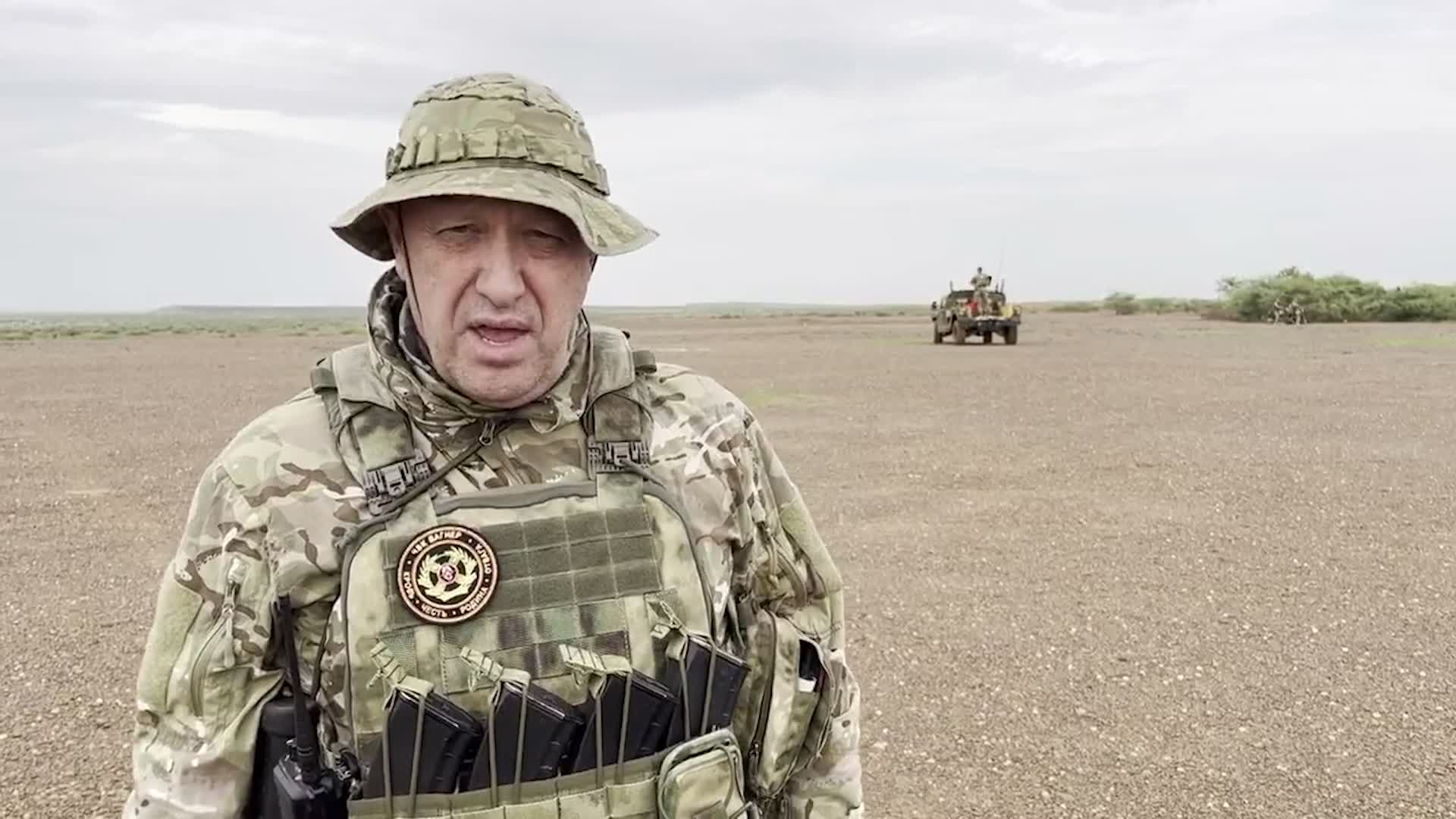
Soon afterwards around 1,000 mercenaries from the Wagner Group arrived, the private army led by Yevgeny Prigozhin, the same man who launched a brief rebellion against Vladimir Putin in 2023 before dying in a mysterious plane crash.
After his death, Wagner forces were put under Russian MOD supervision and rebranded as the Africa Corps, but reports suggest this new force isn't as effective, which may explain what we're seeing now, with Russian-backed troops forced to abandon a key base at Kidal.
All of this comes as Russia is also scaling down its presence in Syria.
For Vladimir Putin this matters because he has been trying to position Russia as a reliable alternative to Western military intervention, especially in countries facing insurgency or political isolation.
African deals helping to fuel war in Ukraine
Africa is central to that strategy, rich in natural resources like copper, cobalt, platinum and oil.
Russia has signed lucrative mining and energy deals across the region that bring in billions of dollars, an income stream that helps fund the war in Ukraine.
There's also a political dimension to this. Africa's 54 countries make up the largest voting bloc at the United Nations, and many of them take a more neutral stance on Russia's invasion of Ukraine, providing Moscow with valuable diplomatic support.
Russia is not actually leaving Mali – and the Kremlin is only calling this a "tactical withdrawal".
But losing ground in Mali on top of setbacks elsewhere undermines the image Putin is trying to project – that Russia can bring stability where the West could not.
It also exposes a harder truth that even with mercenaries, military resources and political deals, there are limits to Vladimir Putin's African ambitions.
Join Our Newsletter