From injury to Invictus: How one RAF veteran rebuilt her life by saying yes

How I Got Here is an ongoing series from BFBS Forces News that focuses on the transition from the military to civvy street. We've spoken to veterans whose military careers have come to an end, either by choice or through a life-altering event. As people who have been there and done that, they offer invaluable advice for those considering leaving or who need some support right now.
When Royal Air Force veteran Rach Williamson was seven, she had dreams of swimming at the Beijing Olympic Games in 2008.
However, despite reaching the finals at the Commonwealth Trials, her Olympic dream came to an end when she wasn't selected to be part of Team GB.
And so, a year before she was planning on swimming her way to victory in Beijing, she joined the RAF as a Physical Training Instructor (PTI), starting on a path that was to lead to her making history as the first female captain of Team UK at the Invictus Games despite an injury that left her with the use of only one arm.
Now on civvy street, Miss Williamson works at the neuro‑rehabilitation unit at Stanford Hall, but her military career and transition to civilian life were far from simple.
How did she get here and what advice does she have for others?
A journey shaped by setbacks
With her Olympic dreams dashed, Miss Williamson needed a new focus.
As her sister was in the Royal Navy, she thought she'd join too – imagining, as many teenagers might, that it would be like a holiday together.
But those plans changed when her sister left the Senior Service while Miss Williamson was finishing college.
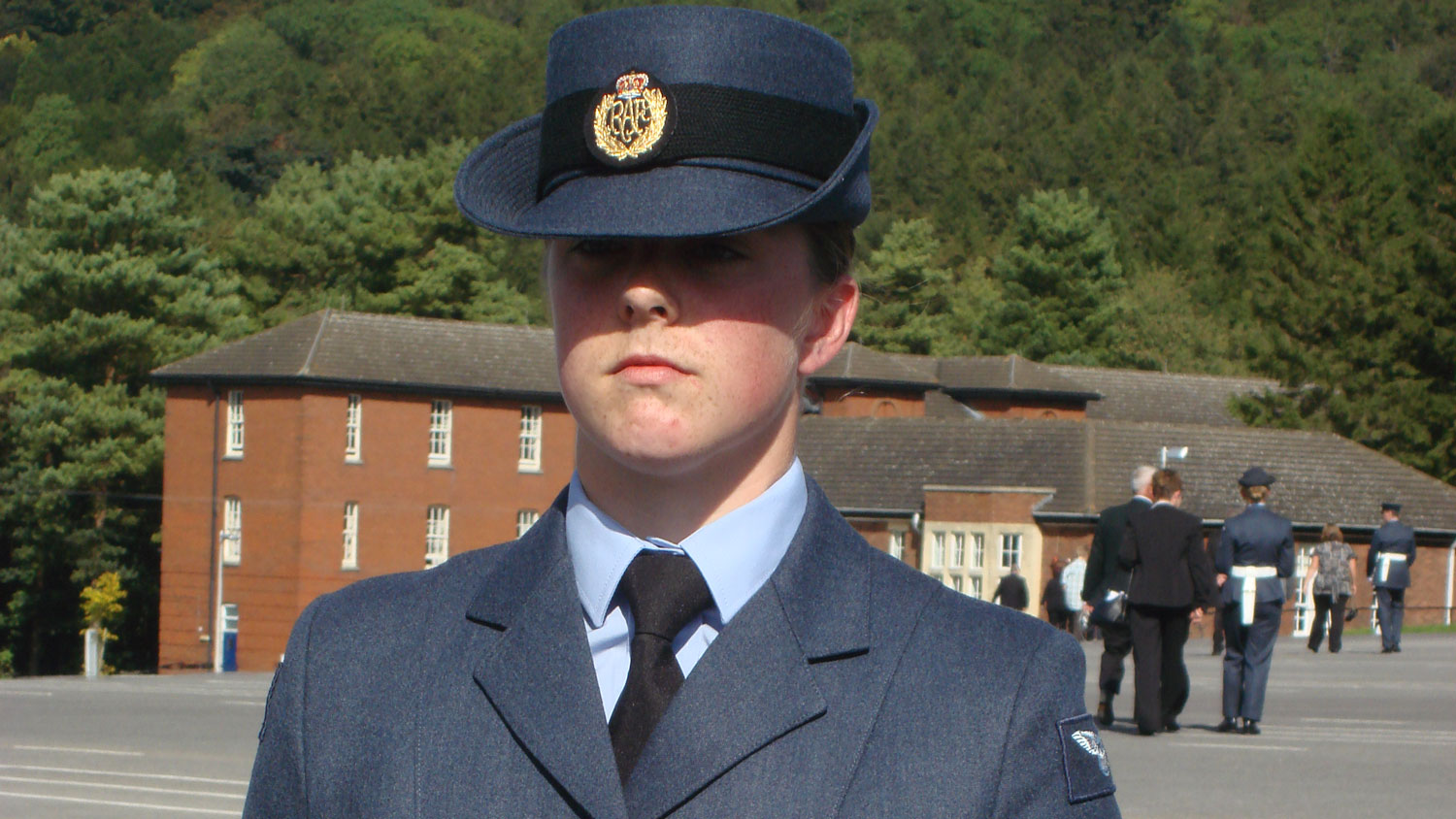
Eager to keep sport at the centre of her life, she decided to join the RAF as a PTI, but fell ill during training and could no longer pursue the trade.
She once again had to recalibrate and, in July 2010, Miss Williamson re-traded as an RAF medic.
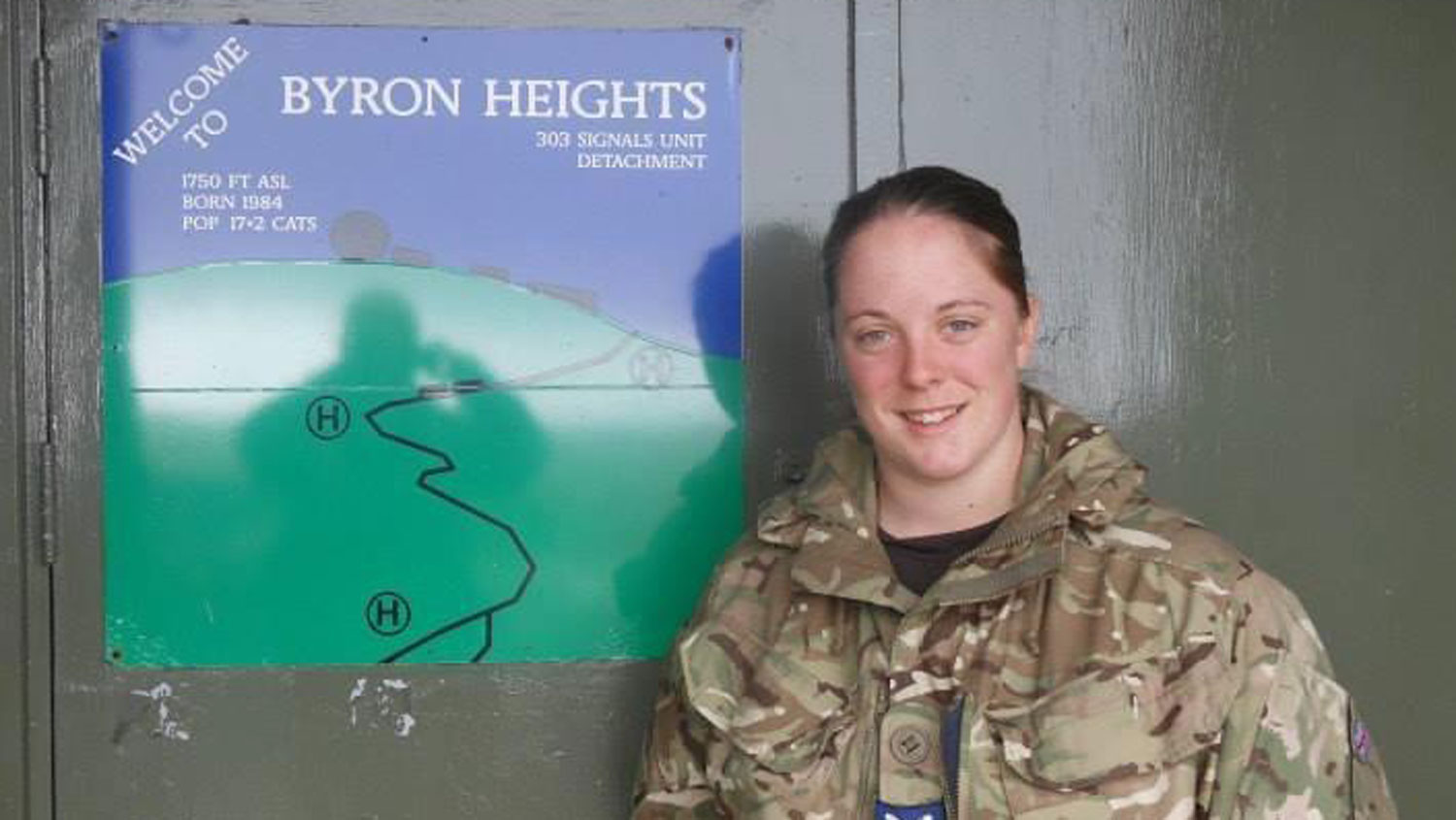
Over the next few years, she was posted to RAF Waddington and RAF Wittering and completed a four‑month tour in the Falkland Islands.
During this time, her passion for sport never disappeared.
She represented the RAF in swimming and rugby union until a "freak injury" in October 2014 during training changed her life forever.
She said: "I still don't even know what I did.
"I think it was just a tackle or something where... my thumb got bent backwards."
Despite years of treatment at Headley Court, her condition didn't improve and she was diagnosed with a lifelong neurological disorder, losing the use of her right arm.
Because, in her mind, sport had taken the use of her arm away, she reacted by banning herself from taking part in any form of her greatest passion again.
And because she was right‑handed and being a medic is hands‑on, she knew a difficult decision was coming.
She said: "It was only going through that period of pretending that you're okay... when you realise you actually can't do your job and there's only so much hiding you can do before someone goes: 'We need to have a talk'."
Miss Williamson was medically discharged in February 2018, and six months later, she returned to Stanford Hall – this time to work in medical administration.
The role is meaningful to her because she can offer patients support from her lived experience.
The power of saying yes
During rehabilitation, Miss Williamson said she became skilled at doing nothing and felt forgotten between monthly reviews.
It was a Welfare Officer who helped her transition by pointing her towards charities and courses.
Believing she was "of no use", she was encouraged to focus on what she could do.
She said: "[My right arm] just hangs there... but I realised, I've still got three limbs, I've still got my mind, I've still got my body – there's so much more I can do."
In classic military fashion, she adopted the mantra of improve, adapt and overcome.
Her advice to others leaving the forces or struggling on civvy street is to just say yes, adding: "Worst case, you've given it a go, but at least you've given yourself that shot to see if it's right for you."
Adjusting to civilian life and discovering Invictus
Before leaving the RAF, Miss Williamson had heard of the Invictus Games but assumed it was only for amputees.
When a friend invited her to join them, she knew she had to follow her own rule – say yes.
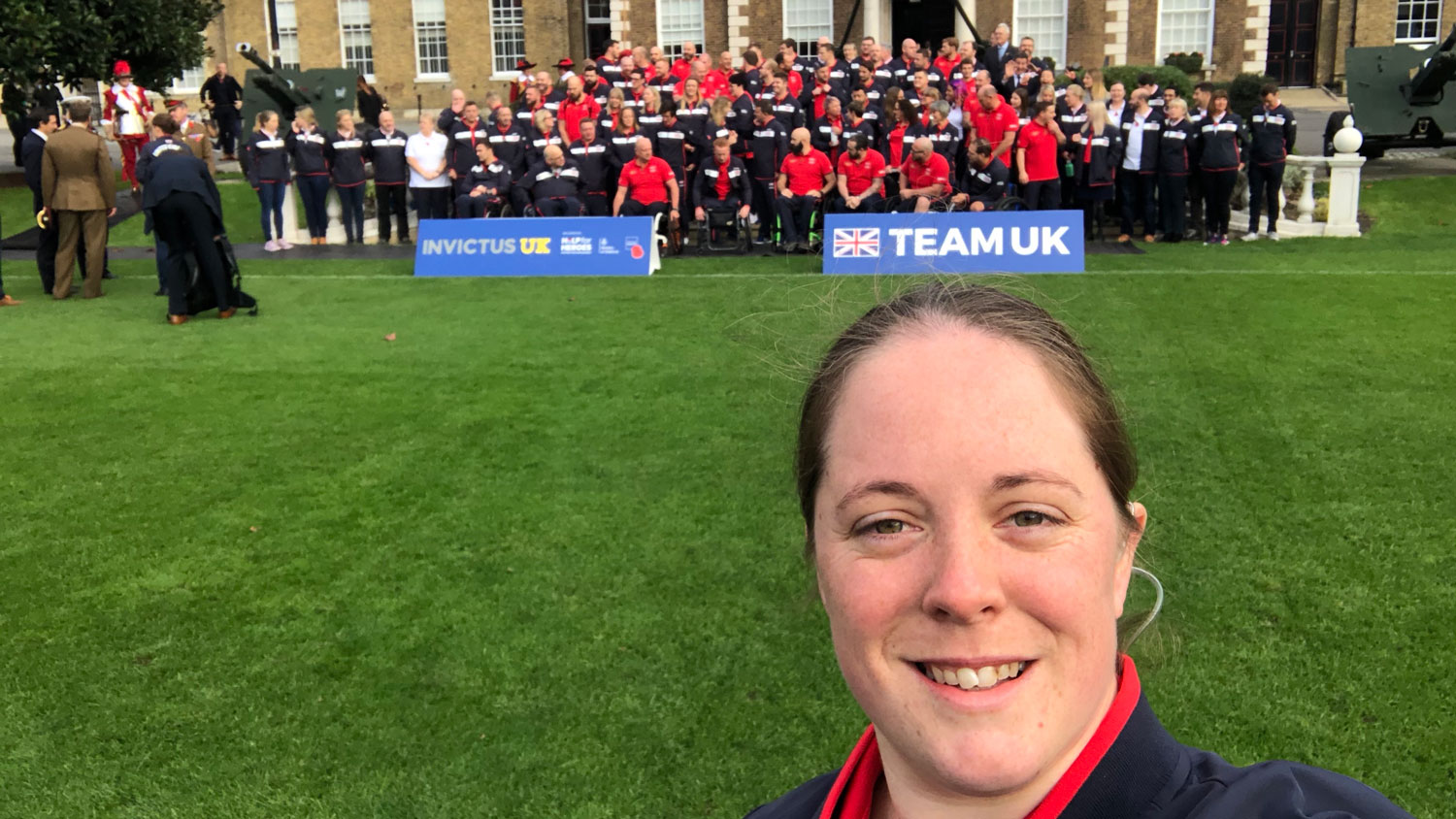
Eight months after being discharged, she competed in swimming and indoor rowing at the Invictus Games in Sydney, once again representing her country, but in a new uniform – that of Team UK.
This all came while she was adjusting to civilian life, an experience that took longer than she expected.
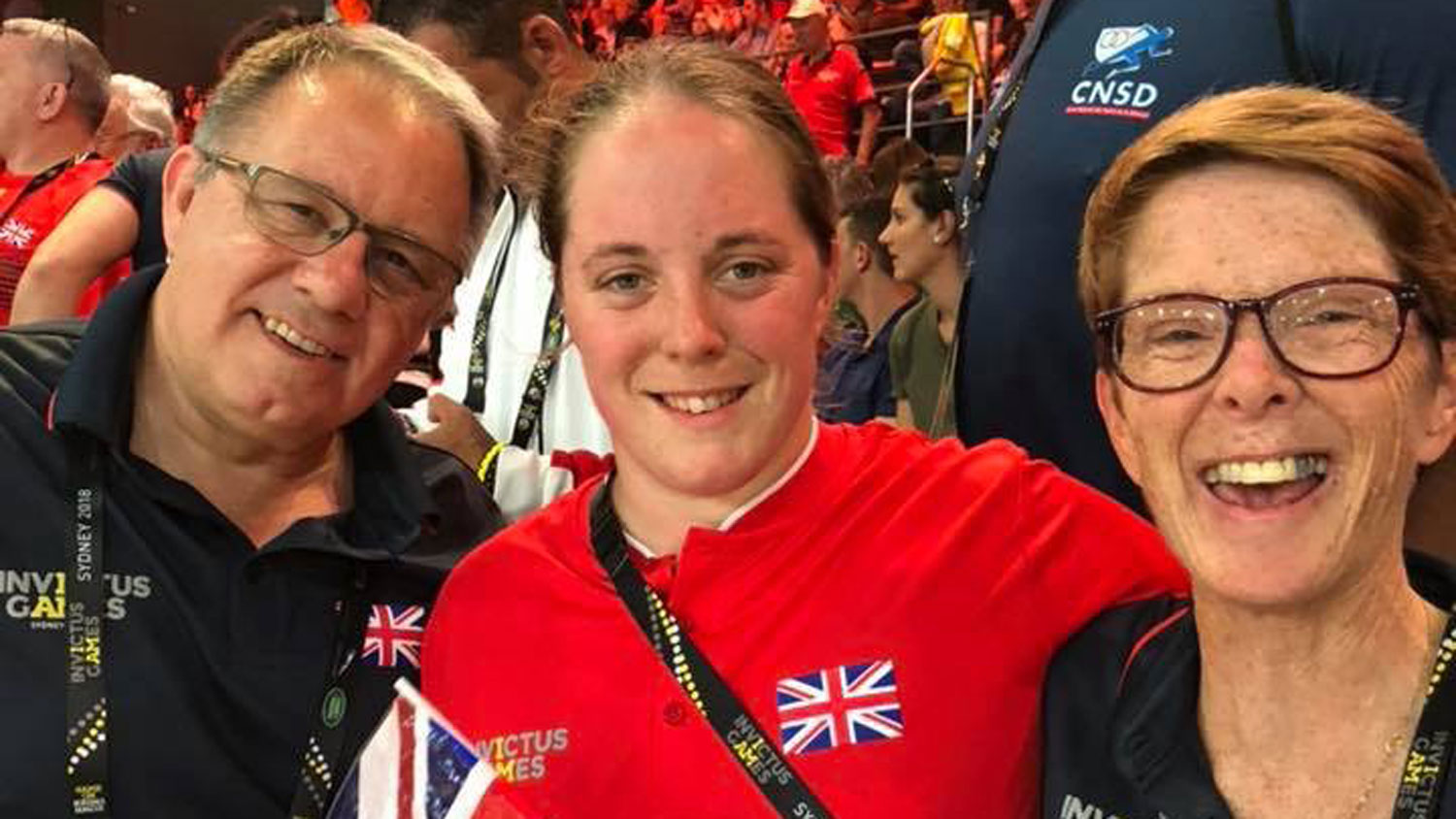
However, it wasn't until she captained Team UK at The Hague Invictus Games in April 2022 that she finally felt confident in her abilities.
Surrounded by family and teammates, Miss Williamson experienced a shift in mindset and asked herself, "Why am I scared to do this?"
She said: "I think that was when it hit home that actually adapting is okay and there's nothing to be ashamed of."
Saving lives through sport
Despite coming away with 11 medals in total, Miss Williamson says the Invictus Games is more than just gold, silver or bronze accolades.
It has helped save lives, sharing stories of competitors who felt suicidal before discovering adaptive sport.
She said: "It's mended families and helped people have a purpose to go to a club and to feel part of a team again."
She also credits Prince Harry for creating the space for wounded, injured and sick veterans to unite and have something that is theirs.
Her first encounter with him – while she was sweating in a swimming costume at a Sheffield pool – was, she jokes, not quite how she'd imagined meeting a prince.
But at the Invictus Games, his royal persona disappeared and he became "just another veteran", one who gives great hugs and loves the Danish treat stroopwafels.
Before the Invictus Games began in The Hague, he told Team UK: "Just because you don't wear the military uniform, doesn't mean you're not wearing a new one to represent your country again."
This important message has stayed with her, and she hopes it will inspire others to take part in the Invictus Games.
Miss Williamson says the Invictus Games allowed her to fall in love with sport again and brought her family closer.
The veteran describes the experience as "amazing" and something she can't believe she got to do twice.
She also remembers Prince Harry teasing her for accidentally blocking the basketball court by starting a conga line – a lighthearted reminder of the playful spirit of the Invictus Games and service life.
Adapting to life after service
Veterans sometimes encounter bumps in the road on civvy street.
Military humour isn't always received well, and doctor appointments take far longer than they did during service.
Miss Williamson also wasn't prepared for everyday adjustments, such as "learning to be an adult".
Suddenly, she had a house and needed to keep it tidy, but because she wasn't getting inspected, she feared she might get lazy.
While you can "slack off a bit", she says, you still need to live in your home, so keep it tidy.
One of the hardest changes is having to choose what to wear.
She said: "[Your] uniform was your identity and that's all you ever know and then you come out and think, I can't just wear trackies everywhere."
One military habit, however, has stuck firmly.
She always reverses into parking spaces, a legacy of the Mechanical Transport section's rules.
Related topics
Join Our Newsletter