Army begins phased withdrawal of the Land Rover after more than 70 years of service

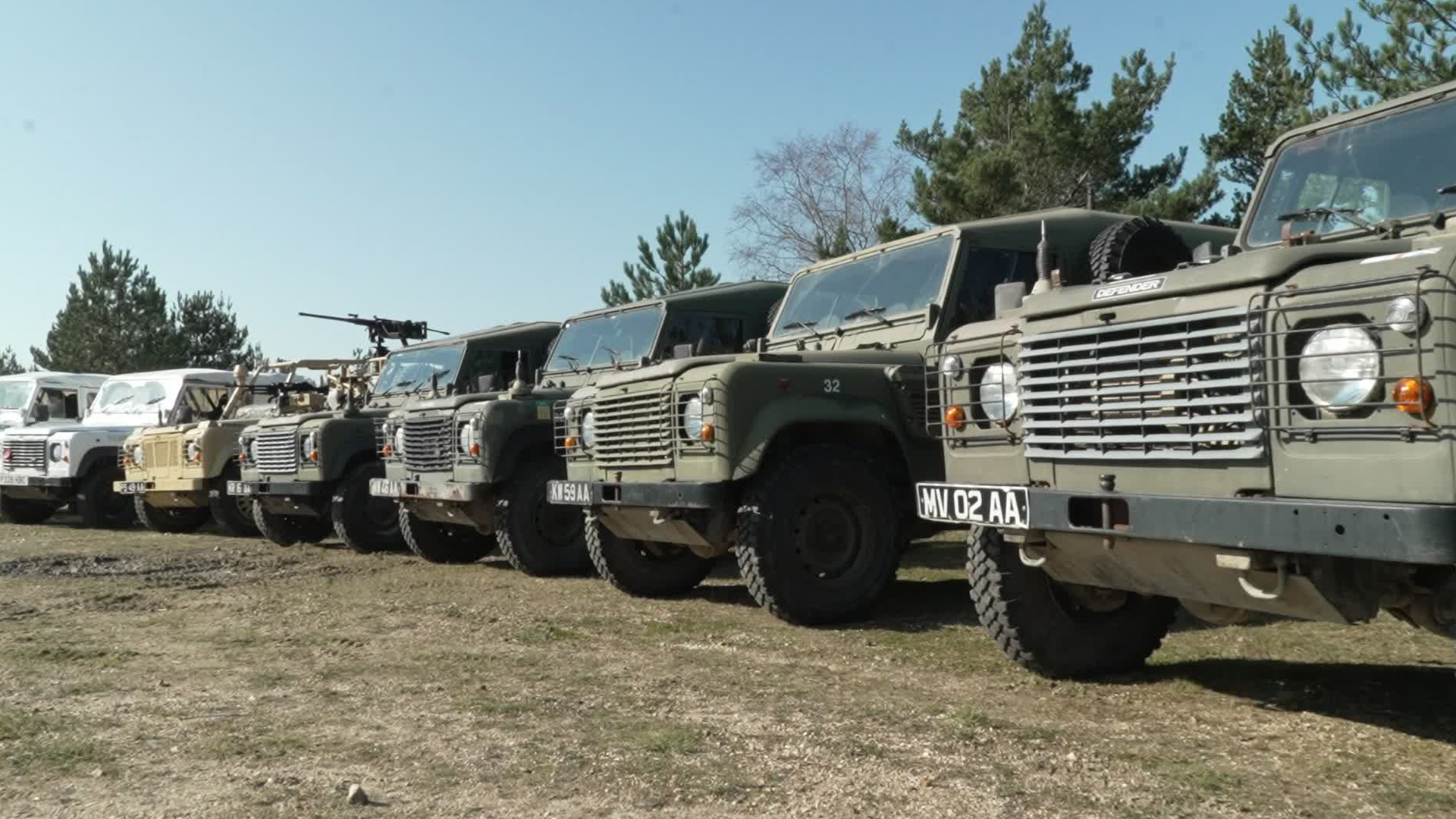
The British Army's fleet of Land Rovers – a vehicle that entered military service back in 1949 – has begun to be phased out.
The vehicle has been a cornerstone of military operations for more than 70 years, but all the Army's Land Rovers are expected to have left service by 2030.
The Land Rover is widely regarded as being a simple and dependable workhorse and, as such, has been used for a range of duties, including patrol, command liaison and transportation of equipment and personnel.
A true icon
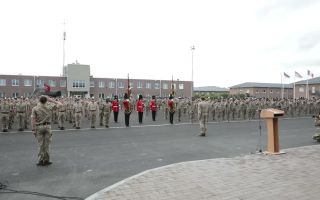
A commemorative event was held at the Armoured Fighting Vehicle School at Bovington to honour the legacy of the Land Rover and outline what the Army is looking for in its successor.
Defence Readiness and Industry Minister Luke Pollard, who was at the event, said: "The Land Rover and British Army share an incredible history and the image of a Landy in Army livery is truly iconic.
"As we look ahead to the future of light mobility vehicles, it is fitting to pay tribute to this extraordinary fleet that has served our Armed Forces so faithfully.
"I'm firing the starting gun on the replacement vehicle competition, seeking to put a modern vehicle in the hands of our personnel."
The Snatch Land Rover
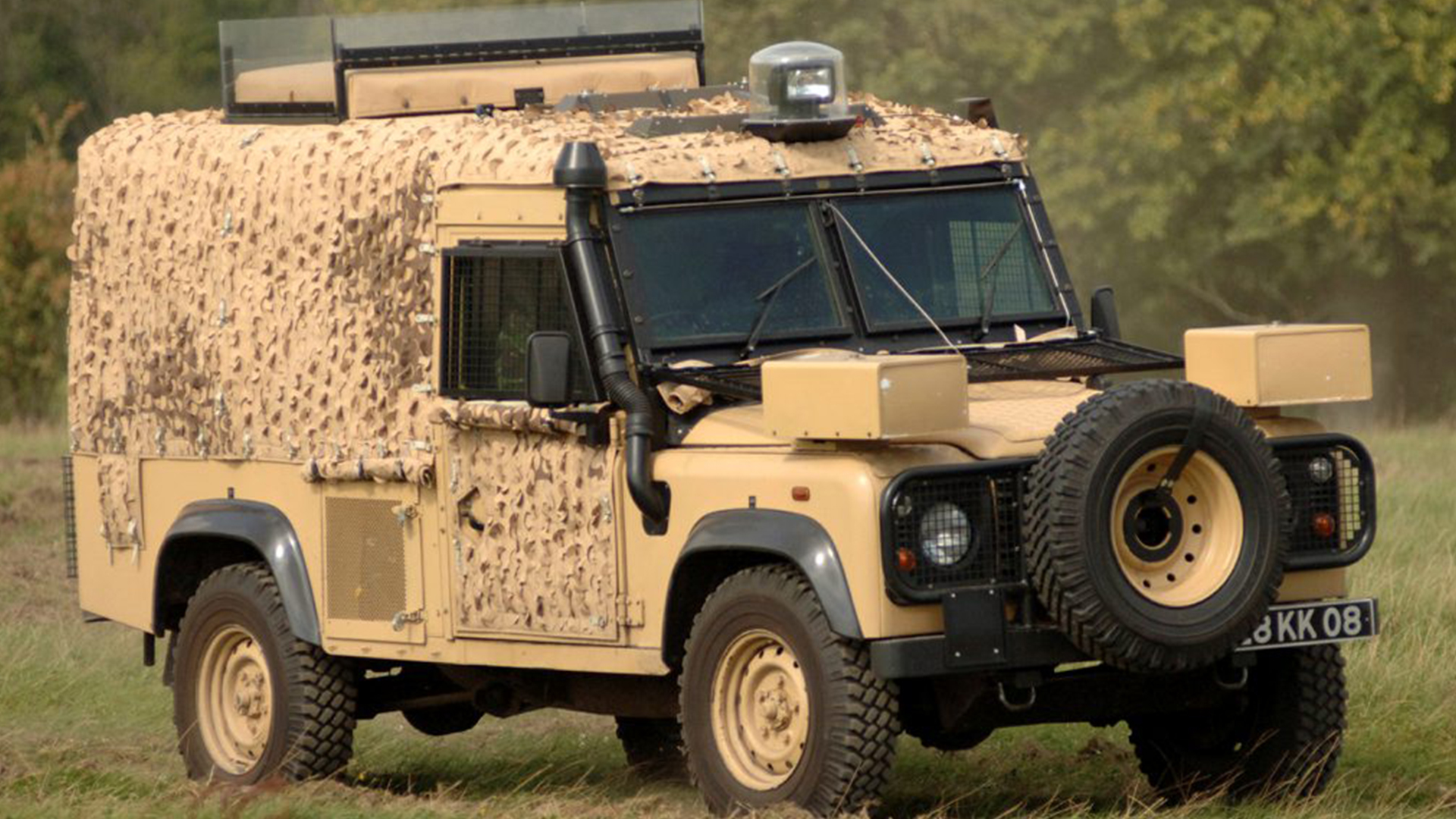
As beloved and iconic as the vehicle may be, one variant, the Snatch Land Rover, made a name for itself for all the wrong reasons due to the way it was deployed in specific theatres.
While it was designed for Northern Ireland, the vehicle found itself being used in both Iraq and Afghanistan, where its light armour offered little protection against roadside bombs and IEDs.
Between July 2004 and July 2006, almost half of the UK's fatalities from hostile action, 20 of the 44 deaths, were personnel travelling in Snatch Land Rovers.
The vehicle was eventually replaced by the Foxhound in Afghanistan, which offered superior protection.
The specials
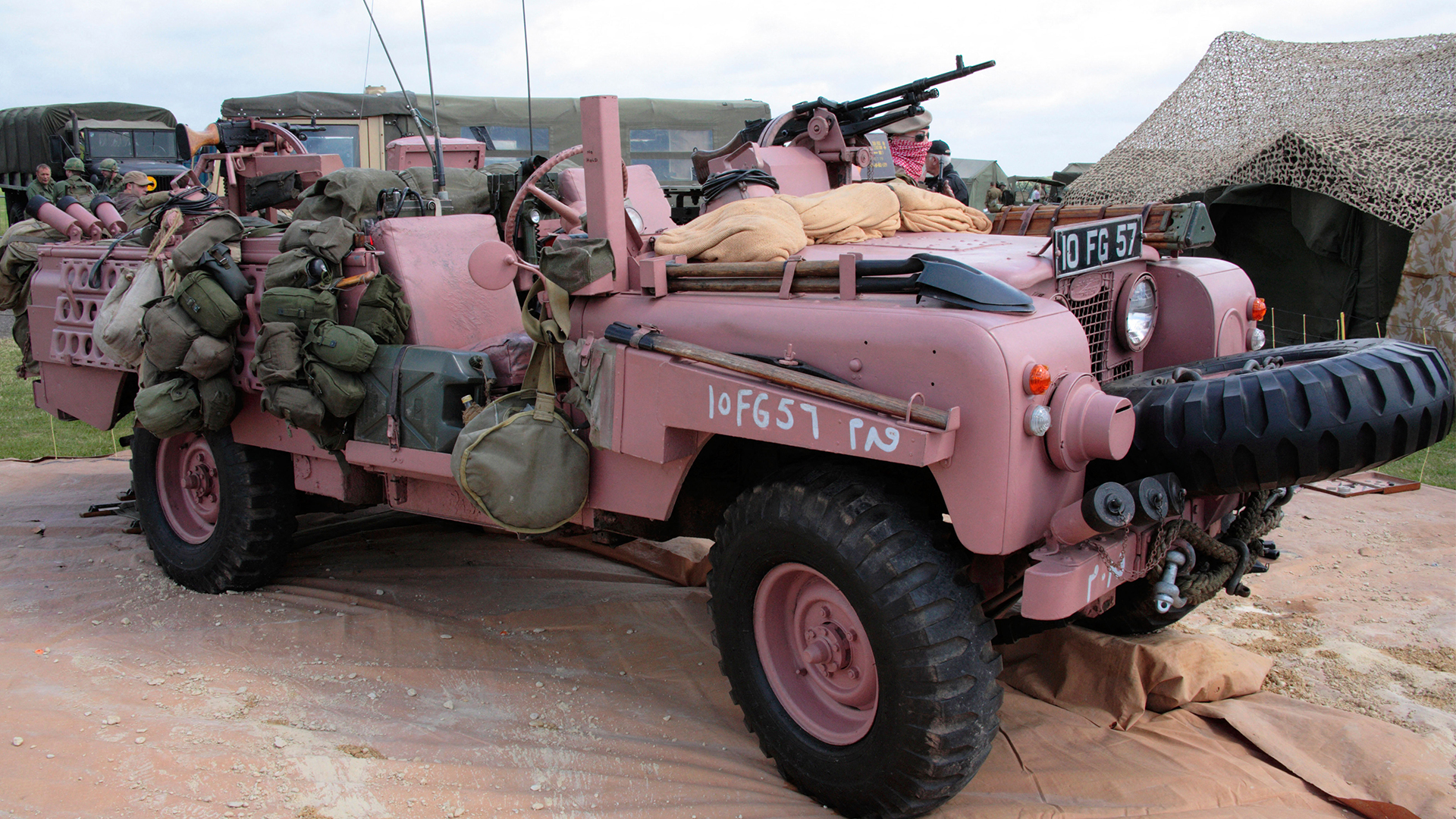
Over the decades, several bespoke Land Rover models were developed for military use. These include:
:: Series IIA Ambulance – designed to carry four stretchers and a medic
:: Series IIA Pink Panther – designed for use in the desert by the Special Air Service, it was used for special operation missions and long-distance reconnaissance
:: Amphibious SIIA 109" – a prototype of a vehicle that could be used for sea landings
:: V8 Centaur Multi-Role Half-Track – created with track links taken from the CVR(T) Scorpion light tank, it represented an attempt to merge road vehicle with a tank
The Light Mobility Vehicle programme
In addition to the Land Rover, the Army also operates the Pinzgauer, another highly versatile vehicle that's used in a number of roles such as a tractor for the L118 Light Gun.
The Army is now looking to equip its personnel with a modern, technologically advanced fleet to support future operations.
Both the Land Rover and Pinzgauer will be replaced under the Light Mobility Vehicle programme.
The LMV programme has not yet been formally launched, but will offer opportunities to British-based businesses through vehicle support and maintenance.
Related topics
Join Our Newsletter