British Army trials AI drones to spot explosives and keep troops out of harm's way
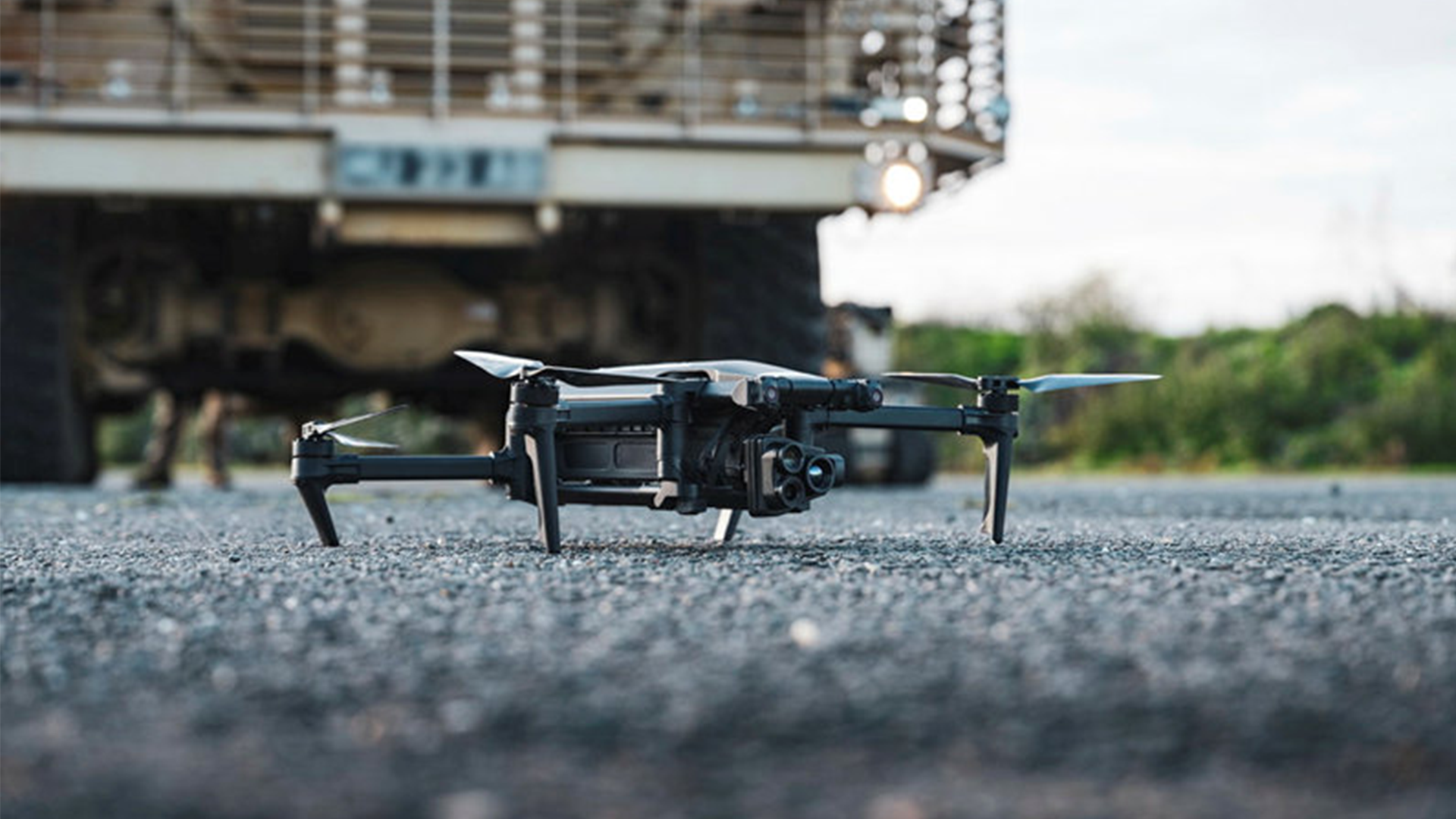
AI-powered drones are expected to be rolled out to help prevent military deaths and better detect explosives following a trial at Carver Barracks.
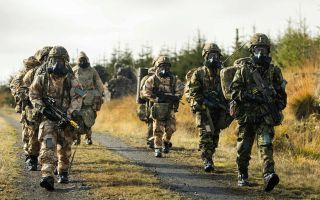
33 Engineer Regiment used the technology to identify replica mines and explosive supplies across different terrains.
The sensors attached to uncrewed aerial systems were able to relay information to Army operators.
- Epic Fury: The online battle as AI disinformation spreads across the internet
- Lies, deceit and disinformation: The fake news with the power to change the course of war
- Cyber attacks, spies and undersea cables: What exactly is the grey zone?
Major Mark Fetters, leading Army capabilities on counter-explosive ordnance, says the state-of-the-art drones will speed up missions and "remove people from the explosive hazard".
He added: "We are also looking to understand how the capability will grow as other technologies mature.
"As different types of sensors become lighter, more power-efficient, and smaller, they will be able to fit on to smaller uncrewed aerial systems – constantly improving the capability available to our EOD and Search personnel."
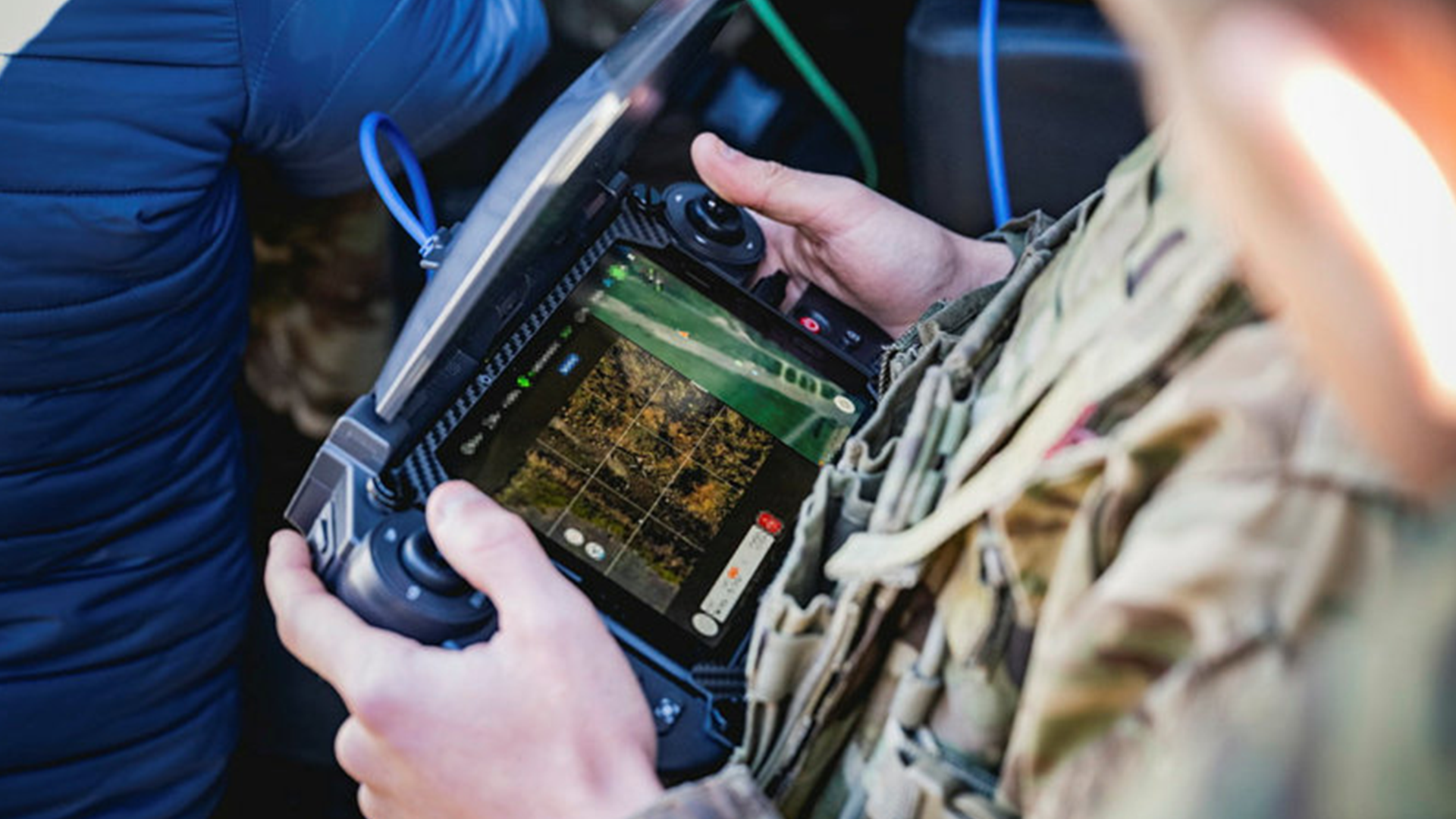
The trial, led by the Defence Science and Technology Laboratory (Dstl) over several weeks, also showed the ability to adapt to different environments and recognise evolving threats.
The government is promising to double investment in AI systems through the Strategic Defence Review – from £2bn to £4bn by 2029.
A Dstl spokesperson said: "The threat posed by explosive ordnance is constantly changing and so must the tools and techniques required to deal with it safely.
"Dstl brings a comprehensive understanding of the science and technology, as well as the specialist industry suppliers who provide the different elements.
"We are testing, adapting and demonstrating this technology so that, working closely with the end user, we can develop concepts that let our forces compete on the modern battlefield."
Extended tests later this year will aim to hone the technology and create a deployable function that can be placed directly into operators' hands.
Defence Minister Luke Pollard believes the innovation will "make our Armed Forces stronger".
He added: "We're on a mission to exploit new technologies, removing our people from harm's way while increasing the speed and effectiveness of their operations. This is defence innovation working at wartime pace, and it is delivering exciting results."
Related topics
Join Our Newsletter