I regret how small the Army has become: Hoon on controversial infantry reforms 20 years on

The defence secretary who signed off plans for a controversial reorganisation of infantry battalions more than 20 years ago says he regrets how small the Army has been allowed to become.
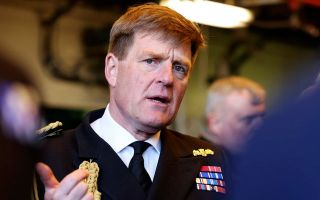
Geoff Hoon served as secretary of state for defence for almost six years from 1999 and oversaw the streamlining of regiments, bringing an end to some of the Army's most admired units, including The Black Watch.
At the time, his reforms merged 21 cap badges into just six, referred to then as new "super regiments".
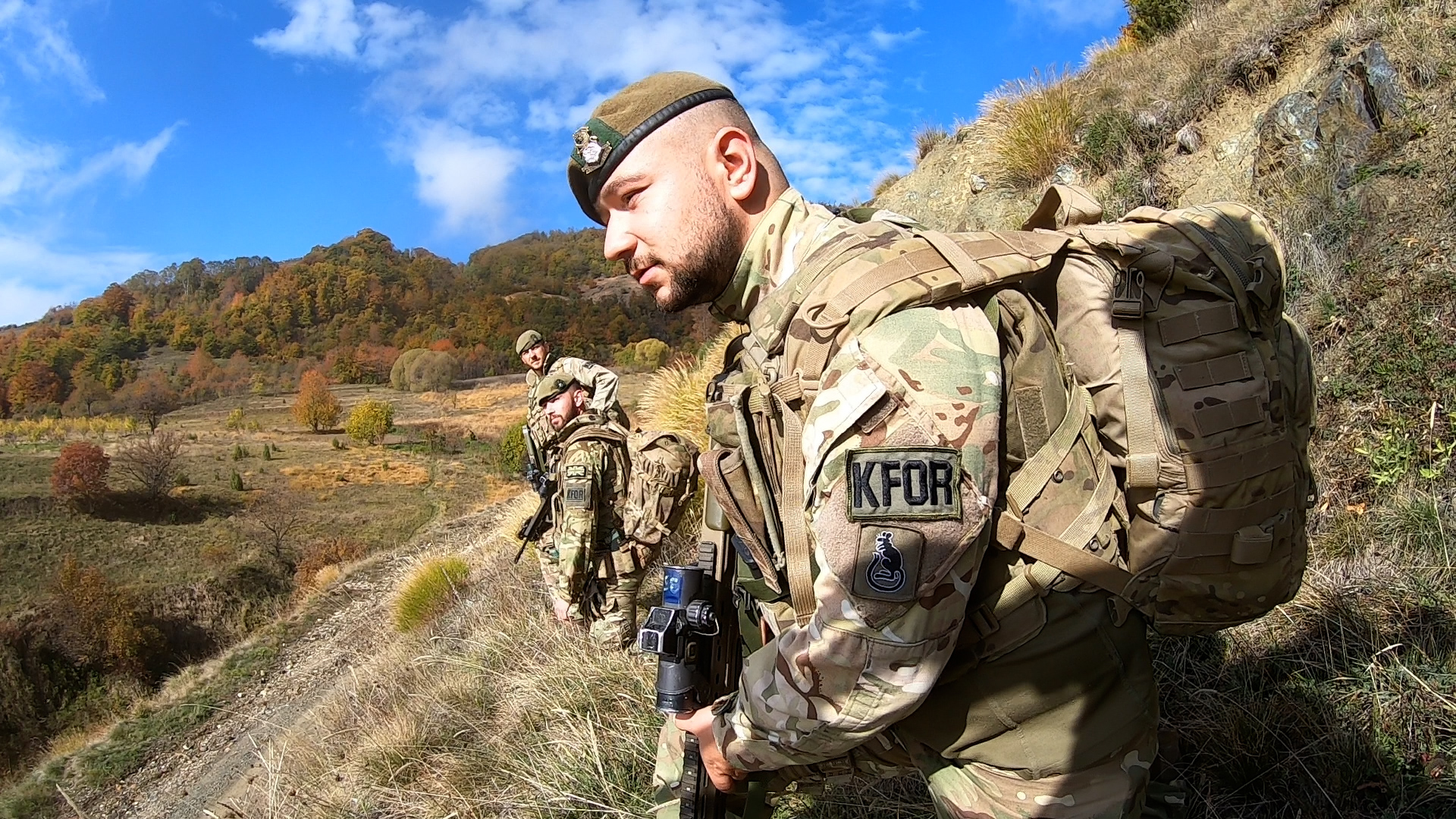
During an in-depth interview with BFBS Forces News for a special report looking back at his 2006 reforms, Mr Hoon said he knew when he made the decision to cut regiments there would be "significant controversy".
But he nevertheless insisted the Army needed to "reorganise and to consolidate in certain parts of the country".
He said subsequent decisions by other defence secretaries and governments to cut the size of the Army was not something he "would or could have anticipated", but the current troop numbers were something he regretted.
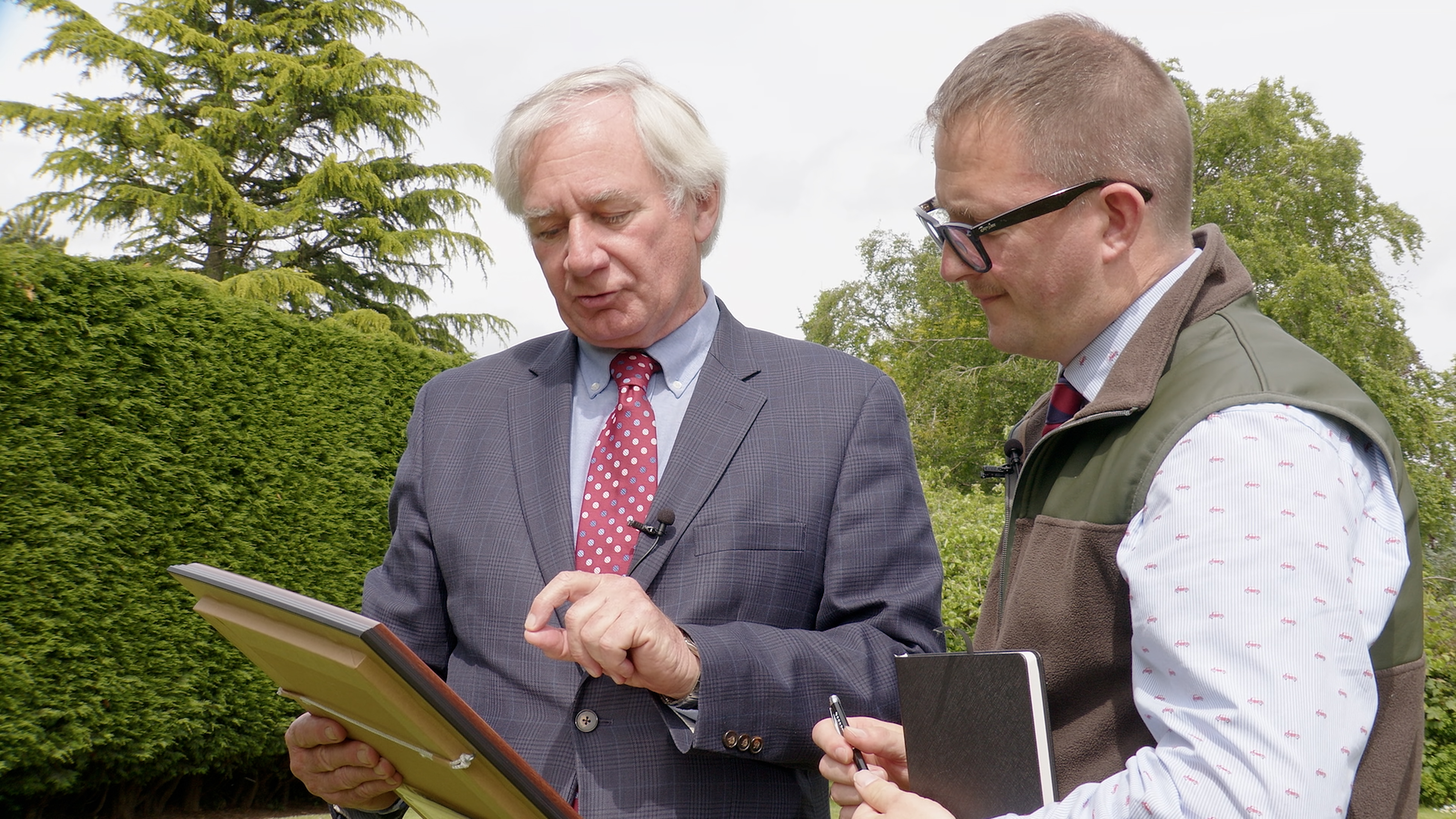
A kick in the teeth
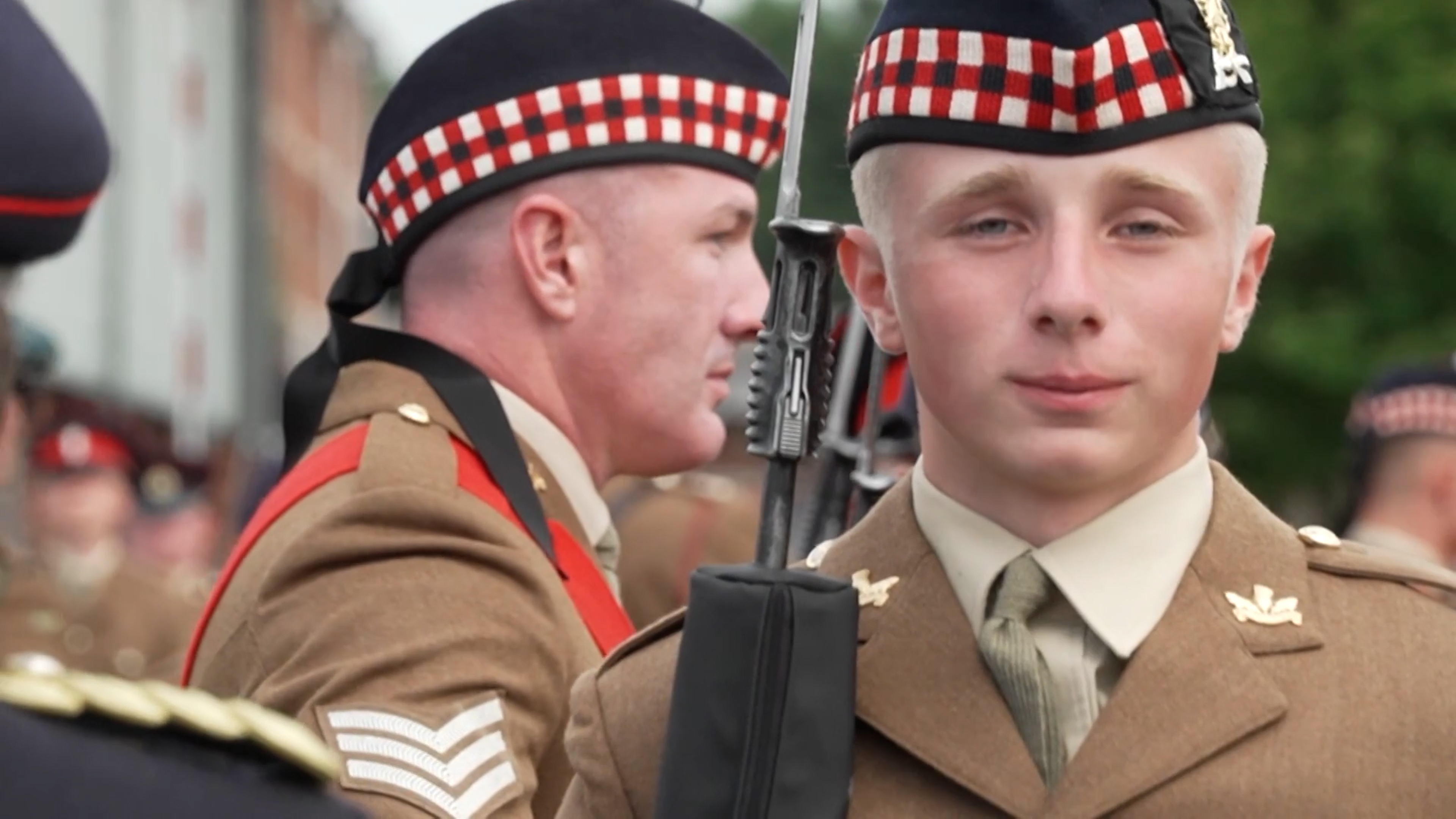
Plans to reorganise the infantry first emerged in 2004. At the time, some of the regiments that were rumoured to be facing closure were deployed on operations in places like Basra.
It was something that "felt like a kick in the teeth", according to retired Major Ronnie Proctor, who today helps run the Black Watch Regimental Association.
"At the time, I was the assistant regimental secretary," Maj Proctor recalls.
"The Black Watch had been fighting in Iraq and had come back. We had taken serious casualties and then we found out we were going to be subsumed into this new organisation.
"That, to me and to others, was like a kick in the teeth."
It was later confirmed that The Black Watch, alongside all other Scottish infantry regiments, was to be merged into a new Royal Regiment of Scotland.
Asked if at the time he was surprised by the backlash to his decision to cut The Black Watch, today Mr Hoon reflects that more than anything he was disappointed.
"I was disappointed by some of it because deep down I'm a historian," Mr Hoon said.
"There has been a constant process throughout the British Army's history of these kinds of changes, consolidation; changes in title and structure, but nevertheless retaining those links."
What were the positives?
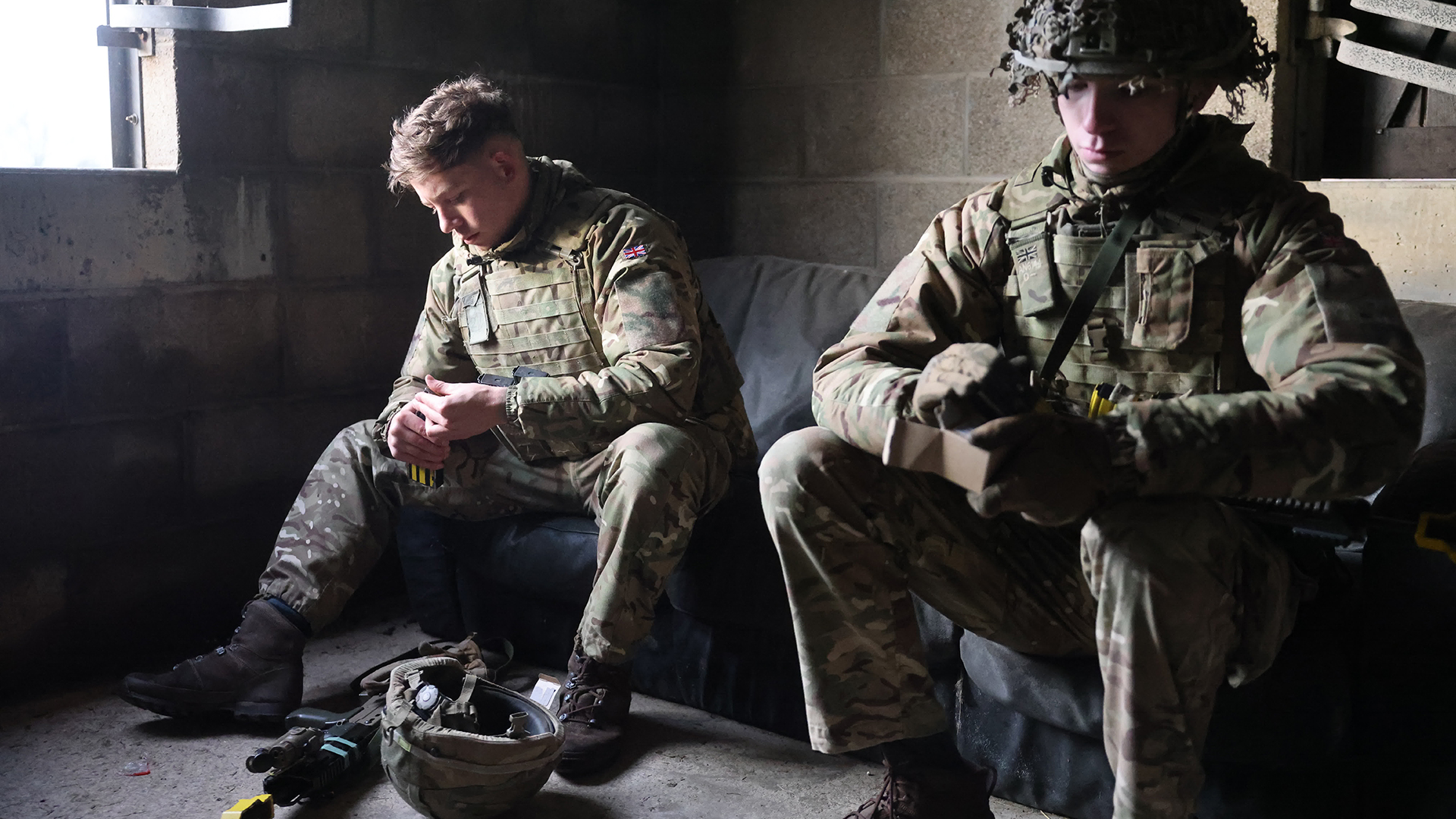
There were unquestionable benefits to some of the reforms brought in while creating these new, much larger regiments. They included keeping battalions fixed in their roles for the long term – bringing an end to the typically three-year cycle of switching units between being armoured-based, mechanised or light.
That meant it would also be viable to allow battalions to remain based in the same location for several years at a time, which provided personnel – and importantly their families – with stability so that partners could get good jobs and children could progress through schools uninterrupted.
It is also true that today, two decades on, half of The Royal Yorkshire Regiment is based in Yorkshire, while over the Pennines, The Duke of Lancaster's Regiment is based in Lancashire.
But Mr Hoon accepts these positives went unheard amid the noise made by those trying to save their old cap badges from being lost.
"I accept that perhaps we did not communicate this as well as we could. But nevertheless, they've had a long-term benefit to not only the Army itself, but also the people who support them – that is, their families," he explained.
2026 – a year of celebration
Throughout 2026, the new units that emerged out of these reforms have been marking their 20th anniversaries with parades in the UK and around the world.
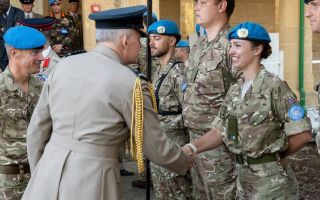
They have included the involvement of His Majesty the King, who unveiled a monument dedicated to the Royal Regiment of Scotland in Edinburgh, while Scottish personnel based in Cyprus held an event acknowledging the anniversary, too.
Elsewhere, the Royal Yorkshire Regiment saw its second battalion participating in several freedom parades across Yorkshire, while the first battalion paused during a major Nato exercise in Germany to reflect on their birthday.
In Lancashire, The Duke of Lancaster's Regiment, which was formed by merging The King's Regiment, The Queen's Lancashire Regiment and the King's Own Royal Border Regiment, held a special parade in Preston marking their key milestone – bringing together those currently serving and those who served under one of the antecedent cap badges.
And later this year, a parade will be held marking 20 years since the amalgamation of The Royal Regiment of Wales and The Royal Welch Fusiliers – which created the Royal Welsh.
The Rifles, formed in February 2007, will also mark their 20th anniversary in early 2027.
But was it all worth it?
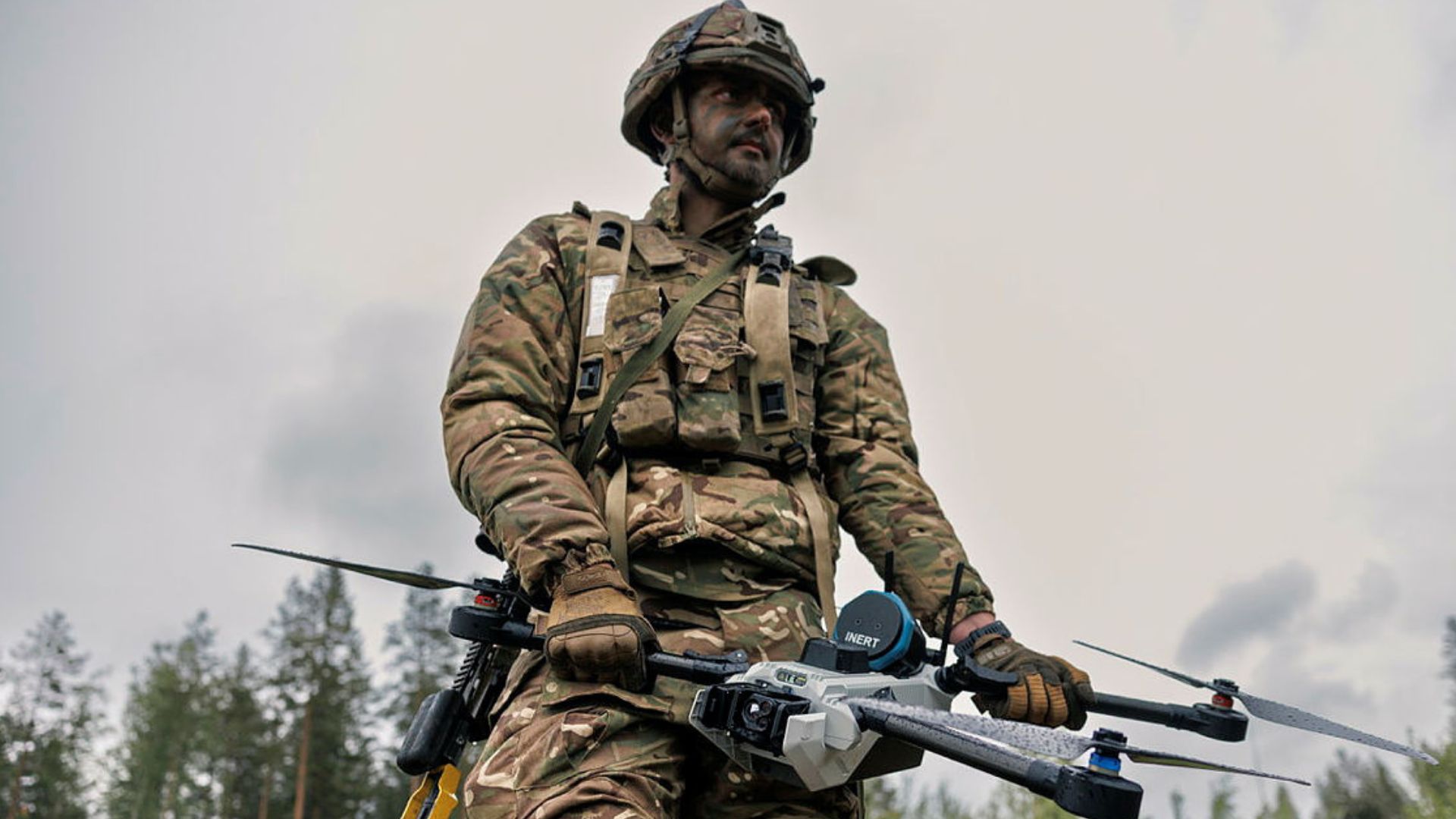
Well, two decades on, the infantry again counts single battalion regiments in its organisation – something Geoff Hoon's plans 20 years ago were meant to prevent.
Frustratingly, it's also true that some of these so-called super regiments are now smaller than their predecessor units ever were. Tricky then, for the now-retired defence secretary to justify his actions two decades on?
Mr Hoon says no. In his view, this problem stems from decisions taken after his time in office, which have recently left the Army smaller than it has been for centuries.
It's a point he is keen to stress: the Army is simply not big enough.
"I think it is vitally important for a country like the United Kingdom, a member of the United Nations, an important player in European affairs, to be able to deploy a significant force where it is needed, and crucially, when it is needed.
"And I have concerns at the moment that that might not be the case."
Watch The Day the Army Changed on our YouTube channel here.
Related topics
Join Our Newsletter