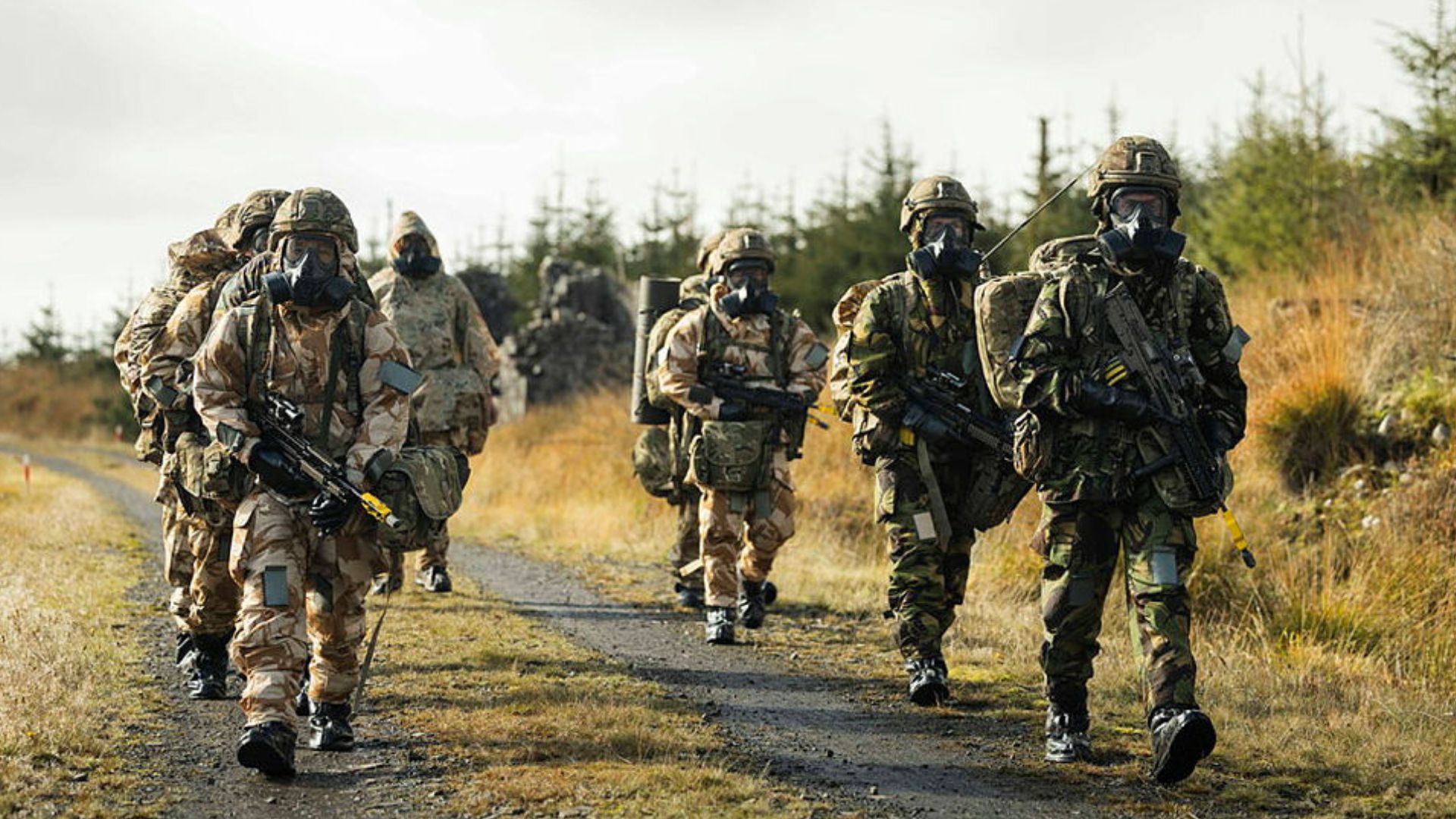
For anyone serving in the British Army – and those who served – the words 'Exercise Cambrian Patrol' may bring them a mixture of apprehension, excitement, and perhaps a slight sense of dread.
And with good reason. Across the rugged, undulating terrain of mid-Wales, patrols of eight soldiers will face a simulated mission, covering up to 40 miles over roughly 48 hours while tackling a series of realistic scenarios designed to push them to their mental and physical limits.
A total of 140 patrols have entered this year's competition, including 75 Regular Army, 15 Reserve and 13 University Officer Training Corps patrols, alongside 35 international teams.
Combined with the introduction of additional phases, it makes this the biggest edition yet of Nato's toughest patrolling test since the competition began in 1959.
Test of leadership, resilience and teamwork under pressure
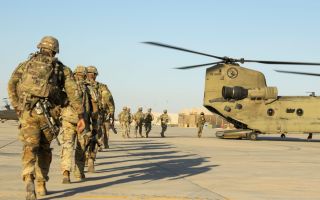
Following an initial kit inspection at Beulah, each syndicate will assemble near Builth Wells.
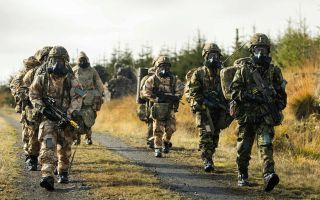
Over two arduous days, the patrols will face casualty evacuation scenarios, intelligence-gathering missions, artillery fire planning, vehicle recognition, mock CBRN (chemical, biological, radiological, nuclear) incidents, reconnaissance tasks, minefield crossings and attacks on enemy positions.
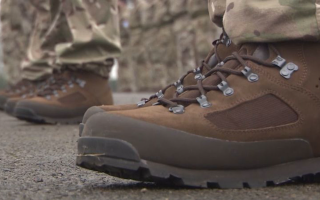
Throughout the exercise, they will carry their kit and rifle, with a combined weight of about 25kg.
Major Darren Pridmore, Officer Commanding Exercise Cambrian Patrol, emphasised that it is designed to test the skills that soldiers need to survive and operate effectively on the battlefield.
"It is a demanding assessment of leadership, resilience, tactical judgement and teamwork under pressure," he added.
The exercise concludes at Sennybridge, where the teams will complete one of the toughest assessments in military training.
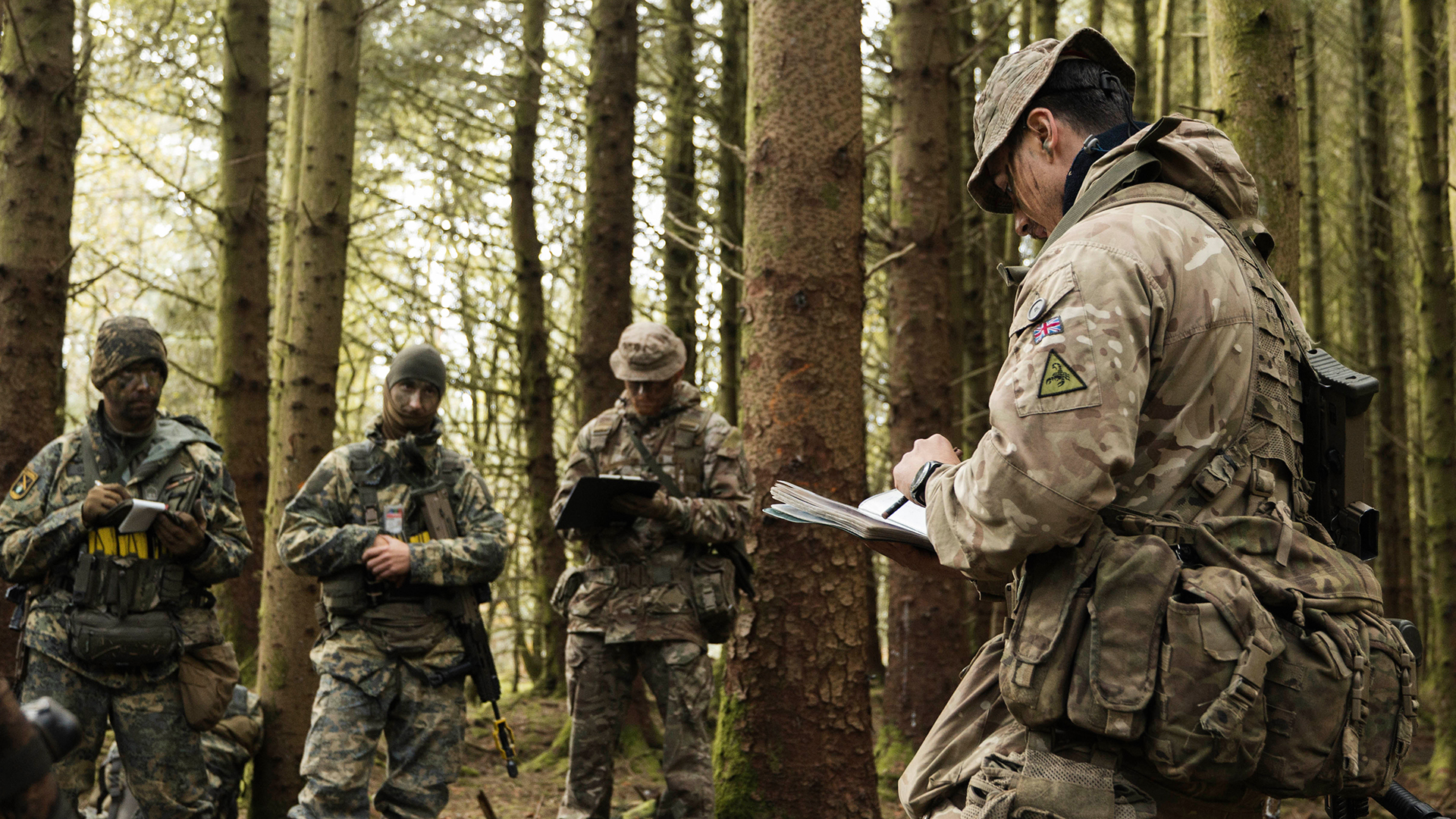
Reflecting modern warfare
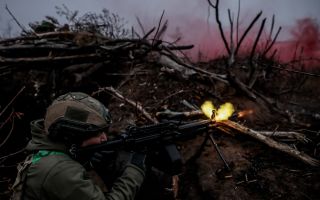
This year's iteration has sharpened its focus on persistent observation, reflecting lessons learned from contemporary conflicts.
Ground forces and unmanned aerial systems (UAS) will track patrols, requiring careful consideration of ground movement, concealment, and route selection.
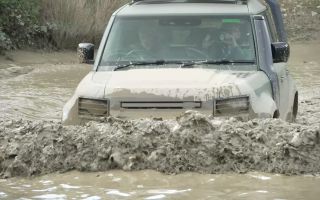
The realities are tested further through mobility and survivability tasks, including crossing the Forward Line of Own Troops – the boundary between friendly forces and an enemy-held area – as well as river crossings and minefield navigation during reconnaissance taskings.
Patrols will also use safe houses, static sensors and UAS to build an intelligence picture over time, combining information from multiple sources to identify and report targets.
CBRN readiness will also be tested, with assessments focused on units arriving equipped, prepared and capable of operating effectively in a contaminated environment.
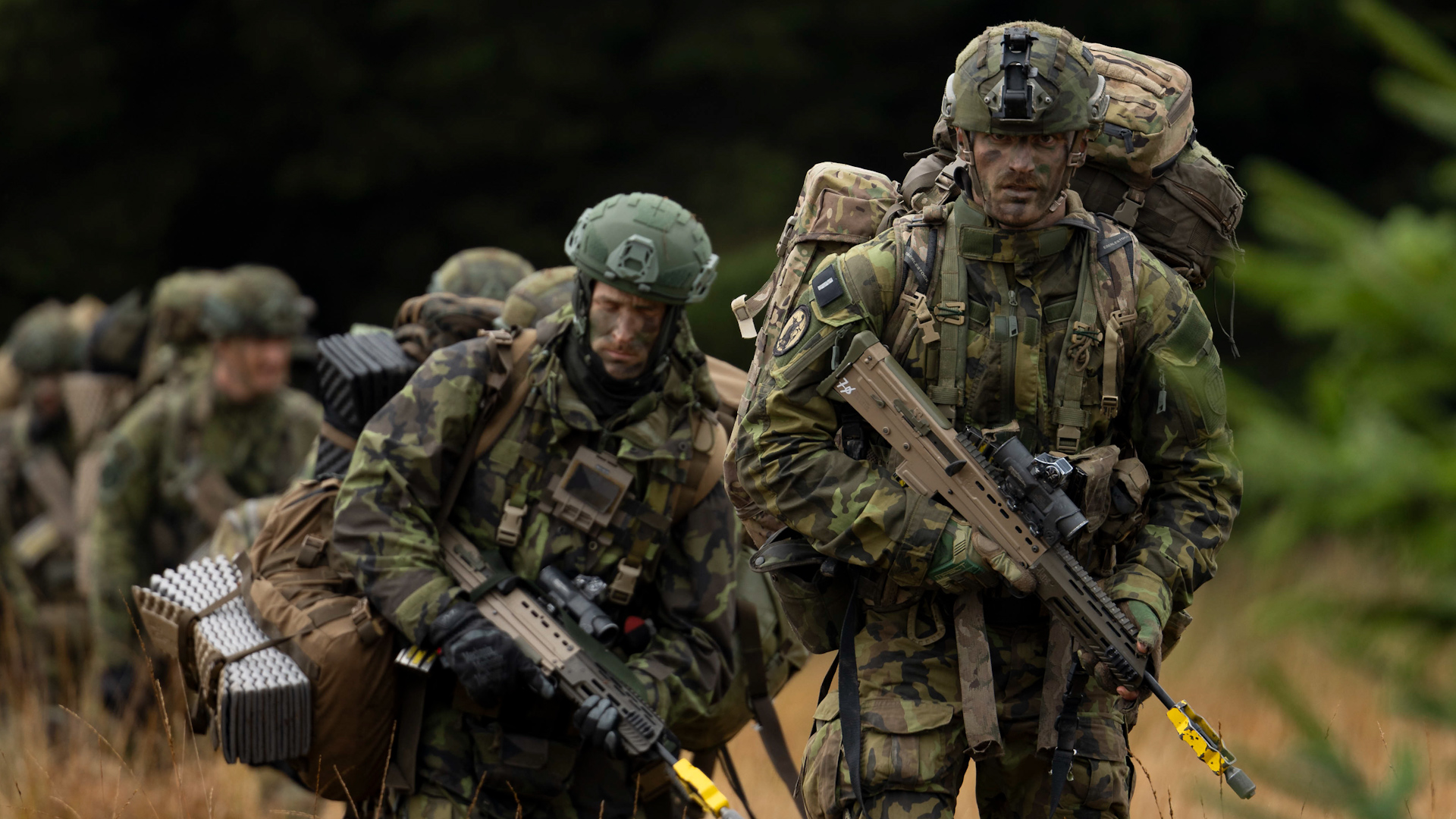
United Cambrian
With 35 international patrols competing alongside UK and joint teams, the event continues to attract significant international participation.
Maj Pridmore said: "The United Kingdom does not fight alone. Future operations will be conducted alongside allies and partners, making interoperability and mutual understanding essential.
"With teams from across the world competing alongside UK patrols, this strengthens professional relationships, raises standards and provides valuable preparation for multinational operations.
"This also demonstrates that national security is a collective effort. From defence industry and government, to local communities and landowners, many partners contribute to the success and resilience of the nation."
Patrols will conclude the exercise with a detailed debrief and reporting process, with performance assessed throughout to determine whether teams are awarded a gold, silver or bronze medal, or a completion coin.
Join Our Newsletter