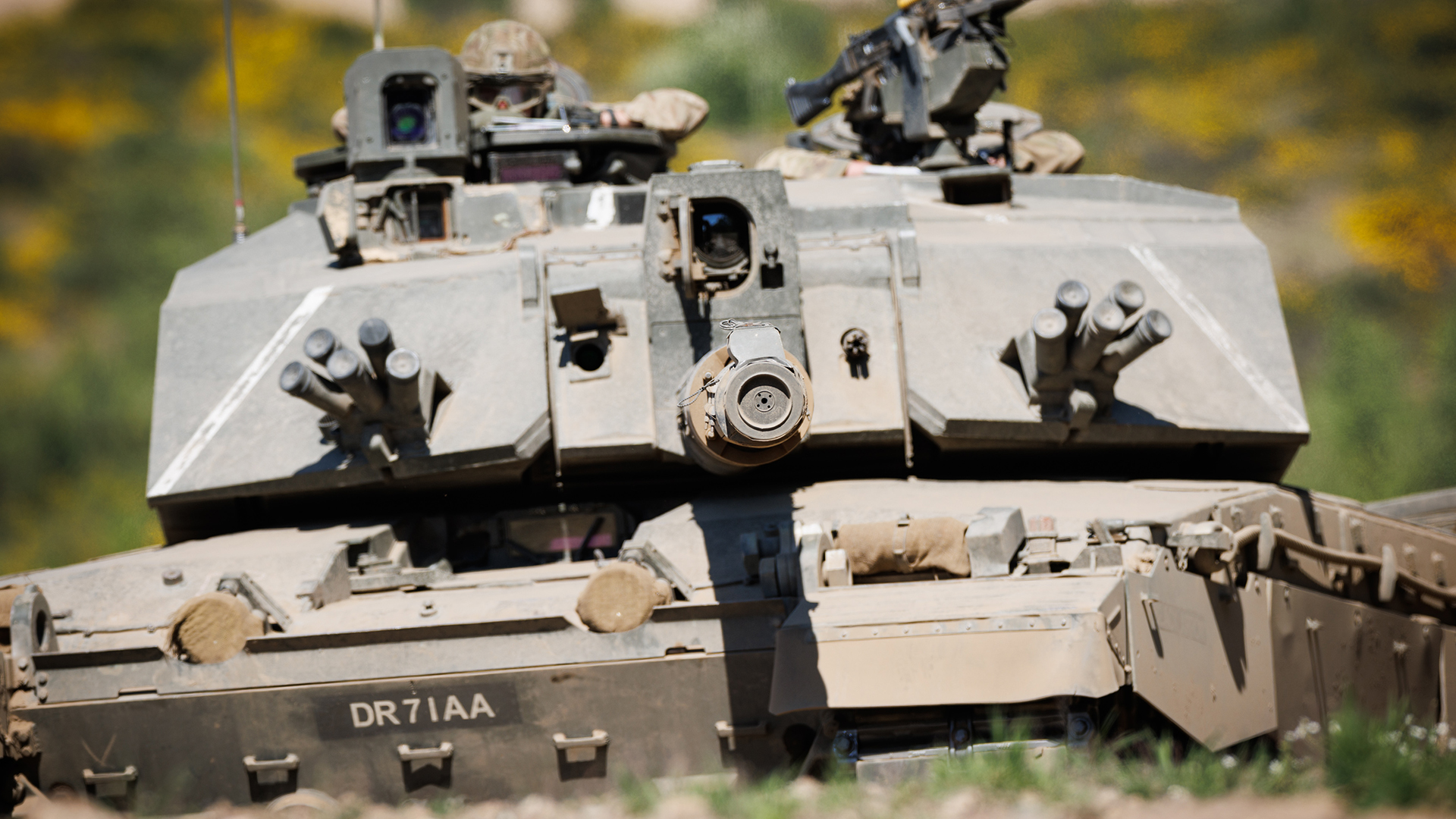
MOD faces legal action over soldiers' deaths in Challenger 2 turret explosion

The maximum sanction the MOD can face has been authorised in the wake of an incident in which two soldiers were killed and two others injured when a failure in the main gun on their Challenger 2 caused an internal explosion.
The Health and Safety Executive issued a Crown Censure against the MOD, which cannot face prosecution in the same way as private or commercial organisations.
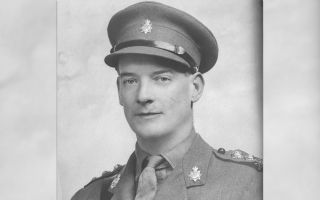
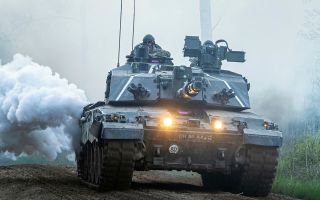
Corporals Darren Neilson, 31, and Matthew Hatfield, 27, died when the L30 gun was fired with a key component missing, causing hot gases to vent back into the turret, igniting bagged charges.
Incident at Castlemartin Range
The other Royal Tank Regiment soldiers crewing the tank were injured, including one who was left with life-changing injuries in the incident at Castlemartin Range in Pembrokeshire on 14 June 2017.
In addition to the Crown Censure of the MOD, the HSE authorised the prosecution of defence contractor Rheinmetall BAE Systems Land Ltd.
It said the firm was responsible for producing the safety case for the tank and gun, while the MOD held ultimate responsibility for the health, safety and welfare of its soldiers, and for the suitability and sufficiency of the safety case.
Following an investigation by HSE inspectors, a file was passed to HSE's legal services division for review.
In accordance with the Code for Crown Prosecutors, it authorised:
:: A Crown Censure against the MOD for allegedly failing to ensure the health, safety and welfare of soldiers, under Section 2 of the Health & Safety at Work etc Act (1974).
:: A charge against Rheinmetall BAE Systems Land Ltd (formerly BAE Systems Global Combat Systems Ltd) for allegedly failing to ensure the health and safety of persons not in its employment, under Section 3 of the Health & Safety at Work etc Act (1974).
Incorrect stowage practices
Neither the authorisation of criminal charges nor a Crown Censure represents a finding of guilt, the HSE added, and following the decision to issue a Crown Censure a formal hearing will take place.
The Crown Censure of the MOD and criminal charges against Rheinmetall BAE Systems Land Ltd are separate proceedings.
In 2018, at the inquest into the deaths of Cpl Hatfield and Cpl Neilson, senior coroner Louise Hunt said the main cause was that the gun could be fired when the bolt vent axial was missing.
This device forms an air-tight seal blocking hot gases escaping into the crew turret.
Ms Hunt also said there was a long-standing practice among tank crews of stowing high explosive propellant charges outside their heat-proof bins within the turret.
Join Our Newsletter