Training for success: Special operations soldiers prepare to take on Everest challenge
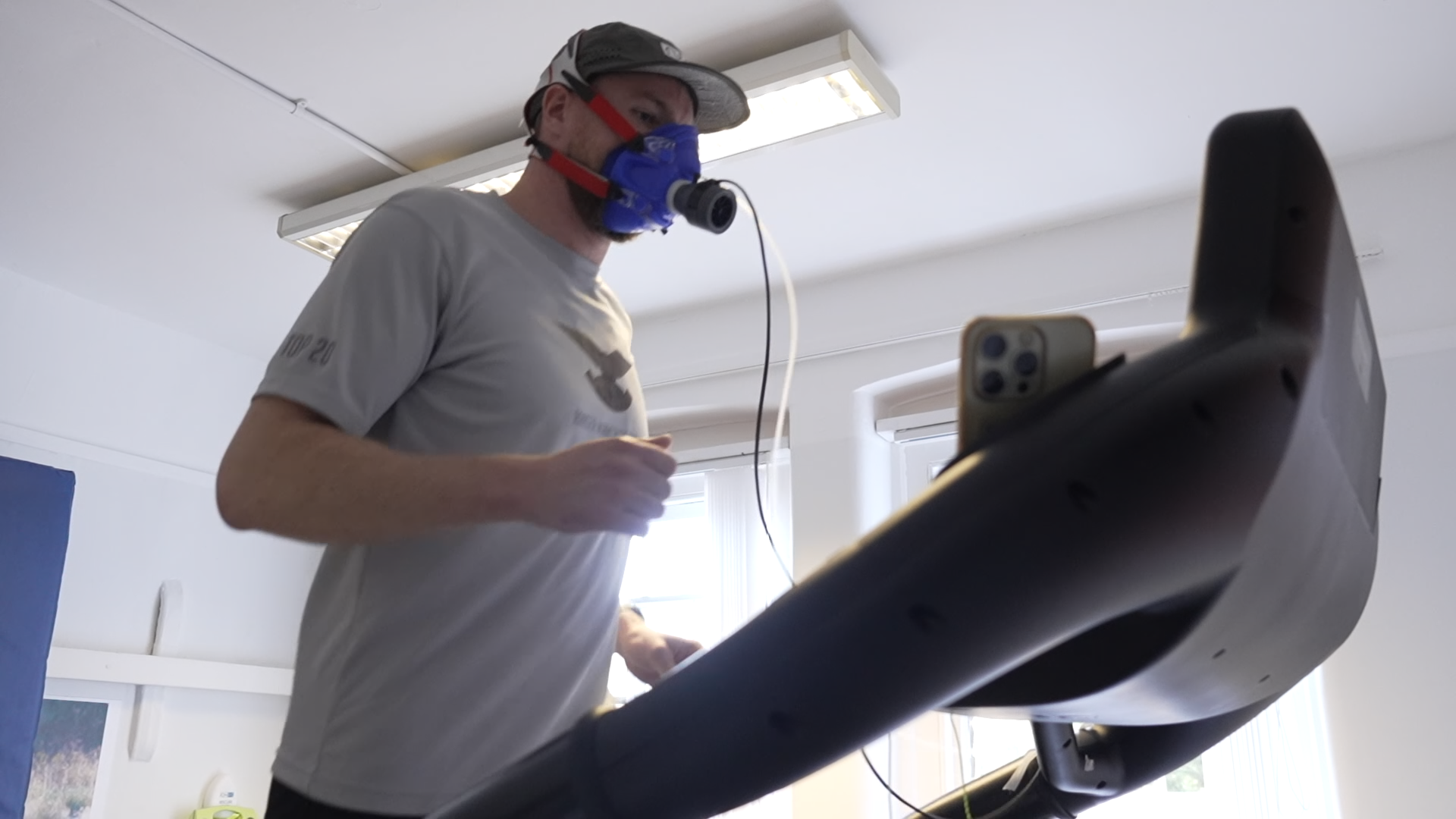
The Ranger Everest expedition has been a year in the making, with extensive mountaineering, cold weather and altitude training. I joined them at a specialist medical facility at the Royal Military Academy Sandhurst, where they came for final testing.
Lance Corporal Chris White explained what drew him to the expedition.
"The chance to do these kind of things is basically why I joined the Army – an expedition to climb Everest and potentially summit the highest mountain in the world is one of those once-in-a-lifetime opportunities, and just absolutely something that I jumped at," he said.
- Ranger Regiment: What we know about the British Army's elite fighting force
- Royal Marines and Rangers prove aggression credentials on special operations exercise
- Army Special Ops team set sights on taming Everest after toughest selection and alpine training
Fellow team member WO2 Avtar Gill is the 4 Ranger Company Sergeant Major. Talking about his motivation, he showed me his Defence Sikh Network badge on his sleeve and explained his desire to represent "the British Army at its fullest" and "shine a light" on the service of his community.
However, he told me his primary reason for taking part is rooted in past sacrifice. "I'm so thankful for the people I've served with, over my career. And tragically, the people that have been lost on operations, and through mental health crises and bits and pieces... I try my best to just live my life to the absolute fullest.
"Hopefully I'm doing something in light of those who have paid the ultimate sacrifice, that I'm living in their vision of what they could, hopefully, would do had they have had the opportunity to do so."
As well as the challenge of the ascent, the Ranger Everest team are part of a study, which will provide key data for medics to use to inform future operations in cold weather and high-altitude environments.
Physiologist Charlotte Coombs is part of the Army Health and Performance Research Team. She spoke to me as the team were being put through their paces on the treadmill.
"The team are very well trained anyway," she said. "So they've come in and they're hitting some very, very good numbers today.
"What will be interesting is having that as a baseline... Generally speaking, we expect some of them to decline, so it will be interesting to see to what degree that happens as a result of the duration of the expedition."
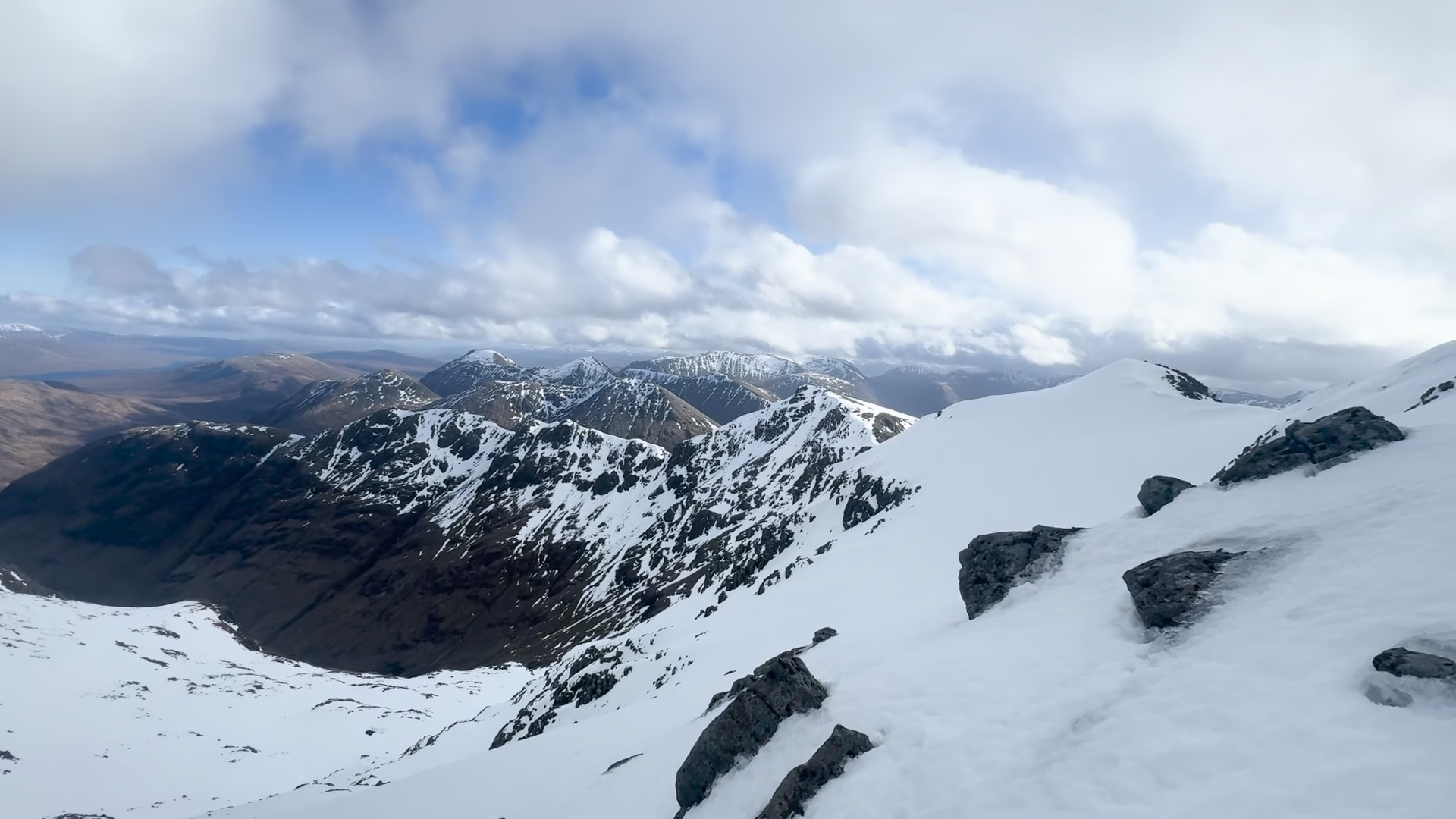
The team prides itself on a diverse mix of ranks, with all bar one represented up to the level of major.
Major Kate Thompson, regimental Medical Officer with 4 Ranger, says that a sense of relaxed inclusiveness is also something she values as the only woman on the expedition. She believes it's indicative of the regiment's general approach.
"I can't recommend it highly enough as a place for servicewomen to work. As the women's lead for the Army Special Operations Brigade, this is definitely something I'm trying to encourage other servicewomen in the military, who are considering a slightly different pathway or sometimes a slightly different challenge, to come and get involved."
The Ranger Everest Team is being funded by sponsorship and grants, including one from the charitable fund of BFBS, which is BFBS Forces News' parent charity.
With medical tests now complete, they're looking forward to taking on the real challenge on the mountain.
Related topics
Join Our Newsletter