Bloodhound loose: HMS Somerset's Merlin drops torpedo during Atlantic sub-hunting drills
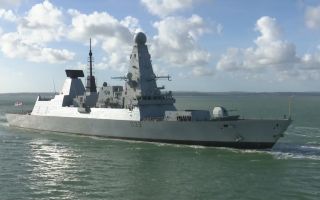
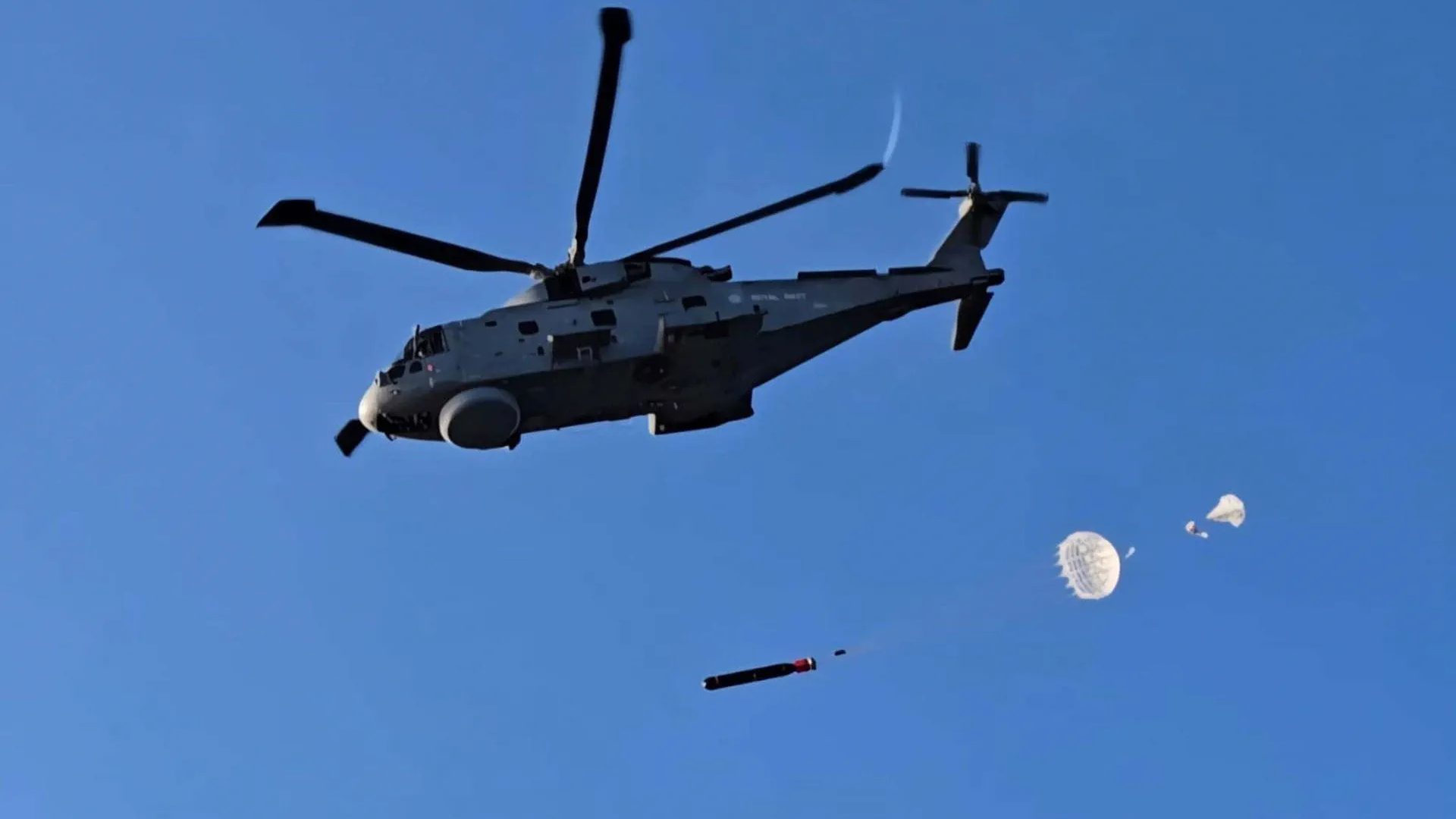
A Merlin helicopter has dropped a sensor-packed torpedo into the Atlantic during anti-submarine drills with HMS Somerset.
The Sting Ray torpedo was released after the crew located a simulated underwater threat during training with the Type 23 frigate.
As the torpedo entered the water, the call went back to HMS Somerset's operations room: "Bloodhound loose."
- South Wales town remembers 44 who were lost on wartime submarine HMS Urge
- Exercise Tamber Shield: Puma drones to help Wildcats hunt fast boats in Norwegian fjords
- Inside Turkish hunter-killer sub TCG Birinci İnönü as its crew take on key Nato training role
In Nato code, the phrase means a torpedo is in the water, and friendly vessels must keep clear.
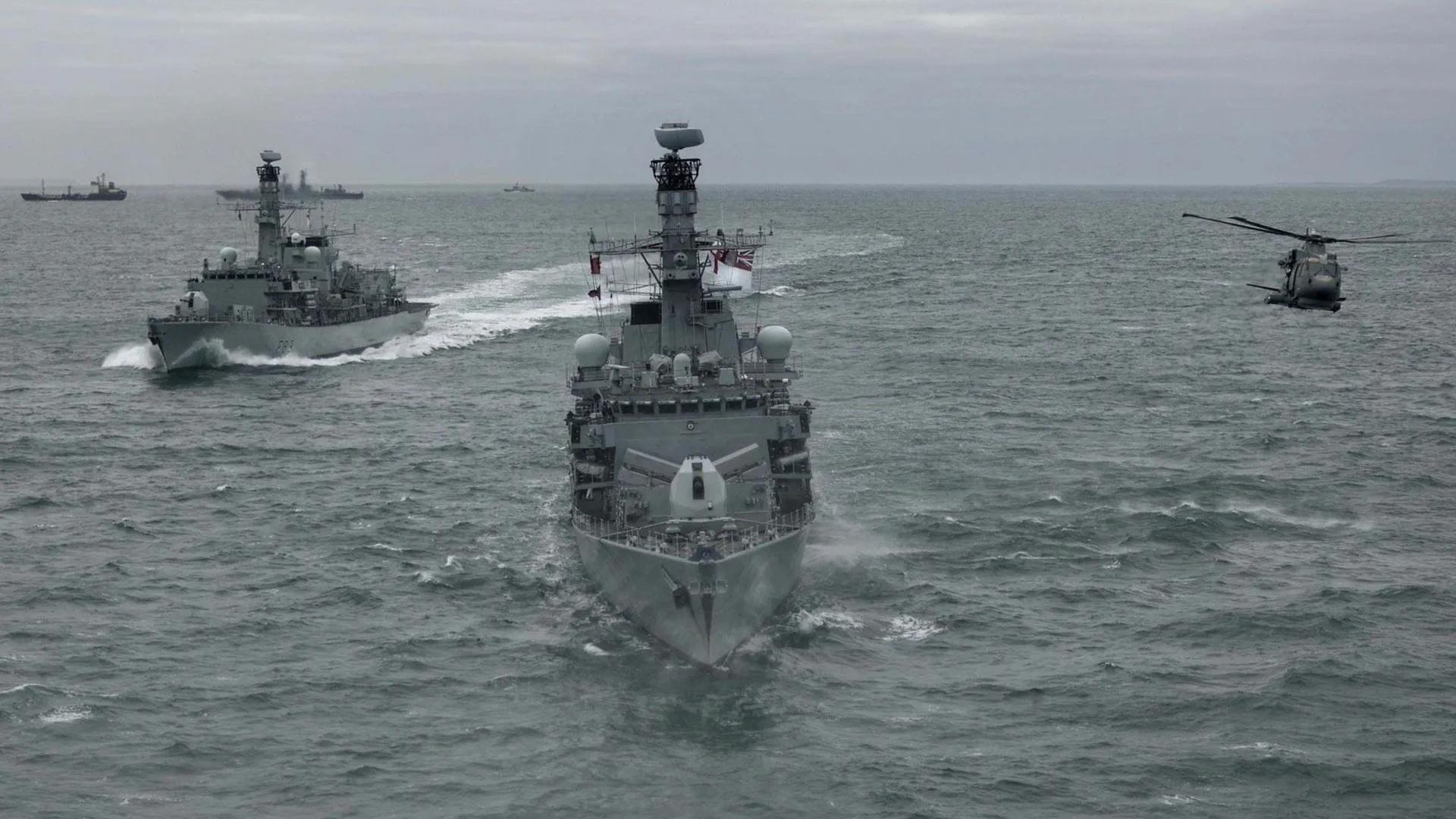
Torpedo drill without the explosive charge
The weapon used in the drill carried sensors rather than explosives, allowing the ship and helicopter crews to practise the procedures used in an anti-submarine attack.
A drogue parachute slowed the Sting Ray as it fell from the Merlin, before detaching as the torpedo hit the water and began its search beneath the surface.
The Merlin Mk2 is operated by Menace Flight, part of 814 Naval Air Squadron, also known as the Flying Tigers, based at RNAS Culdrose in Cornwall.
Each Merlin can carry up to four Sting Ray torpedoes.
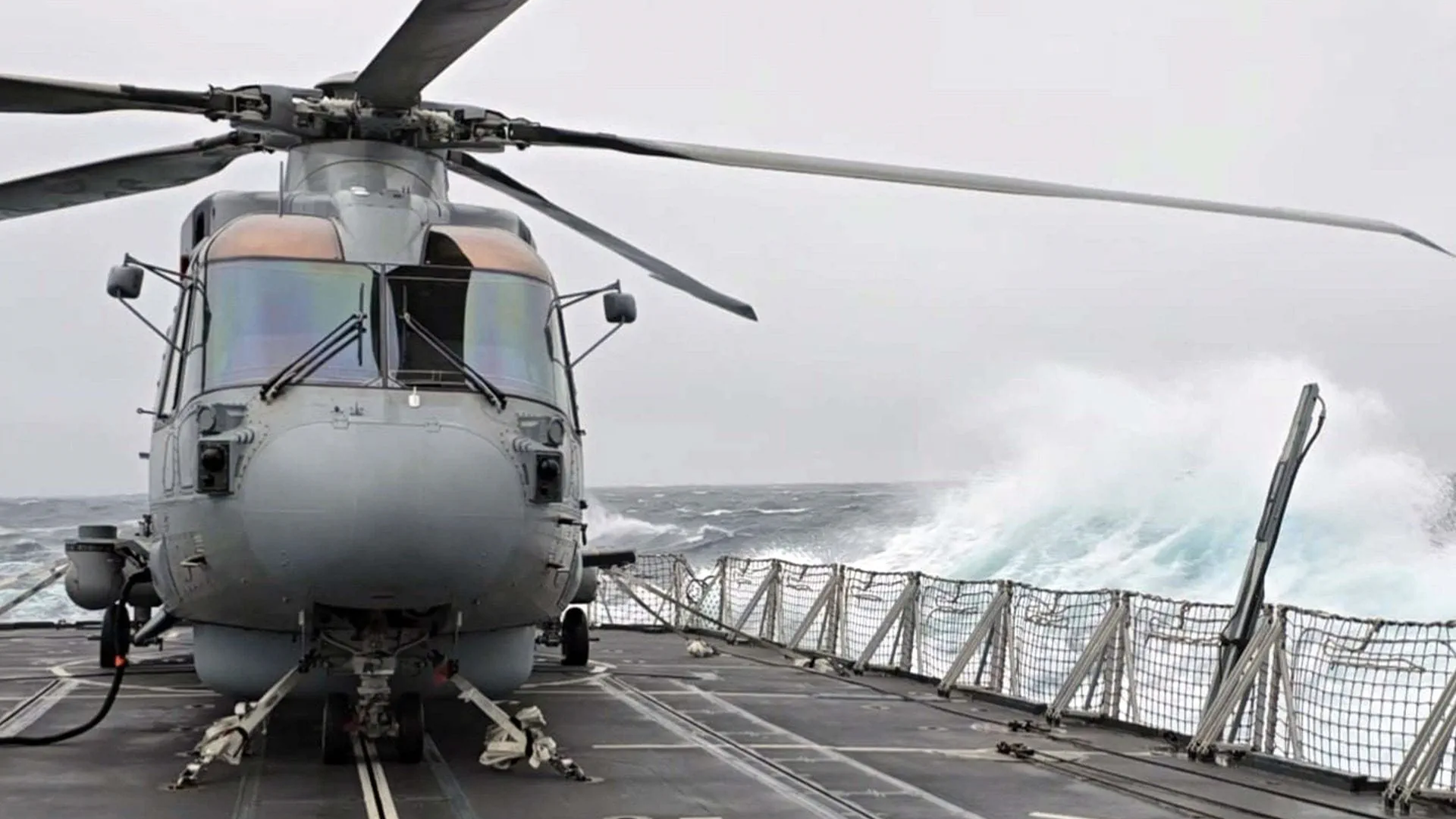
HMS Somerset back on patrol
HMS Somerset resumed patrol duties in April, operating around UK waters and in the ocean between the UK and Norway.
The frigate's standing mission includes protecting the UK's nuclear deterrent, monitoring submarine activity in the North Atlantic and safeguarding critical undersea cables.
The Merlin is one of the ship's main anti-submarine assets, using radar, sonar, sonobuoys and torpedoes to find and track threats beneath the surface.
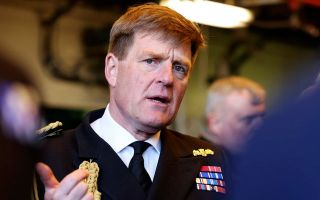
"Conducting continuation training builds that essential teamwork between the frigate and the helicopter crews. Together, they offer a potent capability to combat threats both beneath and on the surface of the sea," Commander Ed Holland, the commanding officer of 814 Naval Air Squadron said.
"The environment can be testing, with high sea states and freezing temperatures, however the ship and aircraft must be able to perform to their very best 24/7, whatever the conditions," he added.
Rearming under running rotors
The exercise also tested how quickly the Merlin crew could return to HMS Somerset and rearm at sea.
After the torpedo drop, the aircrew came back to the frigate and kept the helicopter's rotors running while engineers loaded a replacement torpedo on the flight deck.
The work was carried out under the downdraft of the Merlin's rotor blades and the noise of its three engines, with the aircraft still running above them.
The ship and helicopter also practised day and night in-flight refuelling, cargo transfers and night-time operating procedures.
The refuelling drills are used in case the flight deck is occupied or cannot be used.
Drones extend the frigate's reach
Menace Flight also operates reconnaissance drones, which can be used to extend the range of HMS Somerset's sensors.
The drones form part of the Royal Navy's use of crewed and uncrewed aviation during routine operations at sea.
HMS Somerset took over patrol duties from HMS St Albans in April, during a handover that included escorting a Russian destroyer and support ship through the English Channel and the North Sea.
Join Our Newsletter