Defence minister urges wider support for cadets as most choose to bypass military careers

A defence minister has said he plans to engage other government departments over the financial support offered to military-affiliated youth organisations, including the Army Cadet Force.
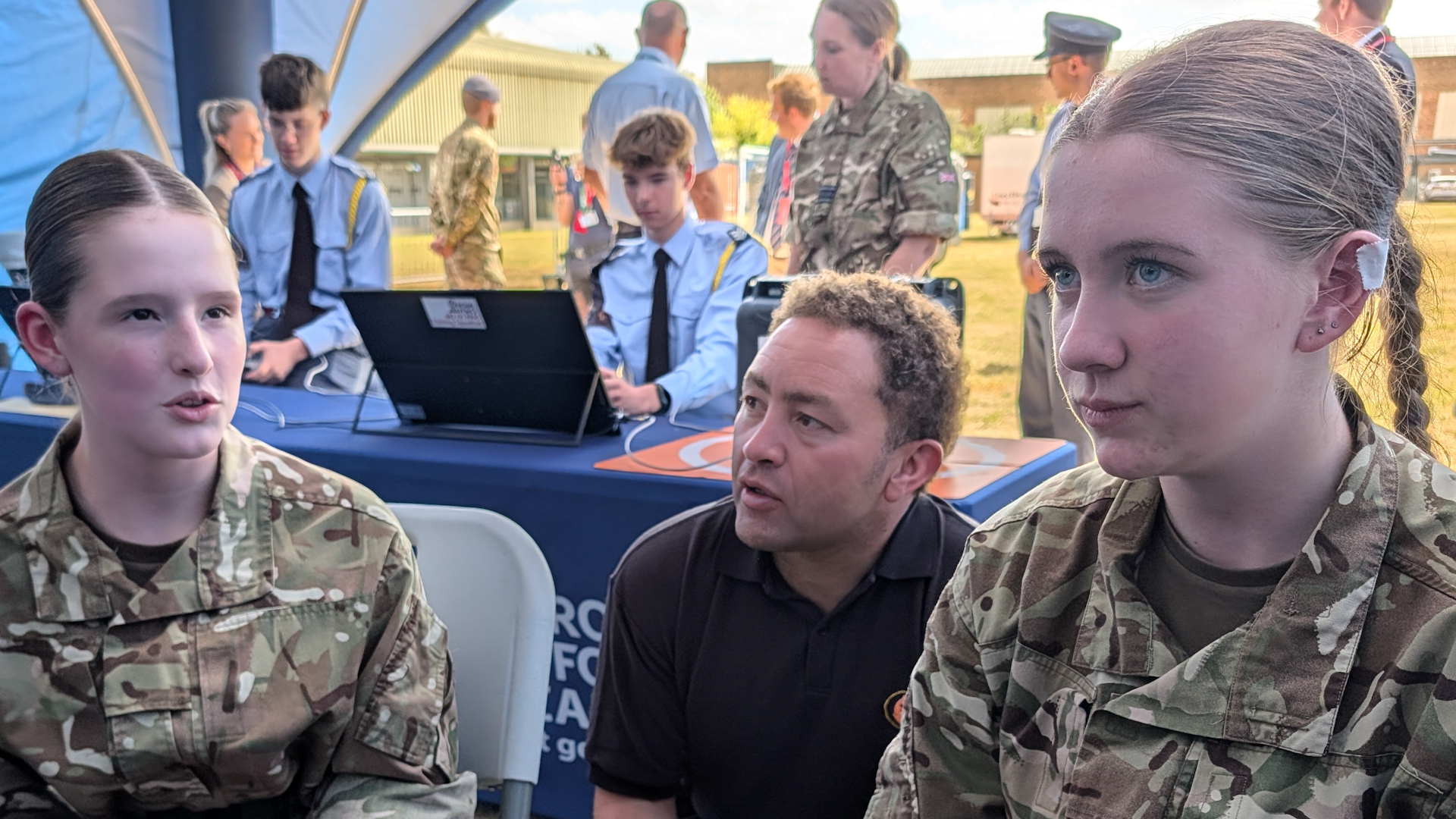
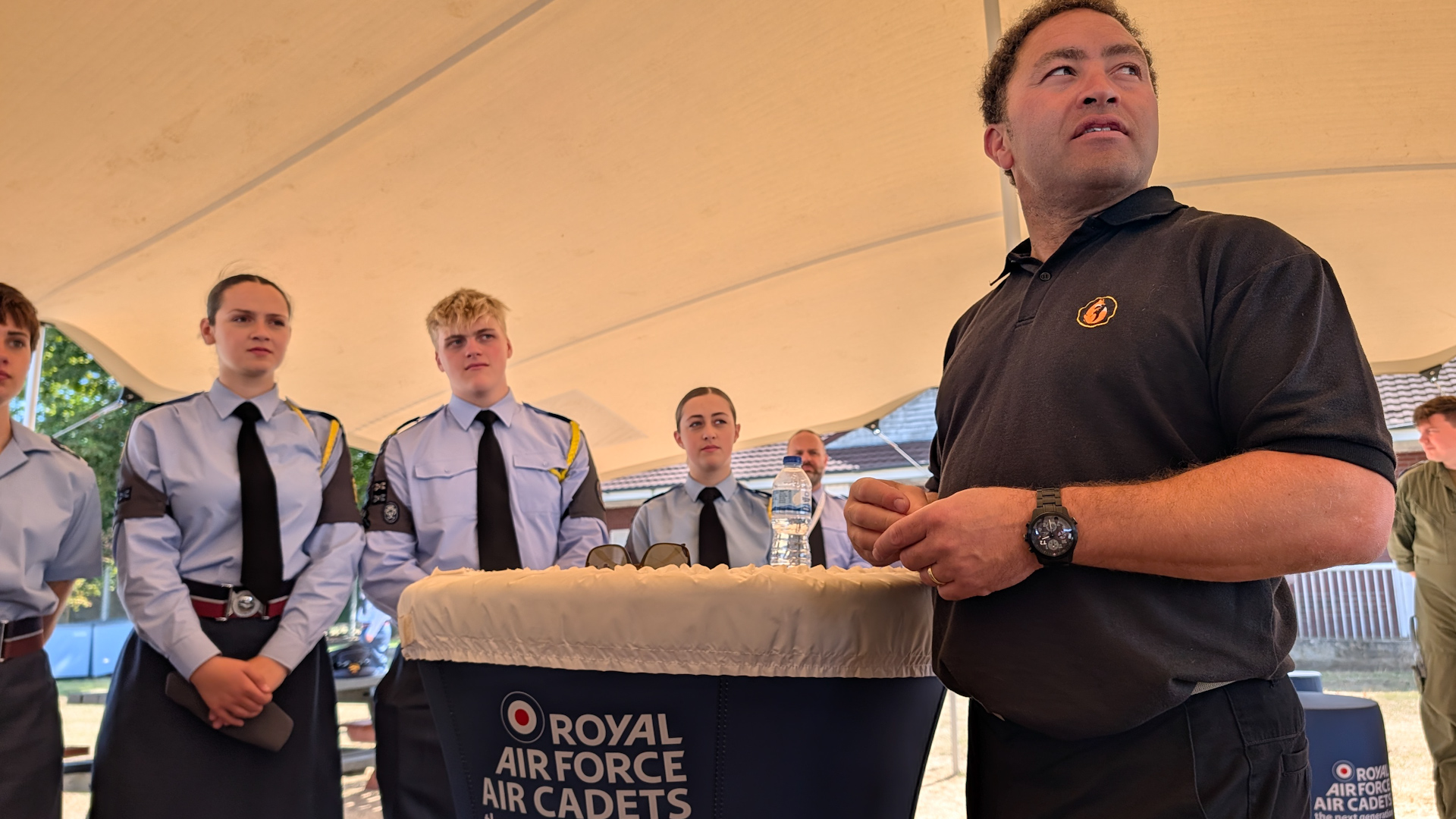
Minister for Veterans and People Calvin Bailey said that cadet organisations were a "useful vehicle for opportunity across government" while visiting a residential air and space camp for teenagers at RAF Waddington, in Lincolnshire.
In July, the Ministry of Defence announced via the Defence Investment Plan that it was delaying ambitious growth plans that would see the cadets grow by 30% – until after 2030 – a move met with disappointment by some senior figures in the cadet movement.
Speaking to BFBS Forces News, Mr Bailey said: "I really hope to encourage some of the other departments to see the opportunities, particularly the Department for Work and Pensions and also the Department for Education."
A 2023 study by the University of Northampton found that cadets generate £120 million annually for the UK economy – in health and wellbeing benefits alone.
Yet budgets for their activities have been significantly cut over the course of the past five years.
Mr Bailey added: "These are [the MOD's] people, this is our return, this is us making our commitment back to society and helping to provide society with a broader opportunity.
"That's in the same way police cadets are provided through police funding, fire cadets are funded through the fire service funding – but the benefits are available to society as a whole."
Cadets giving young people skills for life
The minister spent a day with cadets, observing the Army Cadet Force in the morning and the RAF's cadets – known as the Air Training Corps – in the afternoon, of which he is a former member.
On how Air Cadets set him up for life – the minister went on to hold a 24-year career in the RAF – Mr Bailey said the benefits given to him by the youth movement may have prevented him from falling into the justice system as a young man, three decades ago.
"I joined the cadets at about 11, but when you're at that age, I had a lot of energy and enthusiasm. I wanted to go out and do as much as I possibly could.
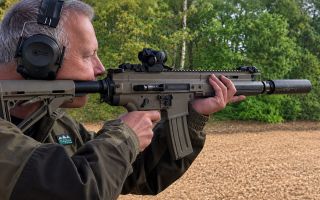
"What cadets does is ensure you do that in a safe and structured environment and the opportunities I've seen today – kids going out and doing clay pigeon shooting, riding motorcycles and flying aircraft simulators – is an amazing way those kids get looked after in a way they stay on the right side of the tracks, and that's what it did for me."
Across the UK, approximately 140,000 teenagers are members of the military-affiliated cadet forces, which include the Sea Cadets, Royal Marines Cadets, the Army Cadet Force and the Air Training Corps.
For the first time ever, the work of the cadet movement was covered in defence strategy plans when they featured in the government's 2025 Strategic Defence Review.
This was followed later that year by the publication of the cadet strategy, which included a commitment to significantly expand the organisations' membership.
Join Our Newsletter