Are record-breaking patrols pushing Royal Navy submarine crews to breaking point?
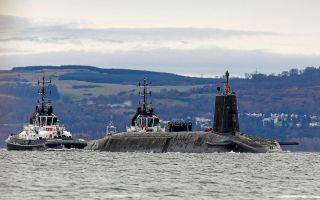
The record for the longest patrol by a Royal Navy submarine was broken for the second time in a year last week when HMS Vengeance returned to port – but are these longer missions pushing crews too far?
The nuclear submarine was deployed for 217 days after leaving in April, smashing the previous 205-day record set by HMS Vanguard in the same month as Vengeance's departure.
Vanguard broke the record she previously set just last year, and a former submariner is worried about the toll that it is taking on the submariners.
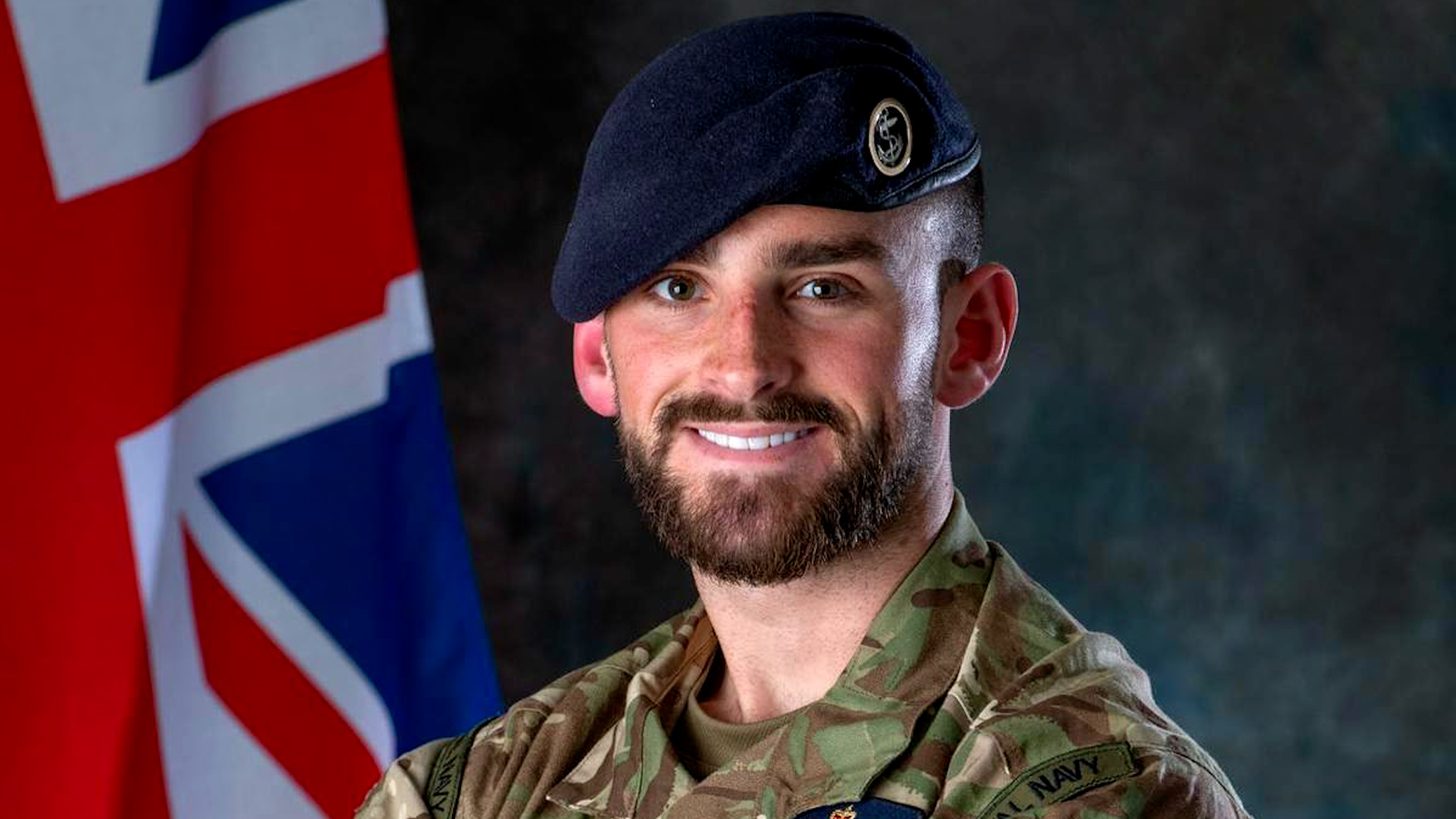
Zane Utley served on board HMS Vengeance before leaving the senior service in 2025 and was part of a crew that set a record for a patrol at sea.
He said: "We shouldn't be celebrating doing something that shouldn't be happening, in my opinion, and I'm sure there's many other submariners that would agree with that.
"Now the people who are on that patrol will be like, 'Oh, I was on that, I'm proud of that'. Give it a couple of years, some of them will have significant major mental health issues, I'm sure of it.
"I am concerned that something will happen to one of these boats sooner than later, and Dreadnought can't come soon enough.
"My fear is that something will happen someday and when it happens, all the warning signs would have been there, and it will be the whole 'what could we have done?'
"But it will be too late."
He went on: "Generally, anyone who goes on a patrol now thinks they're going to break the record, because that is the pattern they're taking. So, funny enough, I call it the doomsday boat because it seems to always happen to Vengeance.
"When I joined Vengeance, the opposite crew came back and they did 131 days, and that broke the record, and that was in around 2018.
"Then we took the boat over and we broke the record again, which was 142 days and people were thinking 'that's ridiculous'.
"To now think that same boat has come back and done 217, less than nine years later, is outrageous."
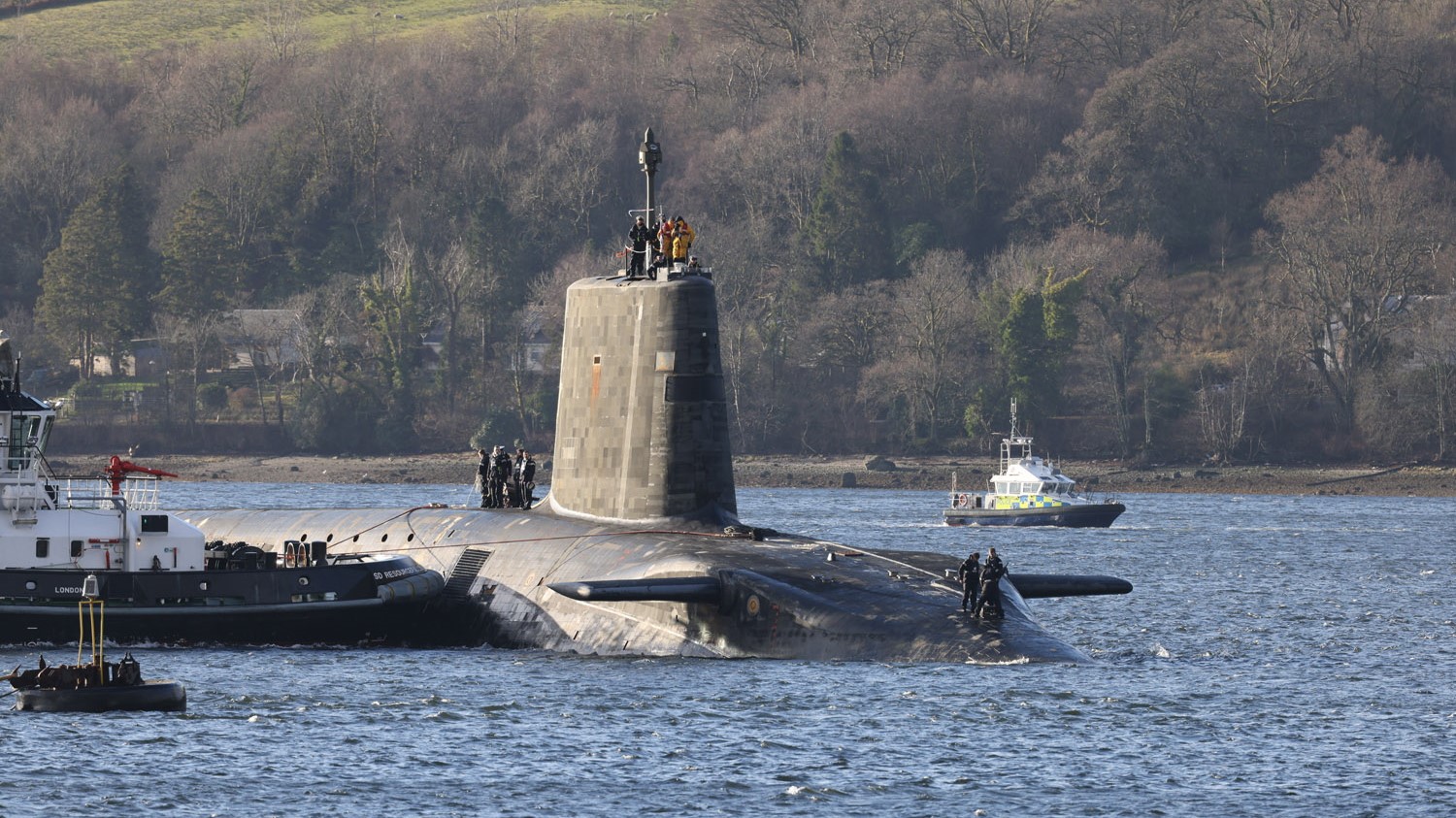
The Royal Navy is committed to a Continuous At Sea Deterrent but to do that the boats are having to spend longer and longer at sea.
The vessels just aren't available because they're tied up in a maintenance backlog.
A new generation of submarines and infrastructure is in the pipeline but are still some way off coming into operation.
This shortage means the records are growing and getting broken more quickly.
"When I joined the Navy, I was told that these patrols would be around 100-plus days, and that was only 2016," Zane continued.
"Less than 10 years later, they're doing 217 days.

"Now, they were built in 1999, the year I was born, and, as a chef, I know the freezer only stores 90 days' worth of food, so to be able to send people on a submarine that is only built for 90 days' worth of food for in excess of 200 and nearly 20 is, to me, abhorrent.
"But in general, life on board a submarine is mundane; it is what you would expect.
"It's the same routines over and over again; it's quite quiet, and some people would say boring.
"There's people doing that job who are there for in excess of seven months, who will be travelling within 30 metres for that entire seven-month period.
"It's probably quite daunting to most people."
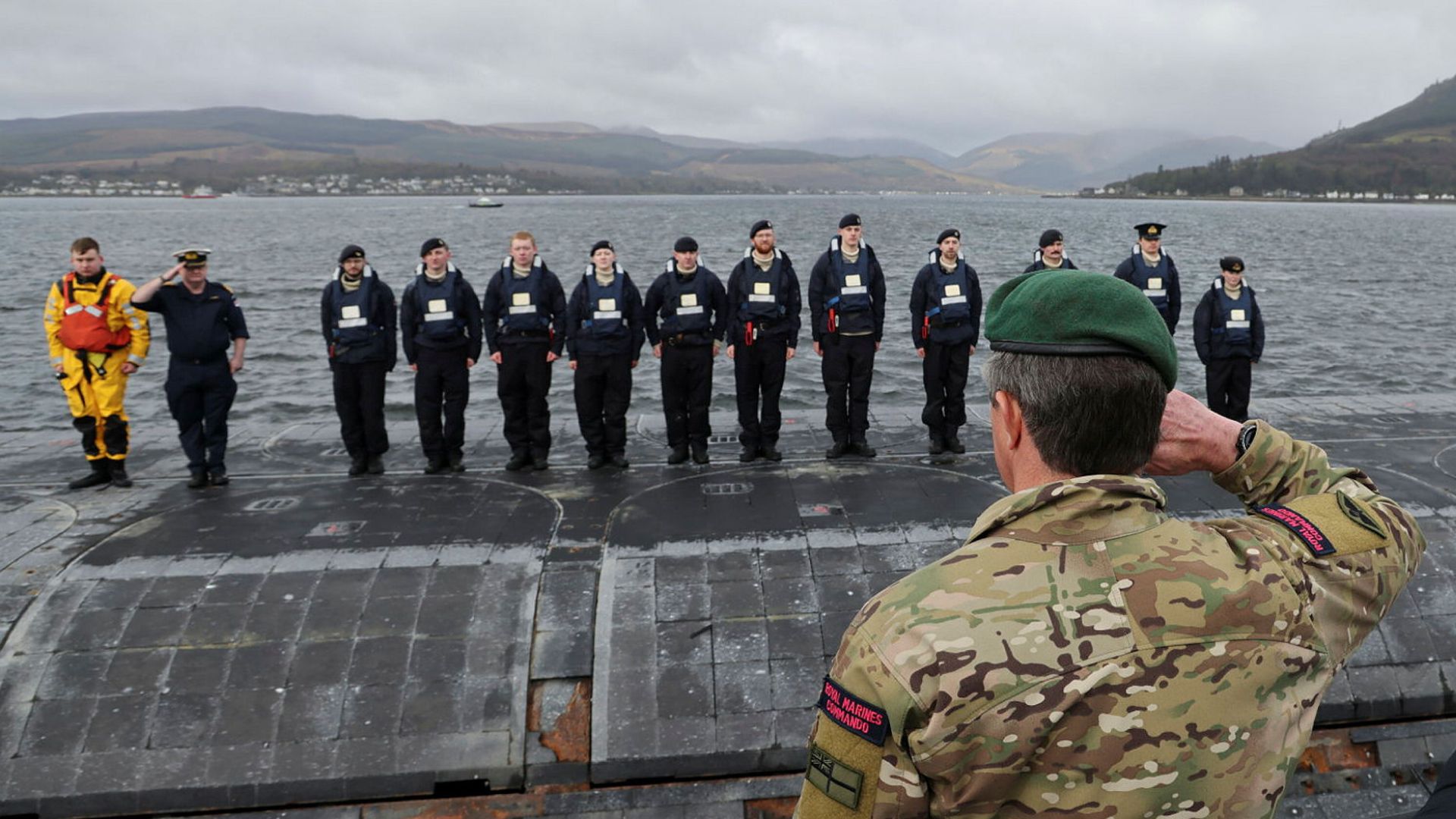
The Continuous At Sea Deterrent is one of the foundations of UK security – a boat must be on patrol at all times for it to work and it looks like this means longer stints at sea for the crews who operate them.
A Royal Navy spokesperson said: "Submarine Service places unique demands on our people, including long periods away from loved ones and the pressures that come with sustained deployments. We all owe these crews a great debt of gratitude for their commitment to keeping our country safe.
"We recognise the impact that life under the waves can have and take the wellbeing of our submariners extremely seriously; we are grateful to Zane for his service and for speaking openly about his experience.
"A range of measures have been introduced to support sleep, nutrition and mental wellbeing, including light therapy, enhanced fitness and recreational activities, and nutritional supplements, with early indications showing a positive impact."
Join Our Newsletter