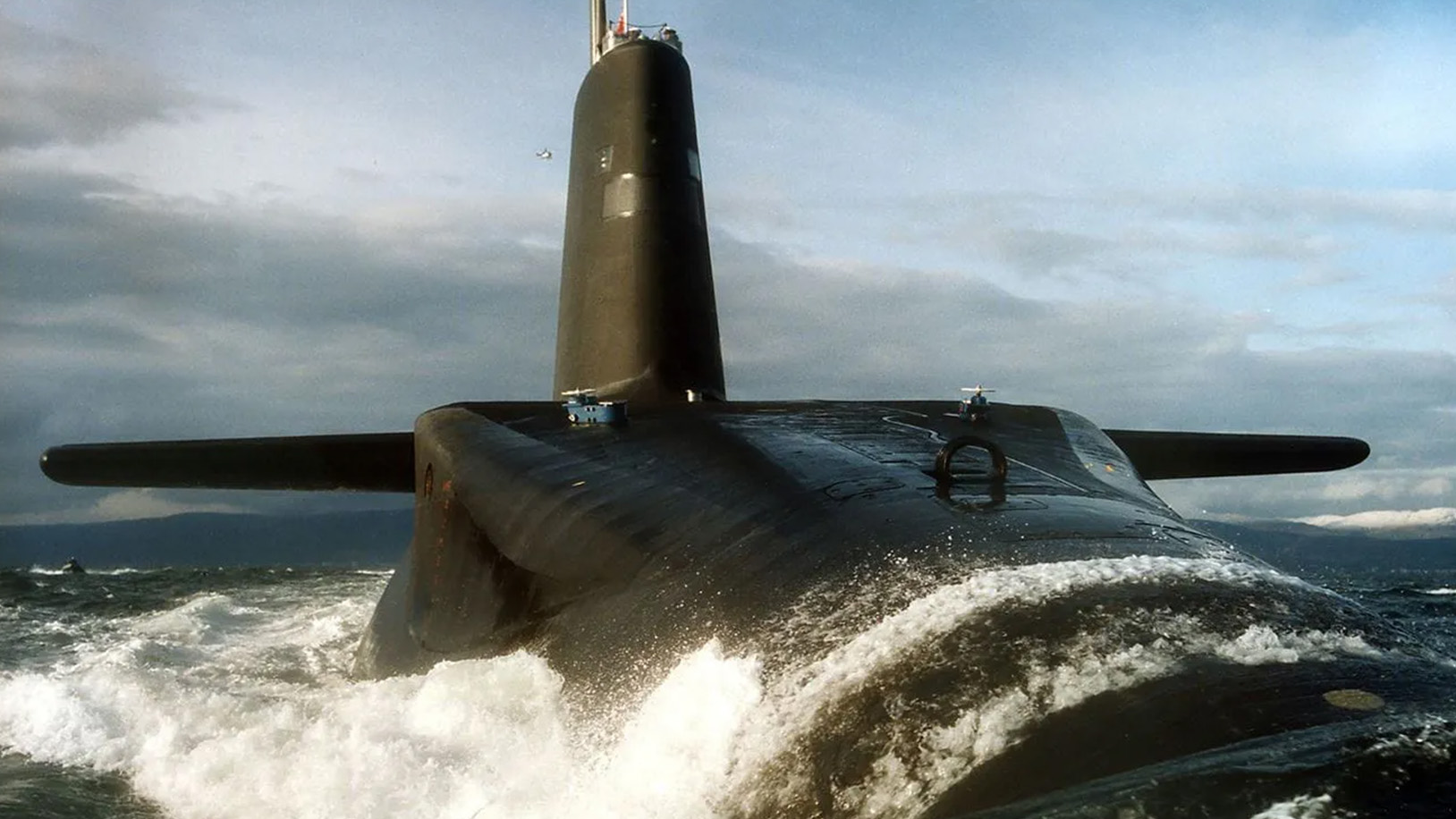
At any one time, at least one nuclear-armed ballistic missile submarine (SSBN) operates silently through the depths of the world's oceans, hidden hundreds of meters beneath the surface.
Comprised of four Vanguard-class submarines – HMS Vanguard, Vigilant, Victorious, and Vengeance – they spearhead the UK's nuclear defence posture, known as the Continuous At-Sea Deterrent (CASD).
Carrying Trident missiles, the patrolling submarines are capable of launching retaliatory strikes. The prospect of such mutual destruction serves as a deterrent, discouraging adversaries from an initial attack.
What is the Continuous At-Sea Deterrent?
Since 1969, the Royal Navy has maintained the CASD capability through Operation Relentless, the longest sustained military operation ever undertaken by the UK.
It aims to preserve peace, prevent coercion and deter aggression for both Britain and Nato, at a time when increased threats – from the likes of Russia – present a persistent threat to global security.
Based at HM Naval Base Clyde, the deterrent has been delivered by the Vanguard-class submarine. Each of the five is equipped with 16 Trident II D5 submarine-launched ballistic missiles (SLBMs), manufactured by Lockheed Martin in the United States.
The missiles are as accurate as they are destructive. With a range of up to 7,500 miles, with targeting capacity to within a few feet, their power is estimated to be eight times greater than the bomb dropped on Hiroshima.
Each Trident missile is designed to carry up to 12 nuclear warheads, but following the 1998 Strategic Defence Review, the UK limited its deployed warhead load to a maximum of 48 per submarine.
What is life like for the crew on board?
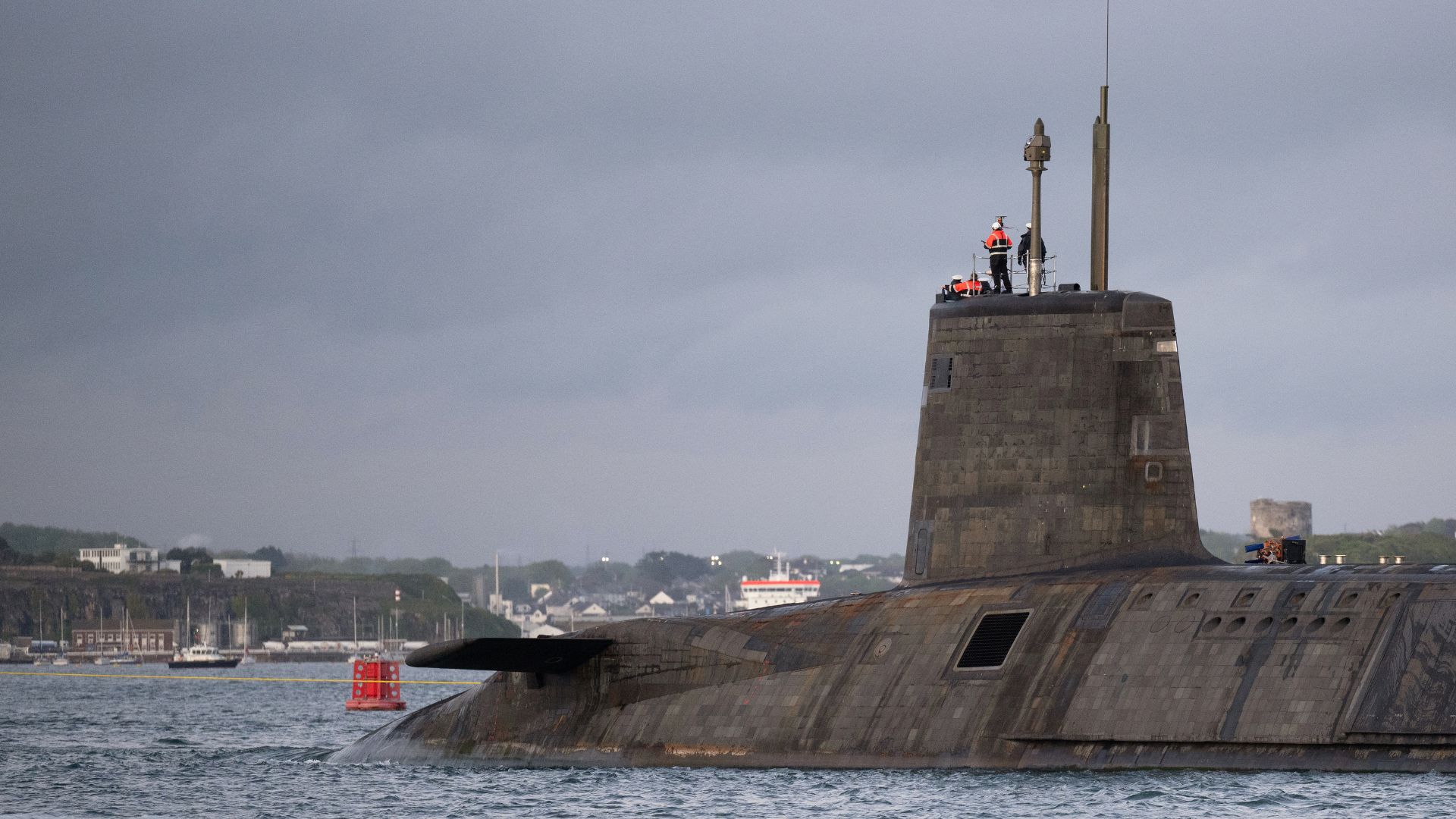
Around 140 personnel typically deploy for several months at a time, operating a continuous two-watch system: six hours on duty followed by six hours off, allowing time for rest, meals, and sleep.
Inside subs measuring nearly 150 meters long, space is at a premium, with crew members sleeping in tight bunk beds, often stacked three high in small communal cabins.
Although fresh water can be produced on board, food is strictly managed, with every calorie accounted for. Even something as routine as taking a shower is tightly regulated, because pumping water overboard generates noise that could compromise the submarine's stealth.
Most personnel are allocated just 10 seconds of shower time per day, while crew members working in hotter environments, such as chefs, are afforded the luxury of a shower after each watch.
Historically, while deterrent patrols were designed to last 70 to 90 days, a severe shortage of operational submarines, ageing vessels, and prolonged maintenance periods have led to extended deployments, with some lasting up to six months.
In April, a Vanguard-class submarine arrived back at Faslane naval base, having spent seven months at sea – 205 days in total – breaking the previous record for the longest unbroken patrol, which had been set during the Falklands War.
In fact, reports suggest every one of the last nine patrols has exceeded five months in duration.
At present, the Royal Navy has begun transitioning from the ageing Vanguard-class submarines, which are nearing the end of their life. Replacements are vital to ensure the future and credibility of the UK's nuclear deterrence.
What is the future of Britain's nuclear deterrence?
Expected to enter service in the 2030s, the new Dreadnought-class submarines, along with Trident missiles, will be incorporated with an advanced array of electronic sensors and tactical weapons, including the Spearfish heavyweight torpedoes.
The 150-metre-long vessels will also be equipped with the Rolls-Royce Pressurised Water Reactor 3 to provide the vessel with power and propulsion.
Because acoustic stealth is fundamental to effective nuclear deterrence, the Dreadnought-class will be the first British submarines to feature X-rudders.
Sitting at the front of the pump jet propulsor – which the Royal Navy has claimed is the quietest yet – they are designed to reduce the noise of the submarine, particularly at high speeds.
The total cost of the Dreadnought project is £41bn, which includes £31bn – adjusted for inflation – for development and production, and a further £10bn set aside for contingencies.
While costly, and at a time when the UK faces broader defence shortfalls, it will secure the nation's strategic deterrent into the 2070s – a capability that has underpinned UK defence strategy for decades.
Join Our Newsletter