Survive, evade, resist: How the Armed Forces are taught to return them to the fight
Personnel from across the Armed Forces need to learn to survive in all kinds of difficult environments.
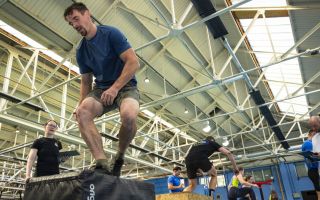
BFBS Forces News has been given unique access into the work done by the Defence Survive, Evade, Resist, Extract Training Organisation (DSTO), which trains all branches of the forces in survival techniques as well as evading capture in hostile territory.
Personnel are taught what to do when their aircraft has crashed at sea, evade capture behind enemy lines and use the environment around them to stay alive.
World is now a less safe place
Based at RAF St Mawgan in Cornwall, DSTO hosts courses both at home and abroad for soldiers, sailors and aviators who may be at risk of becoming isolated personnel (ISOPS) and equipping them with the skills and knowledge they will need to get to safety.
Commanding Officer Commander Daniel Gordon said: "Our people, if they end up wrapped up in a bad situation, they are armed with the skills they need to ensure that they've got the best chance of getting out of it.
"The globe itself is becoming a less safe place. There are plenty of areas around the globe that are contested and we can see that in the future potentially we could end up in a large-scale conflict.
"And if that's the case, the training we deliver here will be vital to ensure that our people, when we do put them in harm's way, do have the skills and techniques and the knowledge necessarily for them to hopefully extract themselves, get themselves back, get themselves squared away and then return to the frontline."
Survival at sea
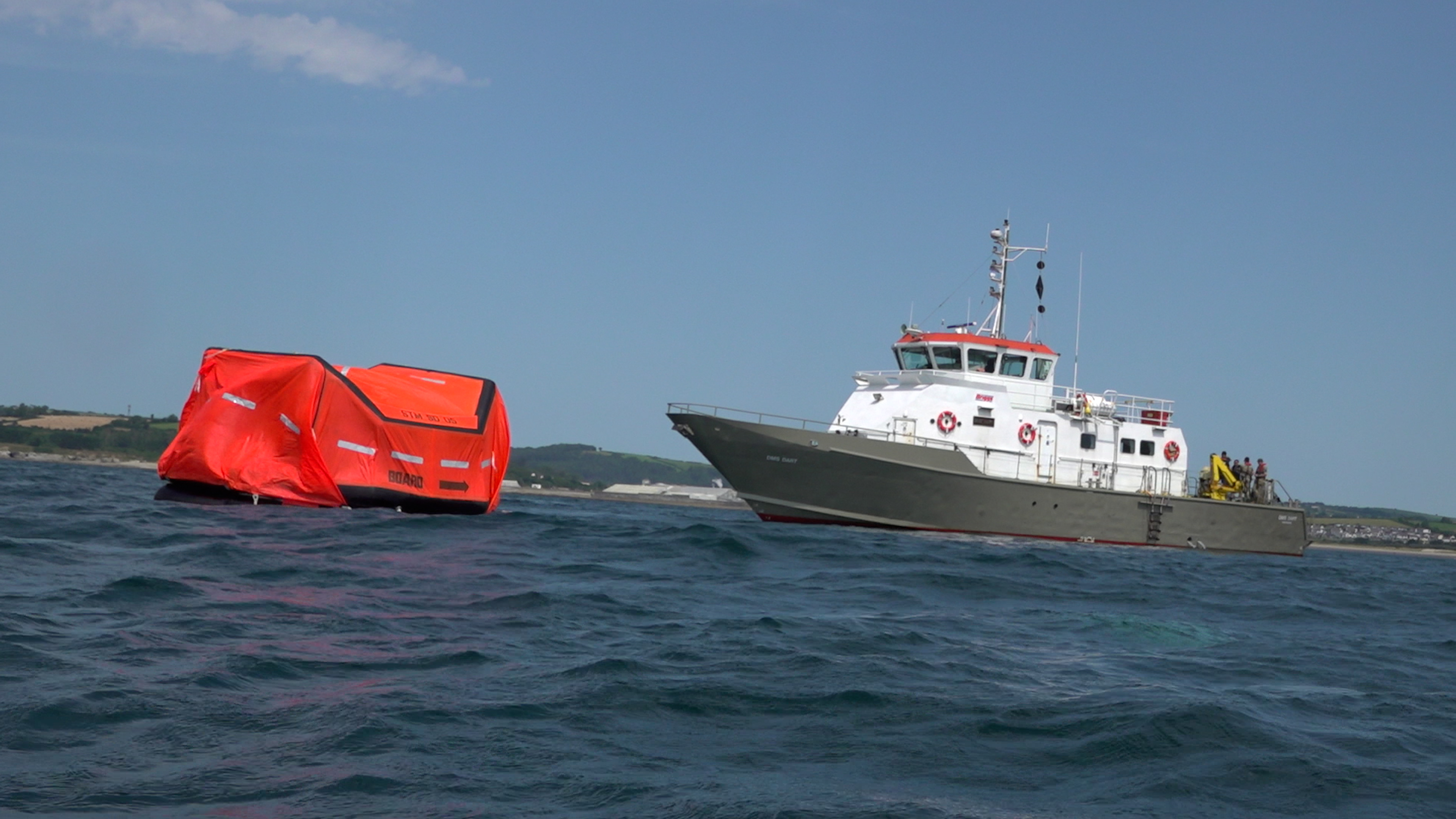
Off the coast of Cornwall members of the RAF are taught what they must do if their aircraft crashes at sea.
They take part in drills to teach them to escape from a sinking aircraft and get themselves to safety.
Sergeant David Buttle said: "We have them going out to sea to carry out their drills as they would if they had had a real survival emergency incident.
"They're going to get themselves from an aircraft that's potentially sinking into the water.
"They're going to get themselves into a life raft. We'll then simulate that aircraft sinking, so they will cut away once they're all in their life raft.
"Then there's a checklist within the life raft, which essentially will get them into a place where they are safe, secure, out of the elements and they can initiate their own rescue."
No one gets left behind
Time is a major factor in getting through such an incident for real and keeping a cool head, and knowing exactly what they must do and when increases their chances of being rescued, with the students knowing the importance of the training.
Sergeant David Watts from RAF Waddington said: "It's a calm day, so it's quite easy to get in up the ladder, but I can imagine if it's different conditions, it'll be a lot harder.
"You all dive in and then there's a roll call taken, so you get how many people that you're in there, make sure everyone's there, no one needs to get rescued [from the water], no casualties.
"And then we've got a dummies guide on the side. It's a checklist of what you have to do, one, two, three, four, et cetera – and you just go through what you need to do to prep yourself for the future."
Avoiding the hunters – on land and above
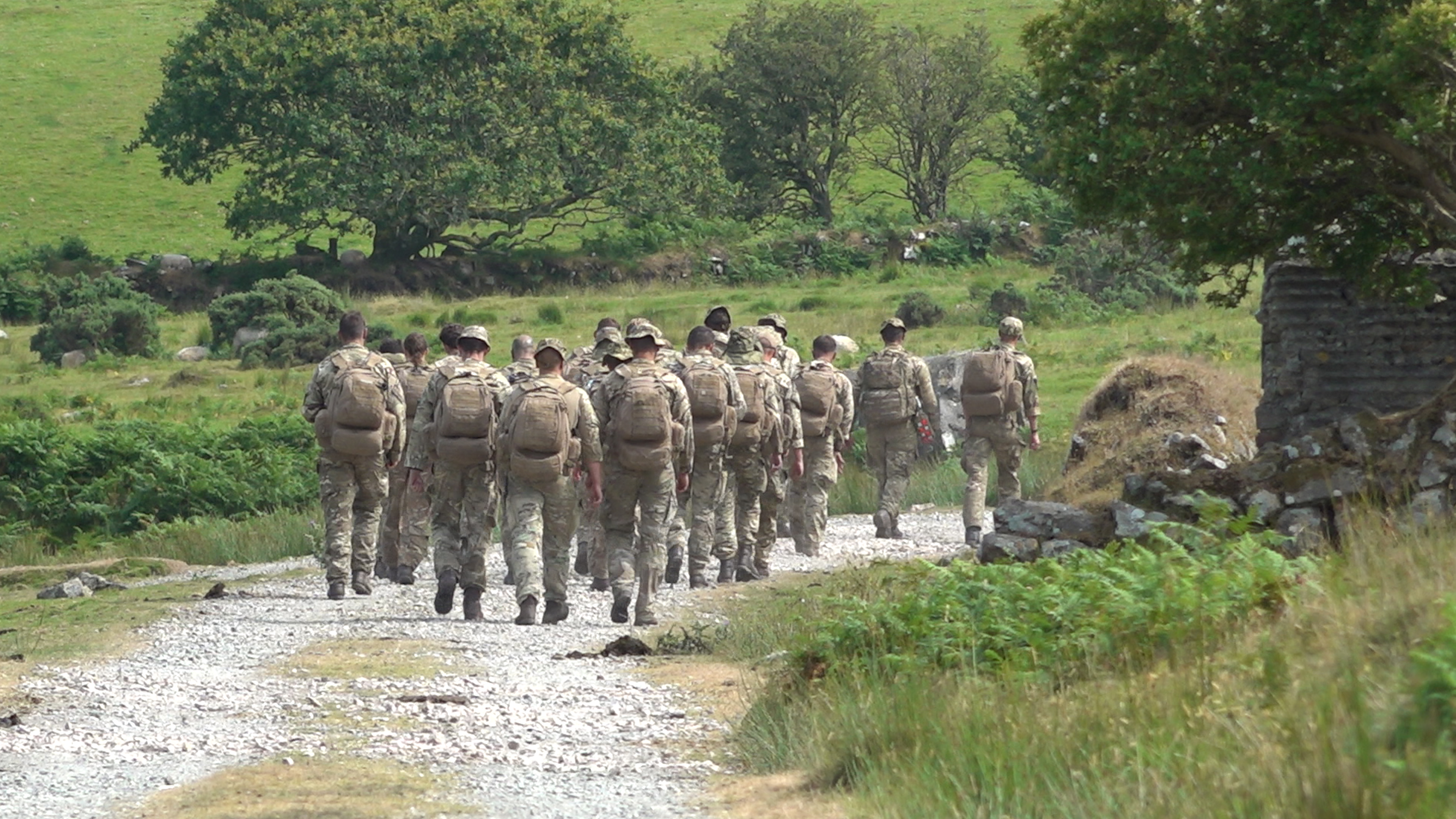
On Bodmin Moor, students are taking part in the evade section of the training to teach them how to avoid capture behind enemy lines and get to safety.
They are patrolling across the countryside to get themselves to the extraction point while being tracked by teams of hunters tasked with capturing them and preventing their escape.
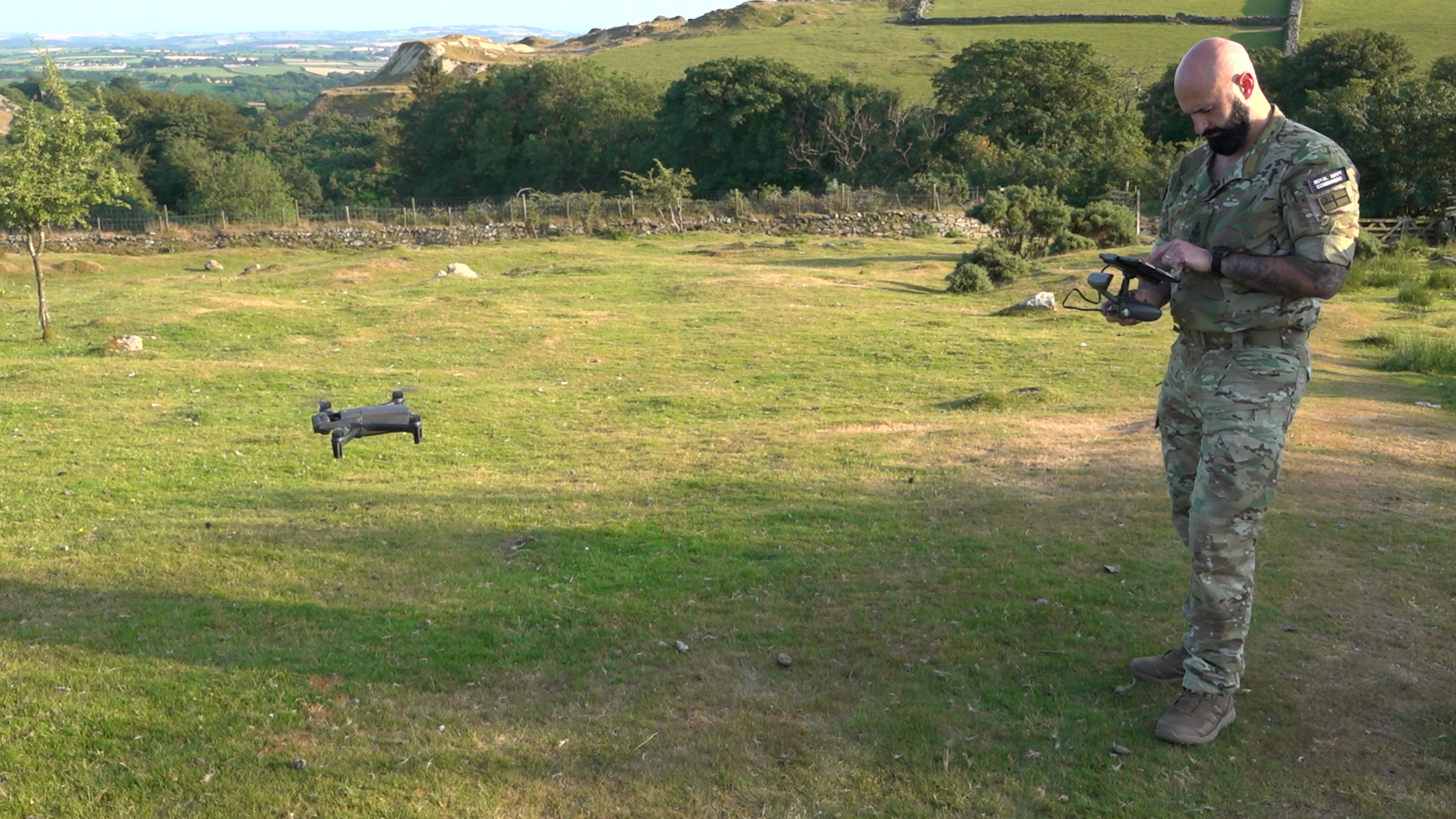
Drone operators are also incorporated into the exercise, with their use being increased on the battlefield during the war in Ukraine.
Petty Officer Anthony Pyke said: "It's the future of warfare, being able to use drones, be in line with how people are fighting in war right now, especially in Ukraine, lessons learnt from them.
"This is going to be bringing us as DSTO, as part of the people that train the next generation of aviators, and people that are working on the frontline.
"It's going to be the most important part of their training, understanding how dangerous drones actually are and how easy it is for them to be spotted by a high-quality drone."
Foraging for food
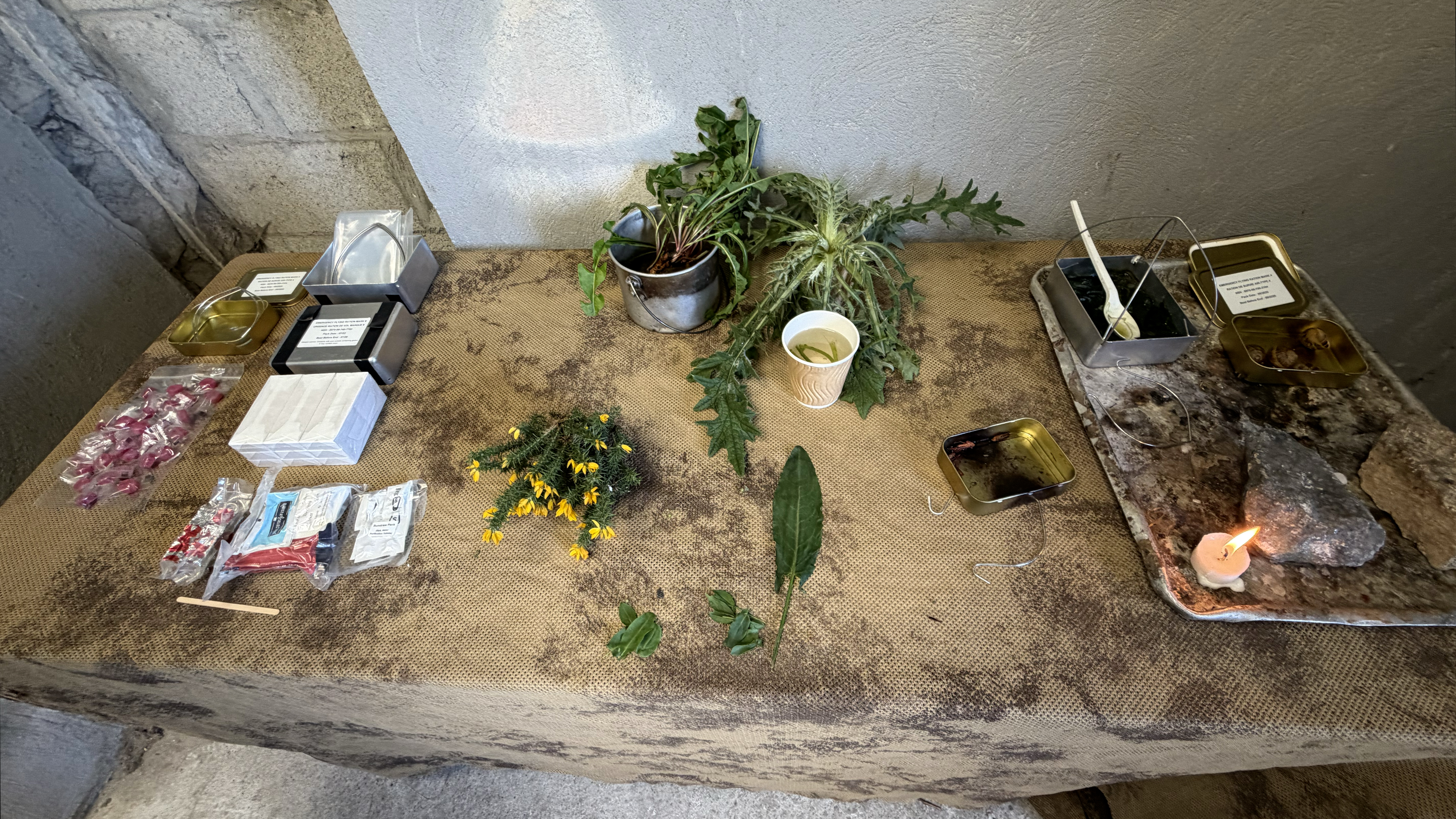
As well as avoiding the enemy – the personnel on the course are taught how to make their rations go further by using what they find around them.
Flight Sergeant David Hardy said: "Starvation isn't going to kill you, it's the fact that your organs would have cut through pretty much all the fats, minerals and everything else, so by the end we then become more likely to get disease and stuff like that.
"It's the old scurvy thing, when you look at the Royal Navy years ago why they needed vitamin C and all the lemons and stuff like that to keep them going, because that's what's going to fight off disease and potential injuries."
Adding some flavour
Penhale Training Area sees those on the coastal course learn to combat things like hunger, dehydration and the elements.
Again, it is about using what you find around you to keep alive.
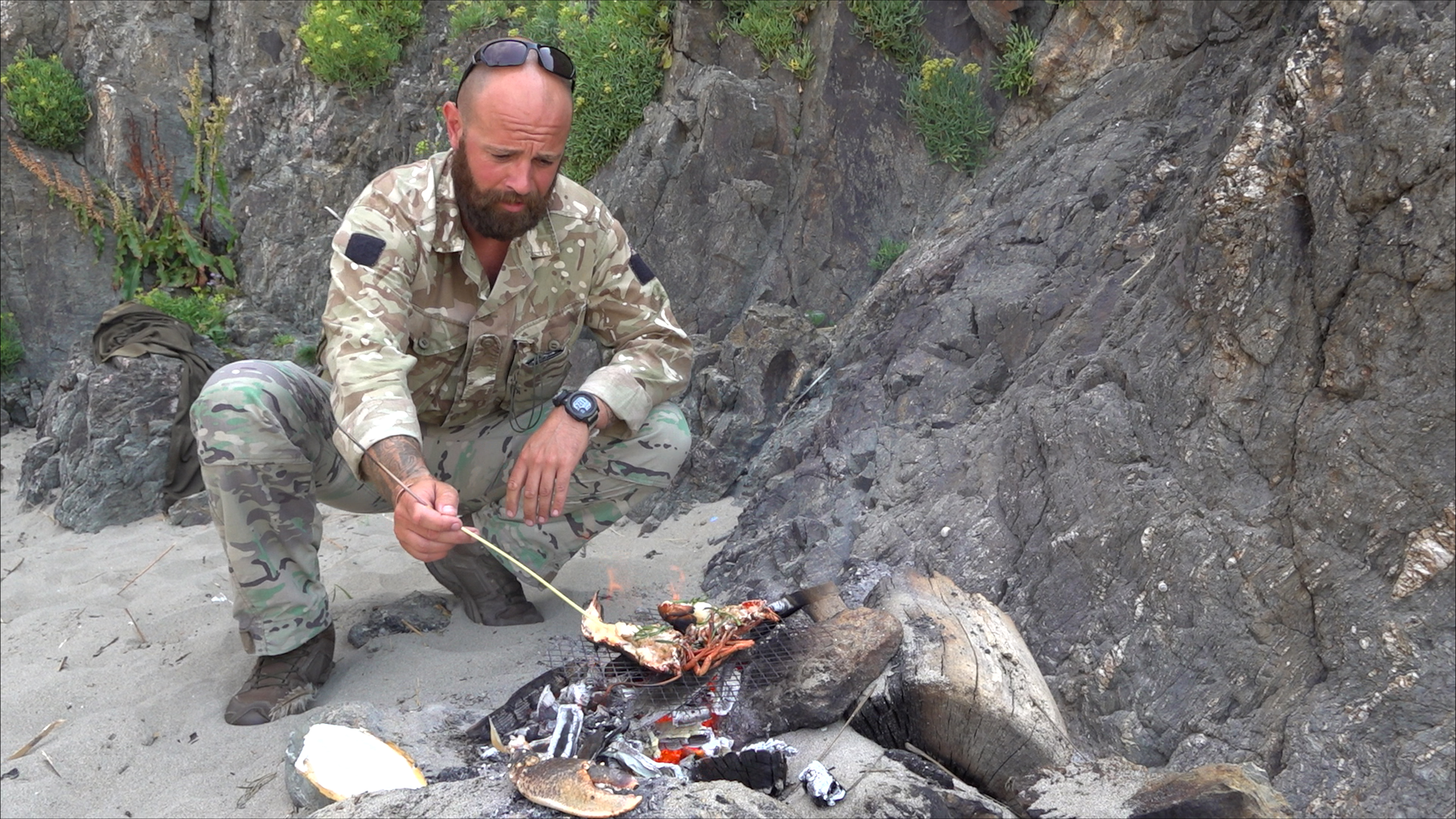
Colour Sergeant Aaron Jones explained: "There's a multitude of different things that we can find here. Lobster and crab are the biggest ones.
"So this is stuff that we teach the students all the way through – there's different ways that we can cook it.
"The first one would be boiling, and the reason that we boil it is because out of the water comes all the nutrients from inside the head.
"So if you are in a position where you are surviving, it's ideal just to be able to drink that broth as well, so we lose none of the nutrients."
Despite being in a survival situation, the students can also make the food they forage taste better.
"Obviously we've got a beautiful animal there that we can eat, but we can also make it taste better," said CSgt Jones.
“Rock samphire is a really nice plant – it's readily available around this part of the world as well.
"When you put that on top of the meat, it seeps through the meat – little bits like that just make things a lot better."
Surviving the elements
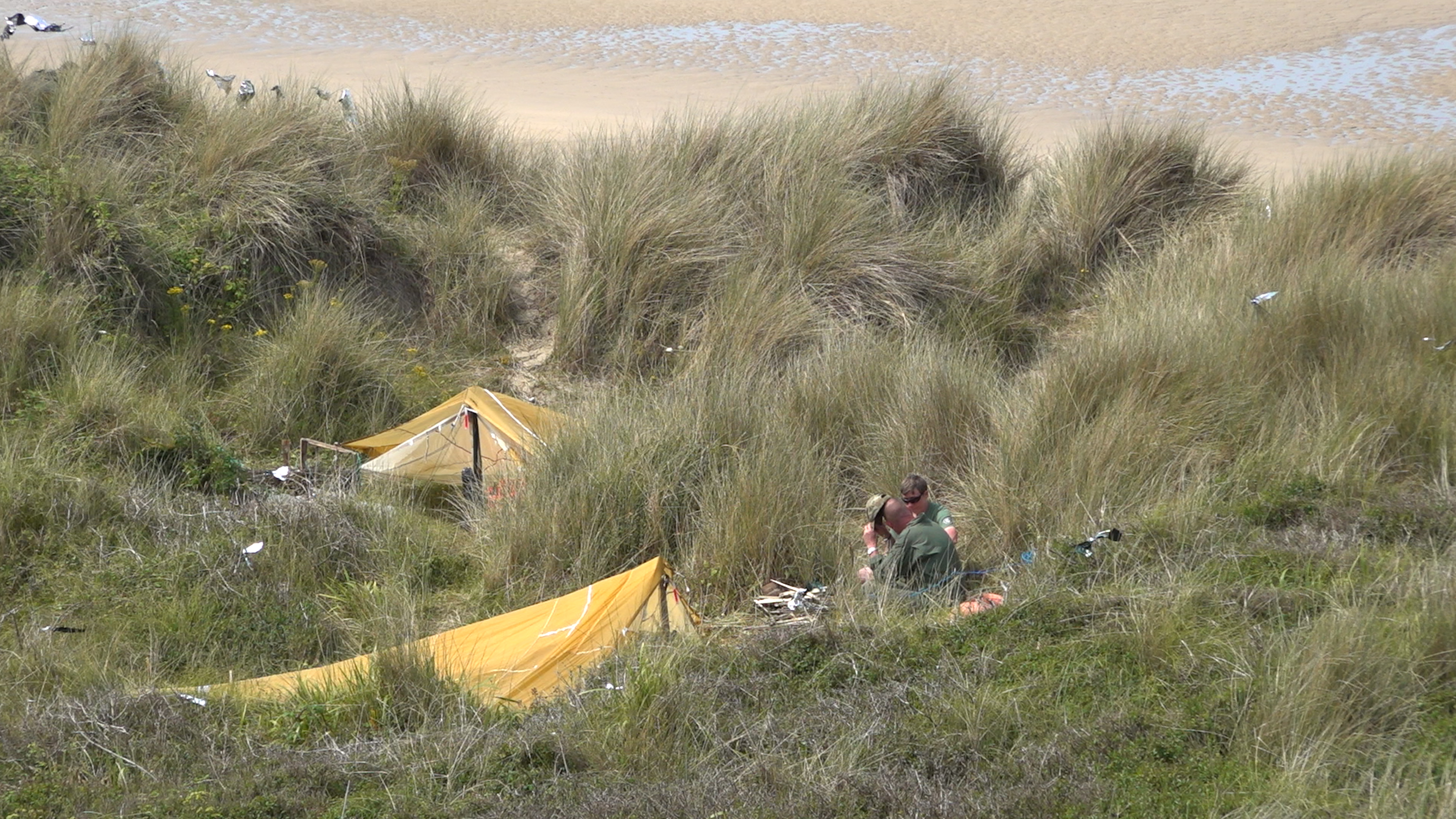
The kit a pilot ejects with from their aircraft is also vital to survival here, with it being used to make a shelter for protection against the elements.
Flight Lieutenant John Hudson said: "So you've got a bit of parachute material on the top, three gauze on the inside, four on the outer to provide separation and tension so any rain gets shed from it.
"Inside, to insulate them from the ground, we've got locally sourced marram grass, because we're in a dune system, and then this is part of a single-seat life raft that one of the students has turned into a kind of little inflatable mattress.
"Everything's anchored to the ground by stakes, or if it's really sandy, something that you can't apply in the desert, you can bury a rock under the ground and then tie cord around it.
"This is the kind of shelter that a fast jet pilot would make if they ejected in friendly territory but had to wait until rescue, hence it being orange on top – it's not a combat survival-type shelter."
The aim of this training is simple – to teach personnel to stay alive and get to safety if they find themselves in trouble.
And by using the tips and tricks they learn here to ensure their survival in any scenario they might encounter, they can live to fight another day.
Related topics
Join Our Newsletter