British F-35s get US help to combat corrosion and keep them ready for the fight

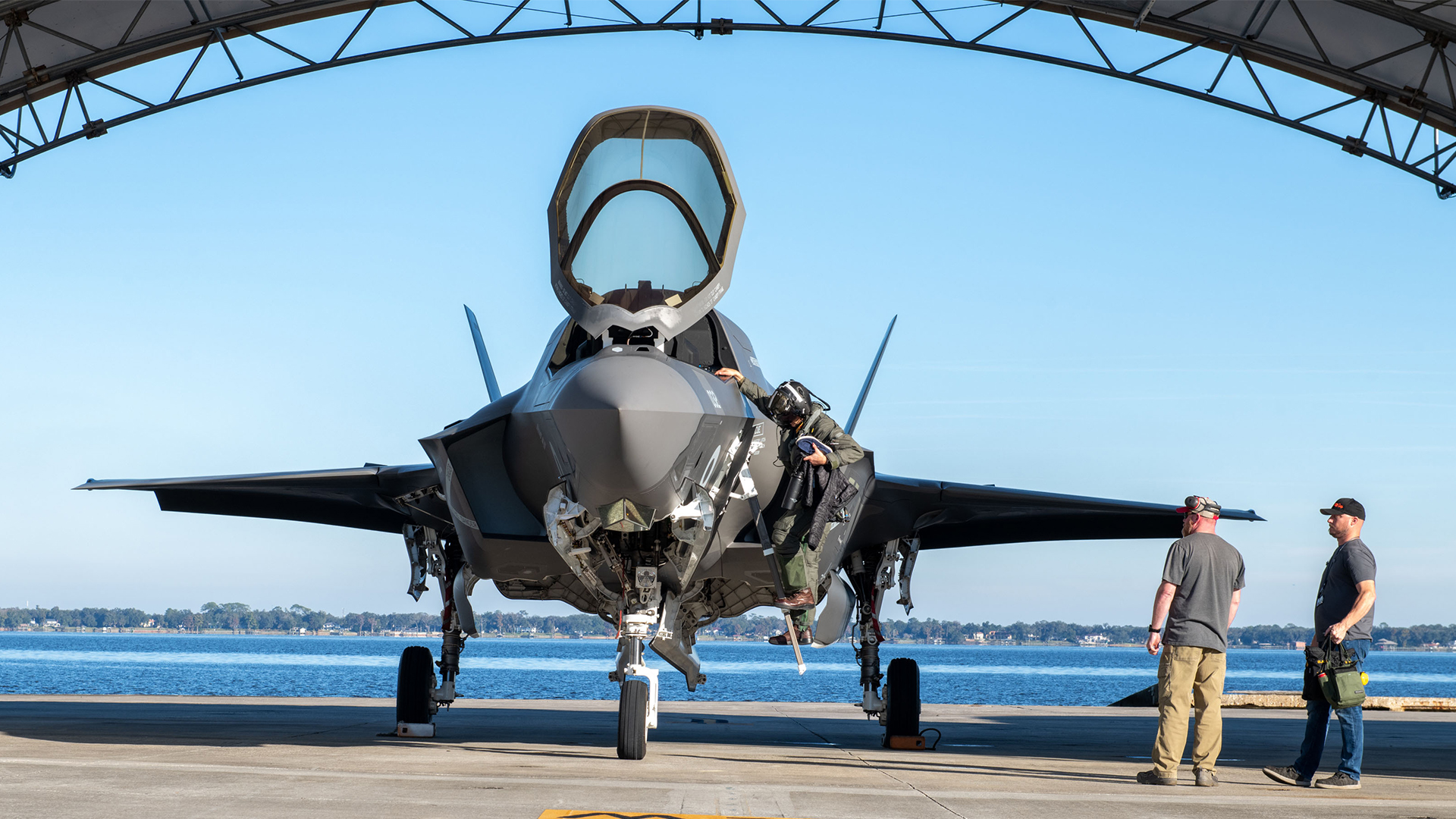
Three British F-35B Lightnings have arrived in the United States where they are being assessed for corrosion.
The F-35s, which are called Lightning IIs in US service, are at the Fleet Readiness Centre Southeast (FRCSE) in Jacksonville in Florida, for what the centre refers to as Production Asset Inspection Requirement Tier II corrosion-mitigation inspections – PAIR II for short.
Using the PAIR II process, FRCSE technicians will inspect the aircraft's underlying structures, then remove and repair any corrosion to prevent further damage.
Salty sea dogs?
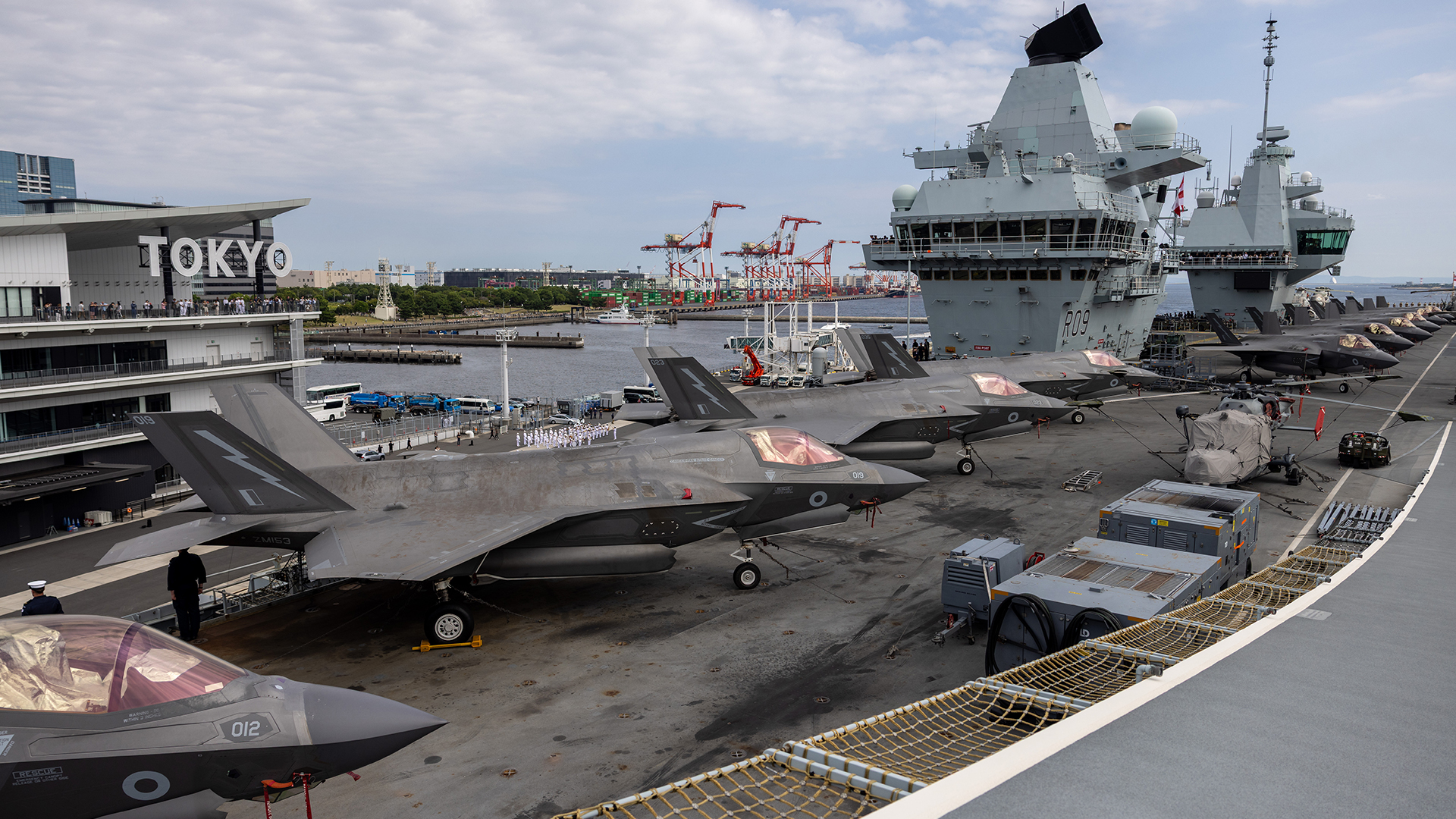
It is unclear whether the three F-35s from the UK's Lightning Force were deployed on Carrier Strike Group 25.
However, this does seem likely, as nearly eight months at sea on board HMS Prince of Wales will have taken its toll on the Lightnings due to their exposure to salt and ultraviolet light.
PAIR II is a comprehensive process involving detailed corrosion mapping, structural assessments and component repairs or replacement.
In order to minimise aircraft downtime, FRCSE workers have got the PAIR II process down to a fine art, reducing the standard turnaround time from 180 days to approximately 60 days.
Maintaining to train, fight and win
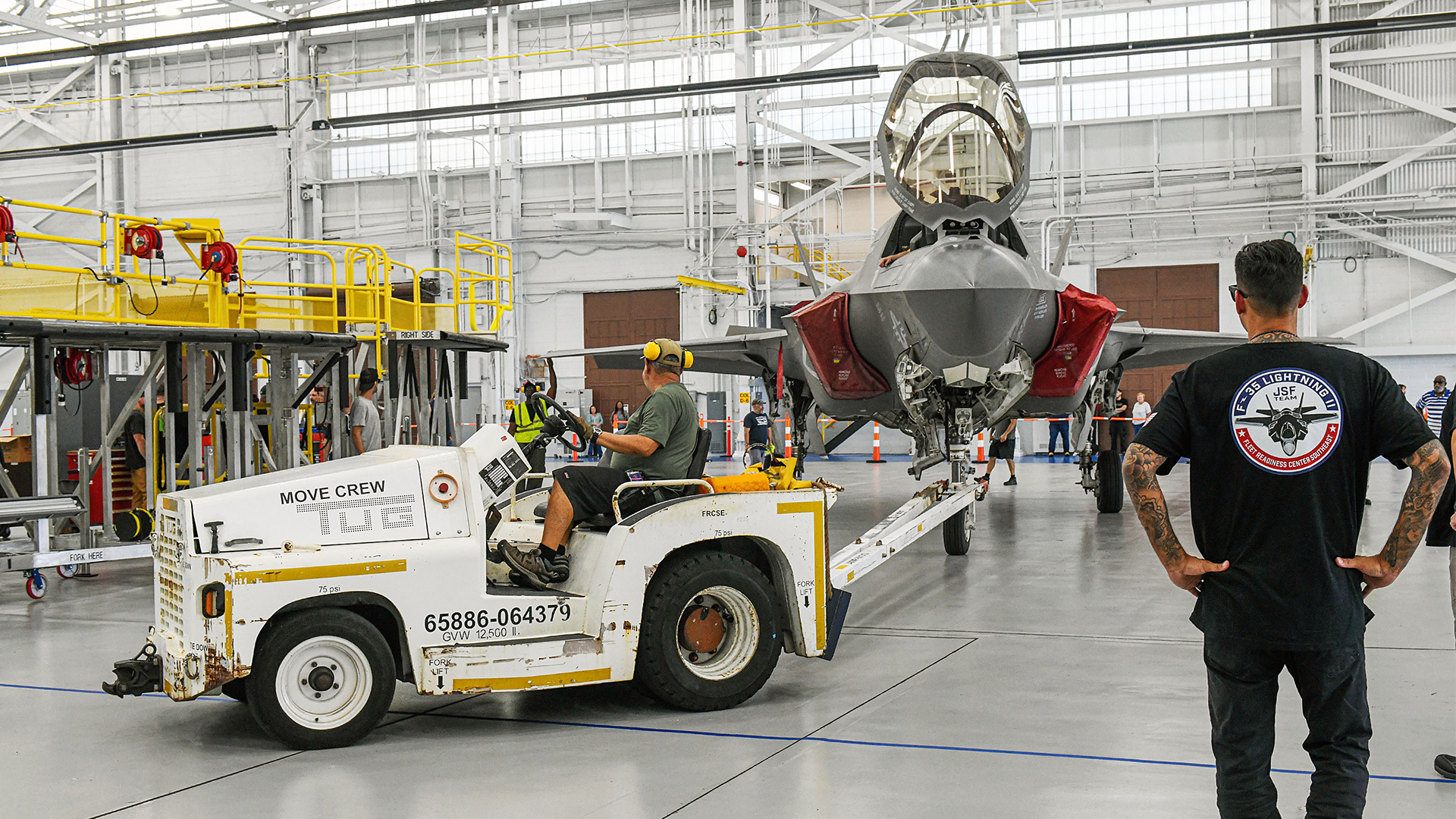
Fleet Readiness Centre Southeast is the largest maintenance, repair, overhaul and technical services provider in northeast Florida and southeast Georgia.
It employs around 5,000 civilian, military and contract workers, and serves as a key part of the greater US Navy, Naval Air Systems Command and Commander Fleet Readiness Centres by maintaining combat airpower assets.
As the FRCSE says: "Established in 1940 as the Naval Air Station Jacksonville Assembly and Repair Department, our name has changed several times.
"What hasn't changed is our commitment to providing world-class support to the American warfighter. Our mission is to ensure the fleet is equipped with the tools they need by delivering efficient, high-quality and cost-effective Maintenance, Repair and Overhaul (MRO) of aircraft, engines and aeronautical components.
"The work we do ensures that our nation's military can train, fight and win today while supporting the force to win tomorrow."
Techniques shared
Additionally, to reduce future corrosion and repair costs, F-35 corrosion prevention best practices are being shared with British maintenance personnel for implementation back in the UK and at sea.
The 60 workers and support staff on the FRCSE's F-35 team have undergone extensive training on the aircraft's advanced systems, including the Autonomic Logistics Information System (ALIS) and specialised surface coatings.
"The FRCSE speed line is recognised within the F-35 community for efficient and cost-effective corrosion mitigation," explained Captain Mike Windom, the commanding officer of FRCSE.
"We are proud to extend our expertise to support our Royal Navy allies, ensuring their F-35 aircraft maintain peak mission readiness."
From Angels to aggressors
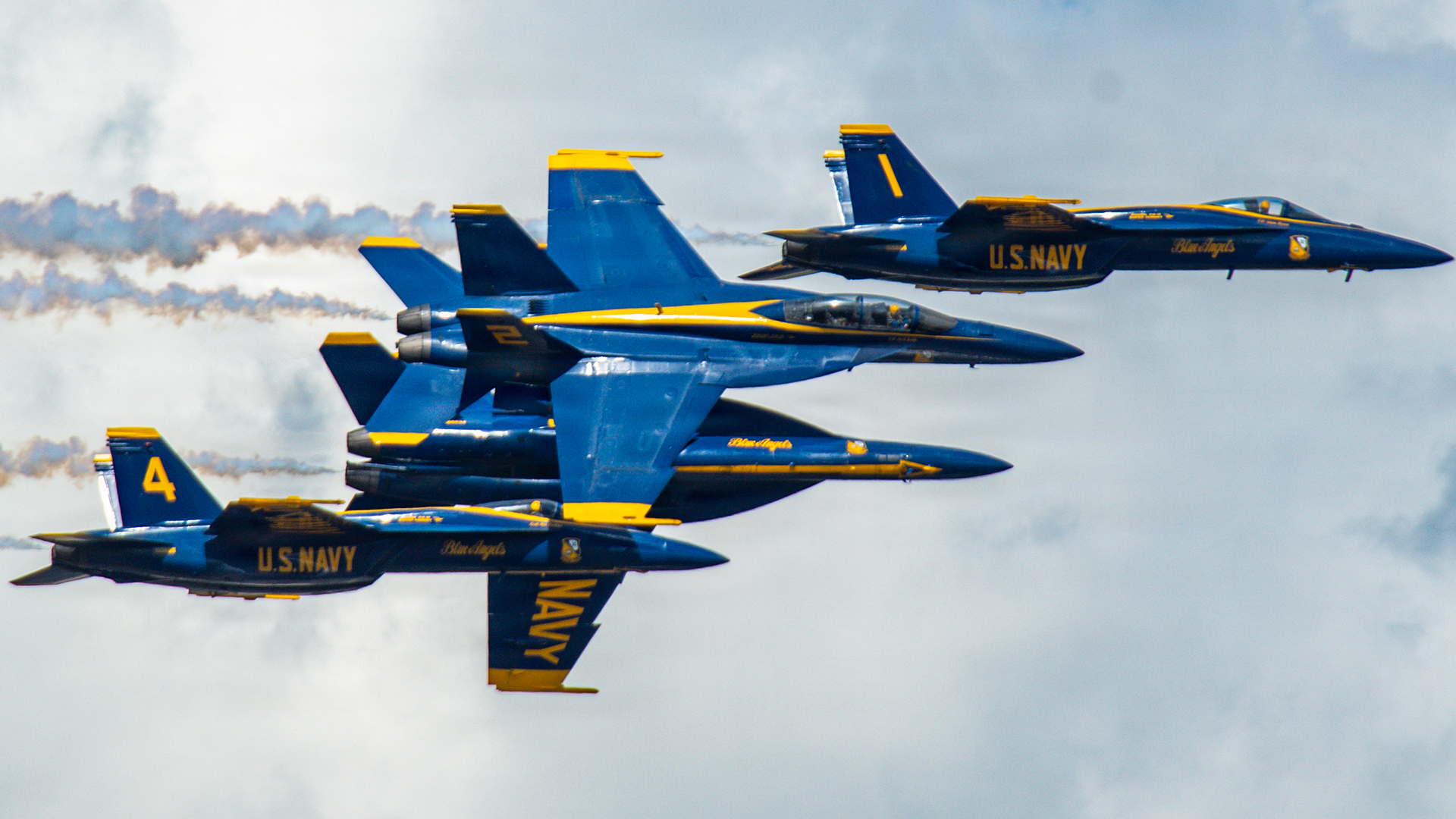
Aircraft that have been worked on by the FRCSE include the F/A-18 Super Hornet flown by the Blue Angels, the US Navy's aerobatic display team.
Another type is the F-5 Tiger II that is used as an aggressor aircraft at the US Navy Fighter Weapons School – its advanced fighter pilot training programme being better known as Top Gun.
Join Our Newsletter