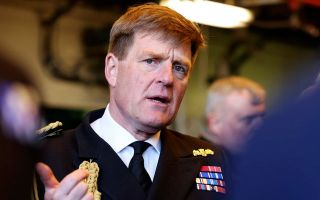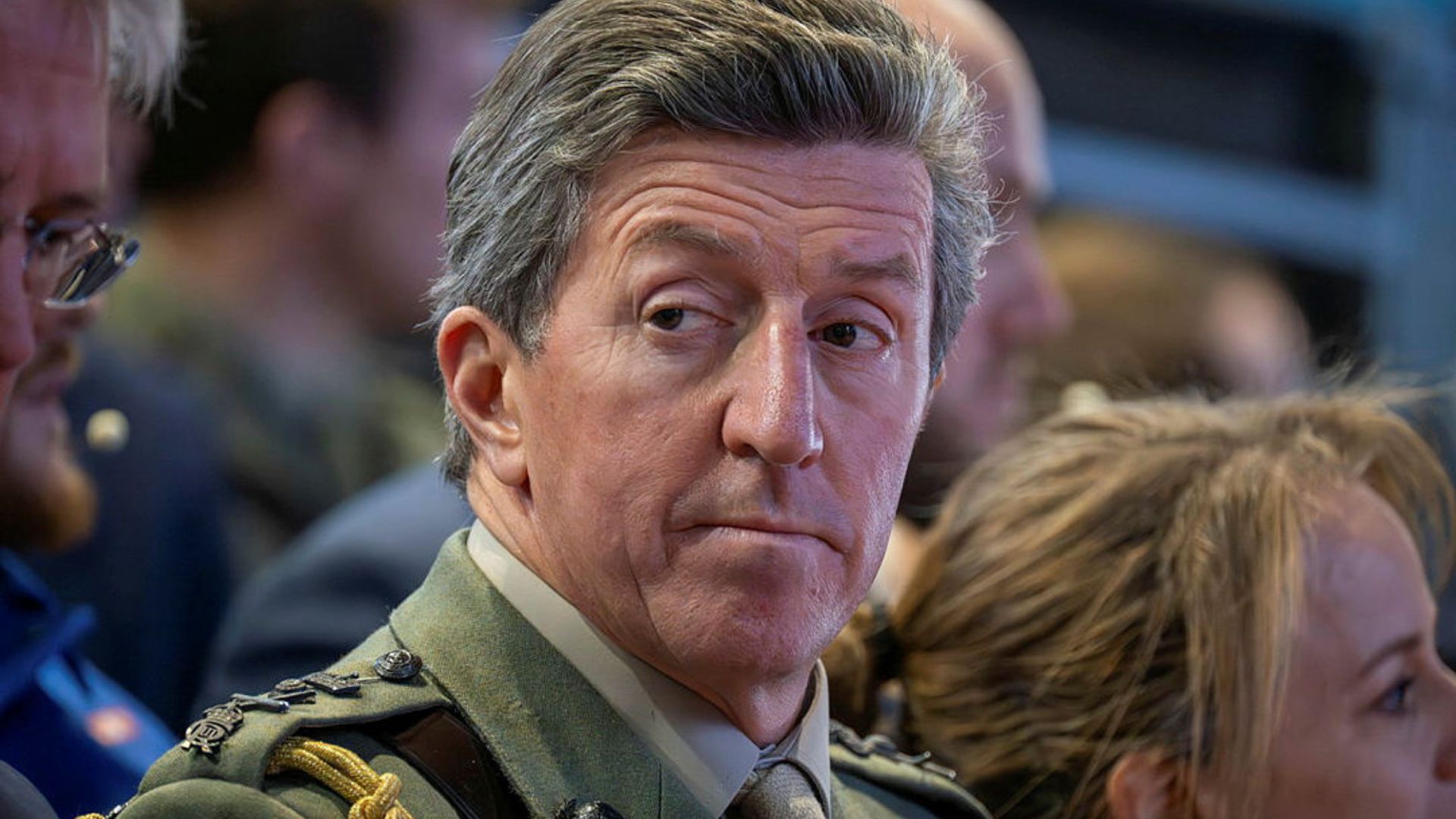
The Royal Navy is not ready for war, First Sea Lord General Sir Gwyn Jenkins has admitted.
Speaking to Swedish newspaper Svenska Dagbladet, Sir Gwyn said "there is still work to do", although he maintains there is still a capacity to conduct "advanced operations right now".
It comes just days after President Trump launched a scathing attack on the UK's lack of involvement in the Iran war, dismissing the Royal Navy's two aircraft carriers as "toys".
US Secretary of War Pete Hegseth would later double down, jibing there was "supposed to be a big bad Royal Navy" that could be prepared to help secure the Strait of Hormuz.
'I am not trying to scare people'
Sir Gwyn said: "My orders are clear. According to the defence investigation that was completed last year, I will be ready for war by the end of this decade."
When asked if this implies the Royal Navy is not ready, he said it does.
"I would say that we can conduct advanced operations right now, and if we were told to go to war, of course we would. That is my military duty.
"But are we as ready as we should be? I don't think we are. We have work to do, and I am completely dedicated to the mission," he said, adding that he sees other Nato allies also lagging in the race to become war-ready.
However, he emphasised that he is not trying to scare people, and "together we have incredible resources".
'Go get your oil'
Sir Gwyn's words come just days after the US administration took aim at the UK and other allied nations for their lack of response in securing the Strait of Hormuz.
Posting on Truth Social, President Trump said: "You'll have to start learning how to fight for yourself, the USA won't be there to help you anymore, just like you weren't there for us."
The closure of the strait – through which roughly 20% of the world's oil supply passes – has had far-reaching implications for global trade and energy markets.
In March, the UK government announced that more than 30 countries are engaged in conversation and contributing to "appropriate efforts" to ensure safe passage through the strait.
Sir Gwyn told the Swedish newspaper that talks are still ongoing, but has highlighted difficulties in planning possible operations when it is unknown how the conflict will end, or when intervention may be required.
"I don't see anyone considering sending warships as long as the conflict is ongoing, but this is not a black and white issue," Sir Gwyn insisted.
"It is entirely possible that there will be a scenario where the main conflict is over, but where there is still a complicated security situation, and ships need protection to get world trade going – that is what we are discussing."
Join Our Newsletter