HMS Queen Elizabeth trials flexible all-day dining as Navy looks to modernise life at sea
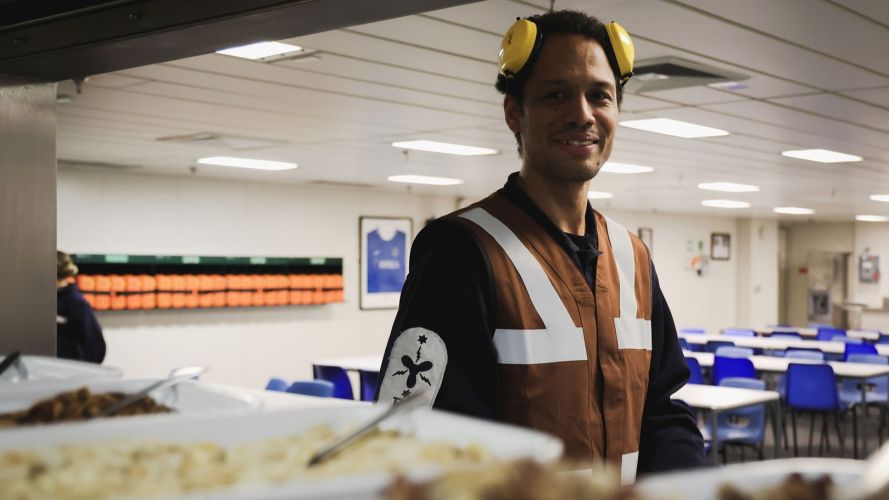
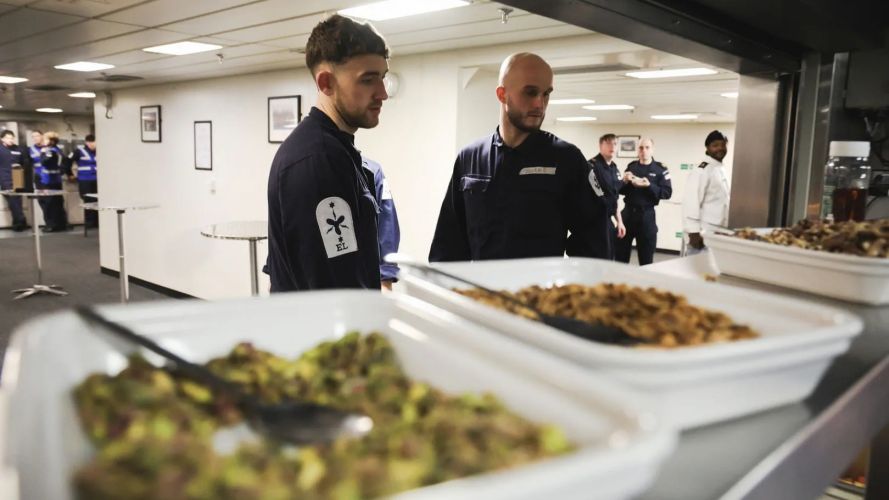
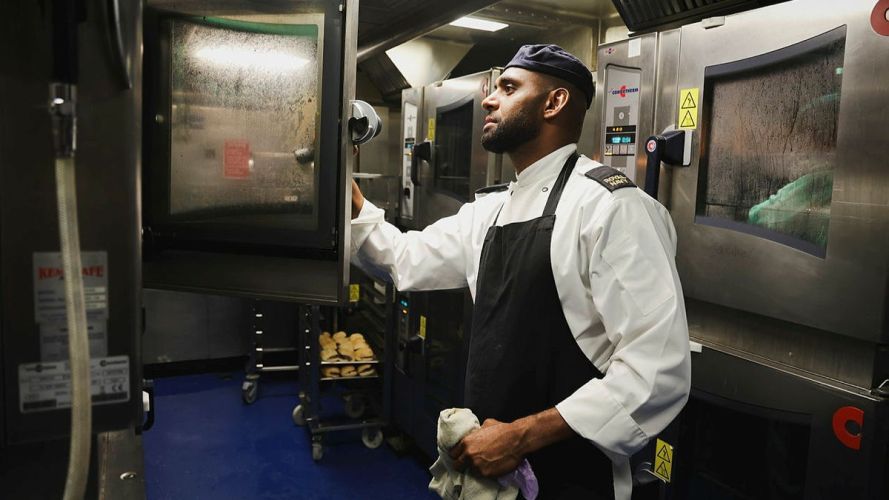
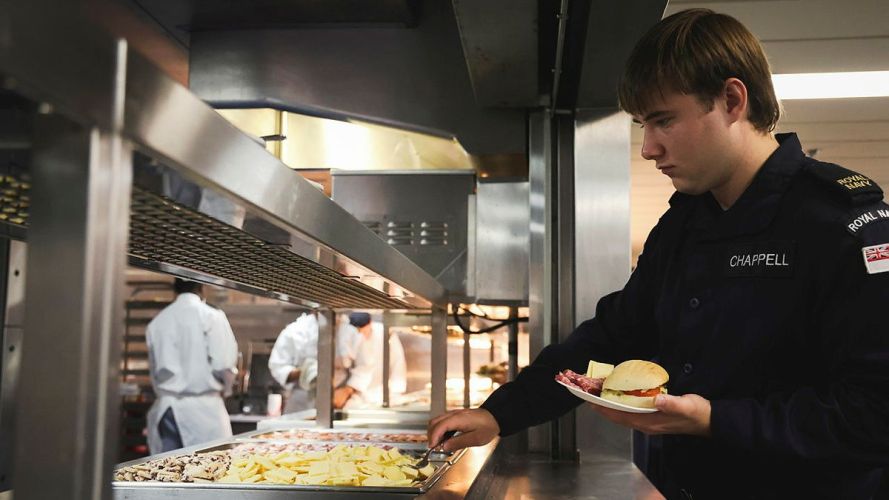
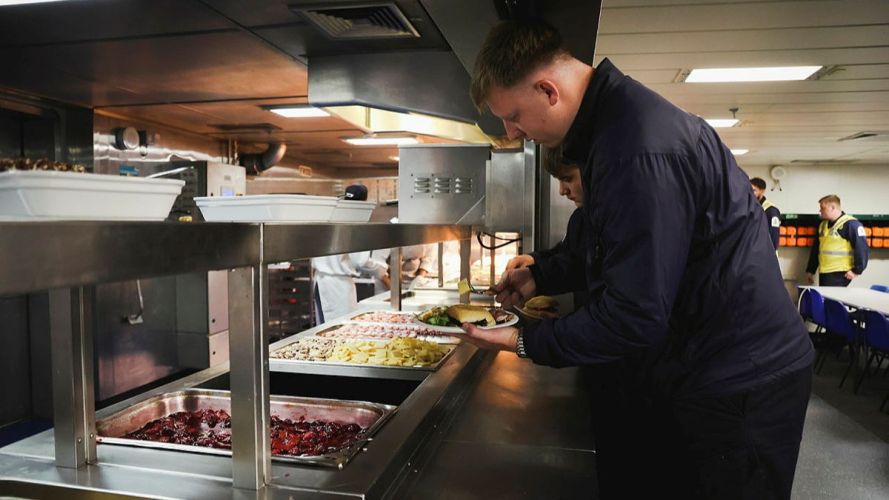
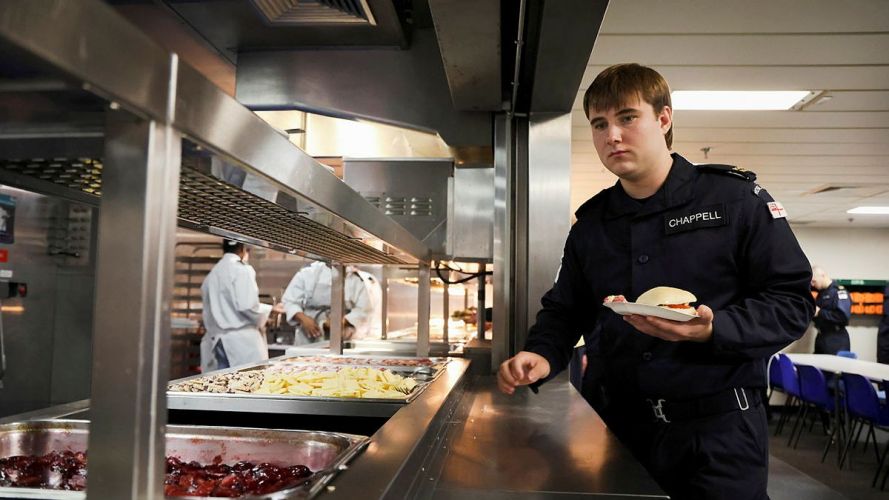
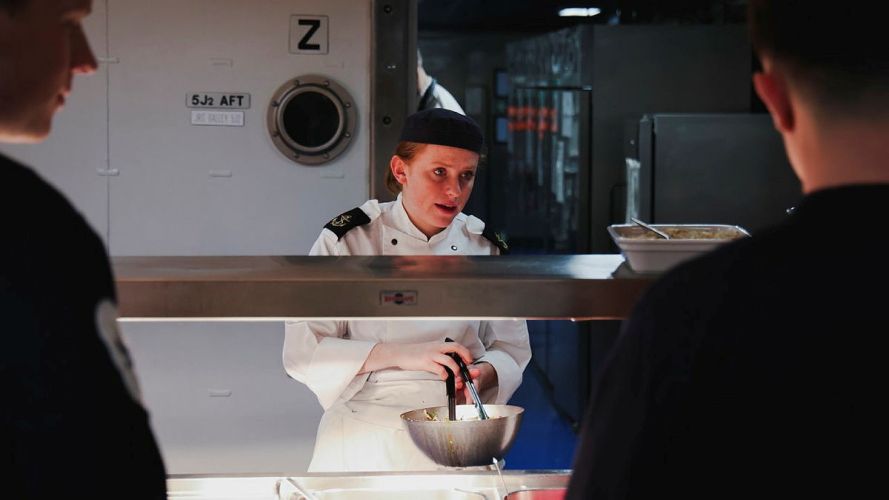
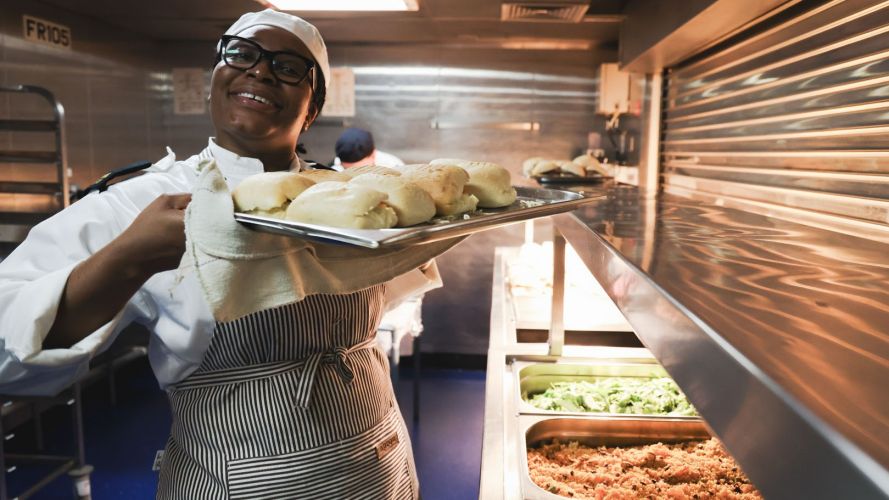
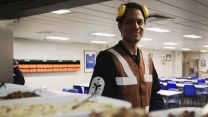
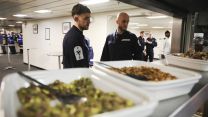



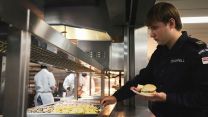
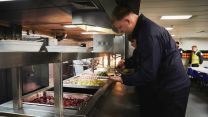
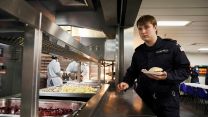



Life aboard an aircraft carrier runs around the clock, so the Royal Navy is trialling a new way of feeding sailors that moves away from relying solely on traditional breakfast, lunch and dinner times.
HMS Queen Elizabeth, currently training around the UK, has been selected as the testbed for the Navy's Generational Change to Feeding programme.
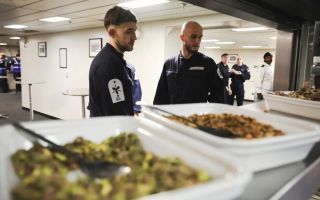
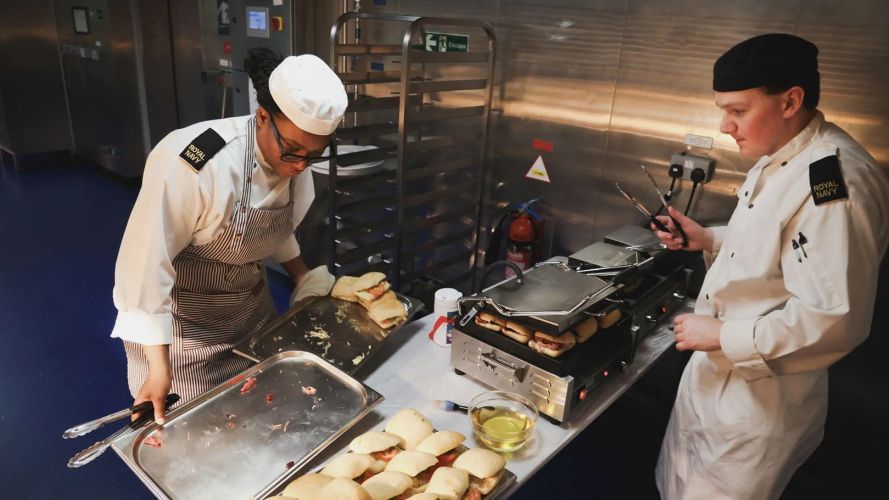
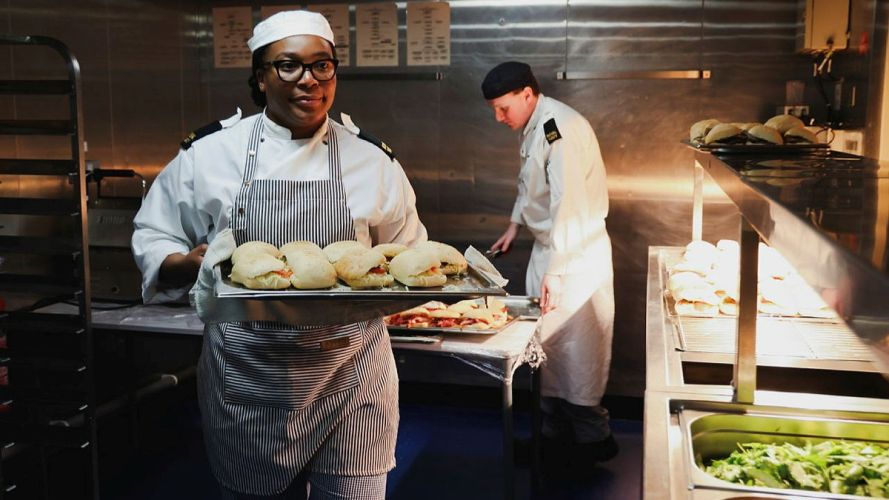
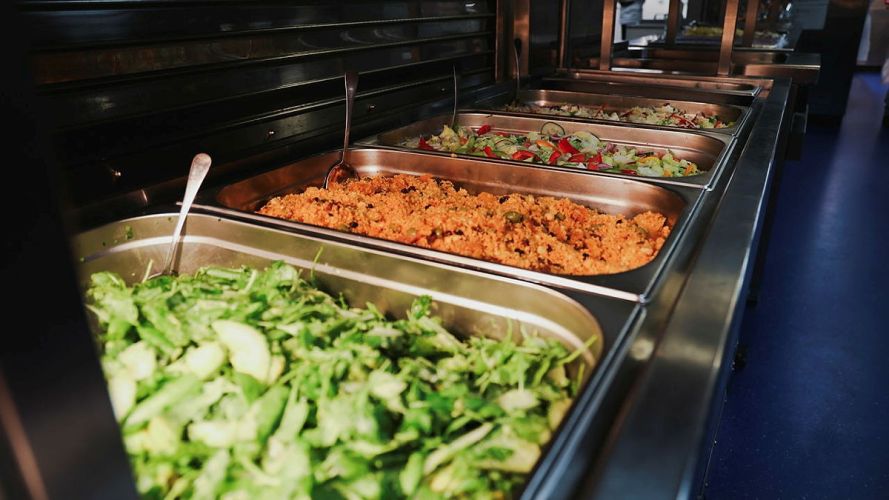
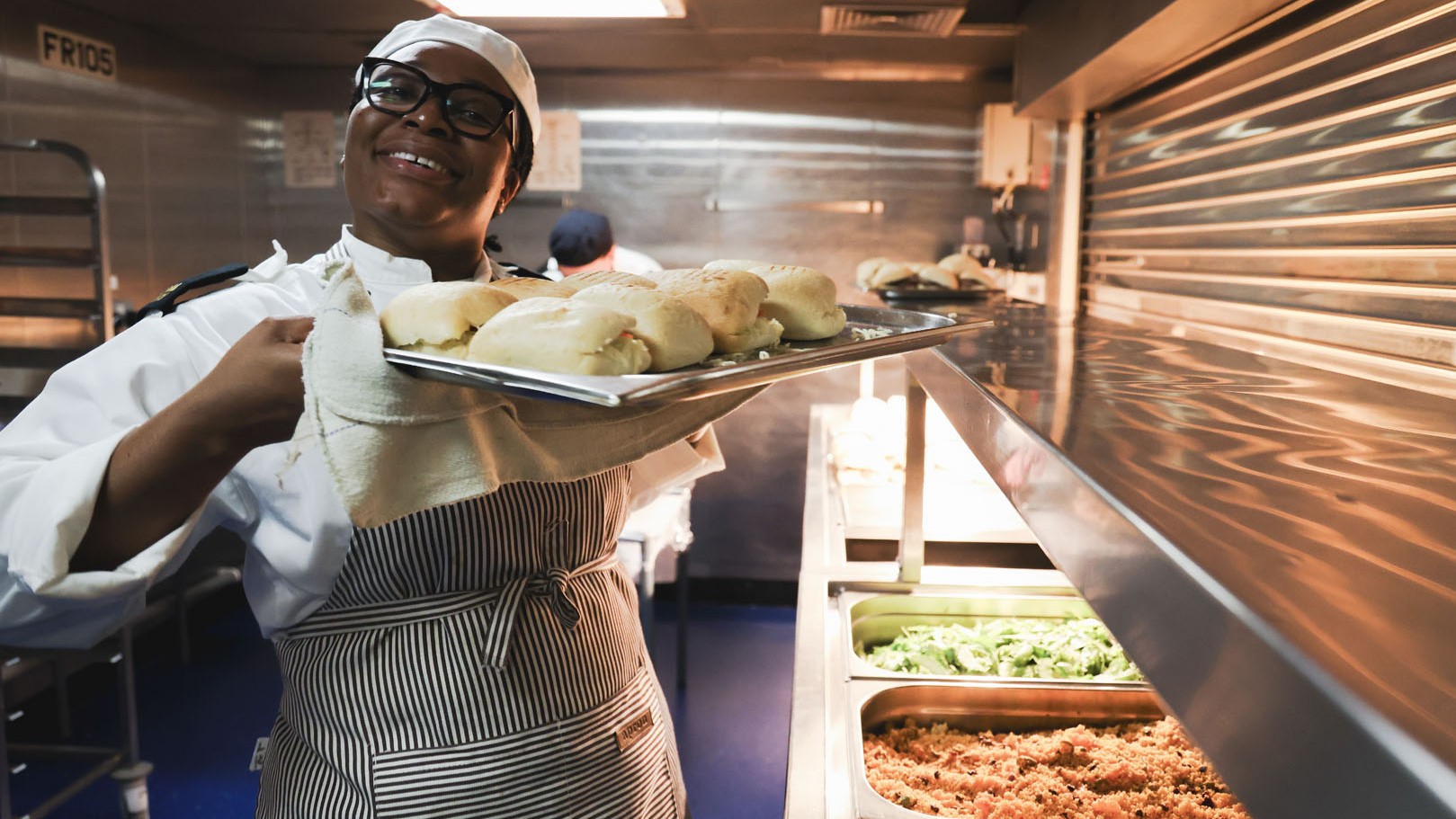
The forward galley has been transformed into a so-called 'grazing galley', serving food continuously from 09:00 to 18:00, with options including salmon bagels, fruit salad and toasted paninis.
The ship's aft galley continues to serve traditional meals, meaning sailors can still eat at set times rather than being forced into the new system.
The idea is partly about recognising the reality of life on a carrier, where watchkeepers and those involved in exercises may not be able to stop for a conventional meal when it is served.
Working pattern
The Navy says some sailors had been skipping breakfast after busy watches to get more rest, while the new system gives them another opportunity to eat when it suits their working pattern.
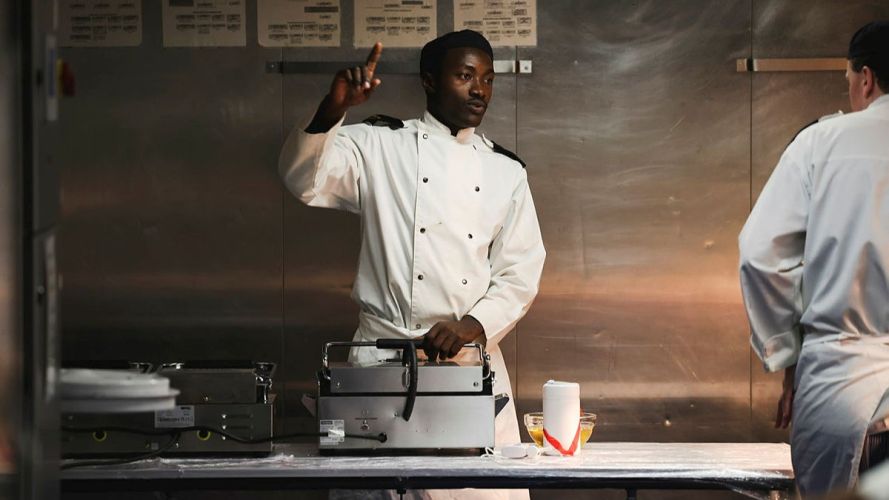
There is also a practical benefit for the people doing the cooking: Queen Elizabeth has a 50-strong catering department, with demand becoming particularly intense when the carrier is operating with its full complement of around 1,600 people.
Spreading demand throughout the day could help reduce pressure on galley staff rather than concentrating it around three fixed mealtimes.
And the experiment is not simply about making feeding more convenient – nutrition and the quality of what is served are also being examined, with the Navy aiming for food that is quick, healthy, fresh and varied.
Batch cooking allows the catering team to keep food available while giving chefs more opportunity to vary portions and presentation.
Early feedback from the ship's company has been positive, with sailors highlighting the flexibility when exercises cause them to miss conventional meal times.
If the trial proves to be successful, this small change to life aboard Queen Elizabeth could offer a glimpse of how the Royal Navy is adapting the routines of its ships around the people who keep them operating.
Join Our Newsletter