HMS Oardacious: Team of submariners aim for Royal Navy record on World's Toughest Row
A group of submariners are aiming to break the record for a Royal Navy team on the World's Toughest Row.
It will be the first time the senior service team – HMS Oardacious – has been made up completely of ratings, and they are hoping to become the fastest naval crew to complete the race.
More than 40 boats will compete in the challenge from La Gomera in the Canary Islands to Antigua in the Caribbean this winter.
Embracing the opportunity
They will be battling huge waves, unpredictable weather and severe fatigue while making the 3,000-mile crossing.
Skipper Warrant Officer First Class Iain Walker said his team aims to be the fastest Oardacious team in its eight-year history.
"When that opportunity presented itself, I thought, it's probably a once-in-a-lifetime opportunity; I'm never going to get the opportunity again, so I thought, embrace the opportunity," he told BFBS Forces News.
"We're hoping to do it in a round about 35 to 40 days – looking at the stats from the previous team, that seems to be the ballpark figure.
"I think just the fact that we're going to be stuck out there for 35 days, just rowing non-stop for two hours on, two hours off, it's just going to be relentless.
He added: "I think the mind's going to play an important part in that."
New frontiers
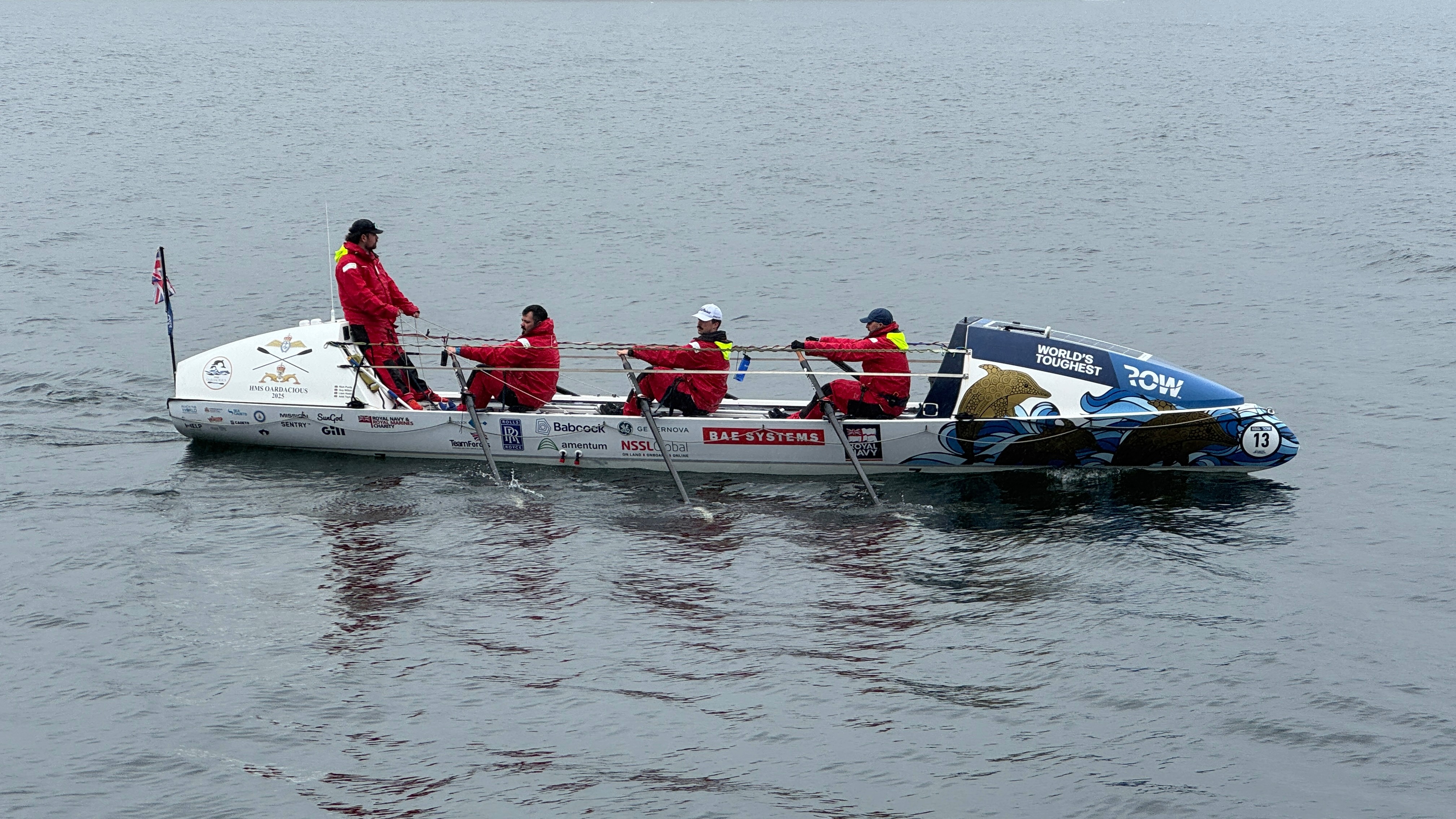
This year's race marks the first time the HMS Oardacious team has been composed entirely of naval ratings, with officers usually competing.
All four members of this year's crew are part of the Royal Navy's Submarine Service and are used to making long sea journeys in cramped conditions, but they admit this ocean crossing will be unlike any they have made before.
Leading Engineering Technician Marrick Palmer said: "You're seeing each other and handing over six times a day, so you have to make sure you get on with everyone and that if there are any issues they're addressed early before it grows."
It is a new experience for LET Palmer, who does not come from a rowing background.
"I've done a few endurance events, but nothing quite like this before," he explained.
"The big thing is making sure we get all the prerequisites done and make sure that the boat itself is ready to go, and once that is ready to go, then we'll look at getting ourselves ready to go."
He added that training is going well, and once the boat gets transported to the start, he and the rest of the team will start training in the gym.
Very intense, very intimate
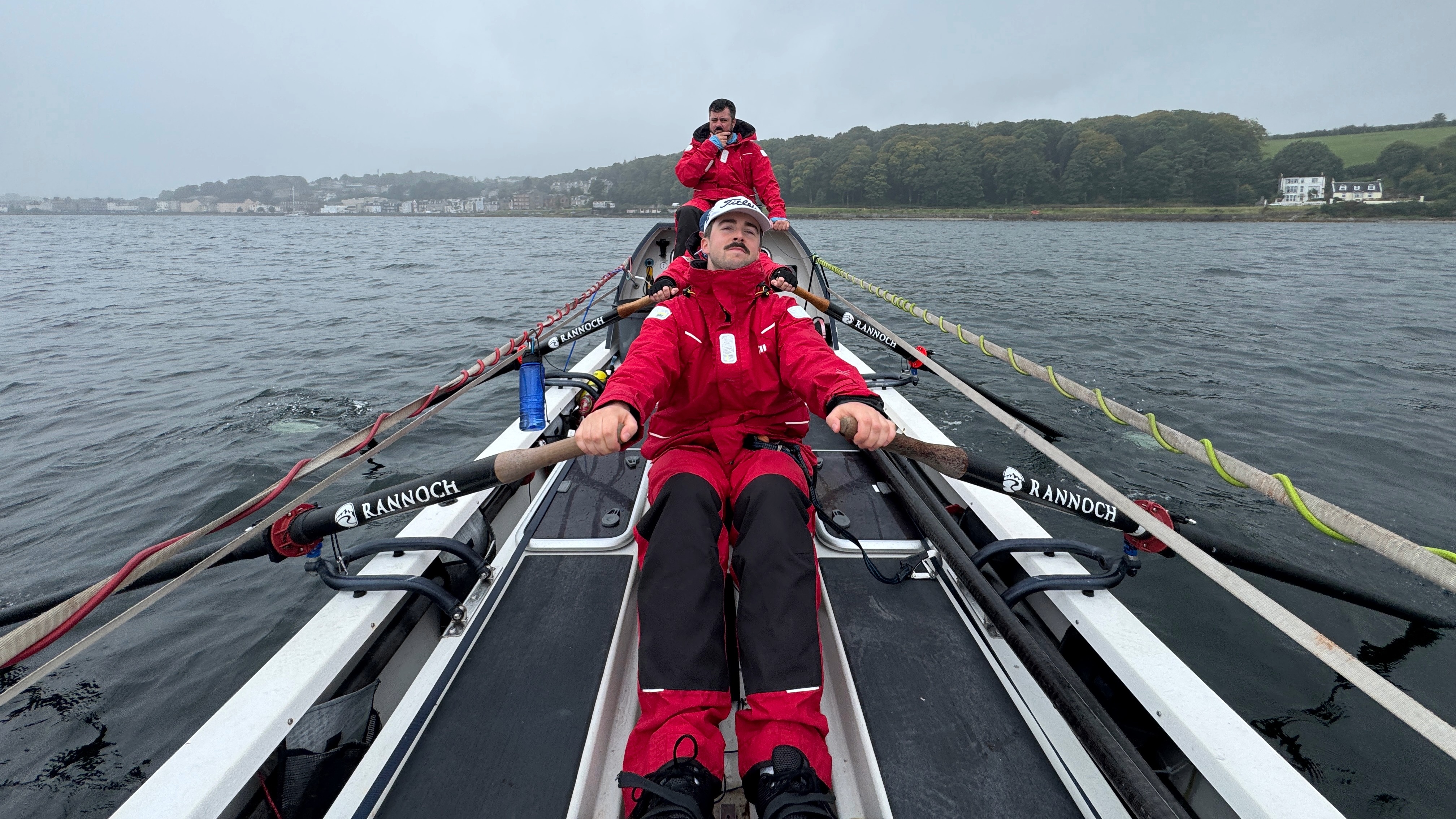
The team will compete on a 10-metre rowing boat with two small cabins offering the only shelter from the elements in the middle of the ocean.
Leading Hand Johnny Trebell said: "It's very basic inside; there are some very thin mats that we lay on and try and get comfortable as we can.
"Beneath those mats there are three storage units, and each one is about the size of maybe two shoe boxes, so you can put a couple of items of food or personal luggage underneath. At the side we've got storage nets so we can use those for food and things like that.
"It's very intense and very intimate," he continued. "We're living together for a month-and-a-half, plus all the training hours we've done.
"I'm excited to start, excited to row, excited to finish – and I think it'll be a once-in-a-lifetime challenge that hopefully we all complete safely."
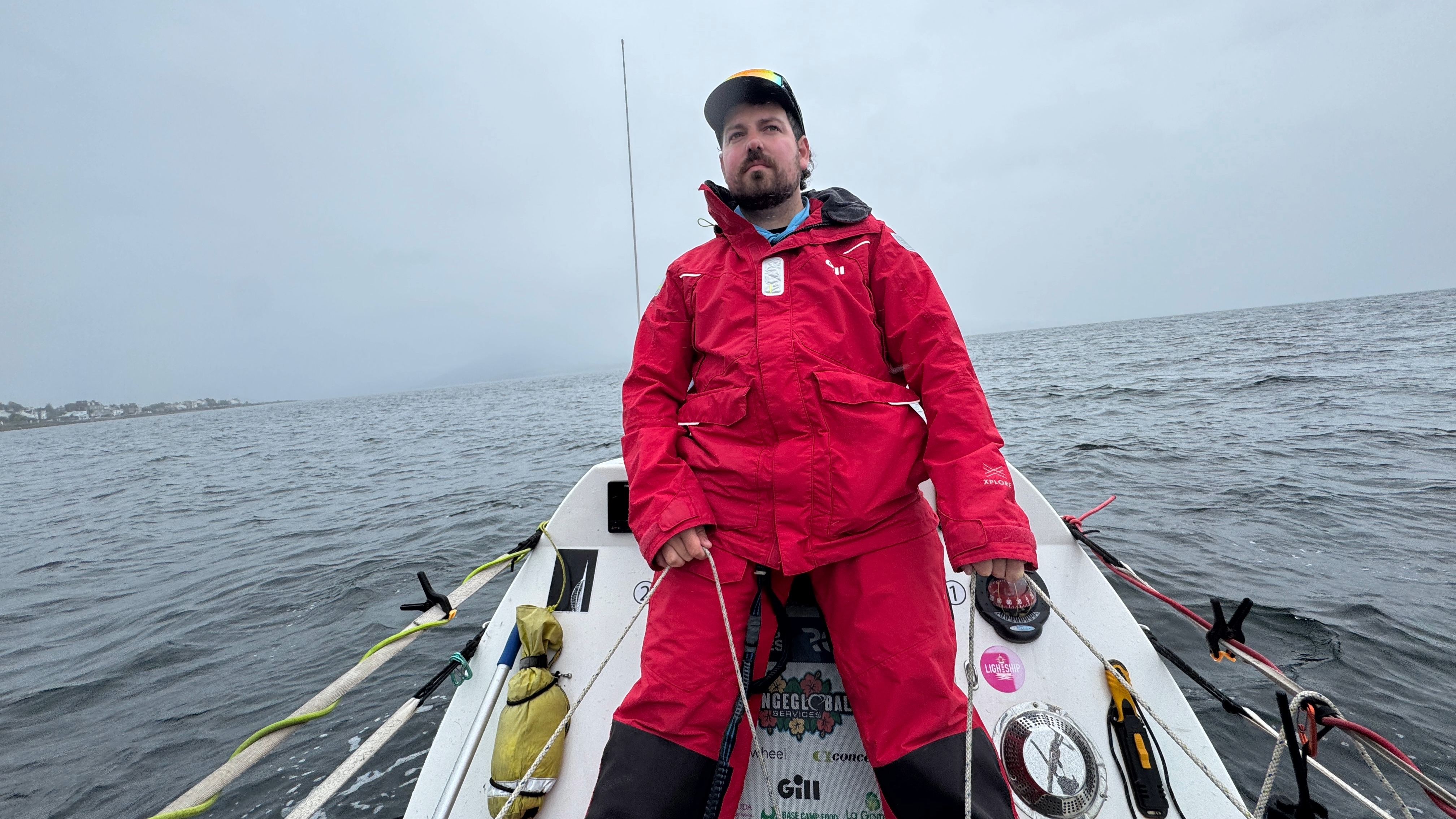
The team has been training on the west coast of Scotland and hopes the unpredictable weather can help them prepare for some of the stormy conditions they may encounter during the race.
Engineering Technician Oscar Ruane said: "The climate that we are expecting when we are crossing the Atlantic is different from what a lot of the west coast of Scotland will throw at us.
"Especially in regard to navigation, because we are working around a lot of headland, [but] there isn't going to be when we are on the Atlantic; there's going to be a lot of nothing on the horizon for over a month."
He added that the harsh conditions found in Scotland are useful for training.
"A lot of the teams who are practising for the row are doing it on the south coast where conditions are a lot calmer.
"I think the fact that we've actually experienced some sketchy conditions up here and got very much thrown in at the deep end, will only be useful for us," he said.
The World's Toughest Row will begin on 12 December from San Sebastián de la Gomera in the Canary Islands.
Related topics
Join Our Newsletter