Royal Navy man becomes first Briton to teach USN pilots how to fly the F-35C

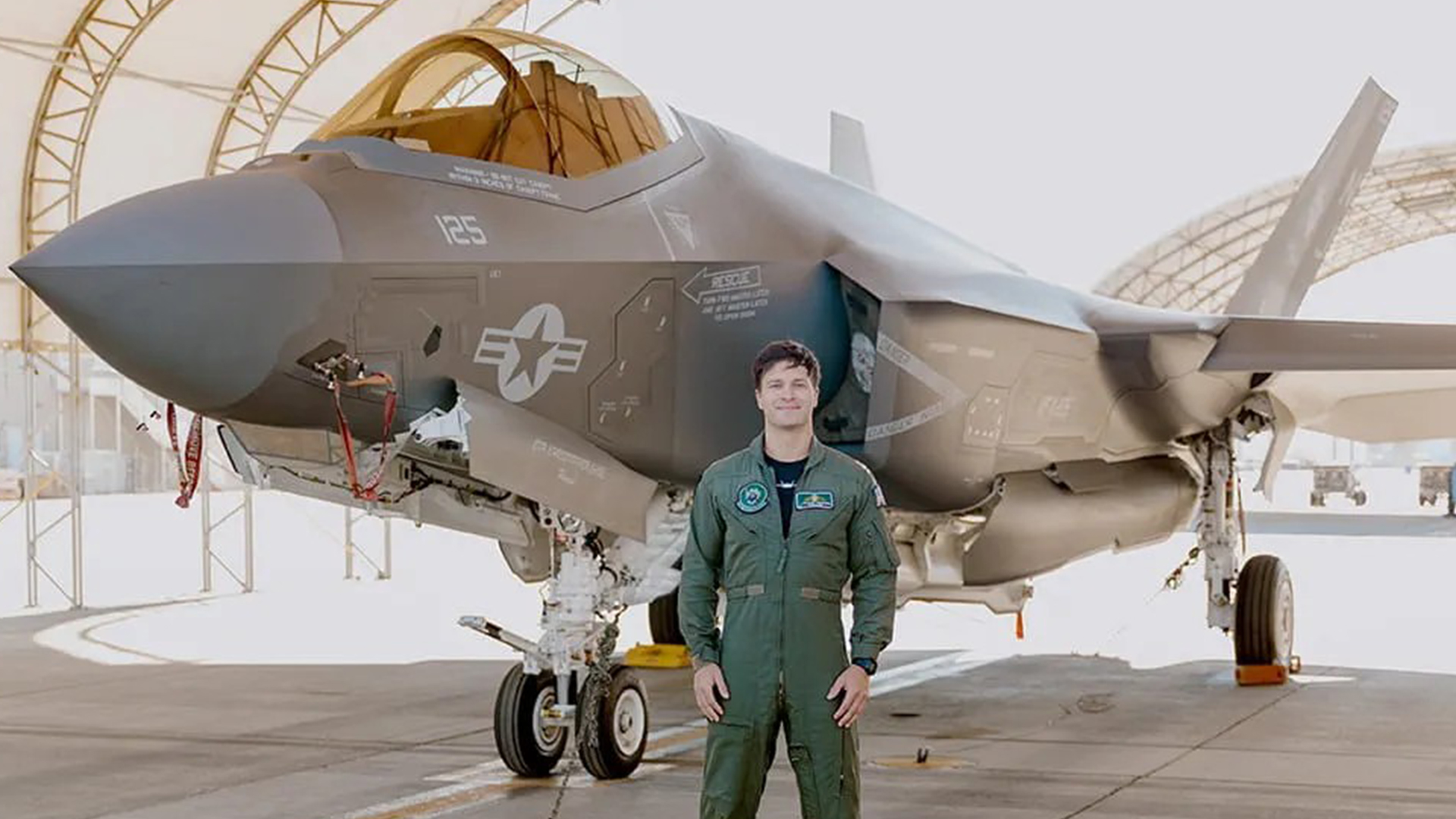
RAF, Royal Navy and Royal Marines pilots are used to flying the F-35B – and some will shortly be operating the A variant as well – but one naval aviator has taken this a step further, becoming the first British pilot to serve as an instructor on the F-35C.
Lieutenant Richard Woods is also the first to be embedded within a US Navy F-35C squadron, VFA-125, known as the Rough Raiders.
The Royal Navy pilot, who was brought up in Surrey, volunteered for a non-reciprocal exchange to NAS Lemoore in California where he's been stationed since late 2023.
Same plane, but different
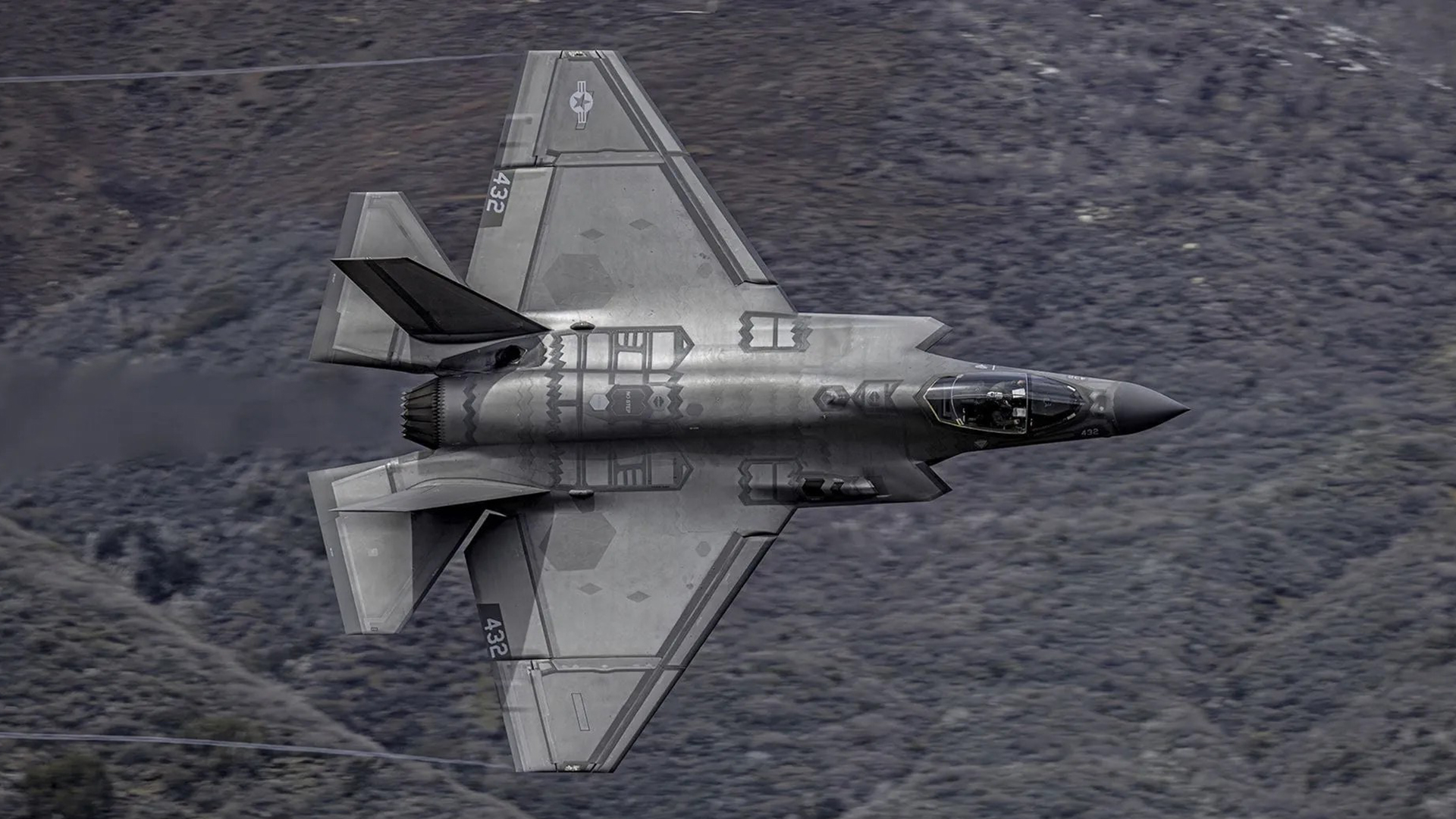
The F-35C variant differs from the A and B, with the most obvious feature being its larger wing.
A greater wing area means it can fly at slower speeds, which is critical for catapult launches and arrested landings from the decks of aircraft carriers.
The larger wing also means the F-35C can hold more fuel than its A and B cousins.
Other modifications include a tail hook, strengthened landing gear for absorbing the increased g-forces from carrier deck landings and folding wings to fit into the limited space on board a carrier.
Goshawks and Super Hornets too
Lt Woods is no stranger to US naval aircraft, having moved to Meridian in Mississippi in 2018 where he flew the Boeing T-45 Goshawk.
This is a highly modified version of the BAE Systems Hawk land-based jet that's used by the US Navy as a training aircraft, and is capable of carrying out carrier landings.
Lt Woods got his carrier qualification with the Goshawk, landing on the USS Dwight D Eisenhower and earning his US Navy "wings of gold".
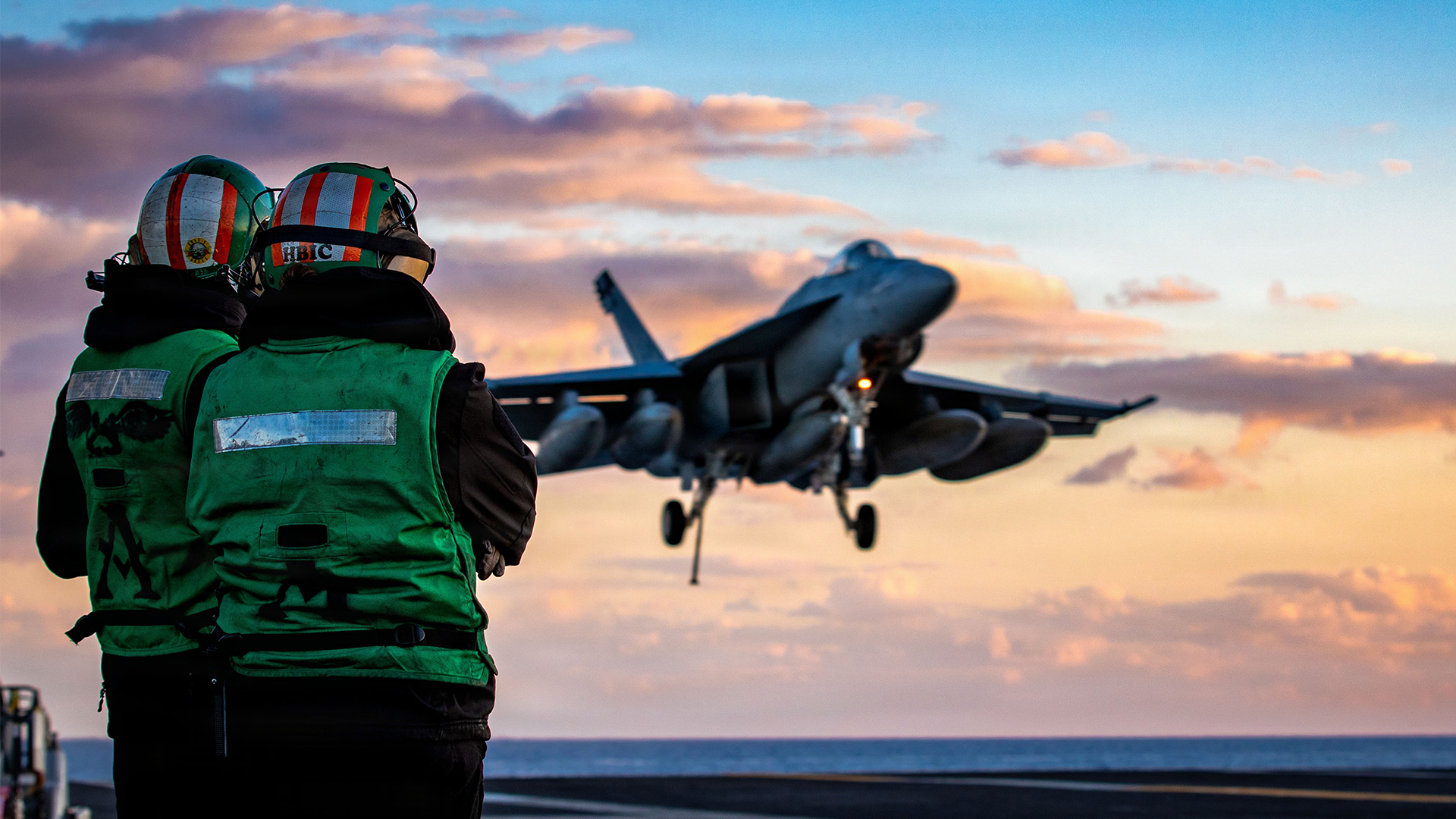
Eighteen months later, he moved to Naval Air Station Oceana in Virginia to convert to the F/A-18 Super Hornet, later joining the frontline squadron VFA-211 106 and flying the E variant.
Ready to stand together
While serving in the Mediterranean on board the USS Harry S Truman, Lt Woods also flew enhanced Air Patrol over Romania, deterring Russian aggression in the region.
During this deployment, Lt Woods also integrated with Royal Air Force aircraft out of Cyprus, executing Dissimilar Air Combat Training, where he engaged RAF Typhoon aircraft up close in his Super Hornet.
He also spent several weeks training with Spanish Typhoons. During a detachment to Seville, he instructed some of Spain's frontline pilots in one-versus-one and two-versus-one engagements.
Then there were Greek Fighting Falcons.
"One of my most memorable exercises during deployment was leading a training sortie with Greek F-16s," he explained.
"We executed Defensive Counter Air from the USS Harry S Truman, while Greek F-16s acted as the aggressors. All of it was to the incredible backdrop of the snow-covered mountain peaks of Crete."
After ending his frontline tour, and with almost 300 carrier deck landings under his belt, Lt Woods joined VFA-125.
He said of his time with the US Navy: "By training together, we ensure that we're ready to stand together, if the time arises."
Join Our Newsletter