It's called the Chinook – but how did the RAF's powerful heavy-lift helicopter get that name?
The Chinook, the Black Hawk and the iconic Apache are all helicopters that have proudly served the US Army over the decades, but there is another link between these aircraft – their names.
The service chooses names that reflect the Native American culture that dominated the land long before the United States of America was established.
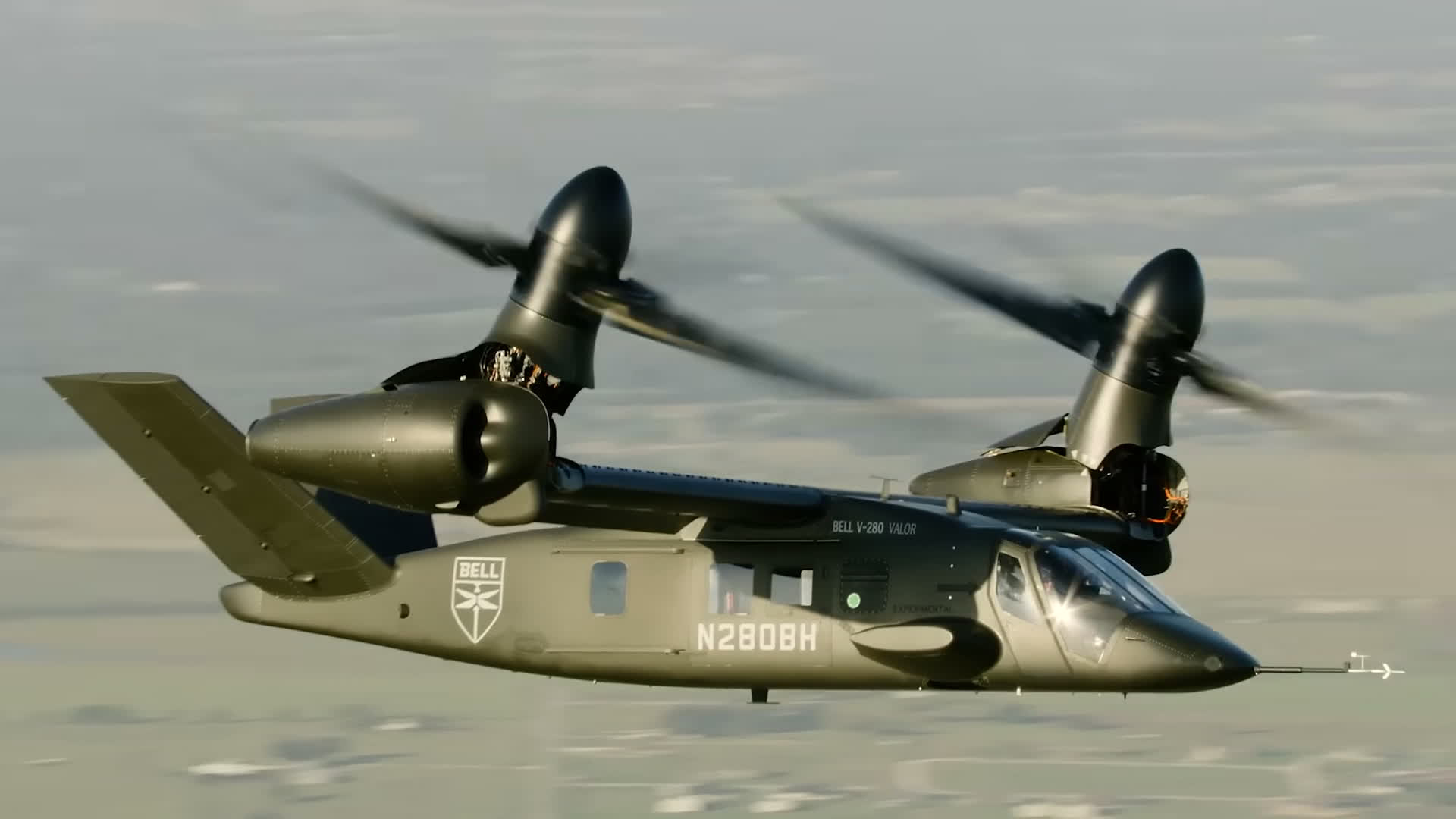
This a tradition that continues now and in the future – with the US Army's new tilt-rotor aircraft, the Cheyenne II.
A heli named Sioux
This long-standing tradition all began in 1948, when the Bell H-13 helicopter was named the Sioux after a group of tribes from the Great Plains of North America.
This single-engine, three-seat observation helicopter with its distinctive full soap bubble canopy was the US Army's primary helicopter in the Korean War.
It gained the nickname the Angel of Mercy when it was used in the casevac role in Korea, and the Sioux went on to be used as an observation aircraft early in the Vietnam War too.
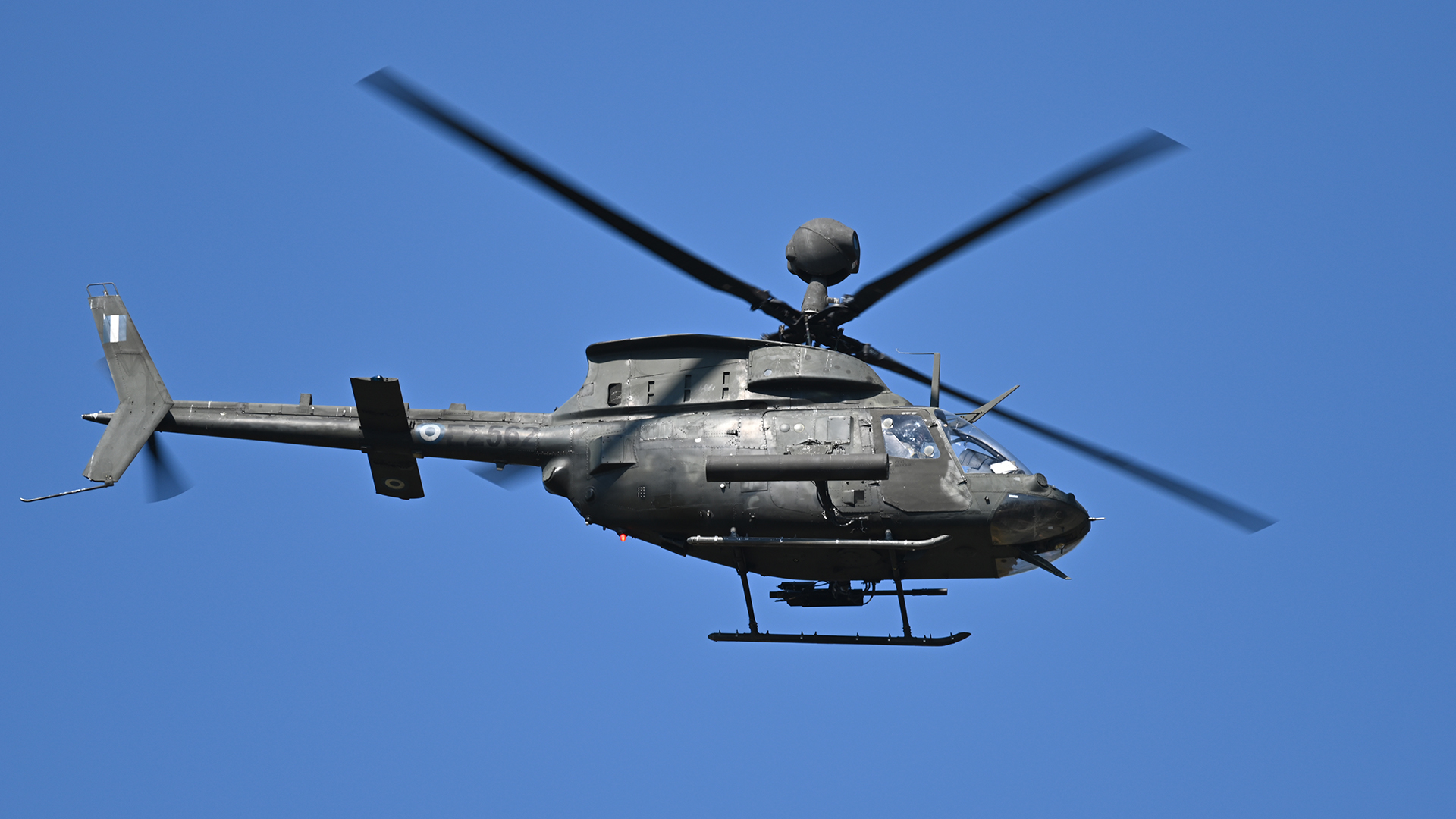
The following decade, Bell developed its UH-1 Iroquois, named after a group of tribes based in northeastern North America.
Nicknamed the Huey, it was the first turbine-powered helicopter in the US military.
First used in combat missions in Vietnam, it could be armed with rockets, grenade launchers and machine guns.
A capable 'copter
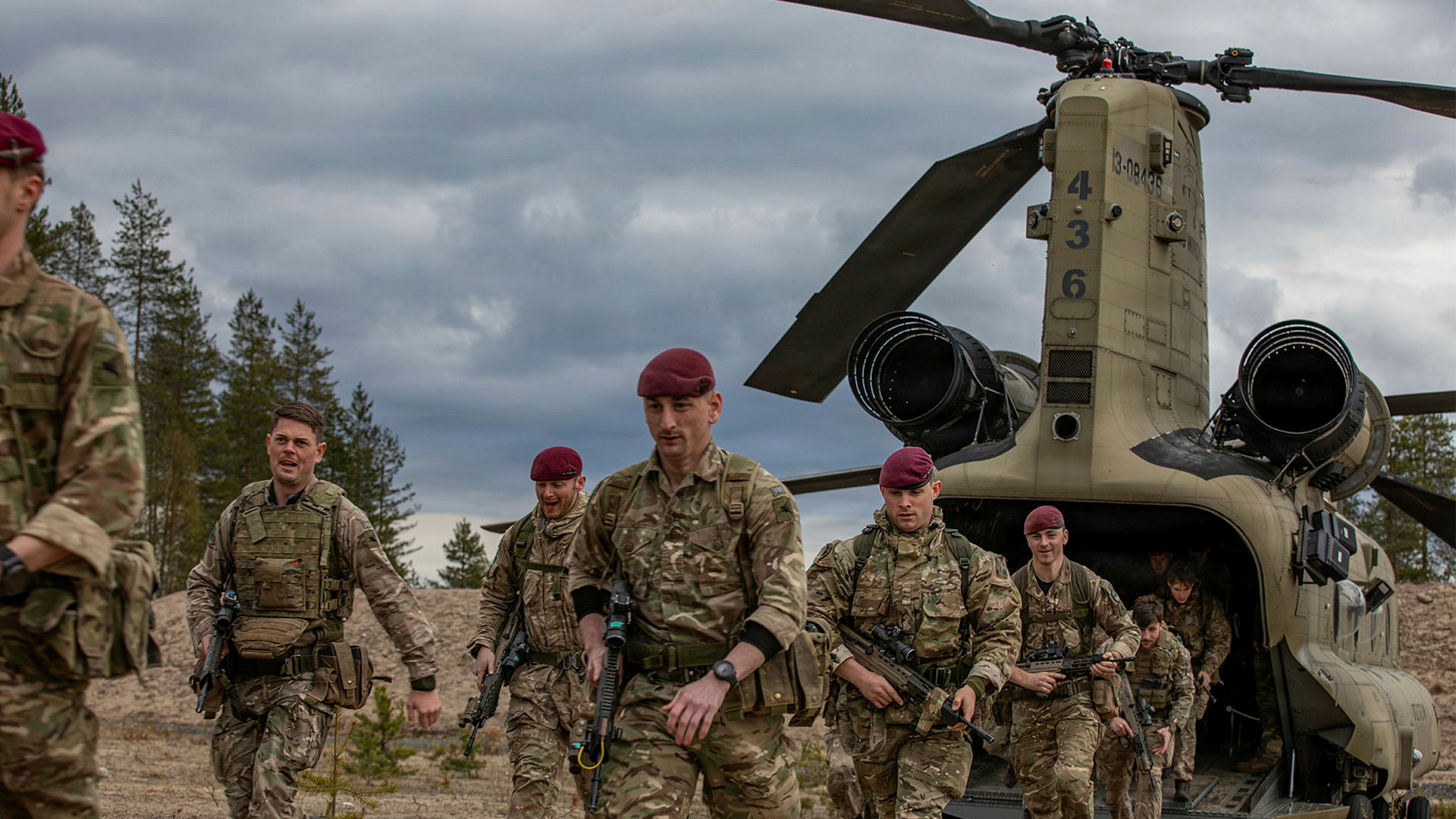
The famous Chinook came into use in the United States in 1962, gaining its name from the indigenous people in present-day Oregon and Washington State.
Still in service in numerous nations to this day, this Boeing aircraft has been a workhorse for armed forces across the world, including the Royal Air Force.
This distinctive tandem-rotor aircraft has carried out several roles across the years, including troop transport, underslung loads including artillery pieces, air assault and casualty evacuation.
First seeing action in Vietnam, the Chinook was used in the wars in Iraq and Afghanistan, and is still in operation today.
No war, no need
The OH-6 Cayuse was another helicopter named after a tribe from what are now the northwestern states of the United States.
A light observation aircraft, it was brought in in the 1960s to replace the H-13 Sioux fleet. It first deployed to Vietnam, where it worked in tandem with armed Iroquois and Cobra attack helicopters to flush out the enemy.
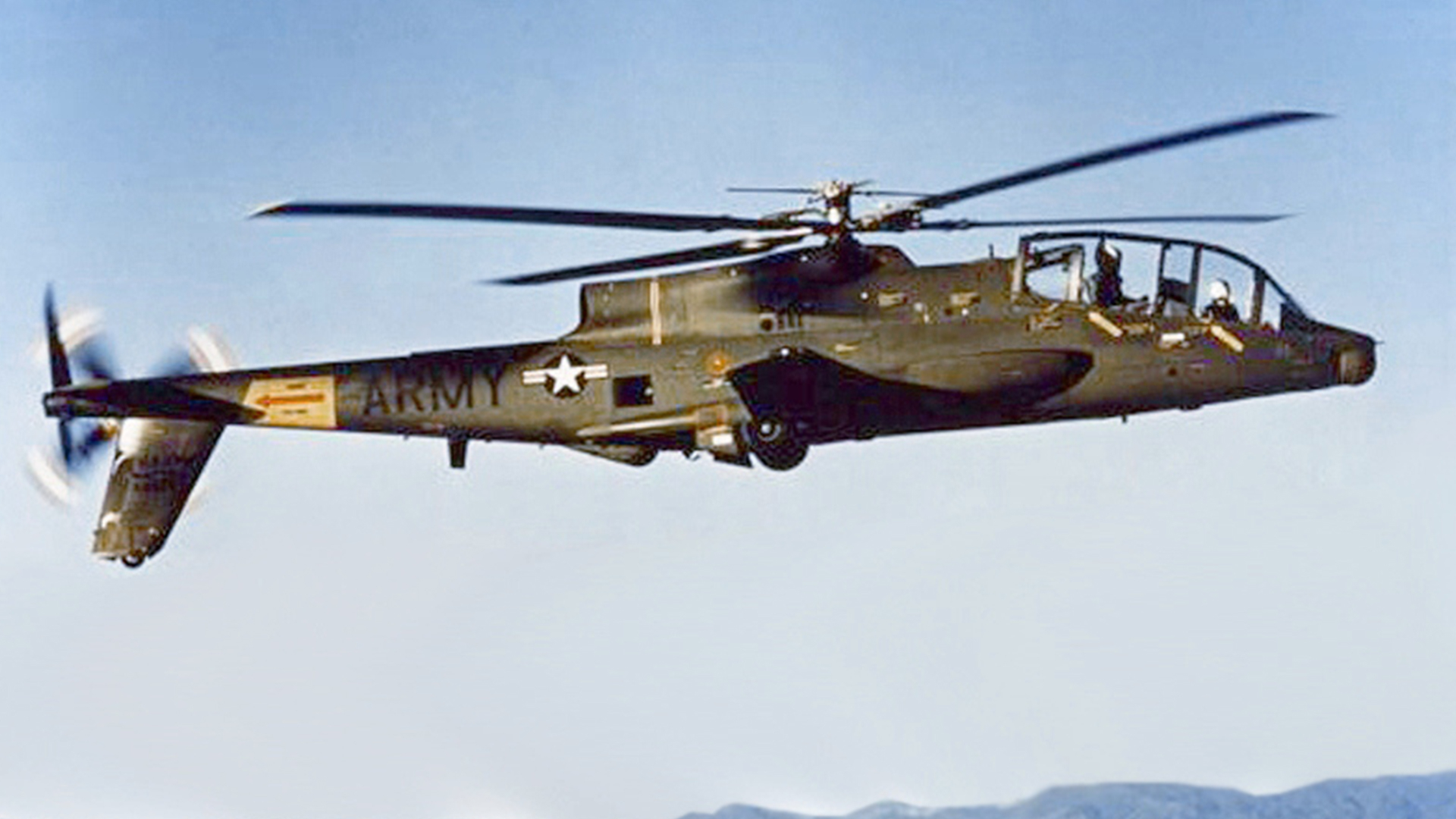
The AH-56 Cheyenne was the first attack helicopter built specifically for the US Army, being named after the tribes inhabiting Montana and Oklahoma.
Developed as American involvement in Vietnam was winding down, the manufacture of this aircraft was shelved in 1972.
The iconic Apache
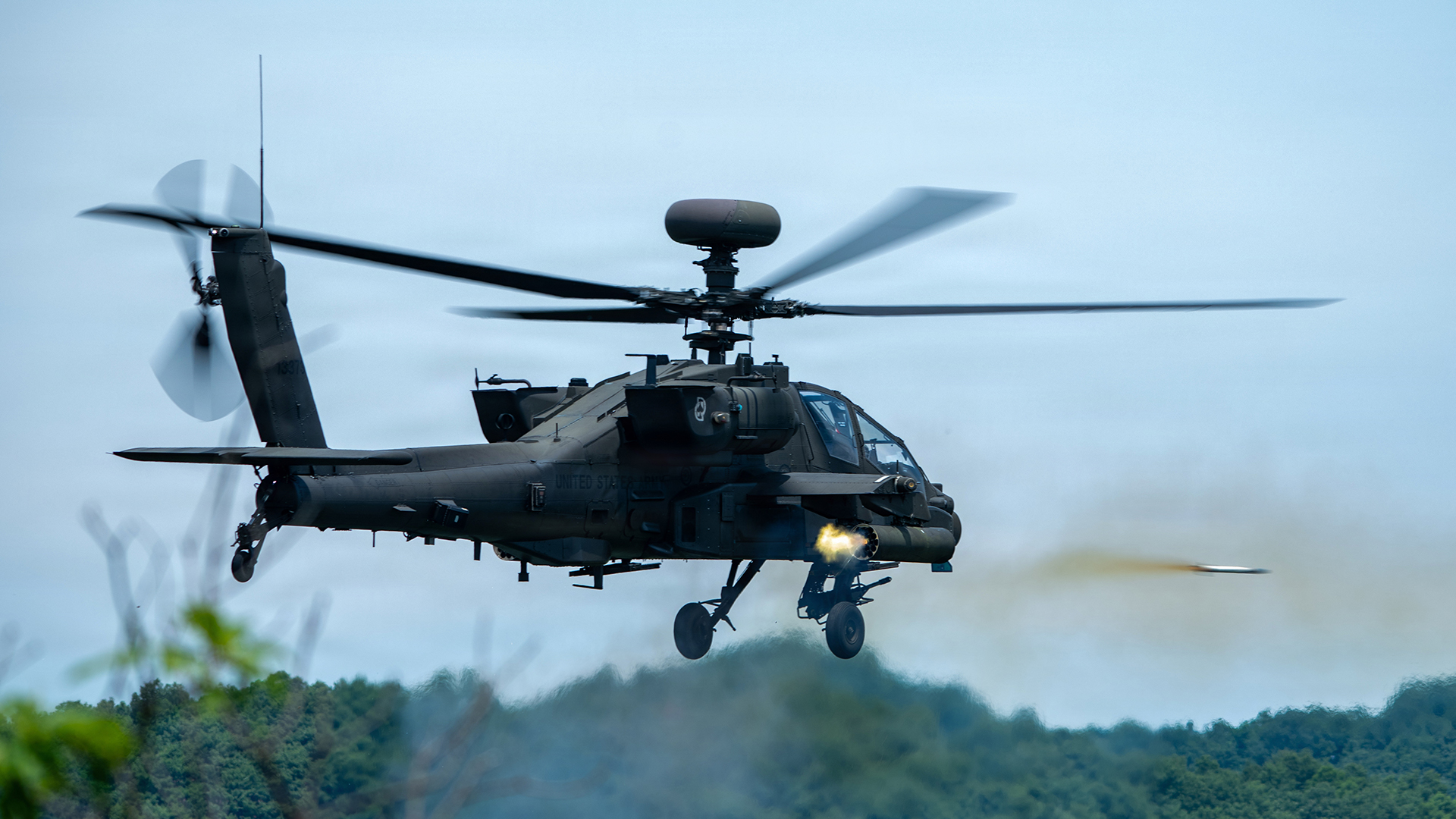
But the gap in capability did lead to the iconic AH-64 Apache, named in honour of the people living in the southwestern states and northern Mexico.
This tandem-cockpit, twin-turboshaft aircraft is armed with 30mm chainguns, Hellfire missiles and Hydra 70 rocket pods.
Used in the US invasion of Panama, it was Operation Desert Storm that truly cemented its legendary status, its distinctive shape striking fear into enemy forces.
Looking to the future
But not every helicopter is named after a tribe or nation. The Black Hawk gets its name from the legendary leader of the Sauk people.
This four-blade, twin-engine, medium-lift helicopter was developed in the 1970s and replaced the Iroquois as the US Army's tactical transport helicopter, seeing action including the Battle of Mogadishu in Somalia, where two were shot down.
It was also used in the operation to kill Osama bin Laden in May 2011.
This naming tradition carries on to this day with the new Cheyenne II. But it's not only the names of these aircraft that reflect the traditions of the Native American people.
Blessing ceremonies are common for the newly developed helicopters to impart good fortune on their operations.
And while these warriors of the skies represent the modern technology the US Army has in its arsenal, they can trace their identities back to the past, back to a time long before this modern country existed.
Related topics
Join Our Newsletter