Polly Miller-Perkins: Who is the Defence Secretary's pick for Armed Forces Commissioner?
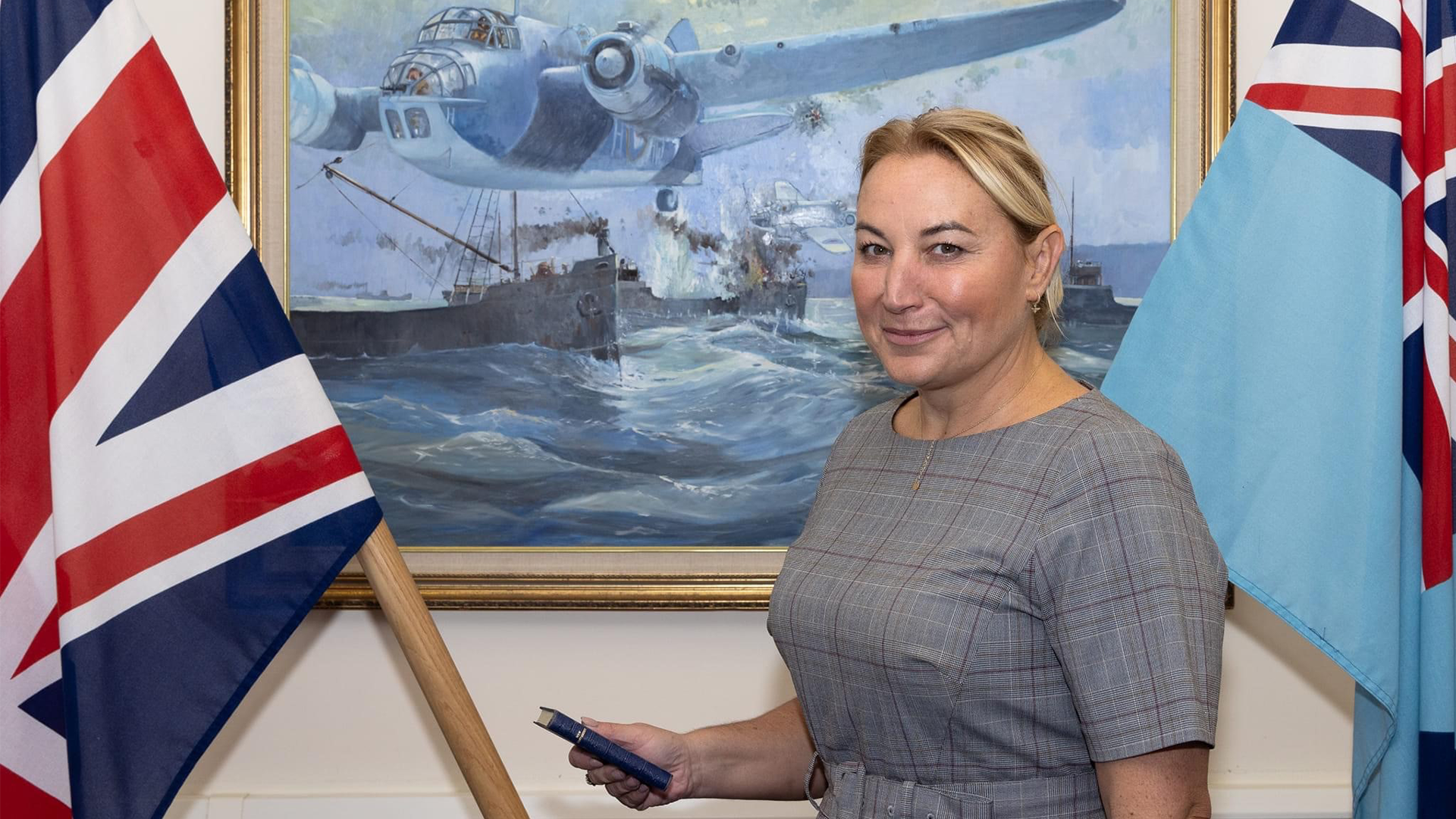
When Polly Miller-Perkins appeared before the House of Commons Defence Committee as the government's preferred candidate for Armed Forces Commissioner, she cast the job in blunt terms: her role would be about transparency, mapping accountability within the MOD and, in her words, "speaking truth to power".
The hearing formed part of the pre-appointment process, and the committee is expected to publish its views and recommendations before the government makes a final decision on whether to confirm her appointment.
If confirmed, the former Air Commodore would take on the new watchdog role after a career spent inside the system she is now being asked to scrutinise.
Why the Armed Forces Commissioner role exists
The new role, created under the Armed Forces Commissioner Act 2025, will see the Commissioner hear directly from service personnel and their families, walk into defence sites unannounced, investigate and then report the findings to Parliament.
The job is modelled on Germany's Parliamentary Commissioner for the Armed Forces, which has been positively received.
The intention is to create an independent figure with the authority to investigate issues affecting service personnel and their families, and to hold the system to account.
The Commissioner will take responsibility for the existing Service Complaints Ombudsman and will ensure there is no break in that service.
Over three decades in uniform
Ms Miller-Perkins spent more than three decades in the RAF, rising from a teenage entrant to Air Commodore.
She joined aged 18 as a direct entrant supply officer, building her career in logistics before moving into senior command and leadership roles across the service.
Early roles were rooted in the mechanics of how the military functions day to day, moving people, equipment and fuel.
Her career moved towards leading larger organisations and shaping how those systems are run.
Promoted to Group Captain in 2012, she also completed two tours of Afghanistan.
Coming from an RAF background, Ms Miller-Perkins said she is nonetheless well placed to serve across three branches of the British Armed Forces, although admitted to having less experience with the Navy.
Ms Miller-Perkins has spent most of her career in tri-service appointments, including within the Joint Helicopter Command, which she said is often Army-led and follows Army processes.
"I am well versed in how the Army, less so the Navy, in how their processes and procedures work," Ms Miller-Perkins said.
Two roles stand out in her later career. At RAF Brize Norton, the UK's main air mobility hub, she served as Head of Establishment, overseeing a base central to global operations and home to thousands of personnel.
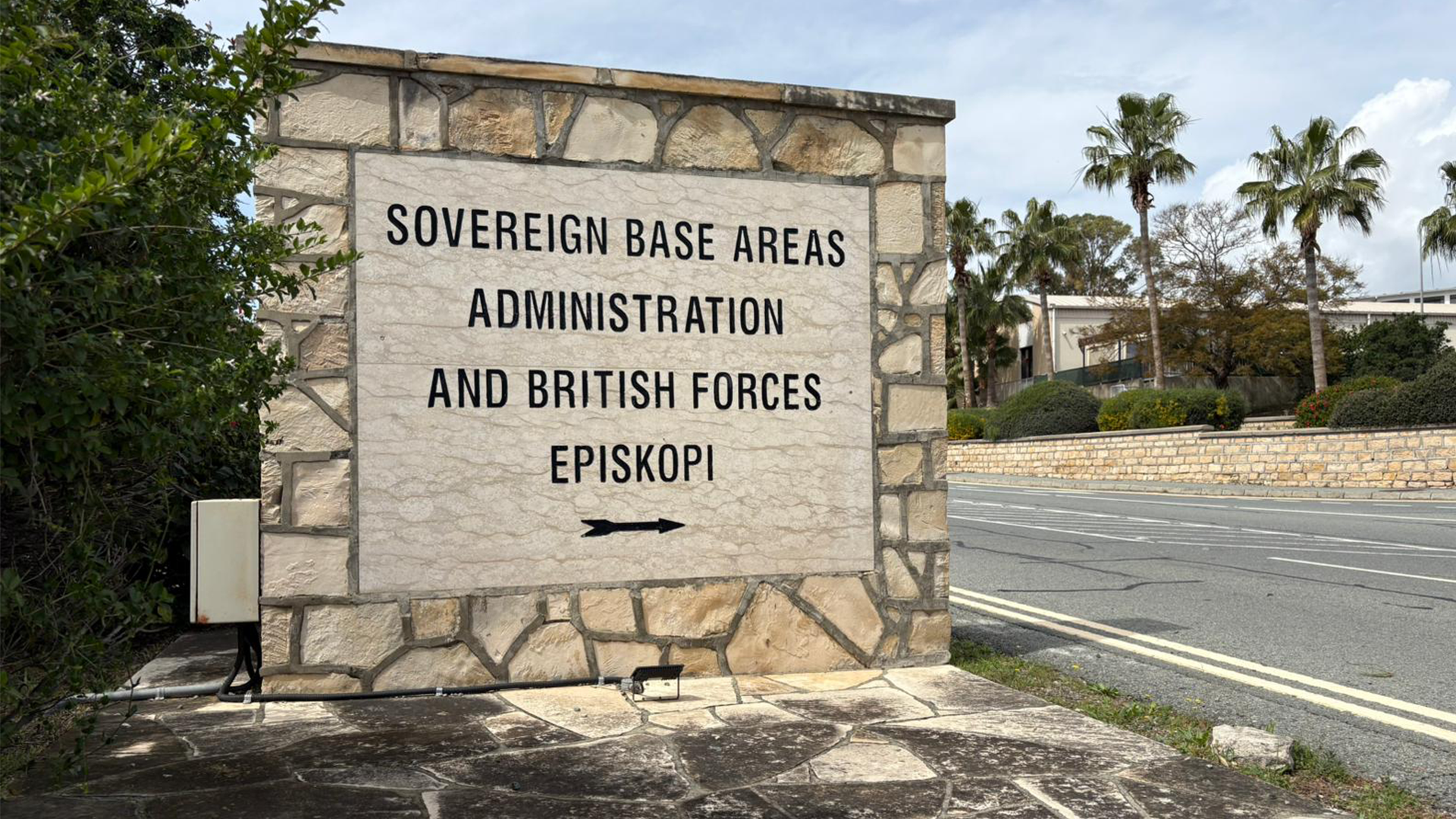
For her service as Deputy Commander and Chief of Staff in Cyprus, she was awarded a CBE.
That role extended beyond operations into the wider structure of service life, including safeguarding and the support systems around families based overseas.

Career and education beyond the Forces
Ms Miller-Perkins has described herself as both a veteran and a military spouse, an overlap that is often central to how service life is experienced.
After leaving the regular RAF in 2021, she moved into a leadership role on Civvy Street.
She returned to the RAF in a different capacity, joining the reserves as Regional Air Officer South West.
The future Commissioner said that if awarded the appointment, she would leave the reserves.
She has an Masters degree in Defence Studies from King's College London and is an alumna of the Royal College of Defence Studies.
What was the recruitment process like?
The former Air Commodore has been chosen as the preferred candidate for Armed Forces Commissioner by the Defence Secretary John Healey.
Back in January 2025, Armed Forces Minister Luke Pollard told the House of Commons that the Commissioner would undergo "robust scrutiny" as part of the recruitment process.
The Secretary of State interviewed Ms Miller-Perkins ten days after she put in her CV for the job.
The appointment is interim, for a year, with the possibility of a permanent five-year appointment, following an open selection process at the end of the interim period.
Related topics
Join Our Newsletter